29Aug 2025
table of contents
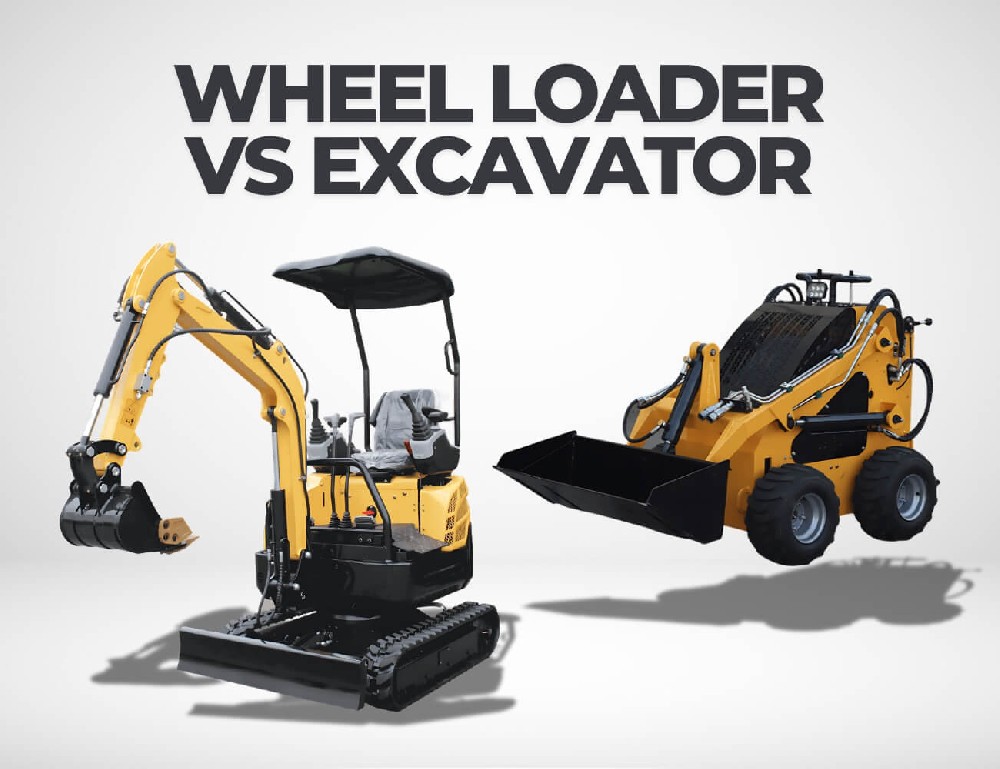
In the world of construction and earthmoving, the success of a project often hinges on selecting equipment that is both powerful and efficient. Among heavy machinery, two essential workhorses stand out: wheel loaders and excavators. Each excels in specific applications, offering unique advantages that can help construction teams optimize operations and work smarter.
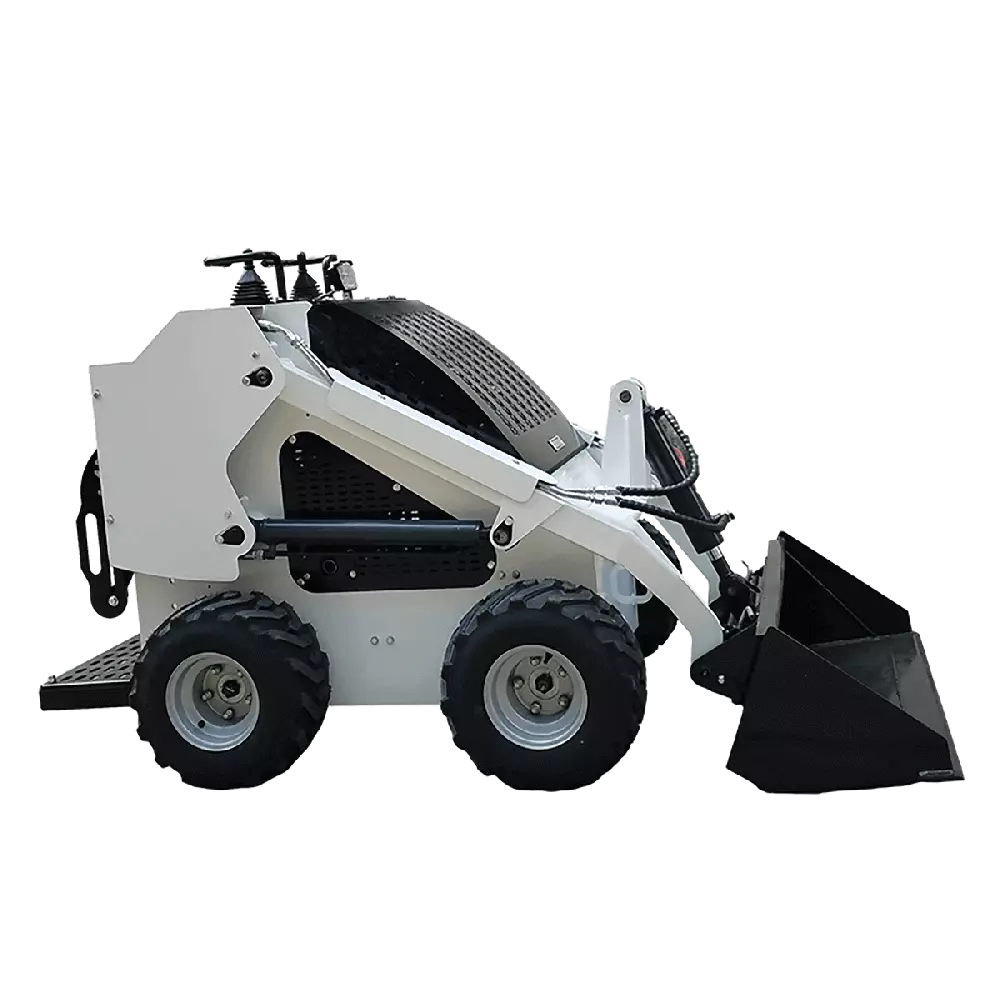
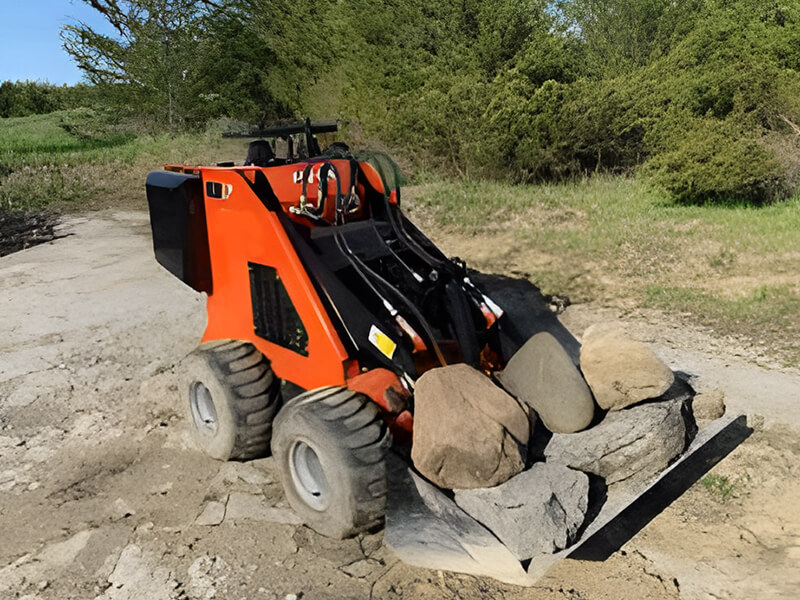
Wheel loaders are some of common and versatile machines used on construction sites, farms, and in mining operations. Known for their efficiency and reliability, these machines are designed to handle heavy loads and make material handling fast and easy. Let’s take a closer look at wheel loader's main functions and advantages.
The primary job of a wheel loader is to load, carry, and move materials. With their large front-mounted buckets, wheel loaders can scoop up materials like gravel, sand, soil, or debris and transport them over short distances. They are often used to load trucks, move materials across job sites, or clear debris from an area.
In addition to loading and carrying, some wheel loaders can perform light digging tasks, such as leveling ground or digging shallow holes. However, their digging capacity is limited compared to other equipment like excavators.
Wheel loaders offer many benefits, making them one of the most practical choices for material handling:
Mobility and speed: Wheel loaders can move quickly across job sites and cover ground faster than other machines like tracked excavators. This reduces the time needed to transport materials.
Various bucket capacities available: Wheel loaders come with various bucket sizes that can handle large volumes of material. The bucket capacity can range from smaller options for light-duty tasks to large buckets for handling heavy materials in mining or industrial operations.
Versatility with attachments: While wheel loaders are commonly used with a bucket, they can also be equipped with various attachments, such as forks for lifting pallets, grapples for handling logs, or snow plows for clearing roads. This versatility makes them useful in many industries.
Durable tires: The large, durable tires of a wheel loader are designed for stability and traction. While most are built for hard, flat surfaces like construction sites or roads, some models have specialized tires for off-road or rough terrains.
Ease of use: Wheel loaders are relatively easy to operate, with simple controls and efficient handling. Operators often find them more user-friendly compared to other heavy equipment.
High productivity: With their ability to carry large loads in one trip and their fast cycle times (loading and unloading), wheel loaders are excellent for jobs requiring bulk material handling.
While wheel loaders are highly effective, they do have limitations:
Limited digging depth and reach:Wheel loaders are not designed for deep digging or reaching far into trenches. They can only perform surface-level or shallow digging tasks, so they are not as precise or capable as excavators for earthmoving jobs.
Difficulty on soft or uneven ground: Although wheel loaders perform well on hard, flat surfaces, they can struggle on very soft soils, muddy terrains, or steep inclines because they rely on their tires for traction. For such conditions, tracked machines like excavators might be a better choice.
Bulkier size: Wheel loaders require a bit more space to operate effectively, which can be a disadvantage in smaller or highly congested work areas.
Wheel loaders are essential tools for material handling, offering speed, mobility, and versatility. They are perfect for projects that involve loading, carrying, and clearing tasks, and with the right attachments, they can take on even more jobs. However, it’s important to consider their limitations, such as their inability to perform deep digging and their reduced performance on uneven or soft ground.
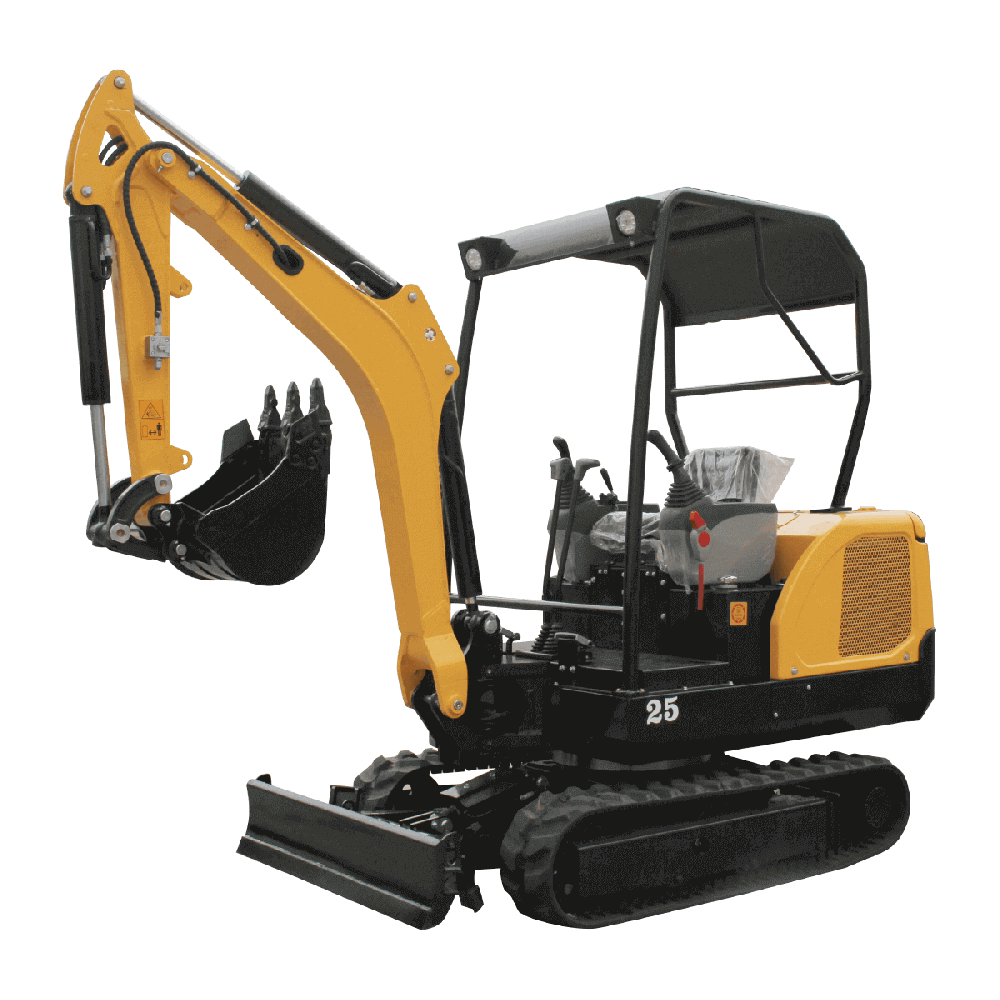
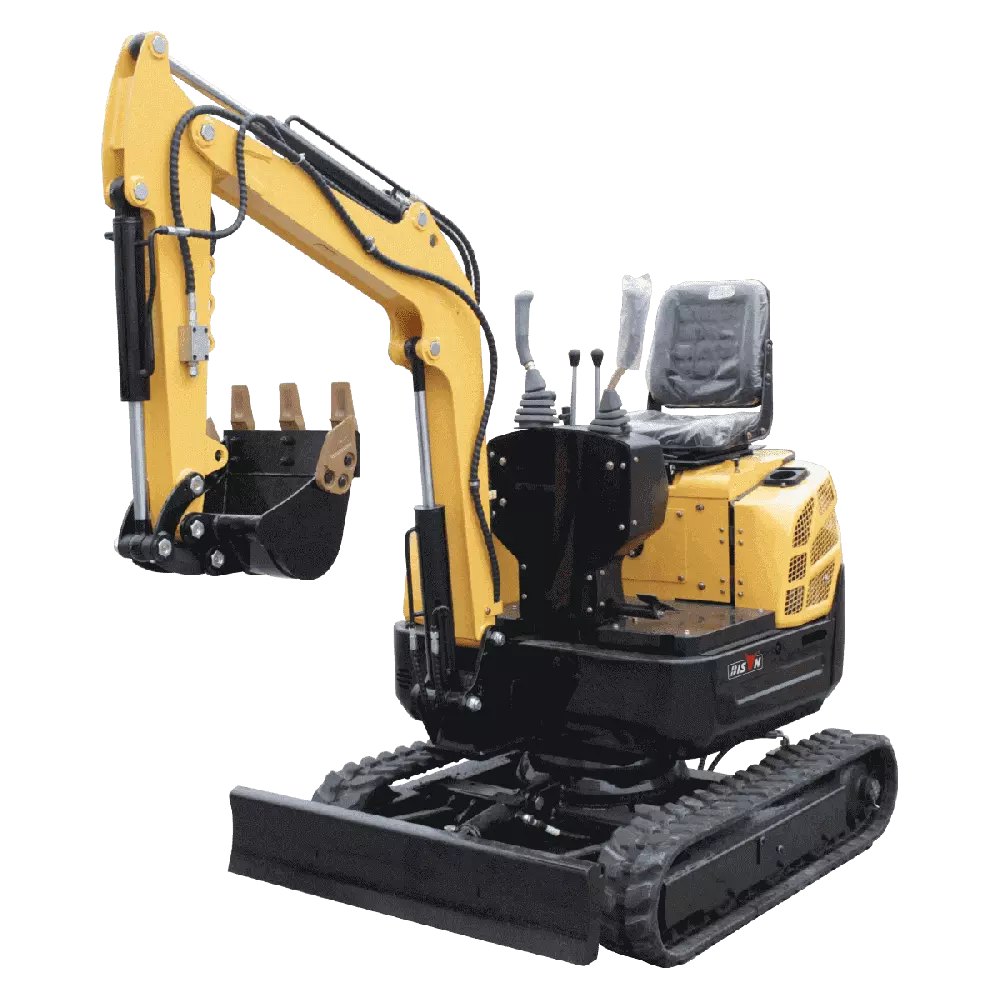
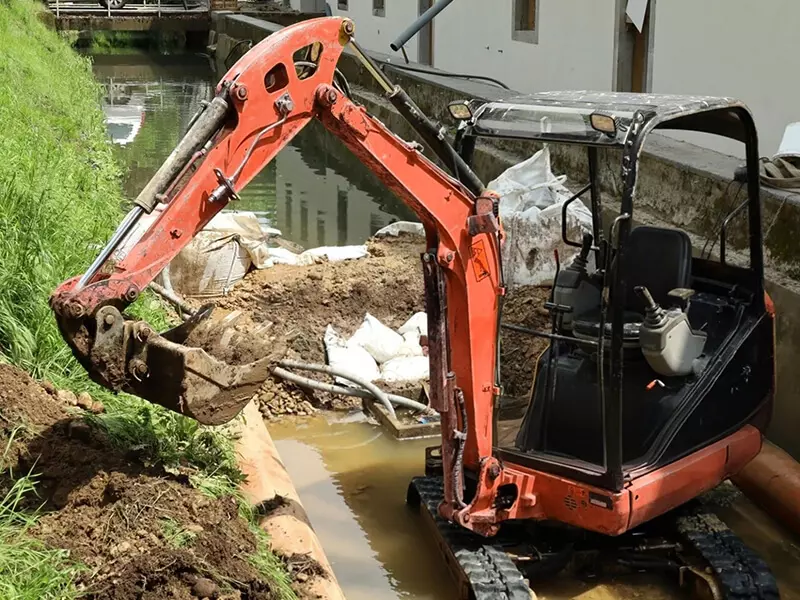
Excavators are some of the most important heavy machines used on construction sites, in mining, and for many other industries. These powerful machines are perfect for digging, trenching, demolition, and moving materials. With their ability to handle tough jobs, excavators are a go-to choice for many projects. Here’s an overview of their functions, types, and how they stand out.
Excavators are best known for their ability to dig and trench. The machine’s arm and bucket are designed to dig deep into the ground, creating trenches for pipes, foundations, or other purposes. They're also used for demolition, where the arm and attachments can break down old buildings or structures.
In addition to digging and demolishing, excavators are great for material handling, as they can lift and move heavy objects like rocks, logs, or debris. With the right attachment, they can even perform tasks like grading, crushing, or drilling.
Standard excavators: These are medium to large-size machines used for most general construction and digging jobs.
Long-reach excavators: These have extended arms and booms, making them ideal for reaching far into trenches or over obstacles.
Compact (mini) excavators: These smaller machines are perfect for tight spaces or lighter tasks in landscaping, urban construction, or small-scale projects.
Excavators are essential because of their distinct benefits, including:
Strong digging power: Excavators are built for heavy digging, capable of breaking through tough soil, rocks, and even concrete. Their power makes them a top choice for demanding excavation tasks.
Stability on rough ground: Most excavators run on wide, sturdy tracks, which provide excellent balance and prevent the machine from tipping over, even when working on slopes or uneven surfaces.
360-degree rotation: The ability to rotate the cab and arm in any direction makes excavators extremely efficient. Operators don’t need to reposition the entire machine often to dig and place materials, saving time and effort.
Versatility with attachments: The bucket is the main tool for digging, but by replacing the bucket with other attachments,excavators can handle various jobs, such as crushing concrete, drilling holes, or clearing debris, making them a truly multi-purpose machine.
Slower movement: Designed for control and precision rather than speed, which can slow relocation across sites.
Higher operating costs: Fuel use and regular maintenance can increase long-term expenses.
More complex controls: Operating the boom, arm, and attachments requires training and experience, unlike simpler equipment.
Excavators are powerful and versatile machines designed to handle heavy-duty digging. Their key features, like tracks for stability, a 360-degree rotating cab, and a range of attachment options, make them indispensable for many tasks. While they may be slower and cost more to operate, their ability to take on tough jobs with precision and efficiency ensures they are worth the investment.
Both wheel loaders and excavators are powerful machines, but they are designed for different tasks. Ahough wheel loaders are capable of light digging, their primary role is loading and moving. Wheel loaders are ideal for moving materials quickly around a job site. Their large buckets can carry more at once, making them efficient for transporting soil, gravel, or debris.
Excavators are purpose-built for digging, trenching and precision work. Their 360-degree rotating cab offers excellent maneuverability, especially in tight spaces or complex terrains. However, their smaller buckets mean they move less material per load.
Overall, while wheel loaders are fast and efficient for transport, excavators provide unmatched versatility and control in confined or hard-to-reach areas.
When deciding whether to use a wheel loader or an excavator for your project, also consider several key factors.
The nature of the work and ground conditions will greatly influence your choice.
Choose a Wheel Loader If:
You need to move large amounts of material, such as sand, gravel, or soil, across smooth, solid surfaces.
You want to load or stockpile materials quickly.
The terrain is flat, firm, or paved.
Choose an Excavator If:
Your task involves deep or precise digging (e.g., trenches, basements, drainage systems).
The terrain is uneven, muddy, or steep, where tracks offer better traction and stability.
The project includes demolition or heavy lifting, requiring strong hydraulic power.
The scope and duration of your project can determine the better machine.
Short-term Jobs: Wheel loaders are ideal for quick, simple tasks like clearing debris or moving materials, thanks to their speed and ease of use.
Long-term or complex jobs: Excavators are better for extended projects requiring precision, such as foundation digging or demolition, due to their versatility and attachment options.
Dumping capacity affects material placement efficiency.
Excavators: Higher dump height and better operator visibility improve material placement accuracy.
Wheel loaders: Lower dump height but still sufficient for loading bins or trucks. May require more care when dumping.
Costs vary and should influence your decision.
Purchase: Excavators generally have higher upfront costs due to advanced hydraulics. Wheel loaders are more affordable.
Operation: Wheel loaders are typically more fuel-efficient for fast, repetitive tasks. Excavators may consume more fuel during intensive digging or demolition.
Maintenance: Excavators often incur higher maintenance, especially with heavy-duty attachments. Wheel loaders are simpler and cheaper to maintain.
Choose a wheel loader for basic handling on a tight budget. Opt for an excavator when precision or specialized functions are critical.
Operator experience can affect machine productivity.
Wheel loaders: Easier to operate with intuitive controls—ideal for less experienced operators.
Excavators: Require skilled operation for managing boom, stick, and bucket in tight or uneven conditions.
The “right” machine depends on your project needs. By evaluating project type, terrain, job duration, dump height, budget, and operator skill, you can select the most efficient and cost-effective equipment for your site.
These machines often work together—excavators dig and break ground, while wheel loaders haul material away. This combination boosts efficiency and keeps projects moving smoothly.
As a professional wheel loader and excavator manufacturer in China, BISON offer high-quality construction equipment tailored to your needs. Whether you require speed for material handling or precision for digging, our durable and reliable machines are built to support your success.
Contact us today to learn more about our full range of wheel loaders and excavators. Let us help you build smarter, faster, and stronger with industry-leading equipment.
inquiry form here
BISON BLOG, All the latest news and views from Bison Machinery.
what's hot?
Related Articles
what is the life expectancy of a compact track loader mini excavator sizes: choosing the right size for your project how to change the bucket of a mini excavator large excavators vs mini excavators what equipment do you use for demolition?Related Products