15Jun 2026
table of contents
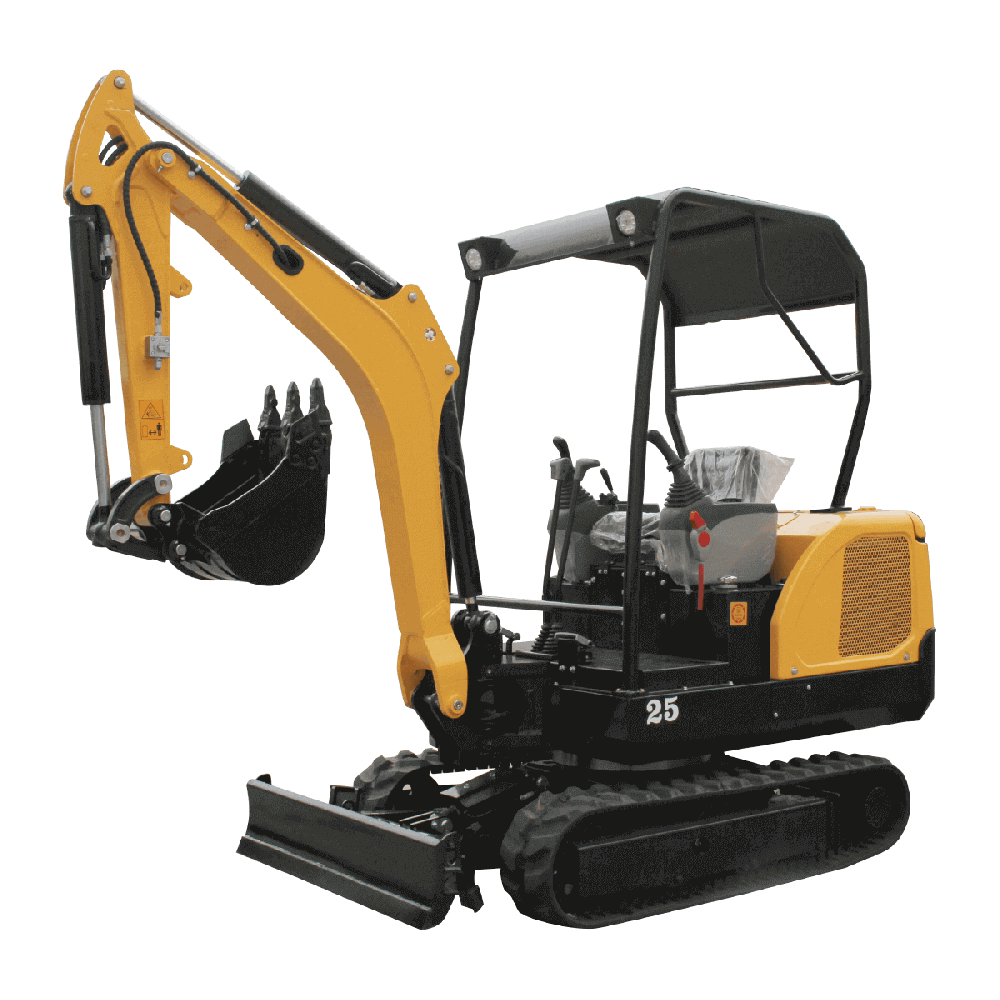
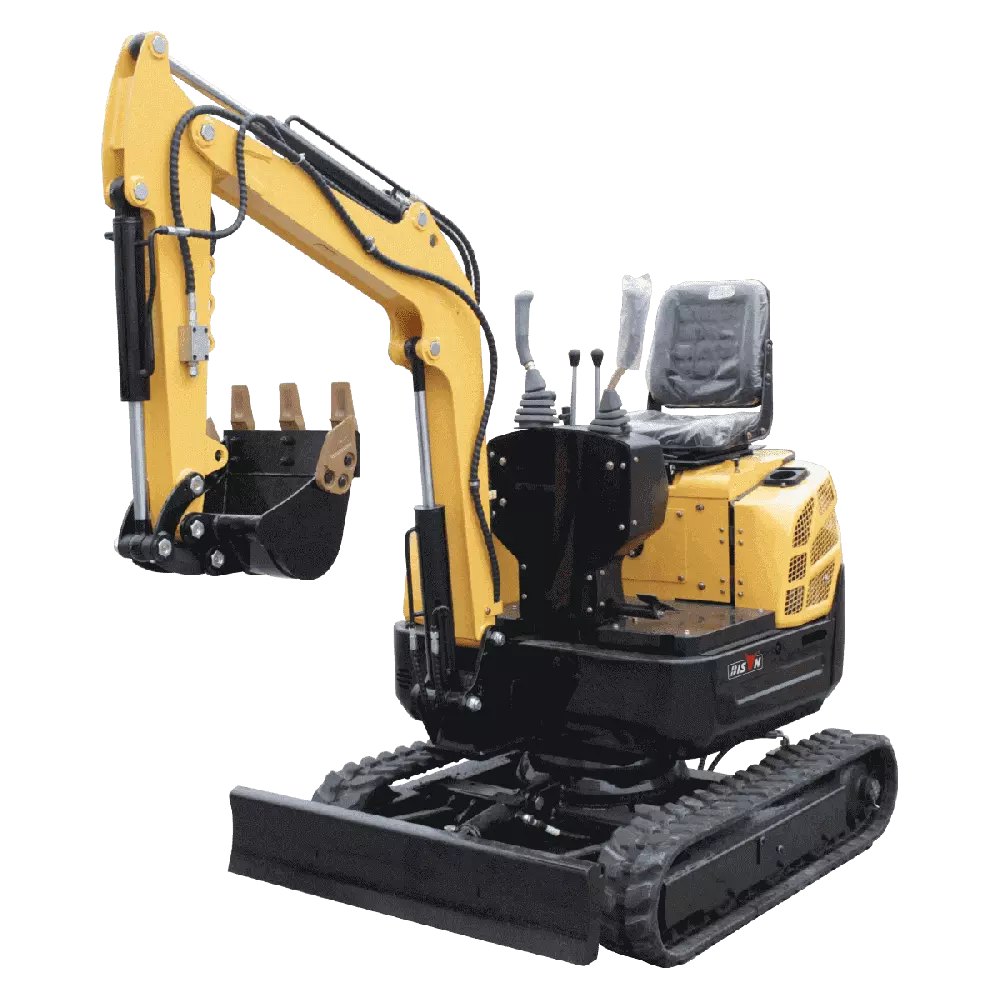
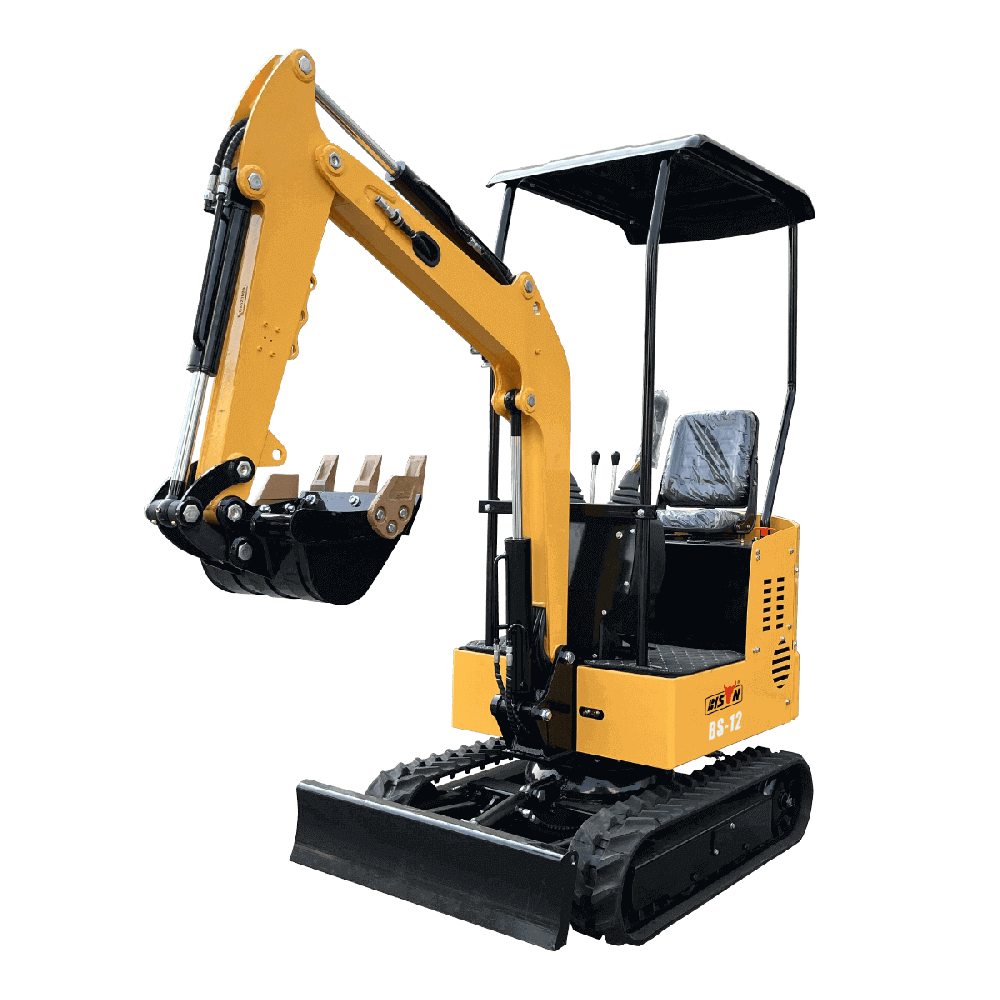
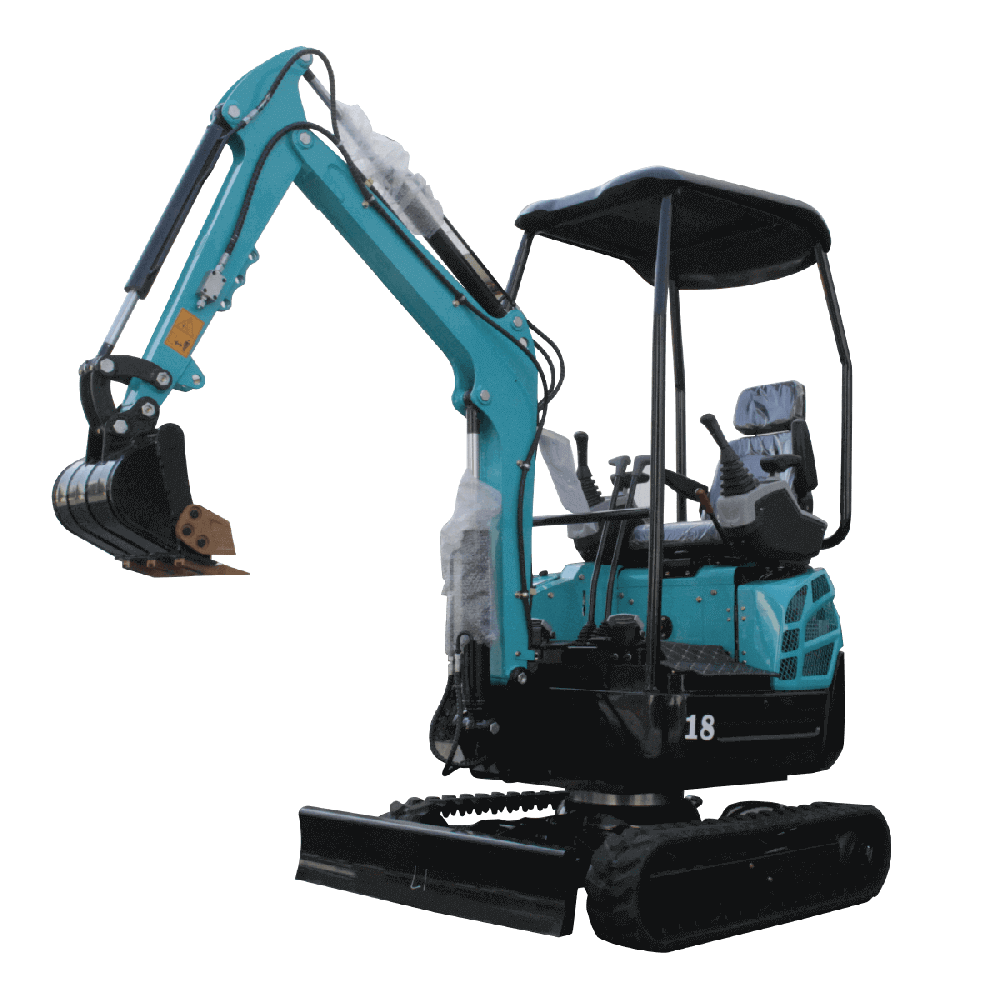
When planning a backyard project or small construction job, having the right equipment makes all the difference. A mini excavator, also known as a compact excavator, is a small but powerful machine designed for digging, lifting, and moving soil or materials in tight spaces where larger machines cannot fit. These machines are widely used for construction, landscaping, and small-scale excavation projects because their compact design allows them to work efficiently while still providing strong digging performance.
Choosing the correct size is important for efficiency, cost-effectiveness, and safety. A machine that is too small may take longer to complete the work, while one that is too large can be difficult to control and may damage the property. Using the wrong size can also lead to delays, higher fuel costs, and unnecessary wear.
This guide will help you understand the different mini excavator sizes and selecting the right machine for your project. With BISON, a trusted professional excavator brand, you can find the ideal machine to make your work faster, safer, and easier.
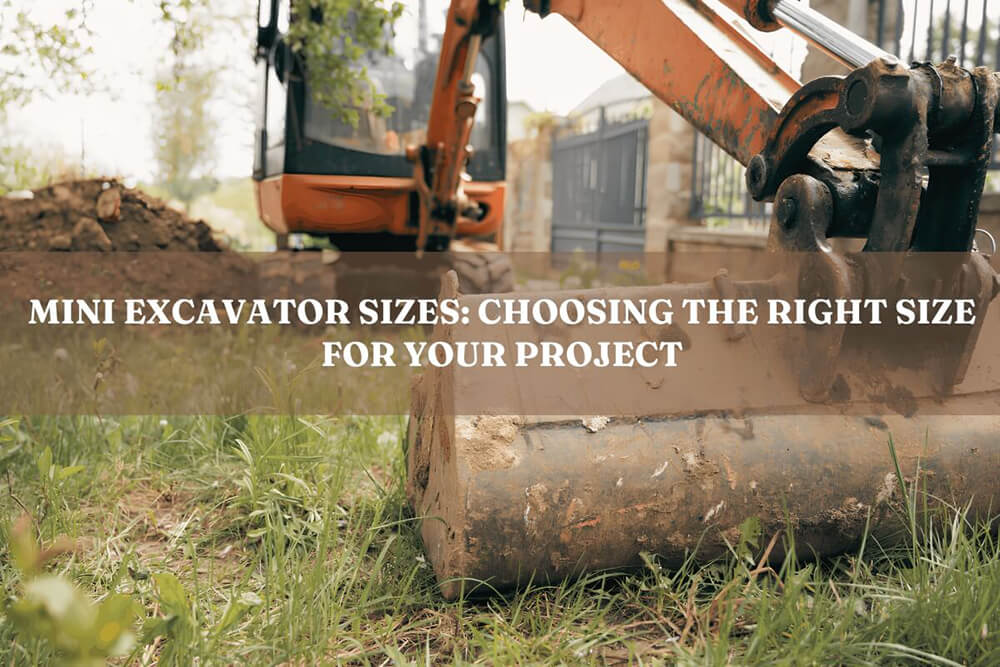
Mini excavators come in different sizes, with each category designed for specific project requirements and site conditions. While the wrong size can slow progress, increase fuel consumption, and cause unnecessary machine wear.
1–2 ton excavators provide a balance between compact size and digging power. These machines offer strong maneuverability and moderate lifting capacity for a variety of projects.
2–3 ton excavators provide greater digging depth and larger bucket capacity. Their additional power allows them to perform efficiently in tougher soil conditions while still operating in moderately tight spaces.
3–4 ton excavators offer improved stability and lifting capacity. These machines maintain good mobility while handling heavier workloads.
4–6 ton excavators are the largest mini excavators and provide the highest digging force among compact models. They can handle heavy attachments, hard ground conditions, and larger project areas.
Before selecting a mini excavator, it is important to understand the overall project scope. Evaluating factors such as work area size, soil conditions, digging depth, and project duration can help you choose the most suitable machine. Selecting the wrong machine may lead to delays, higher fuel consumption, and unnecessary equipment wear.
Area size: The size of the job site affects the type of mini excavator required. Tight or confined areas, such as urban locations or small yards, are better suited for smaller and more maneuverable machines. Larger and more open sites can accommodate heavier excavators.
Digging depth: Different projects require different digging depths. Shallow landscaping or trenching work may only need a sub-1 ton or 1–2 ton excavator. Projects involving deep foundations, pipelines, or utility installation often require 2–6 ton models to achieve the necessary depth.
Soil type: Soil conditions are an important factor when choosing a mini excavator. Soft soil or sand can usually be handled by lighter machines, while rocky or compacted ground requires more powerful excavators with greater digging and lifting capacity.
Project duration: Project length can also influence excavator selection. Short-term or small-scale jobs may only require a compact and fuel-efficient machine. Longer projects often benefit from larger and more durable excavators that can maintain productivity and reduce downtime.
Landscaping projects: For landscaping tasks such as digging flower beds, garden areas, or small ponds, smaller machines are often the best choice. Mini excavators in the 1–2 ton range provide precise control, easy maneuverability, and minimal impact on the surrounding terrain. Their compact size also allows them to work around trees, fences, and other obstacles.
Residential construction: Projects such as foundation excavation, driveway preparation, and small-scale demolition require greater digging power. Mini excavators in the 2–4 ton range are suitable for these tasks because they combine strong performance with the ability to operate in tight residential spaces. Their versatility also supports grading, trenching, and lifting work.
Commercial projects: Medium-duty commercial construction, utility installation, and road repair projects often require larger and more powerful machines. Mini excavators in the 4–6 ton range provide higher lifting capacity, deeper digging ability, and support for larger attachments. These machines are effective for larger job sites while maintaining stability and safety.
Utility installation: Utility work, such as installing pipes or cables, requires both precision and adequate reach. Mini excavators in the 2–4 ton range are commonly used because they offer a balance of digging power and maneuverability, allowing efficient operation in confined trenches and urban environments.
Demolition work: For light demolition tasks, mini excavators equipped with breakers or grapples can handle small structures, walls, and concrete slabs. Machines in the 3–6 ton range are suitable for heavier demolition work, while smaller models are better for delicate or interior demolition projects.
Matching the mini excavator size to the project helps improve efficiency, reduce costs, and maintain safety and precision on the job. With BISON mini excavators available in different sizes, you can choose the right machine for a wide range of applications.
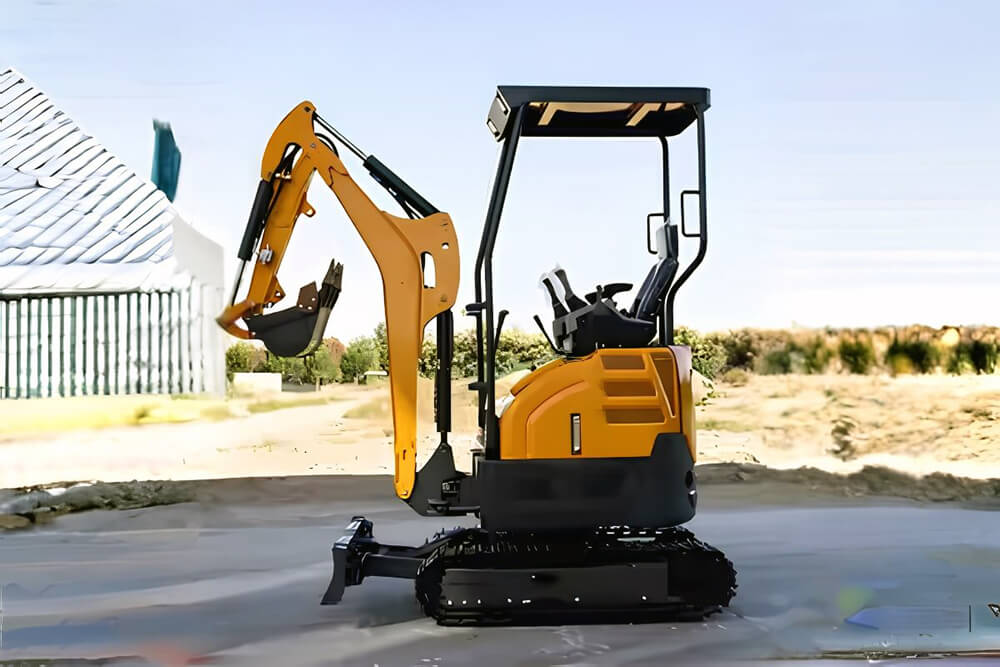
Site access is an important factor when choosing the right mini excavator.
Ground conditions: Ground conditions also affect machine accessibility. Paved surfaces or delicate terrain are better suited for rubber-tracked excavators because they reduce surface damage. Steel tracks provide better traction and stability on rough terrain. Choosing the right track type helps improve safety and prevent slippage.
Obstacles: Sites with obstacles such as trees, walls, utility lines, or low structures require careful machine selection. Mini excavators with zero or minimal tail swing are better suited for working in these conditions, allowing operators to excavate safely while reducing the risk of damage to the surrounding area.
The performance of a mini excavator also depends on its digging reach and depth. Choosing the right reach and digging depth helps the machine handle the workload efficiently without frequent repositioning or overextension, improving both safety and productivity.
Maximum digging depth: Each mini excavator is designed with a specific maximum digging depth. Smaller excavators are suitable for shallow landscaping, light trenching, and minor grading work. Deeper excavation projects, such as foundation work or large utility installations, often require 2–6 ton models with greater reach and lifting capacity.
Arm and boom reach: The arm and boom determine how far the excavator can extend without moving the machine base. A longer reach reduces the need for repositioning, improving efficiency on larger job sites. Choosing a model with sufficient reach can help minimize downtime and increase productivity.
Bucket size: Bucket size affects how much material can be moved with each scoop. Smaller excavator buckets are better for precise work in tight spaces, while larger buckets improve efficiency when handling bigger loads. It is important to ensure the excavator's hydraulic system can support the selected bucket size without reducing performance.
The operating weight of a mini excavator affects its stability, lifting capacity, and ability to handle different attachments. Choosing the right weight helps ensure safe operation without tipping or causing unnecessary ground damage. Weight restrictions on roads or bridges may also influence machine selection.
Light machines: Sub-1 ton and 1–2 ton excavators are lightweight and highly maneuverable. Their lower weight reduces ground impact but also limits digging force and lifting capacity.
Medium machines: 2–3 ton excavators provide a balance between weight and performance. They are commonly used for residential construction, utility installation, and light commercial projects. These machines offer better stability than smaller models.
Heavy machines: 3–6 ton excavators are heavier and provide greater stability, lifting capacity, and digging force. However, they must be operated carefully on soft ground to avoid surface damage.
Heavier excavators generally provide better stability, especially when lifting heavy loads or operating at maximum reach.
Transporting and storing a mini excavator are important factors for maintaining an efficient project workflow. Proper planning helps avoid logistical issues and keeps the machine safe when not in use.
Transport access: Transport access to the site should also be considered. Narrow roads, low bridges, and other restrictions may limit the size of the excavator that can be delivered. Compact excavators that fit easily on a trailer simplify transportation and site logistics.
Storage space: Storage space on the job site is another important consideration. Smaller excavators are easier to store without interrupting ongoing work. Proper storage also helps protect the equipment from weather, theft, and accidental damage.
Operator experience and comfort play an important role in both safety and performance. Choosing a machine that matches the operator's skill level can help reduce fatigue and lower the risk of accidents.
Beginner-friendly machines: Smaller excavators are generally easier for new operators to control. Sub-1 ton and 1–2 ton models are suitable for learning basic digging and maneuvering skills.
Advanced operators: Larger mini excavators require greater operating skill. Machines in the 3–6 ton range provide increased reach and lifting capacity but must be handled carefully to maintain safety and stability.
Comfort features: Features such as adjustable seats, joystick controls, and clear visibility improve operator comfort and productivity. A comfortable operator can work more efficiently while reducing fatigue and operating errors.
Choosing the wrong mini excavator size can reduce efficiency and create safety risks. Avoiding these common mistakes helps ensure smooth project execution.
Choosing a machine that is too small: A machine that is too small may slow down work, struggle in hard soil, and become less efficient under heavy loads.
Choosing a machine that is too large: Oversized excavators can limit maneuverability, increase fuel consumption, and may not fit properly in tight work areas.
Ignoring site conditions: Failing to consider soil type, obstacles, and space limitations can lead to poor performance and operational inefficiencies.
Ignoring operator skill: Using a machine that does not match the operator's experience can increase the risk of accidents and equipment damage.
Ignoring transport and storage: Not planning for transport and storage requirements can create logistical difficulties and delay project progress.
By considering factors such as site conditions, transport, digging reach and depth, and operating weight and stability, you can select a mini excavator that truly fits your project needs beyond just size.
The best mini excavator is not only about power but also about matching project scope, site access, excavation depth, transport requirements, and operator skill. Proper mini excavator sizing improves durability, productivity, and overall project stability, making work smoother from start to finish.
For the best results, consult a reputable mini excavator equipment supplier such as BISON to get expert guidance and select the mini excavator that best suits your project needs.
inquiry form here
BISON BLOG, All the latest news and views from Bison Machinery.
what's hot?
Related Articles
mini excavator sizes: choosing the right size for your project how to change the bucket of a mini excavator large excavators vs mini excavators what equipment do you use for demolition? common questions about excavator hydraulic systemsRelated Products