25May 2026
table of contents
The site plan presents a common dilemma: you need strong breakout force to meet your earthmoving deadline, but tight property lines require a compact machine. Excavators are essential in construction, landscaping, and infrastructure projects, performing tasks such as digging, lifting, grading, and material handling. Choosing the right excavator is important for efficiency, cost control, and safety. Using the wrong machine can damage the surrounding area or increase costs due to inefficient performance.
Large and mini excavators serve different purposes. While both can dig and move materials, they differ in size, capability, and ideal use. Besides, operating weight affects transportability and site access, which can create logistical challenges and delay work.
Understanding the differences between large excavators and mini excavators, can helps contractors, builders, and homeowners select the most suitable machine. Matching equipment specifications with site conditions maximizes return on investment.
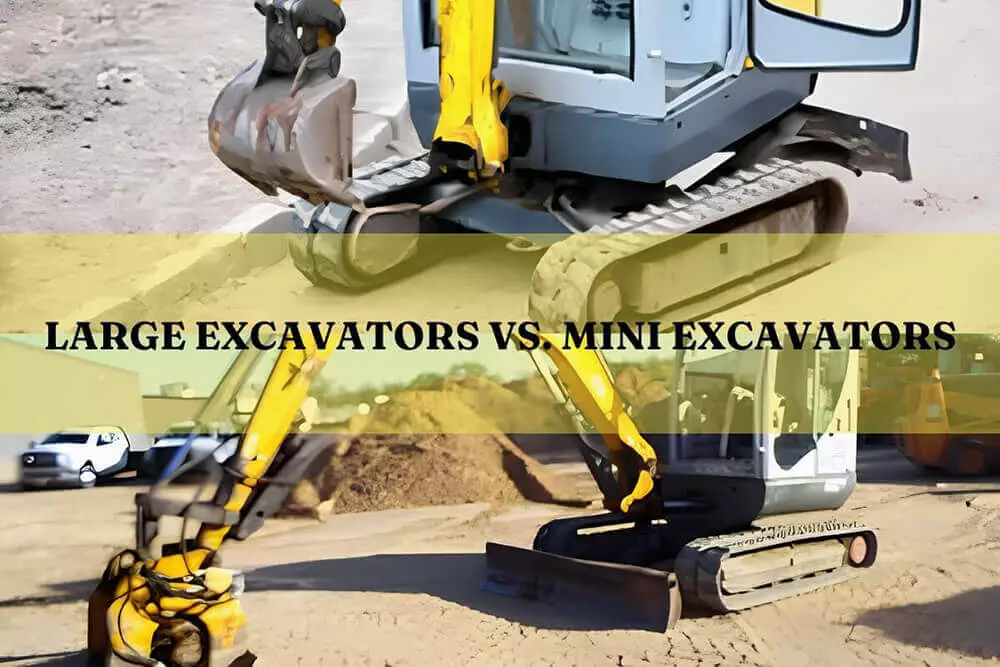
Large excavators are heavy-duty machines designed for large-scale projects. They provide powerful performance, high productivity, strong breakout force, and deep digging capabilities, typically starting at 20 metric tons.
Large excavators are built for durability and stability. They feature reinforced booms, arms, and undercarriages, along with high-capacity hydraulic systems. High-power diesel engines, usually ranging from 200 to 900 horsepower, support heavy lifting and deep digging. Wide, sturdy tracks and additional counterweights help maintain balance, even on uneven terrain.
Digging depth: Large excavators can dig up to 30 feet or more, making them suitable for deep foundations, trenching, and large-scale earthmoving.
Reach: Extended booms and arms allow them to reach farther, making material transfer more efficient.
Load capacity: Their large buckets can carry several cubic meters of material, reducing the number of work cycles.
Hydraulic power: Advanced hydraulic systems provide precise control, fast operation, and efficient material handling in challenging conditions.
Large excavators are used in construction, mining, demolition, and earthmoving due to their power and durability.
Large-scale construction projects: They are used for highways, bridges, and commercial buildings, handling deep foundations, trenching, grading, and large-volume soil movement.
Mining and quarrying: They remove overburden, extract minerals, break rock layers, and load materials into trucks or conveyors.
Demolition work: They dismantle structures, remove debris, and crush reinforced concrete using specialized attachments.
Earthmoving and site preparation: They level terrain, excavate large areas, and move significant amounts of soil and rock.
Material handling and loading: They lift and transport heavy materials such as logs, rocks, and debris, and assist in sorting and loading operations.
Utility and pipeline installation: They dig trenches for pipelines, sewer systems, and electrical conduits with consistent depth and efficiency.
Large excavators offer high performance and efficiency for heavy-duty projects.
High productivity: They move large volumes of material quickly, reducing project timelines.
Deep digging and extended reach: They can access deeper and harder-to-reach areas.
Heavy lifting capacity: They handle extremely heavy materials, reducing the need for additional equipment.
Versatility with attachments: They support various attachments for tasks such as demolition, drilling, and material handling.
Stability and durability: Their robust structure ensures stability and long-term use in harsh conditions.
Efficiency in bulk operations: They complete tasks with fewer cycles, improving fuel efficiency and productivity.
Suitable for heavy infrastructure projects: They are ideal for projects requiring power, precision, and speed.
High purchase and operating costs: They require significant investment and have high fuel and maintenance expenses.
Limited maneuverability: Their size makes them difficult to operate in confined or urban areas.
Transportation challenges: They require specialized transport and permits, increasing logistical complexity.
Site requirements: They need stable, open ground for safe operation.
Operator skill requirements: They require trained operators to ensure safe and efficient use.
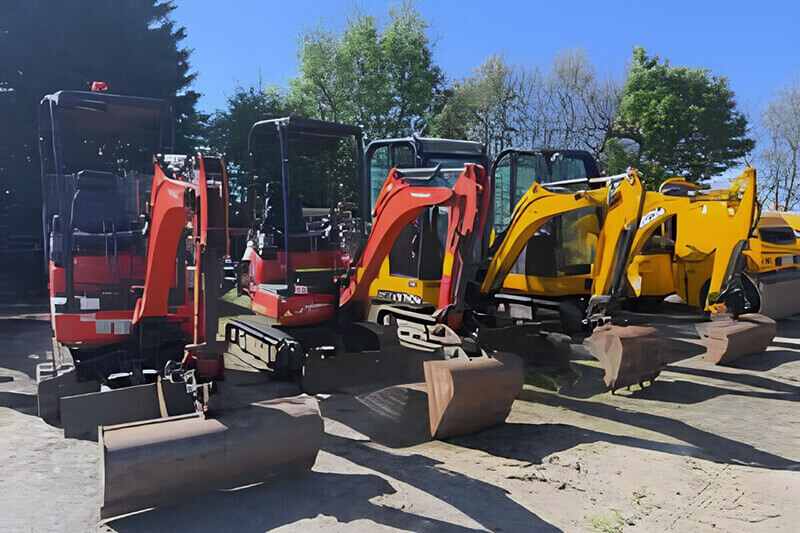
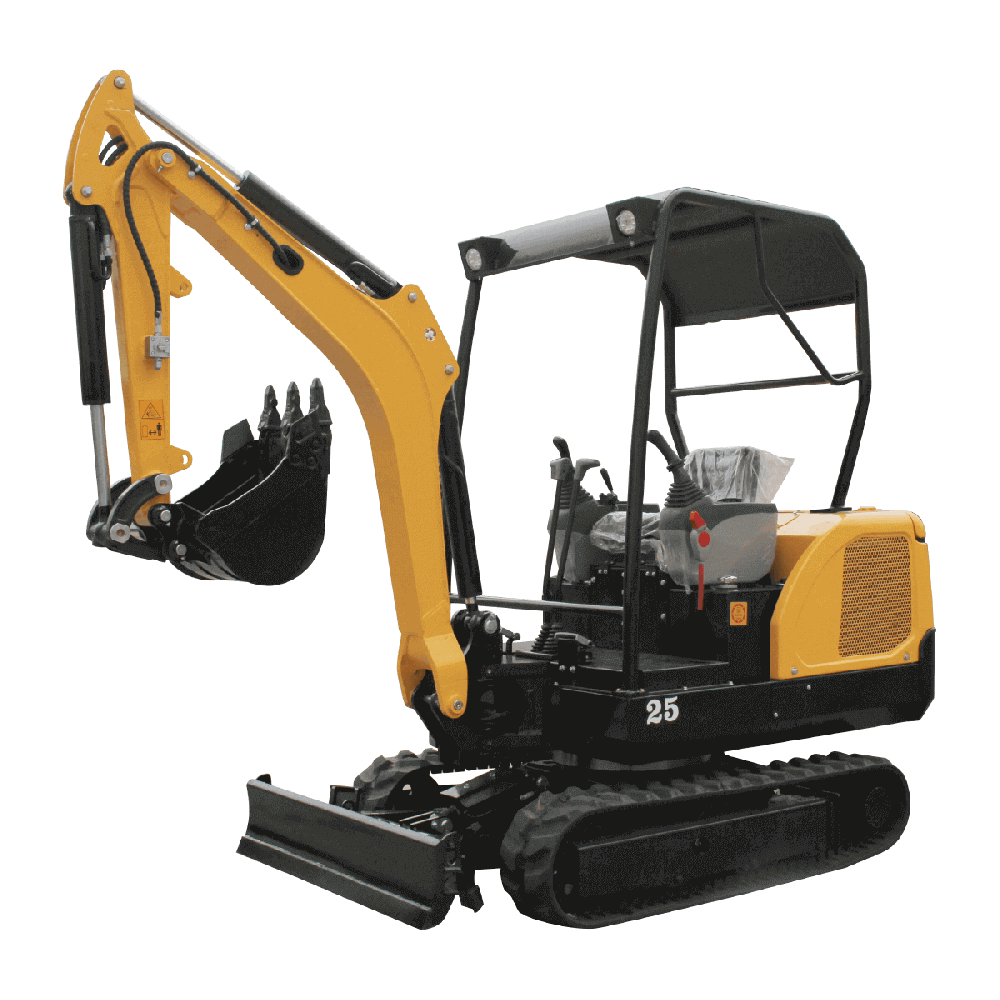
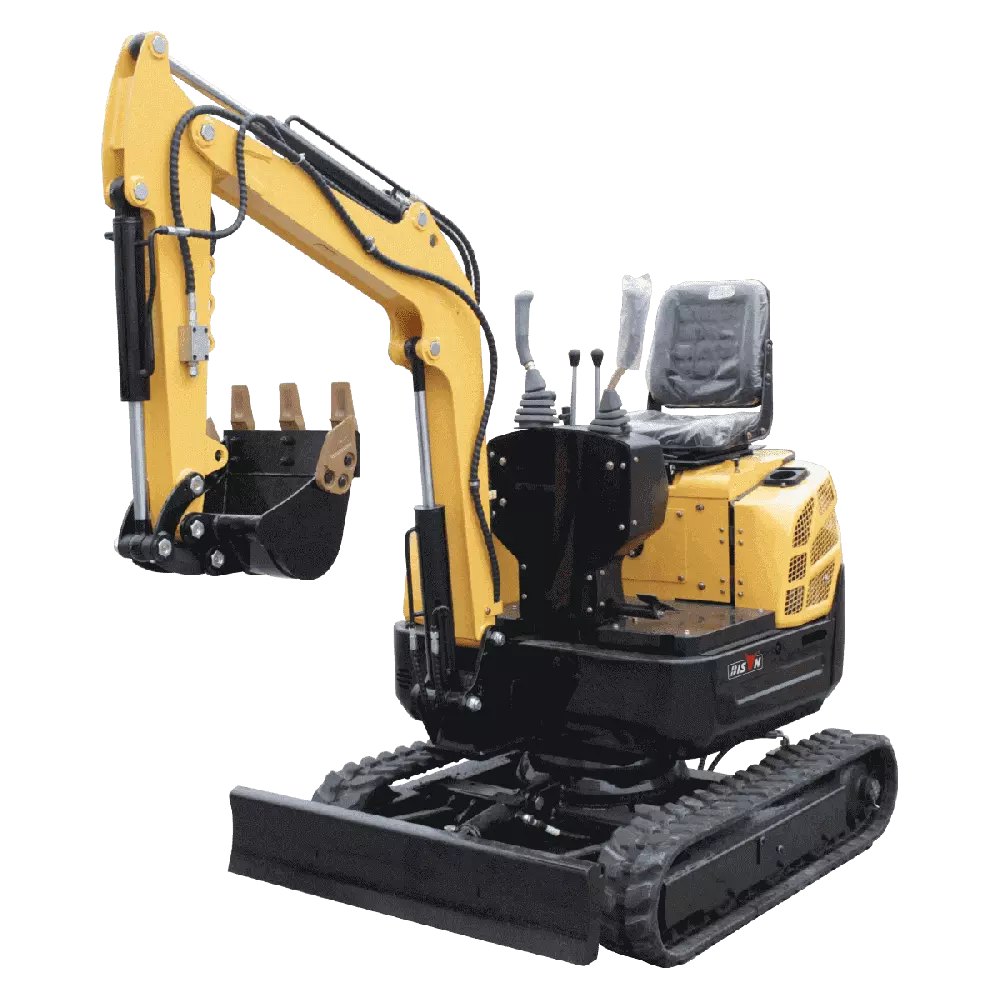
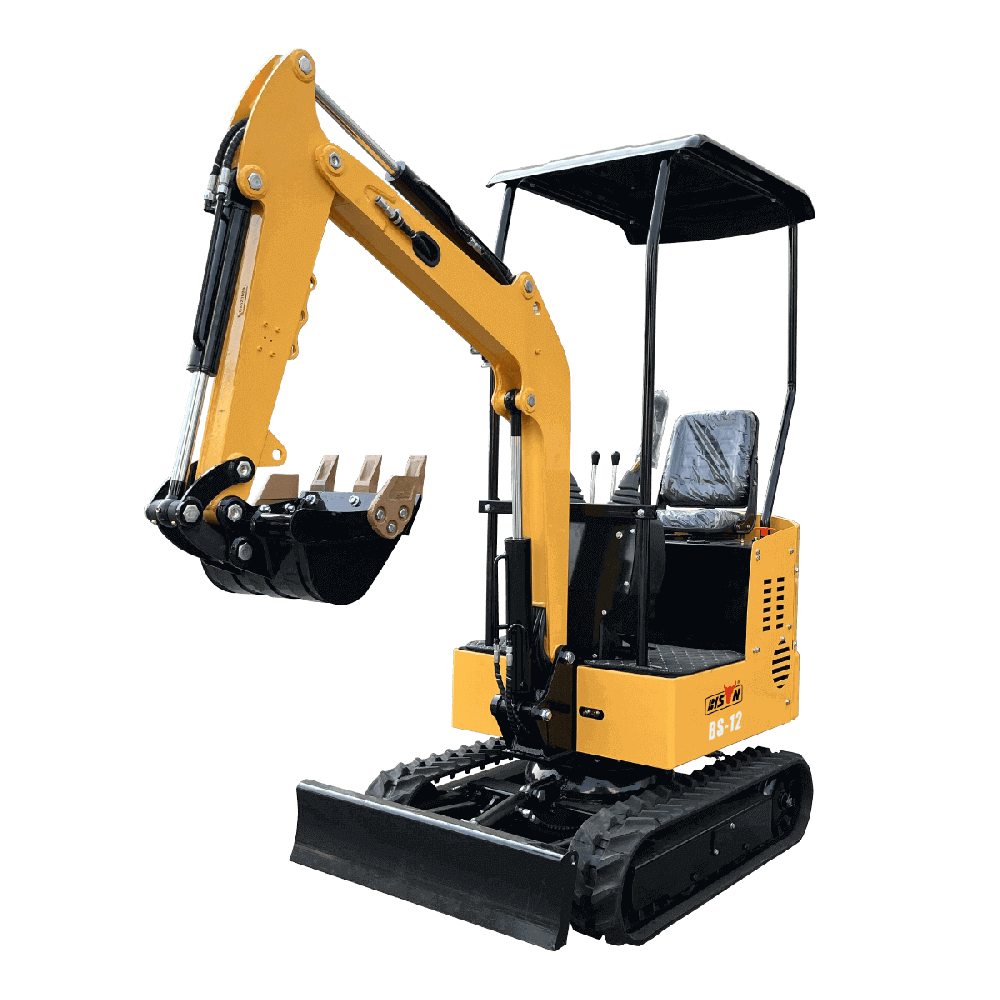
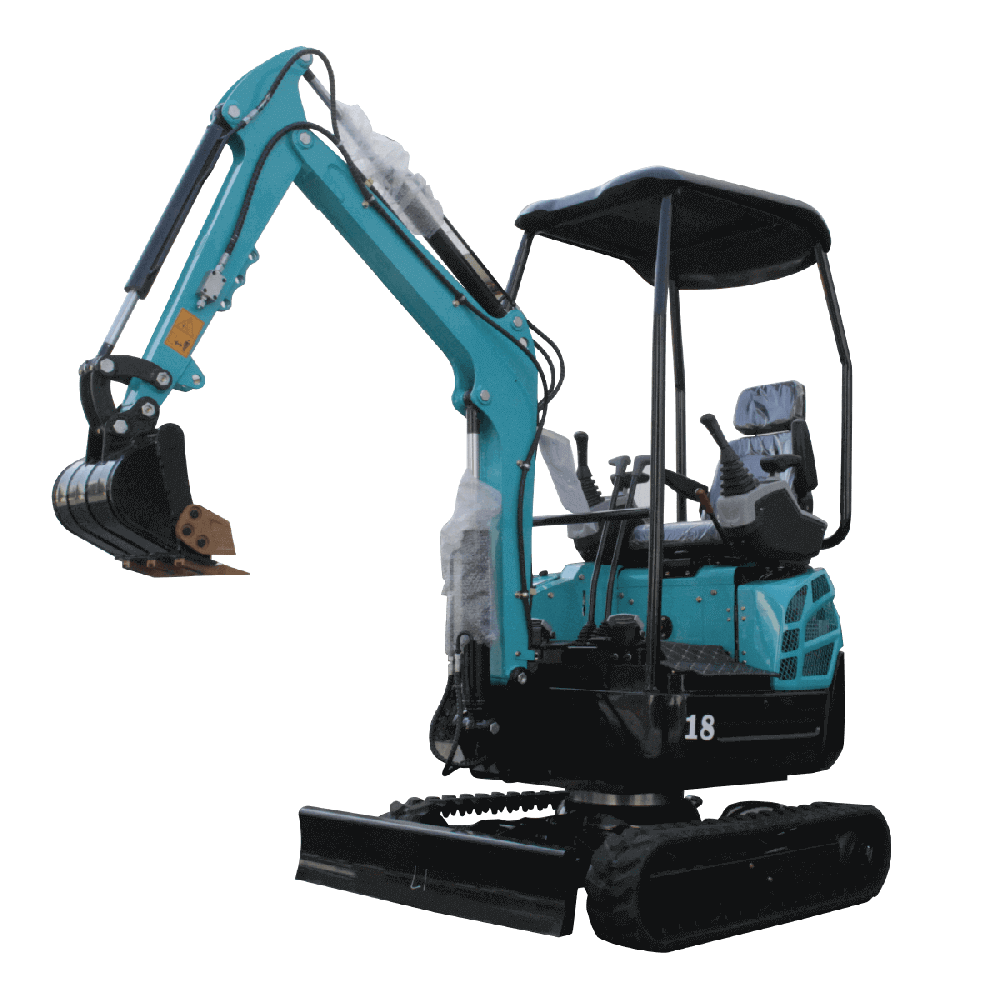
Mini excavators are compact machines designed for small-scale projects, they focus on precision and accessibility rather than lifting power, while still offering strong versatility.
Mini excavators are lightweight and compact, usually ranging from 0.8 to 6 metric tons. Retractable undercarriages allow them to pass through narrow spaces, while quick-coupler hydraulic systems make attachment changes efficient. Their narrow tracks or wheels enable operation on soft ground and in confined areas with minimal surface damage.
Digging depth: Mini excavators can dig between 6 and 12 feet.
Reach: Short booms and arms provide better control and precision in tight spaces.
Load capacity: Smaller buckets handle moderate material volumes, requiring more cycles for larger tasks.
Maneuverability: Their compact size allows them to operate in narrow job sites such as indoors, basements.
Residential landscaping: They are used for tasks such as digging ponds, planting trees, safely operating in small yards.
Utility work: They install water pipes, sewer systems, and electrical conduits by digging trenches in narrow or restricted areas.
Small-scale construction projects: They are suitable for building patios, retaining walls, small foundations, and driveways, offering a balance of power and precision.
Indoor or confined space excavation: They can operate in basements and interior spaces due to their compact size and easy mobility.
Light demolition work: They handle small demolition tasks such as breaking concrete slabs and removing minor structures, especially with attachments.
Drainage and landscaping trenches: They dig precise trenches for irrigation, drainage, and landscaping systems.
Snow and debris removal: They can clear snow, debris, and fallen materials in tight urban or residential spaces.
Compact size and maneuverability: They can operate in tight spaces and navigate narrow paths, reducing damage to surroundings.
Cost-effective operation: They have lower purchase and operating costs, with reduced fuel consumption.
Easy transportation: They can be transported using standard trailers, avoiding the need for specialized equipment.
Precision and control: They are ideal for detailed tasks requiring accuracy and minimal disturbance.
Versatility with attachments: They support various light attachments for excavation, demolition, and material handling.
Reduced site impact: They exert less ground pressure, minimizing soil damage and surface disruption.
Limited digging depth and reach: They cannot perform deep excavation or handle large-scale earthmoving tasks.
Small load capacity: They carry less material per cycle, increasing operation time for larger projects.
Low power: They are not suitable for heavy-duty demolition or handling extremely heavy materials.
Slow bulk operations: They are less efficient for large-scale tasks due to smaller size and capacity.
Limited heavy-duty attachment capability: They cannot support some heavy-duty attachments used in larger excavators, limiting their use in extreme applications.
Basic components: Both have booms, arms, buckets, cabs, hydraulic systems, and tracks or wheels.
Functionality: Both can dig, lift, and move materials efficiently.
Versatility: Both support attachments such as hammers, grapples, augers, and tilting buckets for different tasks.
Safety features: Both include ROPS/FOPS cabs, alarms, and emergency stops for operator safety.
Maintenance requirements: Both require regular inspection of hydraulics, tracks, and engines, along with lubrication, fluid checks, and cleaning to prevent breakdowns and extend service life.
Understanding the differences between large and mini excavators is important when selecting the right machine. While both perform similar tasks, they vary in size, power, and application.
Size and weight: Size affects transport, maneuverability, and site access. Large excavators exceed 20 tons and require specialized transport, while mini excavators are compact, usually under 6 tons, and can be towed more easily. Heavier machines create greater ground pressure, causing soil compaction, while mini excavators have a lighter footprint that protects surfaces.
Engine power: Engine power determines hydraulic performance. Large excavators have engines ranging from 200 to 900 horsepower, providing strong hydraulic flow for heavy-duty tasks. Mini excavators use smaller engines, typically 15 to 50 horsepower, focusing on fuel efficiency and light- to medium-duty work.
Digging depth and reach: Large excavators offer deeper digging and greater reach, often exceeding 30 feet, and generate strong breakout force for hard materials. Mini excavators have shorter arms and limited depth, usually 6 to 12 feet, making them suitable for shallow excavation and confined spaces.
Loading capacity: Large excavators have bigger buckets that move large volumes of material per cycle, improving efficiency. Mini excavators use smaller buckets, requiring more cycles to complete the same work.
Mobility and site access: Large excavators require more swing clearance and wide, stable areas, which have limited movement in tight spaces. Mini excavators, especially zero tail swing models, can rotate within their track width, are highly maneuverable and can operate in narrow, confined areas with minimal damage.
Cost: Large excavators involve high purchase, fuel, maintenance, and transport costs. Mini excavators are more affordable and cost-efficient for smaller projects.
Versatility: Both support attachments, but large excavators handle heavy-duty attachments for demanding tasks, while mini excavators are limited to lighter attachments.
Undercarriage and ground impact: Large excavators use steel tracks for durability in harsh conditions, while mini excavators often use rubber tracks that reduce surface damage and ground pressure.
Speed and productivity: Large excavators move more material per cycle, making them efficient for large-scale projects. Mini excavators are faster in small, precise movements and perform better in detailed tasks.
Operator comfort and safety: Large excavators have spacious, climate-controlled cabs with better visibility. Mini excavators have smaller cabs or canopies but still include modern controls and safety features suited to their size.
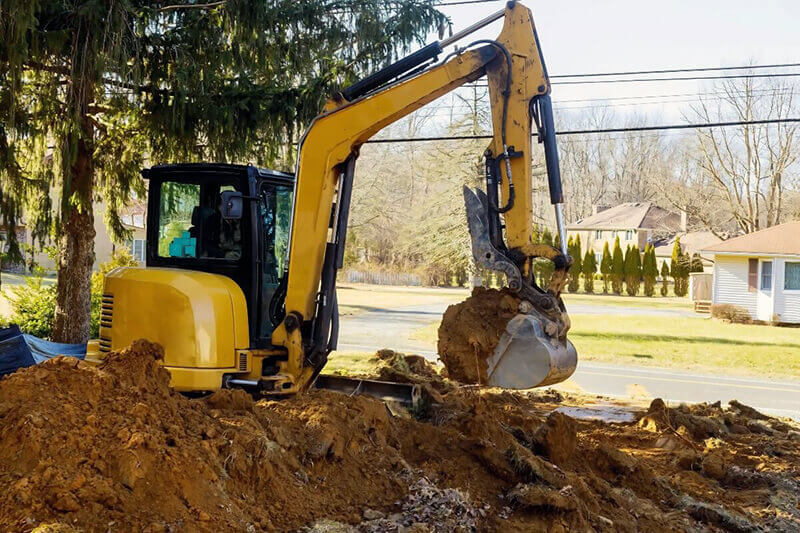
Project size: Match the machine to the project scope and material volume. Large excavators are suitable for commercial, infrastructure, and mining projects that require continuous, high-volume work and heavy lifting. Mini excavators are better for residential, landscaping, and small-scale construction, where precision and clean, narrow excavation are needed.
Site conditions: Evaluate the working environment first. Confined or urban spaces favor mini excavators, especially zero tail swing models. Large excavators perform best in open areas where there is enough space for movement and operation.
Budget considerations: Consider fuel, maintenance, and ownership costs. Large excavators require higher investment, fuel consumption, and maintenance expenses. Mini excavators are more cost-effective, consume less fuel, and are suitable for projects with limited budgets.
Transportation and access: Transport affects project timelines. Mini excavators can be moved easily using standard trailers, allowing faster deployment. Large excavators require specialized transport, permits, and additional planning, making relocation more complex.
Operator skills: Assess the skill level of operators. Mini excavators are easier to control and suitable for less experienced operators. Large excavators require trained and experienced operators for safe and efficient operation.
No. Mini excavators are limited in depth, reach, and load capacity, making them only suitable for small projects.
Large excavators provide high productivity and heavy-duty performance. Mini excavators offer flexibility, precision, and cost efficiency. Understanding their strengths, limitations, and applications helps ensure efficiency, safety, and project success.
Choosing between large and mini excavators requires balancing space limitations with production needs, using equipment that is too large increases transport and operating costs, while undersized machines can slow progress. Conducting a proper evaluation like project size, site conditions, budget, and operator experience, helps determine the most suitable equipment.
As a excavator manufacturer, BISON focuses on designing light construction equipment suited to practical jobsite demands, offering competitive pricing, OEM/ODM capabilities, and reliable parts support.
inquiry form here
BISON BLOG, All the latest news and views from Bison Machinery.
what's hot?
Related Articles
mini excavator sizes: choosing the right size for your project how to change the bucket of a mini excavator large excavators vs mini excavators what equipment do you use for demolition? common questions about excavator hydraulic systemsRelated Products