03Jul 2026
table of contents
Compact track loaders are widely used in construction, landscaping, agriculture, and many other industries because of their versatility and strong performance. Like other types of heavy equipment, the lifespan of a compact track loader is affected by factors such as operating conditions, maintenance routines, usage intensity, and overall machine quality. Its service life is usually measured in operating hours and depends on how properly the machine is used and maintained. Understanding the expected lifespan of a compact track loader helps businesses prepare for maintenance, control operating expenses, plan replacements, and improve long-term value.
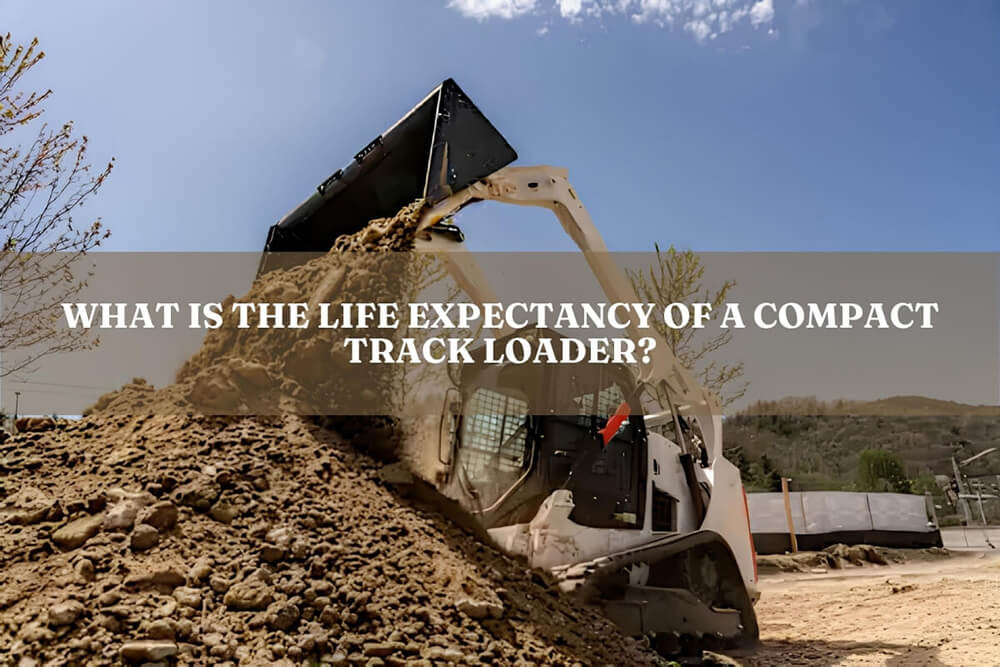
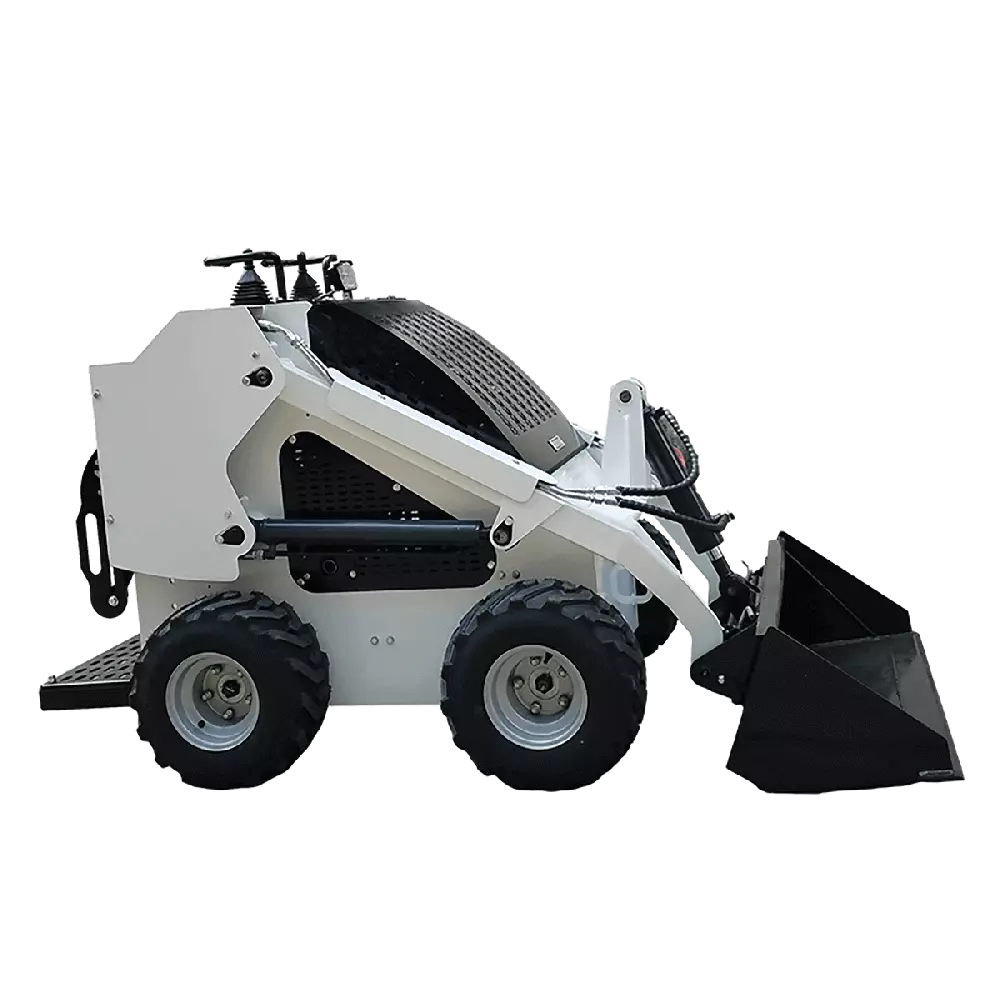
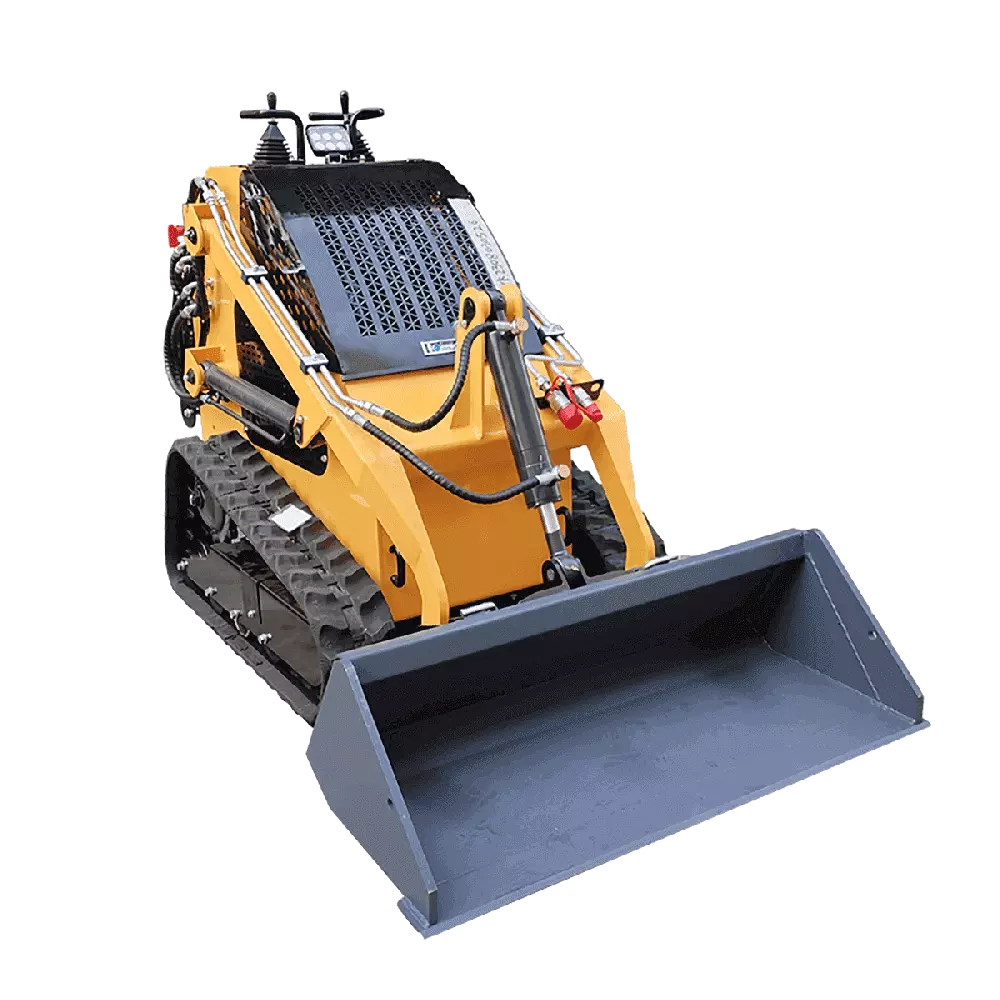
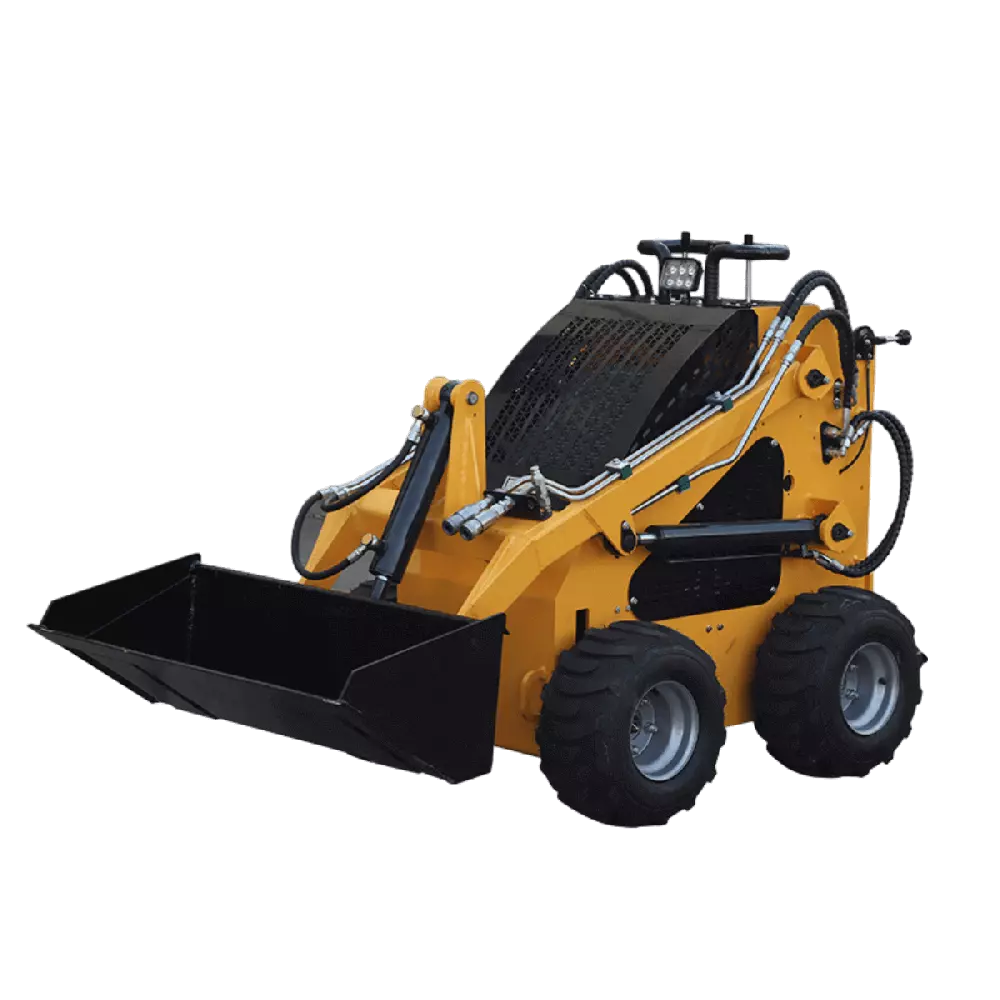
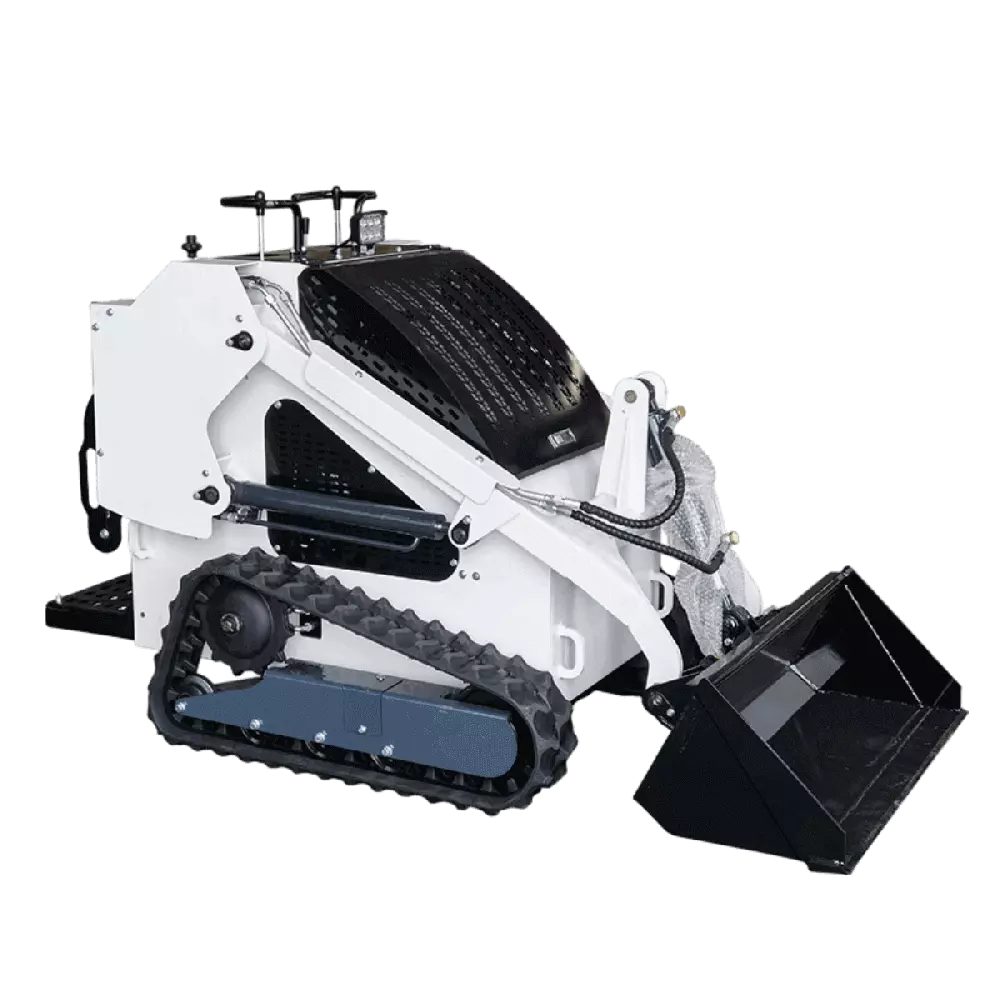
Unlike traditional wheeled loaders, Compact track loaders use rubber tracks that provide better traction, stability, and performance on soft, uneven, or muddy ground. Their compact size allows them to work efficiently in tight spaces while still delivering strong lifting and digging performance.
Compact track loaders commonly feature:
A front loader arm that supports different attachments.
Some models come with an enclosed operator cab for improved comfort and safety.
Advanced hydraulic systems for smooth and accurate operation.
Rubber tracks that improve traction and stability on rough terrain.
These features allow CTLs to perform tasks such as grading, excavation, material handling, site preparation, and landscaping. Their versatility is further improved by attachments like buckets, pallet forks, augers, and trenchers, making them valuable machines on modern job sites.
Compact track loaders are built for long-term use, every compact track loader is equipped with an hour meter that records total engine running time, helping operators:
Track operating hours.
Schedule maintenance.
Monitor machine condition.
Plan replacements.
Most well-maintained CTLs typically last between:
8,000–10,000 hours under regular use.
Up to 12,000 hours with careful maintenance and moderate workloads.
Machines working under harsh conditions, continuous heavy lifting, rough terrain, or poor maintenance may only last around 2,500–3,500 hours before major repairs are needed.
Understanding these lifespan benchmarks helps operators set realistic expectations, and maximize return on investment throughout the machine's service life.
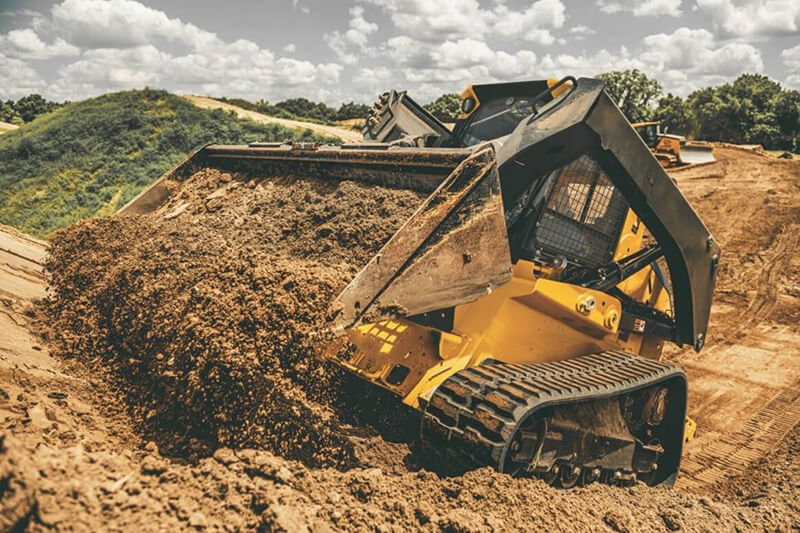
The life of a compact track loader is influenced by several factors beyond operating hours alone. These elements work together to either extend or shorten its service life, and understanding them helps improve efficiency, reduce repairs, and protect the machine investment.
The working environment also affects durability and wear.
Rough, rocky, muddy, or sandy terrain increases track and undercarriage wear.
Dusty or corrosive environments can affect engine and hydraulic systems.
Extreme weather conditions can add stress to components.
Smooth, paved, or soft surfaces reduce wear and improve longevity.
How often and how heavily the machine is used has a major effect on its lifespan.
Daily heavy-duty tasks such as digging, demolition, and material handling cause faster wear.
Continuous operation increases stress on the engine, hydraulics, and undercarriage.
Lighter or occasional use reduces strain and helps extend service life.
Moderate workloads help maintain longer machine performance.
The type of workload and attachments used also influence wear.
Heavy loads increase stress on the engine, hydraulics, and arms, operating within recommended load limits helps prevent damage.
Frequent use of large or demanding attachments speeds up wear.
Proper attachment use ensures safer and longer machine performance.
Proper maintenance is one of the most important factors in extending lifespan. Machines with consistent maintenance experience fewer breakdowns and longer service life, while neglected maintenance can lead to early component failure and higher repair costs.
The quality of the machine plays a key role in how long it lasts.
High-quality brands use stronger engines and hydraulic systems.
Durable undercarriage components improve resistance to heavy use.
Better build quality results in fewer repairs and longer service life.
Lower-cost models may require more frequent maintenance and replacement parts.
Operator behavior directly affects machine lifespan.
Smooth operation reduces stress on components, avoiding sudden starts, stops, and sharp turns reduces wear.
Poor handling and careless operation increase damage to tracks and drivetrain.
Skilled operators help extend service life, while improper use can shorten it significantly.
Several key components influence how long a compact track loader can operate efficiently. Proper maintenance of these parts is important for extending the machine's lifespan. Over time, normal wear appears on the engine, hydraulic system, tracks, and undercarriage, which can reduce performance and increase repair costs as the machine nears the end of its service life.
Engine
The engine powers all loader operations and is considered its core component.
Requires regular oil and filter changes.
Needs consistent air filter and coolant checks.
Prevents overheating and internal wear when properly maintained, well-maintained engines can operate for thousands of hours beyond average expectations, while poor maintenance can lead to major failures and shorten lifespan.
Undercarriage and tracks
The undercarriage is one of the most wear-prone systems in a CTL. Wears faster on rough terrain and under heavy loads, affects stability and traction when not maintained properly.
Maintenance practices include:
Keeping track tension properly adjusted.
Cleaning mud, rocks, and debris regularly.
Inspecting and replacing worn parts early.
Proper care helps extend service life and prevents damage to other systems.
Hydraulic system
The hydraulic system controls lifting, movement, and attachments.
Powers lift arms and implements.
Sensitive to fluid contamination and leaks.
Worn seals can reduce efficiency and increase stress.
Regular maintenance includes fluid testing, filter replacement, and hose inspections to ensure smooth performance and prevent breakdowns.
Electrical system
Modern CTLs rely on electrical components for control and diagnostics.
Includes batteries, sensors, wiring, and connectors.
Affected by moisture, corrosion, and loose connections.
Electrical faults can impact overall machine performance.
Proper inspection and maintenance help avoid unexpected malfunctions.
Transmission and drivetrain
This system transfers power to the tracks and supports machine movement.
Handles torque distribution and load force.
Affected by overload and poor lubrication.
Harsh operating conditions increase wear.
Routine fluid changes and inspections help maintain smooth operation and prevent costly failures.
Cooling system
The cooling system prevents overheating of key components.
Includes radiators, fans, and coolant lines.
Blockages or low coolant levels reduce efficiency.
Overheating can cause severe engine damage.
Regular checks help maintain safe operating temperatures and protect engine life.
Even well-maintained compact track loaders (CTLs) will eventually show signs of aging. Identifying these early helps operators plan repairs or replacements, reduce downtime, and avoid safety risks.
Excessive engine smoke: Possible oil burning or internal engine wear, issues with piston rings or valves, more smoke than usual from the exhaust, indicates serious engine deterioration.
Reduced hydraulic performance: Caused by worn pumps, leaks, or contaminated fluid. Slow or weak lift movement, uneven or unresponsive boom operation, spongy or delayed controls.
Track and undercarriage wear: Reduced stability and traction during operation, frequent slipping or unstable movement, worn or missing track components.
Excessive noise and vibration: Increased vibration during use, possible engine, drivetrain, or undercarriage issues.Grinding or unusual operating sounds, warning sign of internal wear.
Frequent breakdowns: Repeated repairs in the same systems, increasing downtime, rising maintenance and labor costs.
In general, declining overall performance appear to reduce lifting capacity, slower machine operation, higher fuel consumption, weak or less responsive hydraulics, indicates wear and aging across multiple systems.
Deciding whether to repair or replace a CTL depends on cost and condition:
If a compact track loader is generally considered at the end of its life when repair costs are no longer practical compared to its value, replacement may be more practical.
Frequent repairs and repeated part replacements signal declining efficiency, rising maintenance costs.
Older machines often require continuous maintenance even after repairs, the remaining lifespan is constantly decreasing.
Frequent breakdowns can reduce productivity and increase losses.
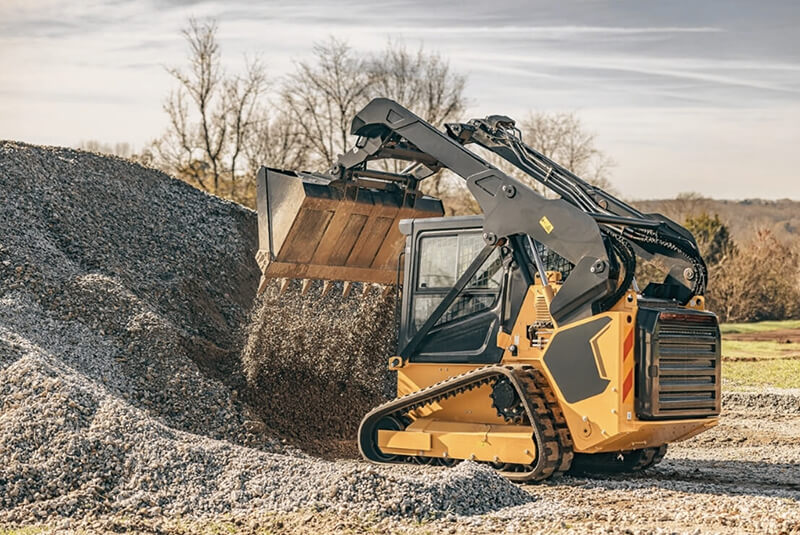
Maximizing a compact track loader's lifespan requires preventive maintenance, correct operation, and consistent servicing practices Helps keep components efficient, reduces downtime, and prevents expensive repairs.
Follow usage and maintenance instructions.
Observe recommended service intervals.
Follow safety procedures.
This ensures the machine runs efficiently and avoids unnecessary wear.
Before each operation, check key components such as: fluid levels, filters, hydraulic lines, undercarriage condition. Early detection of issues like leaks, loose parts, or unusual noises helps prevent costly breakdowns.
Proper servicing helps maintain long-term performance.
Follow oil and filter change intervals.
Use OEM or high-quality parts and fluids.
Keep a detailed service log.
Monitor operating hours.
The undercarriage is one of the most heavily stressed systems.
Clean mud, rocks, and debris regularly.
Check track tension.
Inspect rollers and sprockets.
Replace worn parts early.
Proper care improves stability, traction, and service life.
Check fluid levels regularly.
Replace filters on schedule.
Inspect hoses and seals for leaks.
Prevent contamination in the system.
Clean hydraulic systems reduce stress on pumps and cylinders and extend component life.
Change oil and filters regularly.
Check coolant levels.
Inspect belts and radiator condition.
Prevent overheating issues.
A well-maintained engine and cooling system support longer operating hours and reduce major failure risks.
Inspect batteries, wiring, sensors, and connectors.
Prevent moisture and corrosion damage.
Ensure secure electrical connections.
Proper care keeps control and diagnostic systems functioning correctly.
Avoid overloading the machine.
Match attachments to correct specifications.
Do not exceed design limits.
Proper use reduces stress on the engine, hydraulics, and undercarriage.
Skilled operation helps extend machine life.
Smooth and controlled movements.
Proper load handling.
Correct use of attachments.
Following warm-up and cool-down procedures.
Good operator habits reduce unnecessary wear and improve long-term performance.
Store in a dry, protected area.
Avoid exposure to extreme weather.
Prevent moisture and dust buildup.
Proper storage protects against corrosion and extends component life.
The lifespan of a compact tracked loader (CTL) is affected by usage, maintenance, operator skill, machine quality, and operating conditions. Investing in a high-quality BISON loader, coupled with regular maintenance, timely repairs, and proper operation, helps maintain its performance and reliability over the long term.
Generally, a compact tracked loader, if properly maintained, can last approximately 10-15 years or 8,000-12,000 working hours. A machine that is properly maintained, operated correctly, and used under suitable conditions can have a lifespan exceeding average expectations; conversely, improper maintenance or misuse will significantly shorten its lifespan.
inquiry form here
BISON BLOG, All the latest news and views from Bison Machinery.
what's hot?
Related Articles
what is the life expectancy of a compact track loader wheel loader vs excavator skid steer attachments and their uses common problems with skid steer loaders how to operate a skid steerRelated Products