15Sep 2025
table of contents
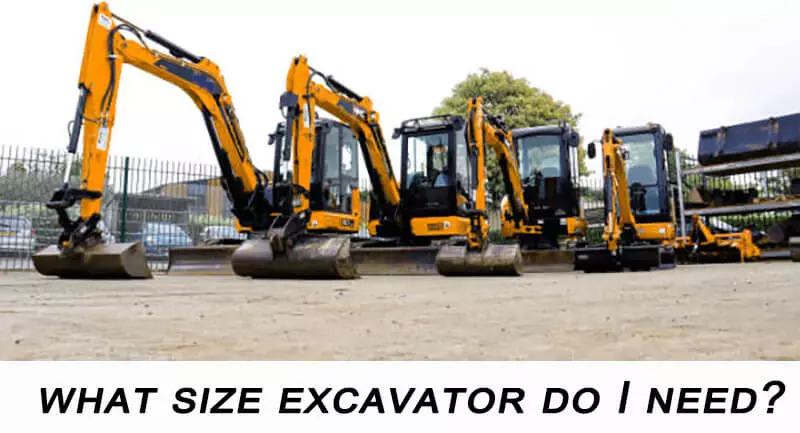
When choosing the right excavator for your project, size is one of the most critical factors to ensure efficiency, safety, and cost-effectiveness. Whether you're working on a big commercial construction project or a small domestic landscaping project, the size of the excavator you choose will significantly impact the project's outcome.
Excavators are categorized into different weight classes based on their size and capabilities. These categories include mini, midi, and full-size excavators, each with different features suited to different types of projects.
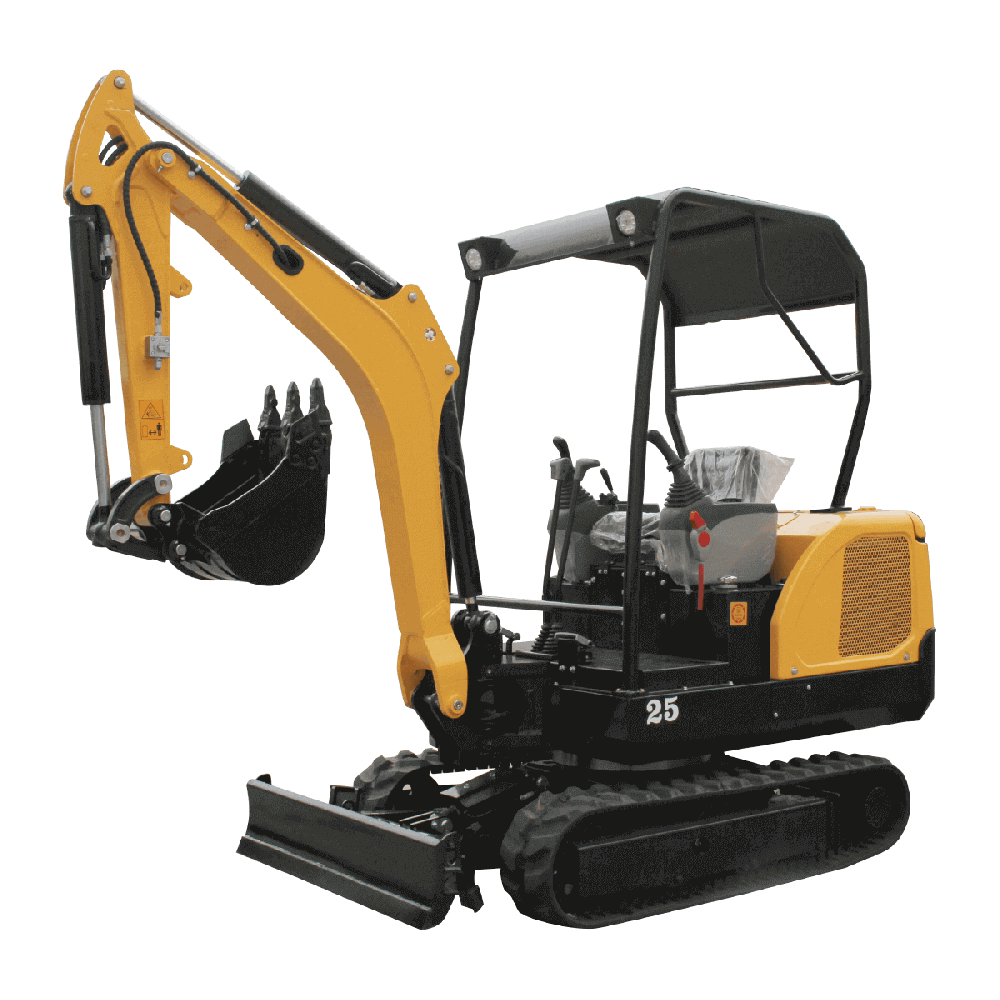
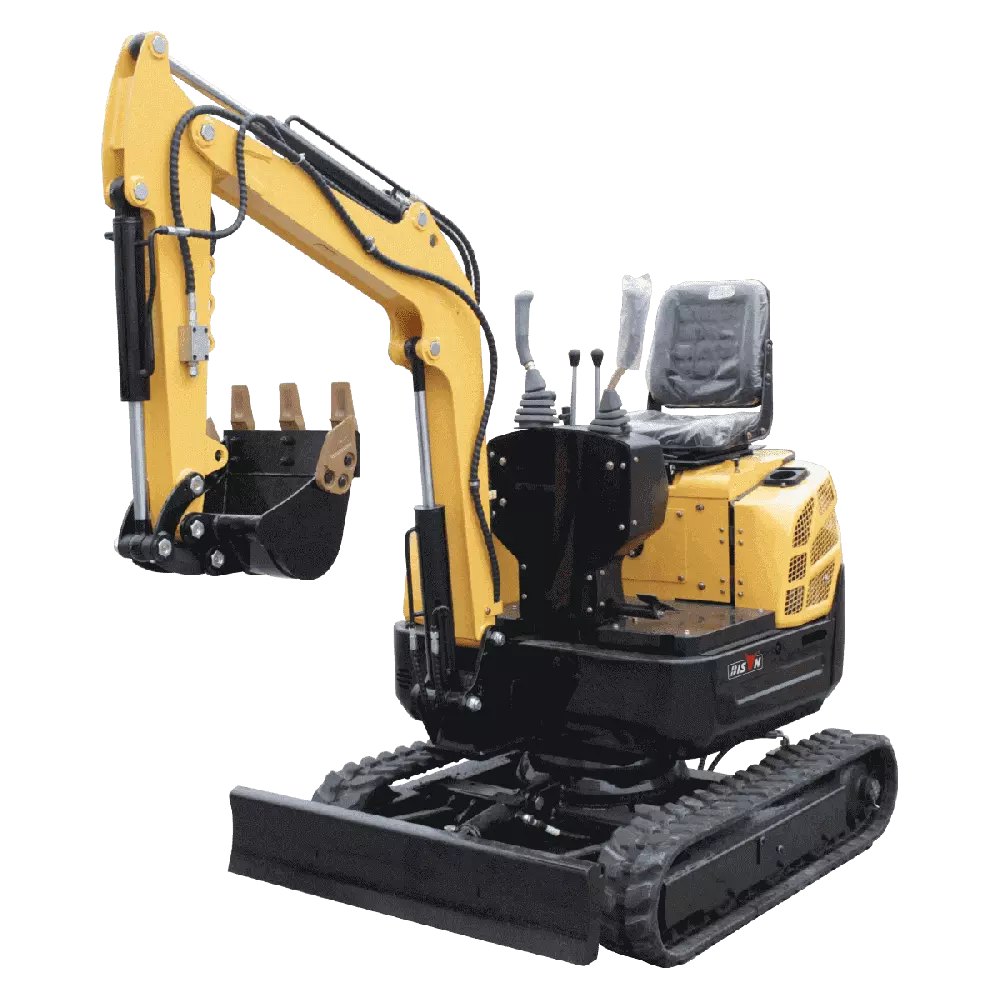
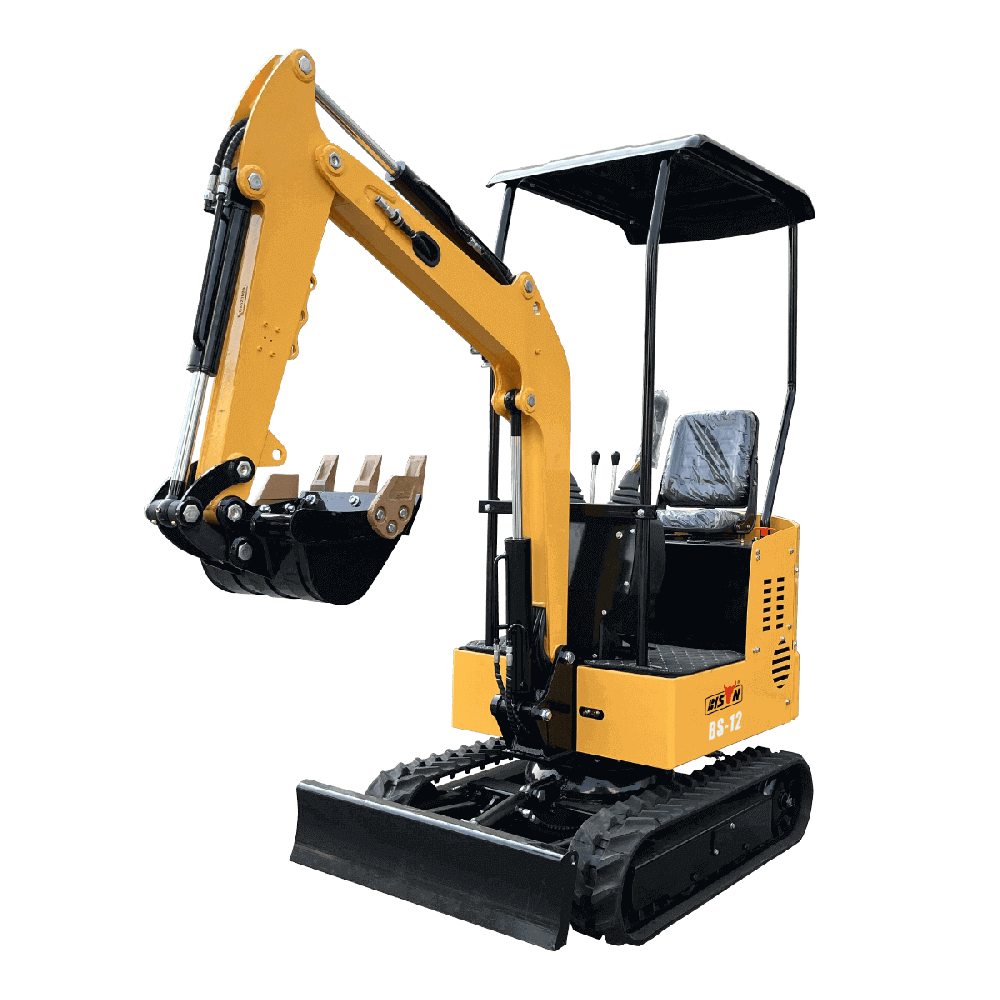
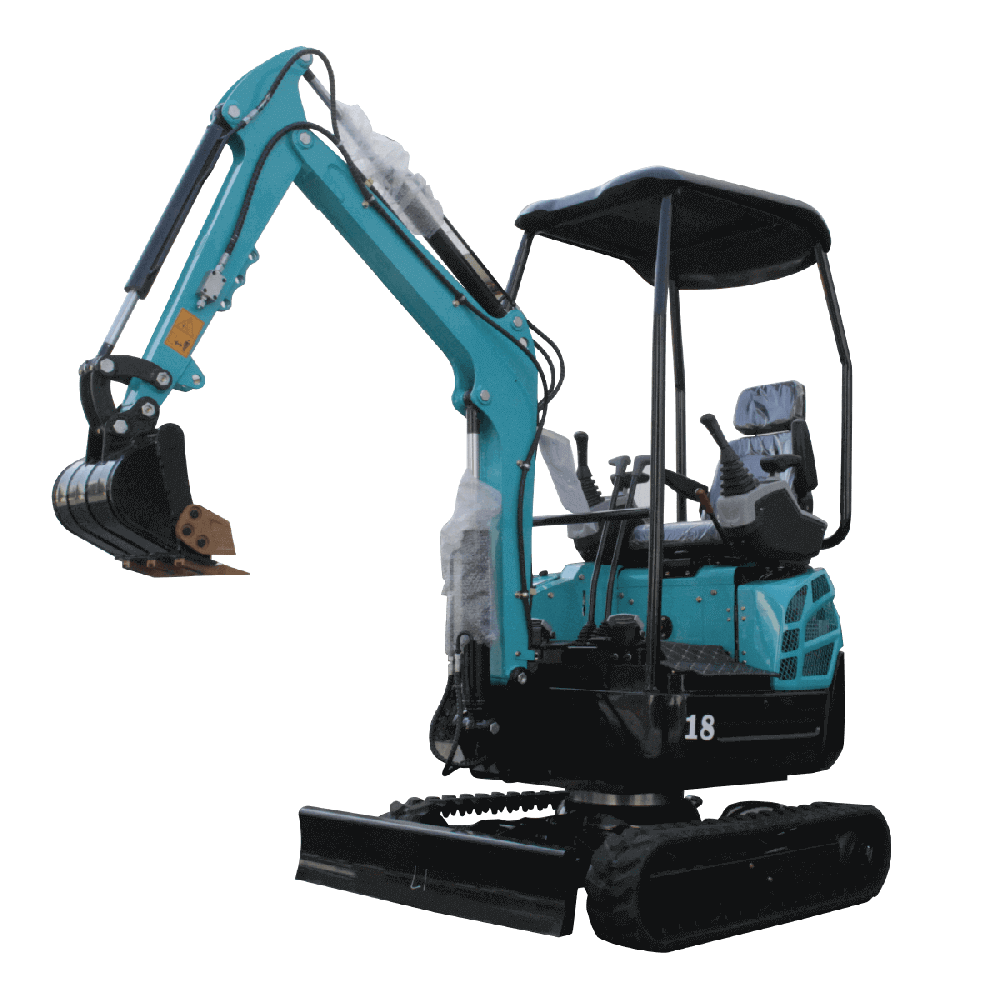
Small excavators, also known as compact or micro excavators, typically weigh between 1 and 6 tons. These small and versatile machines are ideal for tight spaces or jobs requiring precise operation. They are instrumental in residential or landscaping projects where space is limited. Mini excavators are lightweight, easy to transport, and can access areas that larger machines cannot easily access. BISON wholesales a wide range of small excavators meeting all your needs.
Midi excavators weigh 6 to 10 tons. They strike a balance between power and compactness, offering greater digging capacity and reach than mini excavators while still being able to work in relatively confined spaces. Midi excavators are typically used for medium-sized construction, utility, and small demolition jobs.
Full-size excavators are the largest machines, weighing 10 tons to 100 tons. These excavators offer the highest digging depth, lifting capacity, and reach, making them ideal for large-scale construction projects, such as road construction, mining, and heavy demolition. These machines require more space to operate effectively, but are invaluable for tasks that require ample power and capacity.
Choosing the right size excavator involves understanding several key factors that can influence your choice. These factors include the type of project, job site conditions, digging depth and reach, transportability, lifting and digging capacity, fuel efficiency, operating costs, and more.
The main determinants of the excavator size you need are the type and scope of your job. Different projects require different capabilities, and the excavator size should be tailored to the job's scale.
Residential projects: Mini excavators are ideal for small-scale residential projects. They are well-suited for small foundation excavation, plumbing, landscaping, and other tasks that require access to tight or confined areas. Their small footprint allows them to maneuver through narrow doorways or between buildings, which is often necessary in urban and residential environments.
Commercial construction: Midi excavators provide the right balance of power and size for medium-sized construction jobs, such as building foundations, trenching for utility lines, or light demolition. These machines are more capable than mini excavators but small enough to work in relatively confined spaces. They are also suitable for utility projects, minor roadwork, and landscaping jobs that require digging or grading.
Heavy construction or mining: If your project involves heavy excavation, such as road construction, large-scale commercial projects, or mining operations, you will need a full-size excavator. These machines are made to tackle large-scale projects, and they have increased digging depth, reach, and lifting capacity. A full-size excavator is essential for moving large amounts of earth, demolishing structures, or digging the foundations of large buildings.
| Mini excavator (1-6 tons) | Great for small-scale residential projects, landscaping, and jobs that require access to tight spaces or restricted areas. |
| Midi excavator (6-10 tons) | It is suitable for medium-sized projects, such as utility work, foundation excavation, and commercial construction, where space is more generous. |
| Full-size excavator (10 tons and above) | Ideal for large-scale construction, road works, demolition, and mining operations where high capacity, deep digging, and broad reach are required. |
Job site conditions are another essential factor in determining the appropriate excavator size. For example, if you work in a narrow or confined area, you may need a smaller machine that can easily get into tight spaces. Conversely, large, open areas with minimal obstructions can accommodate larger machines with greater reach and digging capacity.
Tight spaces: If you’re working in urban areas, residential properties, or other locations with limited access, a mini excavator is a great choice. These machines are compact, easy to maneuver, and can access hard-to-reach areas that full-size machines can’t easily reach. Mini excavators are also suitable for trenching along fences, digging between structures, or landscaping in small yards.
Open or remote sites: For construction sites or remote areas where space is not an issue, full-size excavators can provide the power and reach needed for large-scale tasks. Their large tracks and powerful engines can cover large areas quickly, making them the preferred choice for large projects such as road construction, large excavation jobs, and heavy lifting.
It is essential to consider an excavator's lifting and digging capacity, as these factors determine how much material the machine can move and how deep it can dig.
Mini excavators: Generally have less lifting and digging capacity than larger machines. A mini excavator can have a lifting capacity of 1,000 to 3,000 pounds, and their digging depth is usually limited to 8 to 10 feet. Despite their small size, these excavators can handle light tasks, including landscaping, digging small foundations, or installing utilities.
Midi excavators: They are more powerful and can lift larger loads, typically 3,000 to 8,000 pounds. Their digging depth can reach 15 feet, making them suitable for tasks that require more significant earth movement, such as medium-depth trenching, grading, and small to medium foundation work.
Full-size excavators: Full-size excavators have the highest lifting and digging capacity. Depending on the model, these machines can lift several tons of material and reach digging depths of 30 feet or more. They are designed for heavy-duty tasks such as removing large amounts of earth, digging deep foundations, or handling large construction and demolition projects.
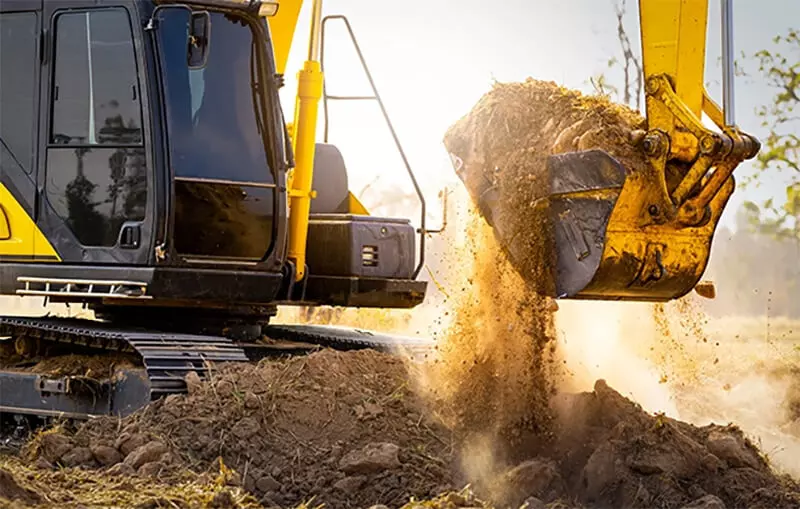
Fuel efficiency and operating costs are essential in choosing the right excavator, especially for long-term projects where these costs can add up.
Small excavators: Small excavators are known for their fuel efficiency. Due to their small size and light engine requirements, they use less fuel. They use fuel, making them more cost-effective for short-term or small-scale projects. Their low operating costs, including maintenance and fuel, make them ideal for residential and landscaping work.
Mid-size excavators: While slightly less fuel-efficient than mini excavators, mid-size excavators still offer good fuel economy for medium-sized projects. They use more fuel due to their larger engines and increased power. However, their operational efficiency still makes them a relatively affordable option for projects that require additional power and capacity.
Full-size excavators: Full-size excavators use much more fuel than their smaller counterparts, especially if they work long hours or on heavy-duty projects. The larger the machine, the more gasoline it will need. It is essential to account for these higher operational costs, especially if your project requires the machine to operate continuously for extended periods.
The operator’s skill level and experience should determine the chosen excavator size. Large excavators require specialized knowledge to operate effectively, and inexperienced operators may struggle.
Mini excavators: They are generally easier to operate and require less experience than larger machines. Their smaller size makes them easier to control, and operators can quickly learn to use them for various tasks, such as digging small trenches and grading.
Midi excavators: Midi excavators are still relatively easy to operate, but their size and power require more skill than mini excavators. Operators should be experienced in operating machinery of this size to ensure safety and efficiency.
Full-size excavators: They require highly skilled operators, as their size, power, and complex functions require experience. Operating a full-size excavator can be challenging for those without proper training, and safety concerns should be taken seriously.
Lastly, a big part of the decision-making process is your budget. Mini excavators are generally more affordable than midi or full-size machines in rental and purchase costs.
Mini excavators: Mini excavators are the most cost-effective option for small-scale projects. They have lower rental rates and are less expensive to purchase. Their fuel efficiency and low operating costs are ideal for budget-conscious homeowners or contractors.
Midi excavators: Midi excavators are more expensive than mini excavators but offer more power and capabilities. Although rental and purchase prices are higher, they are still a more affordable option than full-size machines for medium-sized projects.
Full-size excavators: They are the most expensive to rent or purchase. They require a significant financial investment, and their high fuel consumption and maintenance costs should be considered when budgeting for a large-scale project.
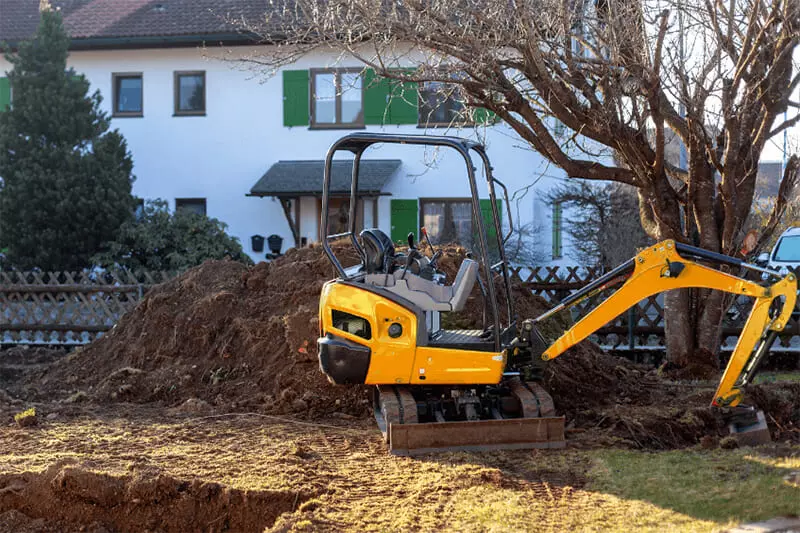
Small excavators are best for small foundations, such as those for small buildings, sheds, or landscaping projects. Due to their greater depth and capacities, a midi or full-size excavator is recommended for larger foundations, especially those for commercial or industrial buildings.
Excavator operators in many areas are required to complete specialized training and certification to guarantee safety and adherence to regional laws. While small excavators may require less formal training, larger machines typically require operators to take certification courses. Always check with local authorities about licensing requirements.
A full-size excavator is likely the right choice if your project requires extensive excavation work, such as large-scale earthmoving, demolition, or deep foundations. They offer more power, greater digging depth, and broader reach, making them suitable for heavy-duty work in large areas.
A midi excavator offers more power, greater digging depth (up to 15 feet), and greater lifting capacity than a mini excavator. It is an excellent choice for medium-sized construction or utility projects requiring compact size and extra power. At the same time, a mini excavator may lack the power needed for these tasks.
The size of the excavator and the kind of work being done determine how much fuel it uses. Small excavators are more fuel efficient, using about 2-4 gallons per hour. Midi and full-size excavators use more fuel, typically about 5-15 gallons per hour, depending on engine size and workload.
Full-size excavators require more space and may not be the best choice for confined or crowded areas. If you are working in tight spaces, consider using a mini or midi excavator, which are more maneuverable and compact.
Choosing the right size excavator depends on various factors, including the scope of your project, job site conditions, and budget. You can make an informed decision by carefully assessing your needs and considering project size, depth, reach requirements, and available space.
inquiry form here
BISON BLOG, All the latest news and views from Bison Machinery.
what's hot?
Related Articles
mini excavator sizes: choosing the right size for your project how to change the bucket of a mini excavator large excavators vs mini excavators what equipment do you use for demolition? common questions about excavator hydraulic systemsRelated Products