13May 2026
table of contents
Excavators play a vital role in modern construction, mining, and infrastructure projects. From digging trenches and foundations to lifting heavy materials and clearing debris, these powerful machines make large-scale work faster and more efficient. At the heart of every excavator is its hydraulic system, which converts engine power into the strong and precise movements needed to dig, lift, and operate attachments.
Much like the muscular and circulatory systems of the human body, the hydraulic system moves pressurized fluid through pumps, valves, and cylinders to generate force throughout the machine. Understanding how this system works is essential for improving efficiency, reducing downtime, and extending the lifespan of expensive equipment.
When hydraulic problems occur, excavator performance quickly declines, often leading to costly delays on the job site. A clear understanding of excavator hydraulics helps operators, owners, and technicians identify issues early and maintain reliable machine performance.
This article answers common questions about excavator hydraulic systems and is designed for new operators, fleet managers, maintenance personnel, and equipment owners keep their excavators operating smoothly and efficiently.

Instead of relying solely on mechanical gears and linkages, excavators use a hydraulic system, is a power transmission system that generates, controls, and transfers force through pressurized fluid, it converts the engine's mechanical energy into hydraulic energy, hydraulic systems provide the strength and precision necessary for demanding construction tasks, flexibility and control that mechanical systems alone cannot achieve. enabling movements such as digging, lifting, rotating, and operating attachments.
An excavator hydraulic system operates through a closed hydraulic circuit that moves pressurized fluid to create motion and force. The main components of this excavator hydraulic system include:
Hydraulic reservoir: stores hydraulic fluid, removes air bubbles, and allows contaminants to settle. Hydraulic oil transmits power, lubricates components, seals clearances, and dissipates heat. Maintaining clean, high-quality oil is critical; contaminated or incorrect oil can cause internal wear, reduced efficiency, overheating, and system failure.
Hydraulic pump: the hydraulic pump is the heart of the system, pressurizes fluid and sends it through the system. Excavators typically use variable-displacement pumps that adjust oil flow and pressure according to operator input and load. This ensures smooth operation, energy efficiency, and precise control while protecting the system from overstress.
Control valves: control valves act as traffic directors for hydraulic oil, directing pressurized fluid to cylinders or motors at the operator's command. Internal spools move in response to joystick input, controlling both direction and flow. Advanced load-sensing valves automatically adjust flow for multiple simultaneous movements, ensuring smooth operation without overloading the pump.
Hydraulic cylinders: hydraulic cylinders convert fluid pressure into linear motion. Cylinder diameter and operating pressure determine output force, allowing precise control even under heavy loads.
Hydraulic motors: hydraulic motors convert pressurized fluid into rotational motion, Motor speed and torque depend on oil flow and pressure, providing smooth, controlled motion even under load.
Hydraulic hoses and lines: transport pressurized fluid between components. They must withstand high pressures, temperature changes, and vibration.
Filters and coolers: remove contaminants and maintain fluid at optimal temperature.
Hydraulic power in an excavator follows these steps:
The engine generates mechanical energy, fluid is drawn from the reservoir.
Pressurized by the hydraulic pump converts this mechanical energy into hydraulic pressure.
Pressurized fluid flows through hoses and control valves.
Control valves regulate direction, pressure, and flow according to operator input. Directed through control valves, and delivered to actuators.
After powering machine functions, the fluid returns to the reservoir to be filtered and cooled before repeating the cycle.
The fluid reaches actuators — cylinders or motors — to perform tasks.
Load and speed relationship: cylinder speed depends on oil flow rate. Under heavy loads, system pressure rises, and the pump adjusts flow to maintain safe operation. This slows cylinder movement to prevent damage while allowing controlled lifting or digging.
Each hydraulic component plays a critical role in overall performance. A failure or degradation in any part can reduce efficiency or cause total system failure.
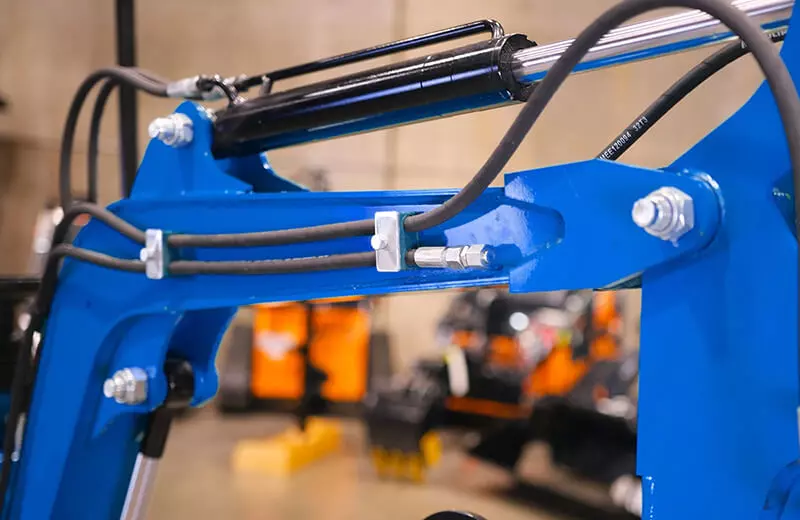
Hydraulic actuators convert pressurized fluid into mechanical motion. In excavators, the main actuators are:
Hydraulic cylinders (linear motion)
Raise and lower the boom
Extend and retract the arm
Open and close the bucket
Hydraulic motors (rotational motion)
Rotate the upper structure (swing)
Drive the tracks
By controlling fluid flow to these actuators, excavators perform precise, powerful movements. The coordinated operation of pumps, valves, cylinders, and motors enables digging, lifting, rotating, and traveling efficiently on demanding construction sites.
Excavator hydraulic systems can experience several issues during operation, including:
Hydraulic leaks: often caused by worn seals, damaged hoses, or loose connections.
Overheating: can result from low fluid levels, clogged coolers, excessive workload, or contaminated oil.
Loss of hydraulic power: may occur due to pump wear, internal leaks, or pressure issues.
Slow or weak movements: usually caused by restricted fluid flow or worn components.
Unusual noise or vibration: often indicates air in the system or cavitation.
Wrong oil: oil that is too thick restricts movement, increases pressure, and generates excess heat. Oil that is too thin leaks past clearances, reducing power. Seal incompatibility can cause hardening, swelling, or breakage, leading to leaks and accelerated wear on pumps, valves, and cylinders.
Contamination: dirt, metal particles, water, or air damage precision parts, reduce lubrication, cause spongy or erratic operation, and shorten system life. Proper filtration and oil handling are essential.
Early detection and maintenance of these problems are essential to prevent more serious damage and avoid costly downtime.
Hydraulic pressure determines the force an excavator can exert. Maintaining the correct pressure balance is essential for efficiency, safety, and component longevity. Improper pressure settings can reduce performance and cause damage.
Normal hydraulic pressure for an excavator: Typical excavator systems operate between 3,000–5,000 psi, depending on machine size and design. Exceeding the recommended pressure can shorten component life.
Increasing hydraulic pressure: Raising pressure may seem improve performance, but it stresses hoses, seals, and pumps. Excavator systems are designed for a balance of strength and durability, making arbitrary pressure adjustments risky.
Hydraulic pressure test way: Pressure gauges are connected to test ports to measure system output. This testing can identify weak pumps, faulty relief valves, or internal leaks without dismantling the system.
Hydraulic pump: Worn pumps can cause pressure loss, overheating, and slow machine response.
Control valves: Valve wear can result in delayed, jerky, or sloppy operation.
Hydraulic cylinders: Worn seals or scored rods can cause leaks and reduced lifting or digging capacity.
Hydraulic motors: Internal leaks reduce efficiency and generate excess heat.
Hoses: A single damaged hose can cause sudden pressure drops, oil leaks, and safety hazards.
Excavator hydraulic systems store large amounts of energy under high pressure. Improper handling can cause serious injuries or equipment damage, so safety awareness is critical for anyone working with or near these machines.
High-pressure oil injuries: pressurized hydraulic fluid can penetrate the skin and cause severe internal damage. Even minor-looking injuries require immediate medical attention to prevent complications.
Unexpected movements: sudden loss of control or unintended machine motion can result in dropped loads or machine instability.
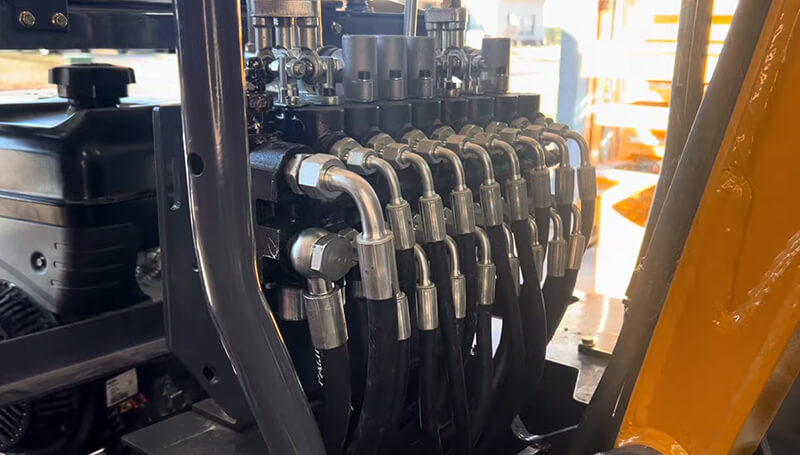
Proper maintenance and preventive are essential to keep an excavator's hydraulic system operating efficiently and to prevent unexpected failures. Als protects the operator.
Always shut off the engine and relieve system pressure before starting work. Follow the manufacturer's lockout procedures to prevent accidental machine movement.
Use appropriate personal protective equipment (PPE).
Overloaded hydraulic filters restrict flow and increase pressure, reducing efficiency. Inspect filters regularly and replace them if clogged, and follow the manufacturer's recommended schedule to maintain system cleanliness and protect pumps, valves, and cylinders.
Avoid system overloads and maintain clean hydraulic oil. Hydraulic oil change intervals depend on machine design, operating hours, load, and environmental conditions. Excavators in dusty, humid, or extreme-temperature environments may require more frequent changes. Use oil analysis to monitor fluid condition, detect contamination, oxidation, or metal particles, and schedule changes based on actual system needs.
Daily operator check hydraulic fluid levels, inspect hoses, fittings, and seals for leaks, cracks, or loose connections, and monitor machine response while looking for warning indicators. Early detection prevents unexpected downtime and component damage. Replace worn components promptly.
Proper warm-up important. hydraulic oil thickens in cold conditions. Gradually warming up the system allows oil to circulate properly, reducing stress on pumps and seals and minimizing premature wear.
Consistent maintenance and inspections help extend equipment life and maintain reliable performance, ensures excavators continue to deliver dependable power and precision for construction and excavation tasks. If issues persist despite routine checks, a professional inspection by trained technicians may be required, especially for pumps, valves, or actuators.
A properly maintained hydraulic system offers several key advantages:
Improved efficiency and performance: ensures smooth, precise machine operation.
Extended equipment lifespan: reduces wear on components and prevents premature failure.
Reduced downtime: minimizes unexpected breakdowns and keeps projects on schedule.
Lower maintenance costs: preventive care reduces costly repairs and replacements.
Safer operation: reliable hydraulics reduce the risk of accidents in demanding work environments.
Excavator hydraulic systems are the heart of these powerful machines, converting engine power into the precise force needed to move the boom, arm, bucket, and tracks. Understanding how the systems work, enables operators and owners to maintain smooth and efficient performance. And following safety guidelines ensures reliable operation and a safer work environment. Also proper maintenance practices, such as using the correct hydraulic fluid, performing regular inspections, replacing filters, and monitoring system performance, help prevent failures, reduce downtime, and extend excavator equipment life.
As a excavator manufacturer in China, BISON is dedicated to providing reliable excavators and professional excavator hydraulic systems knowledge. For quotations or to share your experiences with excavator hydraulics, feel free to reach out or join the conversation.
with proper maintenance, major hydraulic components can operate for thousands of hours before requiring an overhaul. Regular inspections and preventive care extend component life.
Excavators rely on the correct hydraulic fluid to ensure reliable performance:
Mineral-based oils: suitable for normal operating conditions, offering good lubrication.
Synthetic oils: designed for extreme temperatures and heavy-duty environments; offer improved stability and longer service life.
Biodegradable oils: used in environmentally sensitive areas to minimize impact in case of leaks.
Key considerations when selecting hydraulic oil:
Viscosity: determines oil flow, especially during cold starts or high-temperature operation. Proper viscosity ensures lubrication and efficient power transmission.
Additives: anti-wear agents, anti-foam compounds, corrosion inhibitors, and oxidation stabilizers protect components and maintain oil performance.
darkened oil usually indicates heat exposure, oxidation, or contamination. Regular oil monitoring and timely changes help maintain system performance.
Incorrect oil can reduce flow, cause leaks, or damage seals. Long-term use may accelerate wear on pumps, valves, and cylinders, leading to costly repairs.
inquiry form here
BISON BLOG, All the latest news and views from Bison Machinery.
what's hot?


Related Articles
mini excavator sizes: choosing the right size for your project how to change the bucket of a mini excavator large excavators vs mini excavators what equipment do you use for demolition? common questions about excavator hydraulic systemsRelated Products