23Jul 2025
table of contents
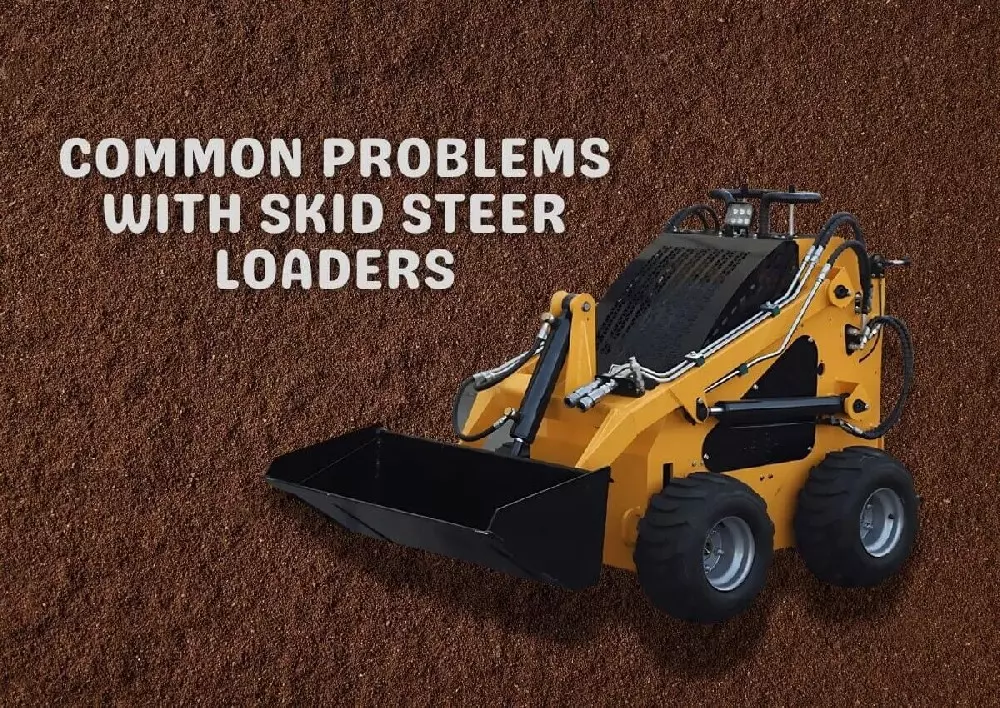
Skid steers are powerful, versatile machines essential to construction sites, landscaping, and other heavy-duty tasks. They efficiently move dirt, gravel, and materials, making them a go-to solution for many professionals. But like any equipment, they can run into issues over time.
In this article, we'll explore common skid steer problems and provide clear solutions and maintenance tips to help you minimize downtime and keep your machine running at its best.
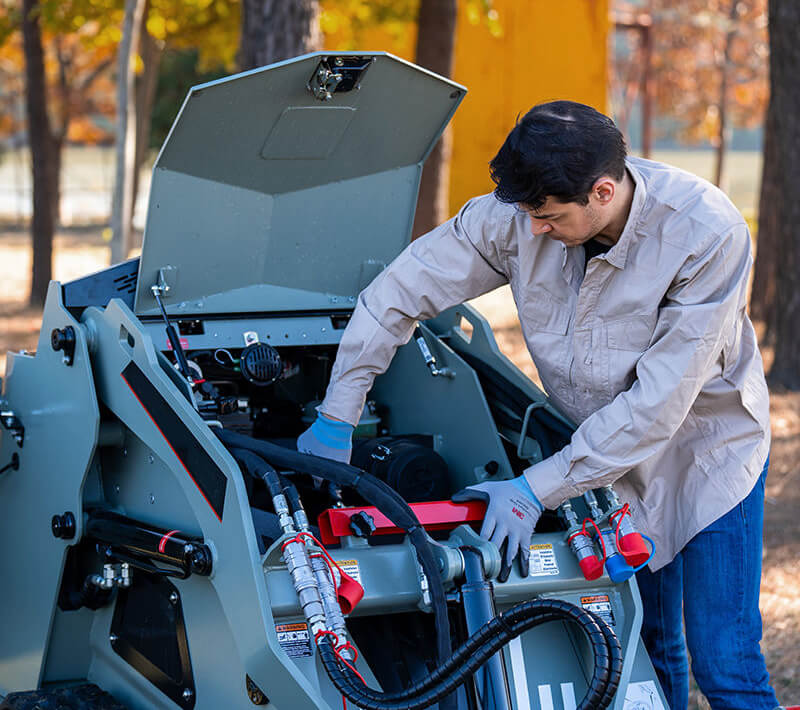
The hydraulic system is the backbone of your skid steer, powering everything from lift arms and buckets to drive motors. Understanding common hydraulic issues and how to address them is essential for maintaining peak performance and extending equipment lifespan.
Leaks are one of the most frequent hydraulic problems, leading to reduced power and potential environmental hazards.
Where it happens: Anywhere in the system — hoses, fittings, cylinders, or pumps.
Causes: Wear and tear, excessive pressure, aging components, or damage from debris.
Signs: Visible fluid spots, dripping, or a drop in hydraulic fluid level.
Fix: Identify the source, then tighten fittings or replace damaged hoses, seals, or components.
Prevention: Inspect hoses and connections regularly and keep the system clean to avoid contaminant buildup.
Hoses are vulnerable due to constant flexing and exposure to heat, chemicals, and abrasion.
Where it happens: At bends or connection points.
Causes: Abrasion, high temperatures, chemical exposure, or exceeding pressure limits.
Signs: Cracks, bulges, or fluid leakage.
Fix: Replace the hose with a properly rated alternative, ensuring correct routing to reduce wear.
Prevention: Conduct frequent visual inspections and replace worn hoses before failure. Shield hoses from heat and corrosive substances.
Problems with the hydraulic pump or drive motor can significantly impact performance and typically require expert diagnosis.
Where it happens: In the hydraulic pump or drive motors.
Causes: Fluid contamination, cavitation (air bubbles), overheating, or general wear.
Signs: Sluggish operation, whining noises, excessive heat, or loss of power.
Fix: These issues often demand specialized tools. Consult a professional technician for repairs or replacement.
Prevention: Use the correct fluid, maintain fluid levels, and keep the system clean. Avoid overloading the skid steer to reduce stress on the pump and motor.
The engine is the heart of your skid steer. Keeping it in top shape is essential for dependable operation. Below are some common engine issues, along with tips on how to identify, fix, and prevent them.
An overheating engine can cause serious damage if not dealt with quickly.
Causes: Low coolant, a clogged radiator, faulty thermostat, or worn-out water pump.
Signs: High temperature gauge, steam from the engine bay, or reduced power.
Solutions:
Check and top off coolant.
Clean any debris from the radiator.
If necessary, replace the thermostat or water pump.
Prevention:
Keep coolant levels in check.
Inspect and clean the radiator regularly.
Test the thermostat periodically to ensure it's working properly.
A well-functioning fuel system ensures consistent fuel delivery to the engine.
Common issues: Clogged filters, failing fuel pump, or contaminated fuel.
Signs: Hard starting, rough idle, power loss, or sputtering.
Solutions:
Confirm fuel levels.
Replace dirty fuel filters.
Replace a faulty fuel pump.
If fuel is contaminated, drain the tank and refill with clean fuel.
Prevention:
Always use clean, high-quality fuel.
Change fuel filters as recommended by the manufacturer.
Few things are more frustrating than a machine that won't start.
Causes: Dead battery, bad starter motor, faulty ignition switch, or cold temperatures.
Troubleshooting:
Check the battery; jump-start if necessary.
Listen for a clicking sound – it could mean a bad starter.
Test the ignition switch and wiring if the starter and battery are fine.
In cold weather, allow extra time for the engine to warm up.
Prevention:
Regularly inspect and charge the battery.
Keep terminals clean and corrosion-free.
Address electrical issues as soon as they appear.
By recognizing and addressing these common engine problems early, you can avoid major breakdowns and extend your mini skid steer's lifespan. Routine maintenance and early intervention are your best defense against costly repairs and job site delays.
Electrical problems in skid steer loaders can be complex, but understanding the basics helps you identify issues early and take corrective action before they lead to costly downtime.
The battery supplies power to start the engine and run essential electrical systems.
Common issues: Dead battery, corroded terminals, or loose connections.
Symptoms: Slow cranking, dim lights, clicking sounds when starting.
Solutions:
Clean corroded terminals with a wire brush.
Tighten all battery connections.
Jump-start if the battery is drained.
Replace the battery if it won't hold a charge.
Prevention:
Check battery condition regularly.
Keep terminals clean and tight.
Use a battery warmer in cold climates.
Wiring issues can cause erratic behavior or full system failure.
Causes: Rodent damage, abrasion, extreme temperatures, or chemical exposure.
Symptoms: Flickering lights, malfunctioning controls, or visible wire damage.
Solutions:
Inspect for cracked, frayed, or burnt wires.
Avoid DIY repairs unless you're experienced—incorrect repairs can be dangerous.
Have a qualified mechanic handle electrical fixes.
Prevention:
Routinely check wiring harnesses.
Secure wires properly to prevent wear.
Use protective sleeves where wires are exposed to friction.
Modern machines rely heavily on electronic sensors and modules.
Functions:
Sensors monitor parameters like engine temperature, fuel level, and hydraulic pressure.
Control modules process this data to regulate performance.
Symptoms: Sudden performance drops, error codes, or system shutdowns.
Solutions: Diagnosis usually requires specialized tools, contact a professional mechanic if a module or sensor failure is suspected.
Prevention: Regular inspections and software updates can help detect early warning signs.
A blown fuse can disable key systems and may indicate an underlying electrical fault.
What to do:
Check fuses regularly and replace any that are blown.
If a fuse blows repeatedly, seek professional diagnosis to locate the root cause.
By staying on top of these common electrical issues, you can maintain your skid steer loader's reliability and safety. Always prioritize safety—when in doubt, consult a qualified technician for electrical repairs.
Skid steer tires are built tough, but harsh job site conditions can still lead to wear and damage over time. Understanding the most common tire issues—and how to fix or avoid them—can help keep your machine running safely and efficiently.
Cause: Frequent operation on rough surfaces, excessive spinning, or aggressive turning.
Identification: Tread appears flat, smooth, or bald—reducing traction and control.
Solutions & prevention:
Avoid sudden, sharp turns that increase wear.
Rotate tires regularly to promote even wear.
Use tires suited to your specific worksite conditions (e.g., heavy-duty or all-terrain).
Cause: Sharp objects like nails, glass, or scrap metal on the ground.
Identification: Noticeable air loss or visibly deflated tire.
Solutions & prevention:
Use solid or foam-filled tires in debris-prone areas.
Conduct routine site cleanups to remove hazardous objects.
Inspect tires before and after each use.
Cause: Impact with curbs, rocks, equipment edges, or sharp corners.
Identification: Cuts, cracks, or bulges on the tire sidewall.
Solutions & prevention:
Operate cautiously around obstacles.
Train operators to avoid bumping into hard surfaces.
Regularly inspect tires for sidewall integrity.
Cause: Unbalanced loads, poor alignment, or inconsistent tire pressure
Identification: One or more tires wearing faster or differently than others
Solutions & prevention:
Ensure all tires are inflated to the correct pressure.
Check for proper alignment and even weight distribution.
Rotate tires and inspect suspension components as part of routine maintenance.
By inspecting your skid steer tires regularly and addressing small problems early, you can extend their lifespan, reduce downtime, and maintain safe operation on the job site.
Belts play a critical role in operating various engine components and systems in a skid steer. If a belt fails, your machine's performance can suffer—or stop entirely. Here's how to identify and prevent common belt issues.
Common belt problems
Wear and Tear: Over time, belts naturally age, leading to cracking or fraying.
Loose Belt: A belt that isn't tight enough can slip, reducing power transmission.
Contamination: Dirt, oil, or grease on the belt can weaken it or cause it to slip.
Misalignment: If pulleys are out of alignment, belts wear unevenly and break sooner.
How to identify belt issues
Squealing Sound: A high-pitched noise when starting or operating the machine may indicate a loose or slipping belt.
Overheating: A failing belt can impair components like the cooling fan, leading to engine overheating.
Poor Performance: If the belt drives parts like the alternator or water pump, failures may result in power loss or charging issues.
Visible Damage: Cracks, fraying edges, or shiny, glazed surfaces on the belt are signs it needs replacement.
Solutions and preventive maintenance
Inspect Regularly: Frequently check belts for signs of cracking, stretching, or looseness.
Keep Belts Clean: Wipe away oil, dirt, or grease to prevent slippage and degradation.
Replace When Worn: Don't wait for a belt to snap. Replace it at the first sign of significant wear.
Ensure Proper Alignment: Make sure pulleys are aligned and the belt is tensioned correctly to avoid uneven wear.
Caring for your skid steer's belts through regular maintenance and timely replacements helps ensure reliable performance and reduces the risk of costly downtime.
The bucket is one of the hardest-working parts of a skid steer and can suffer damage from regular use. Knowing what to look for and how to prevent damage can save time and repair costs.
Common bucket problems
Heavy Loads: Carrying overly heavy or sharp materials can cause cracks or bending.
Impact Damage: Striking rocks, curbs, or debris can dent or split the bucket.
Edge Wear: Repeated scraping against rough surfaces gradually wears down the cutting edge and teeth.
Signs of damage
Cracks: Look for visible splits, especially near welds or stress points.
Bent or Warped Edges: The front edge should be straight. Warping reduces digging performance.
Worn Teeth or Cutting Edge: Chipped or flattened parts reduce efficiency and should be replaced.
Prevention and solutions
Inspect Frequently: Check for cracks, bends, and worn edges during routine maintenance.
Avoid Overloading: Stay within the bucket's rated capacity to reduce stress and prevent damage.
Repair Early: Weld small cracks and straighten edges before they worsen.
Replace Worn Parts: Swap out bucket teeth or cutting edges to maintain optimal performance.
Regular inspection and timely repairs keep your bucket in top shape, improving safety and jobsite productivity.
Chains in a skid steer play a key role in smooth movement, but poor maintenance can lead to trouble. Understanding the causes, symptoms, and solutions can help you avoid downtime.
Common problems
Wear and stretching: Over time, chains can become loose or elongated from repeated use.
Lack of lubrication: Without regular greasing, chains may rust, seize, or wear out prematurely.
Debris buildup: Mud, rocks, or dust can clog the chain system and cause damage.
How to identify chain issues
Unusual Noise: Grinding, squealing, or rattling when the machine is in motion.
Loose Chains: Chains that sag or slip off the sprockets.
Jerky or Sluggish Movement: The skid steer hesitates, gets stuck, or doesn't drive smoothly.
Solutions and preventive measures
Inspect Regularly: Check for proper tension, wear, and alignment during maintenance.
Clean and Lubricate: Remove dirt buildup and apply grease or oil as recommended.
Replace When Needed: Swap out chains that are stretched, rusted, or visibly damaged.
Regular chain maintenance ensures smoother operation and helps prevent costly repairs. A well-maintained chain system means better performance and a longer-lasting machine.
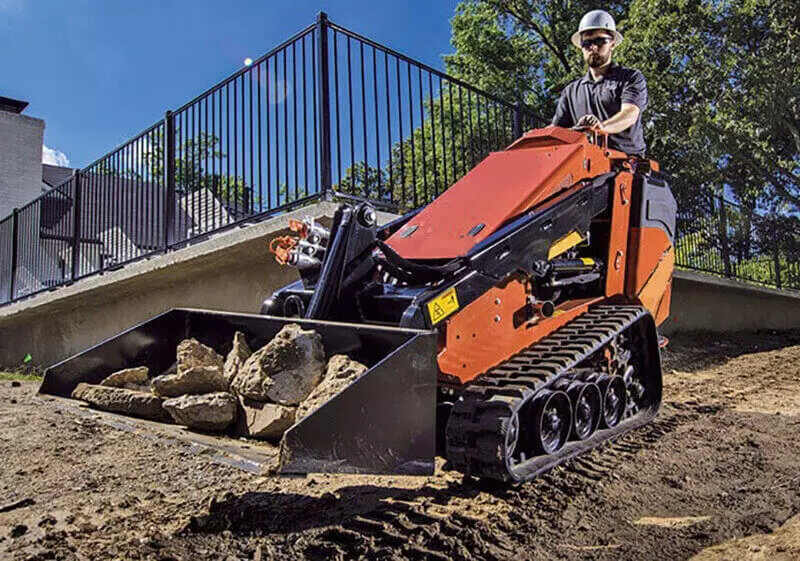
Regular maintenance is essential to extend the life of your skid steer loader, reduce repair costs, and ensure peak performance. A consistent maintenance routine saves fuel, increases uptime, and maximizes productivity.
Maintenance schedule
Check engine oil and coolant levels.
Inspect hydraulic fluid level and check for leaks.
Walk around the machine to spot signs of wear or damage.
Check tire pressure and overall condition.
Remove debris from the cab and around the engine compartment.
Grease all lubrication points per the manufacturer's recommendations.
Check the air filter; clean or replace as needed.
Inspect hydraulic hoses and fittings for leaks or damage.
Examine battery terminals and clean any corrosion.
Clean or replace the fuel filter.
Inspect and adjust track tension (if applicable).
Clean radiator and cooling fins.
Lubricate all moving parts, including lift arms and bucket linkages.
Replace engine oil and filter.
Change hydraulic fluid and filters.
Replace any worn or damaged hoses and fittings.
Have a qualified mechanic inspect the entire machine, including electrical systems and control modules.
Following this maintenance schedule helps prevent unexpected failures and keeps your skid steer loader operating reliably for years. A well-maintained machine is not only safer but also more efficient on every job site.
Keeping your skid steer loader in top condition is essential to maximize its lifespan, performance, and return on investment. By recognizing and addressing common issues—such as hydraulic leaks, engine problems, and tire wear—you can reduce costly downtime and maintain smooth operation. Most importantly, regular maintenance, from daily checks to scheduled servicing, is your best defense against unexpected breakdowns and expensive repairs.
For reliable performance and long-term durability, choose a skid steer loader from our trusted brand. Our machines are built to handle tough jobs and designed with serviceability in mind—making maintenance easier and more efficient. Invest in equipment that works as hard as you do.
A clogged hydraulic fuel filter can also cause significant skid steer performance problems. For example, if your loader doesn't have as much power as it used to, the fluid filter may be clogged.
Several accidents have occurred when loader arms and buckets fall while the operator performs maintenance in or around the loader bucket. Operator negligence, lifting arms that are not blocked or secured, and turning around automatic safety switches have also caused injuries.
Electrical wiring that is not maintained can malfunction and cause a spark that starts a fire. Skid steers are relatively small equipment with a hefty price tag. Any piece of equipment needs preventative maintenance to keep working for you.
inquiry form here
BISON BLOG, All the latest news and views from Bison Machinery.
what's hot?
Related Articles
what is the life expectancy of a compact track loader wheel loader vs excavator skid steer attachments and their uses common problems with skid steer loaders how to operate a skid steerRelated Products