19Aug 2025
table of contents
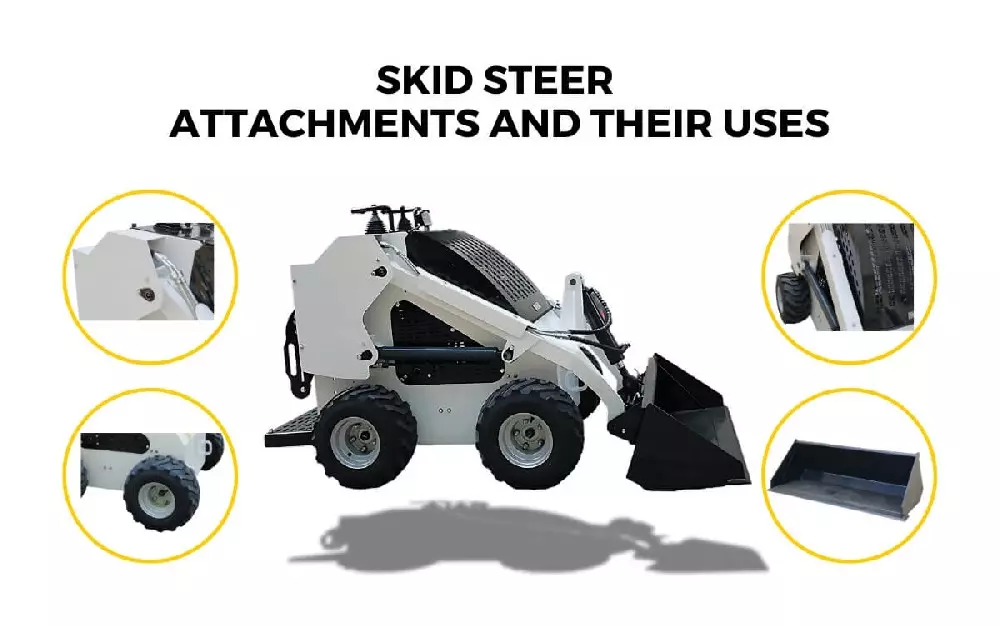
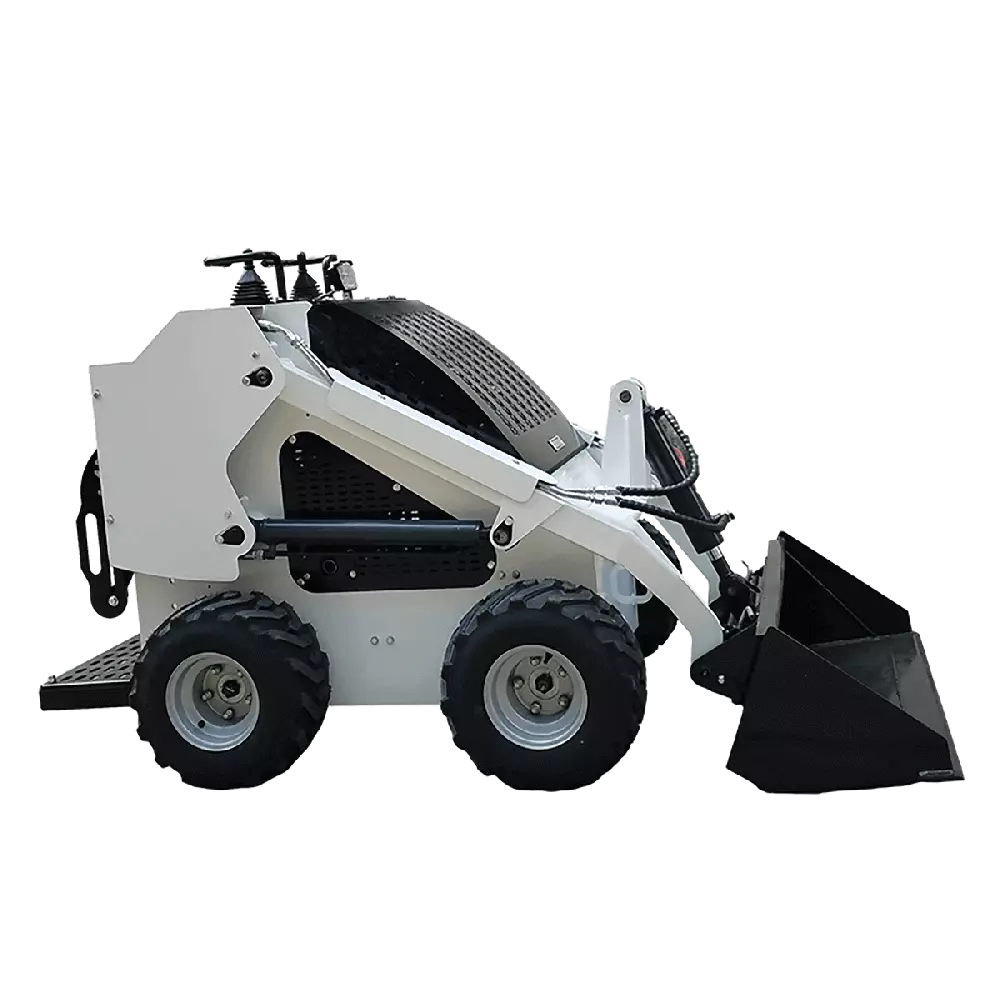
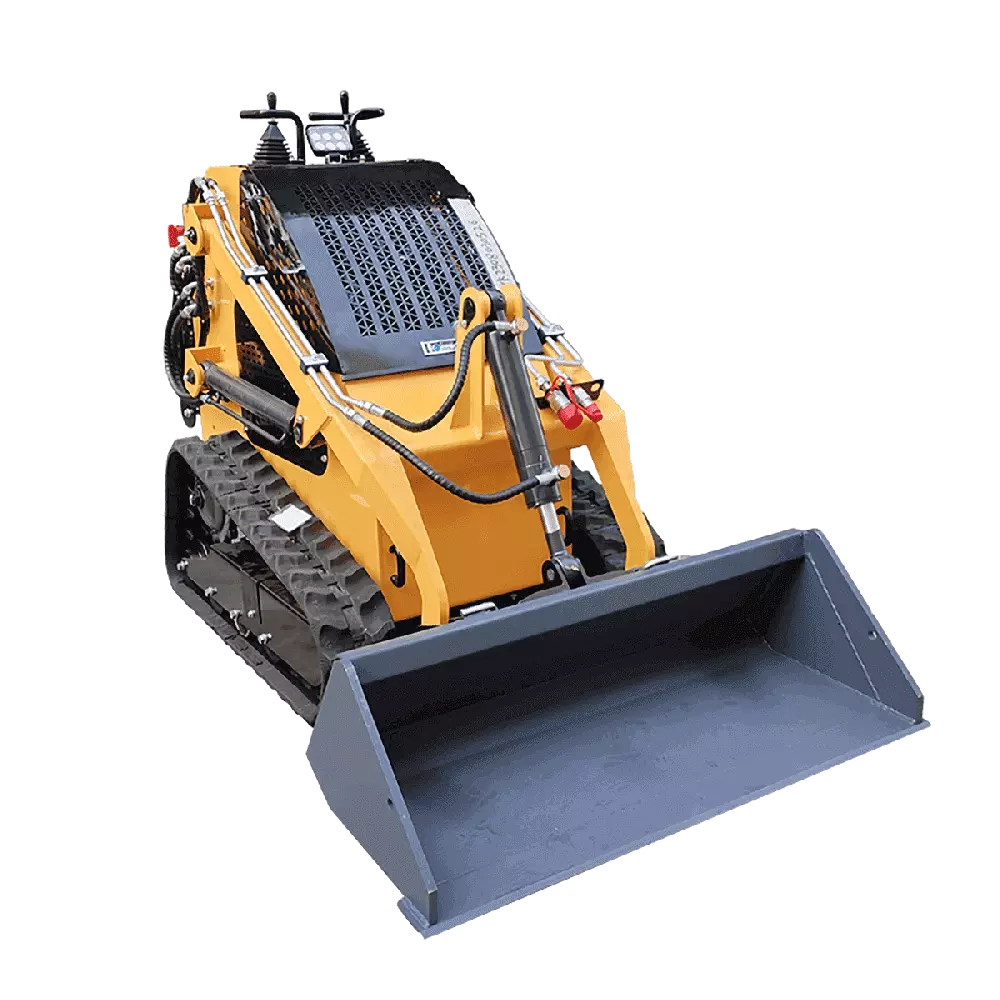
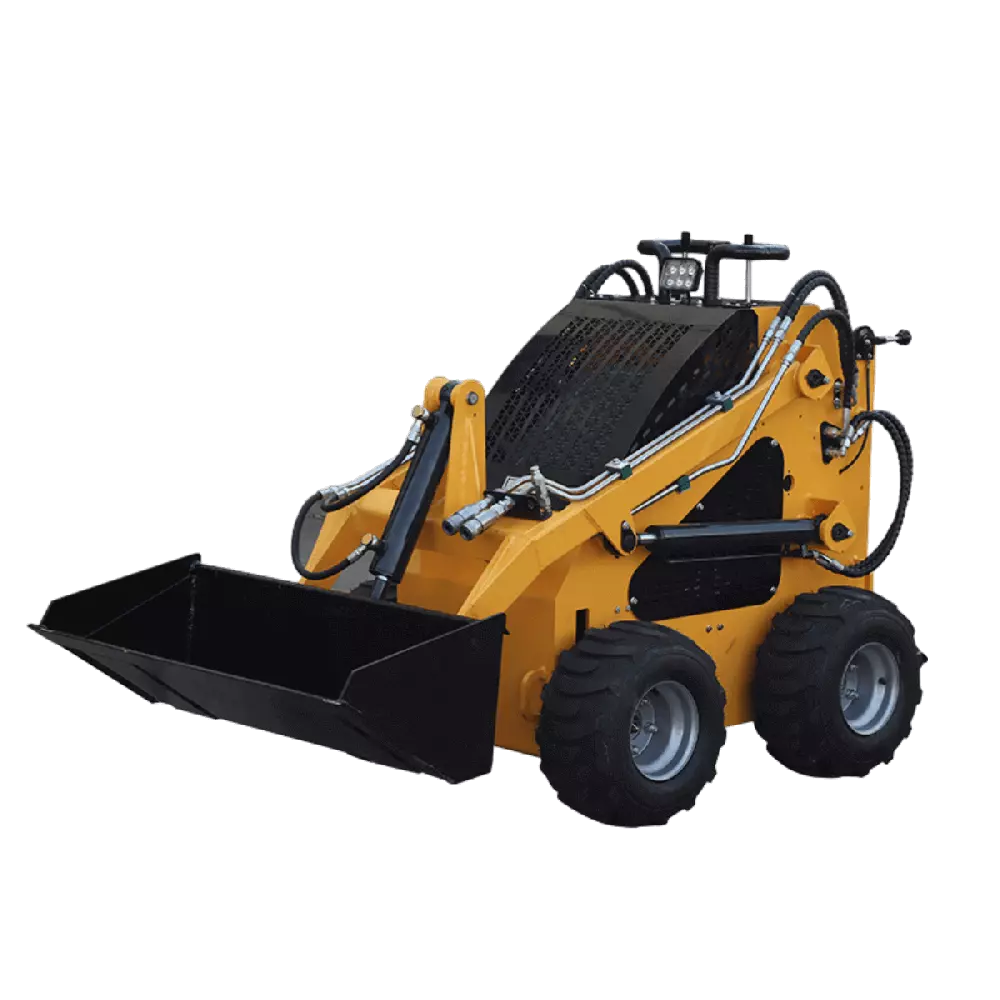
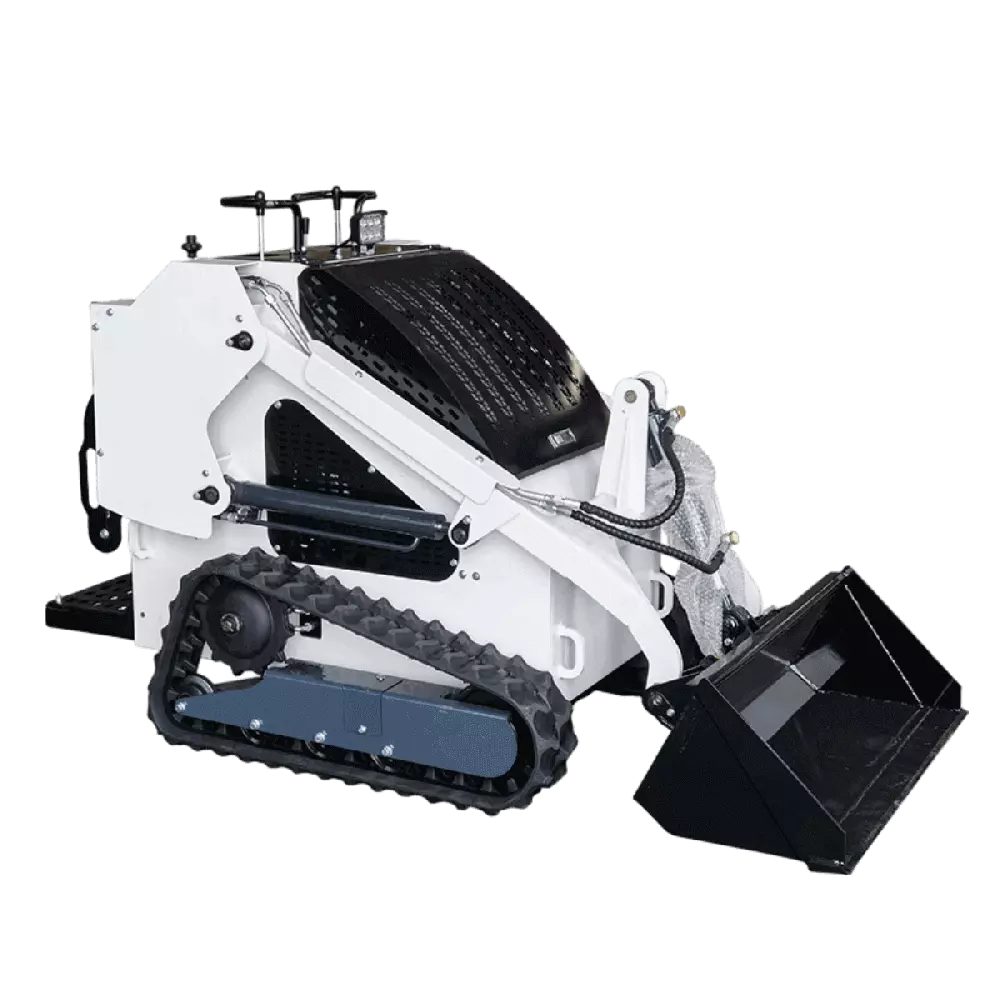
Skid steers are compact yet powerful machines that bring remarkable versatility to a wide range of industries. Think of them as multi-purpose tool carriers — with their quick-change attachment system, a single skid steer can handle the tasks of multiple machines. This flexibility makes them invaluable for construction, landscaping, agriculture, snow removal, and more.
In this article, we'll also talk about their attachments — versatile, compact machines that handle a wide range of jobs thanks to their quick-change tools.
A work tool that connects to the hydraulic arm of a skid steer loader. These attachments transform a skid steer into a multi-purpose machine capable of handling a wide range of tasks. BISON manufactures a variety of high-quality, universally compatible skid steer attachments designed to fit most skid steer models on the market. By having access to different attachments, operators can easily switch from one job to another — from digging and lifting to grading and sweeping — all with the same machine. This flexibility saves time, reduces labor, and increases productivity on any job site.
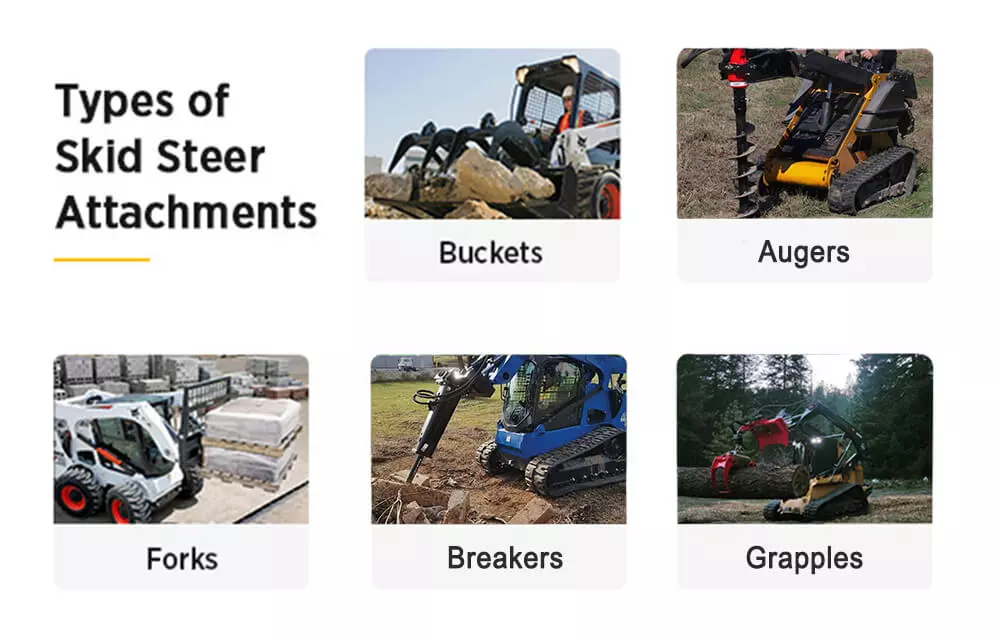
Skid steers are indispensable on construction sites, and their true power comes from a range of versatile attachments. Here's a clear breakdown of some of the most common ones used in construction:
Function: Bore holes into the ground using a rotating spiral bit.
Types: Various diameters and lengths for different hole sizes and depths; extensions are available for deeper drilling.
Common uses: Drilling holes for fence posts, deck footings, tree planting, sign installation, and structural anchors.
Example: Quickly drilling foundation post holes for a retaining wall, saving hours of manual labor.
Function: Scoop, lift, and transport loose material.
Types: General-purpose buckets, plus specialized versions for heavy-duty tasks, light materials, rocks, or debris. Grapple buckets add gripping capability for awkward loads.
Common uses: Excavating, loading trucks, backfilling, moving soil, sand, gravel, and demolition waste.
Example: Clearing debris from a site after demolition or loading sand into a truck for concrete work.
Function: Use hydraulic power to deliver strong, repetitive blows to break tough materials.
Types: Different sizes and power levels suited for various demolition jobs.
Common uses: Breaking concrete slabs, walls, rocks, and asphalt surfaces.
Example: Demolishing a concrete patio for a renovation or breaking up boulders for removal.
Function: Lift and move palletized loads easily.
Types: Fixed or adjustable forks to handle various pallet sizes.
Common uses: Moving bricks, lumber, bagged materials, and building supplies around a job site.
Example: Unloading a delivery of bricks or lifting pallets of roofing material onto a structure.
Function: Grab and secure materials with strong jaws.
Types: Industrial grapples for debris and demolition; root grapples for land clearing and forestry.
Common uses: Handling demolition debris, logs, brush, rocks, and other large or odd-shaped items.
Example: Clearing a demolition site by grabbing and loading debris or moving large rocks for landscaping.
These are just a few examples of the many skid steer attachments that boost productivity and safety on construction sites. By choosing the right attachment for each job, you can maximize the value of your skid steer and complete tasks faster and more efficiently.
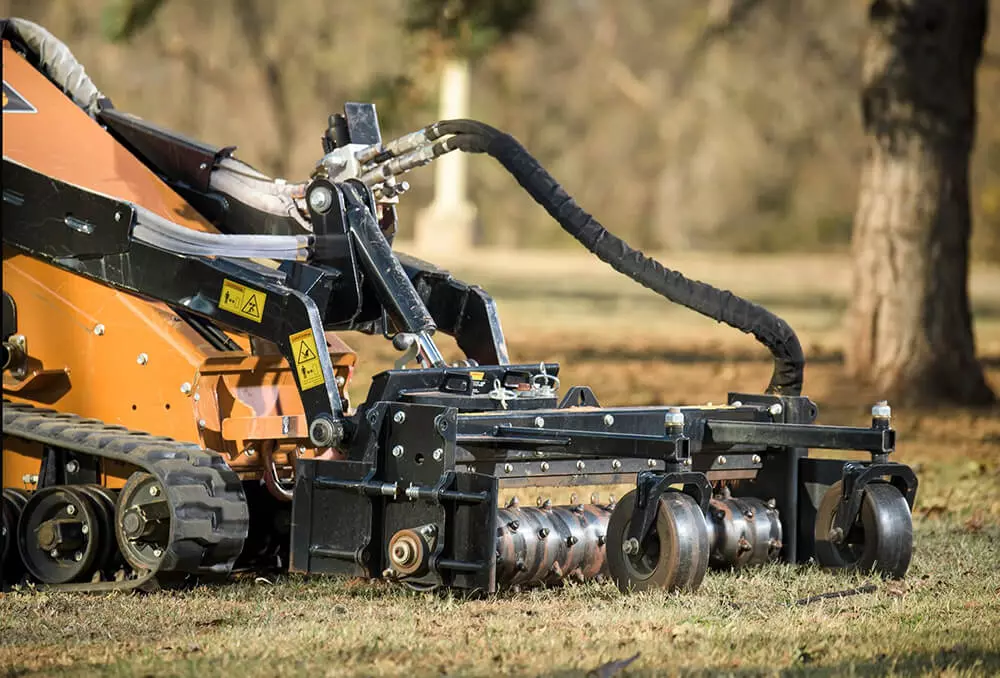
Skid steers are indispensable in landscaping thanks to a range of attachments that simplify and speed up many tasks. Here's a closer look at some common landscaping attachments and what they can do:
What they do: Cut brush, weeds, tall grass, and small trees.
Types: Rotary cutters for general clearing, flail mowers for a cleaner finish on lawns and fields, and heavy-duty brush cutters for dense vegetation.
Example: Clearing overgrown lots for parks, maintaining roadsides and fence lines, or creating firebreaks.
What they do: Break up and mix soil for new plantings.
Types: Available in various widths and tine configurations to match soil conditions and project size.
Example: Prepping garden beds, loosening soil for new lawns, or incorporating compost and soil amendments.
What they do: Dig up trees with an intact root ball for relocation and replanting.
Types: Different sizes fit various tree diameters and root systems.
Example: Moving established trees within a yard, transplanting nursery stock, or salvaging trees from development sites.
What they do: Cut and lift strips of sod for removal or relocation.
Types: Sizes vary to suit small gardens or larger areas.
Example: Removing damaged turf, clearing areas for flower beds or patios, or harvesting sod for reuse elsewhere.
What they do: Compact and level newly laid sod for better soil contact and root establishment.
Types: Available in different widths and weights.
Example: Finishing a new lawn installation, evening out bumpy turf, or compacting soil after seeding.
Make landscaping projects easier
These attachments turn a mini skid steer into a multi-purpose landscaping machine, greatly reducing manual effort and boosting efficiency. By selecting the right tools for each task, you can tackle everything from clearing overgrown lots to establishing a lush, even lawn with ease.
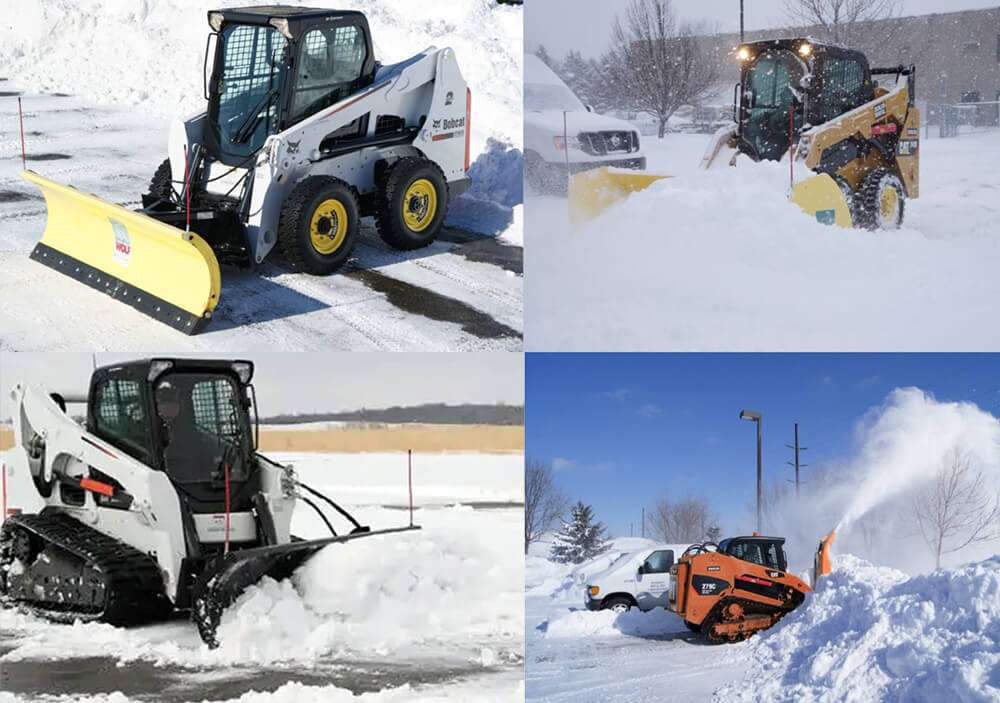
Skid steers are invaluable for snow removal, thanks to a range of specialized attachments that handle winter weather with ease. Here's a look at key tools that make snow management more efficient:
What they do: Throw snow forcefully through a chute, clearing paths and piling it away from work areas.
Types: Single-stage blowers handle lighter snowfalls; two-stage models manage heavier, wetter snow; high-volume blowers clear large areas rapidly.
Example: Uses a two-stage snow blower to clear an apartment complex parking lot after a snowstorm, keeping it accessible for residents.
What they do: Push snow across surfaces, forming piles for later removal or melting. Ideal for large, open spaces where speed is critical.
Types: Available in various sizes and shapes, including containment plows that prevent snow from spilling over the edges.
Example: Use a large snow pusher to clear a long driveways, and broad open areas after a blizzard, ensuring safe passage for vehicles.
What they do: Use rotating bristles to sweep snow, ice remnants, and debris off surfaces.
Types: Bristle materials like polypropylene or wire suit different surfaces and conditions. Collector brooms gather swept material into a hopper for easy disposal.
Example: Great for light snowfalls and final cleanup after blowing. Uses an angle broom to remove light snow and ice from the storefront entrance, ensuring safe access for customers.
Keep winter manageable
With the right snow removal attachments, your skid steer becomes a powerful winter tool — tackling everything from deep drifts to final surface clean-up. Choosing the best attachment for each condition ensures fast, safe, and thorough snow clearing all season long.
Skid steers can handle far more than basic tasks when equipped with the right attachments. Here's a closer look at additional popular attachments and how they can boost your productivity:
Uses: Install underground utilities like pipes, cables, and drainage systems quickly and accurately.
Types: Chain trenchers for general digging, rock tooth trenchers for tougher ground; various sizes allow different trench depths and widths.
Benefits: Much faster and more precise than manual trenching, reducing labor costs and time.
Uses: Sweep streets, parking lots, sidewalks, and construction sites to remove dirt, debris, and leaves.
Types: Angle brooms, rotary brooms, and collector sweepers for collecting debris into a hopper.
Benefits: Improves site cleanliness and safety, and makes debris removal quick and efficient.
Uses: Level ground for construction projects, landscaping, and road maintenance.
Types: Box blades for general leveling and laser-guided graders for high-precision grading.
Benefits: Creates a flat, even base for building and improves site drainage.
Uses: Dig trenches, footings, and small foundations — perfect for jobs where a larger excavator isn't practical.
Types: Available in different sizes and digging depths to match your project needs.
Benefits: Provides strong digging power in a compact, maneuverable package.
Get the most out of your skid steer
Understanding the wide variety of skid steer attachments and their specific uses helps you get more done with one machine. Choosing the right attachment for each job saves time and labor while boosting safety and productivity across your projects.
Proper maintenance and safe operation are essential for getting the most out of your skid steer attachments and avoiding unnecessary downtime or accidents. Here's a practical guide to help you protect your investment and work safely:
Maintenance Tips
Regular care extends the life of your attachments and keeps them performing at their best.
Cleaning: After each use, clean off dirt, debris, and buildup. This prevents corrosion and ensures smooth operation — just like washing your car helps it last longer.
Lubrication: Grease moving parts regularly according to the manufacturer's guidelines. This reduces friction and wear, helping parts last longer. A little lubrication goes a long way!
Inspection: Check attachments often for cracks, loose bolts, worn edges, or other damage. Fix issues promptly to avoid bigger problems and to maintain safe operation. Early detection saves time and money.
Storage: Store attachments in a dry, covered area when not in use to protect them from rain, snow, and rust. Good storage preserves condition and saves you on future repairs.
Safety precautions
Safe operation protects you, your machine, and everyone on site.
Proper attachment handling: Always follow the manufacturer's instructions when attaching or removing implements. Work on level ground with the hydraulics lowered. Take your time — rushing increases the risk of mistakes.
Secure connections: Double-check that the attachment is locked securely before starting work. An unsecured attachment can cause serious damage or injury.
Operational guidelines: Operate each attachment within its rated capacity and intended use. Never overload or misuse attachments. Knowing your limits keeps operations smooth and safe.
Personal protective equipment (PPE): Wear the right PPE, including safety glasses, gloves, and sturdy footwear. This protects you from flying debris and moving parts. Safety should always come first.
By following these maintenance and safety practices, you'll extend the lifespan of your skid steer attachments, prevent costly repairs, and maintain a safe, productive work environment. A little care today means fewer problems tomorrow.
Whether you're digging, lifting, mowing, or clearing snow, the right attachment makes every job easier, faster, and more efficient. BISON encourages you to explore the wide world of skid steer attachments and discover the perfect tools to boost your productivity.
Visit our website to browse our full selection of high-quality attachments. Contact us today to speak with one of our knowledgeable representatives and find the ideal solutions for your projects. Let BISON help you get the job done right — every time.
Choose the right skid steer attachment by considering the job location, type of work, lifting needs, and available space. Identify the specific tasks you need to perform and select attachments that match those tasks. It's best to consult experts or trusted suppliers to make a well-informed choice.
inquiry form here
BISON BLOG, All the latest news and views from Bison Machinery.
what's hot?
Related Articles
what is the life expectancy of a compact track loader wheel loader vs excavator skid steer attachments and their uses common problems with skid steer loaders how to operate a skid steerRelated Products