13Mar 2026
table of contents
Have you ever wondered how massive construction projects, from skyscrapers to highways, come to life? The secret often lies in one essential machine: the excavator.
An excavator is a heavy-duty construction machine designed to dig, lift, and move large amounts of material with precision and power. It plays a key role in industries such as construction, mining, and landscaping. Whether digging foundations, lifting heavy materials, or demolishing old structures, excavators handle a wide range of tasks efficiently. In this article, BISON will explore the main components, different types of excavators, how they are used across various industries, and how to choose.
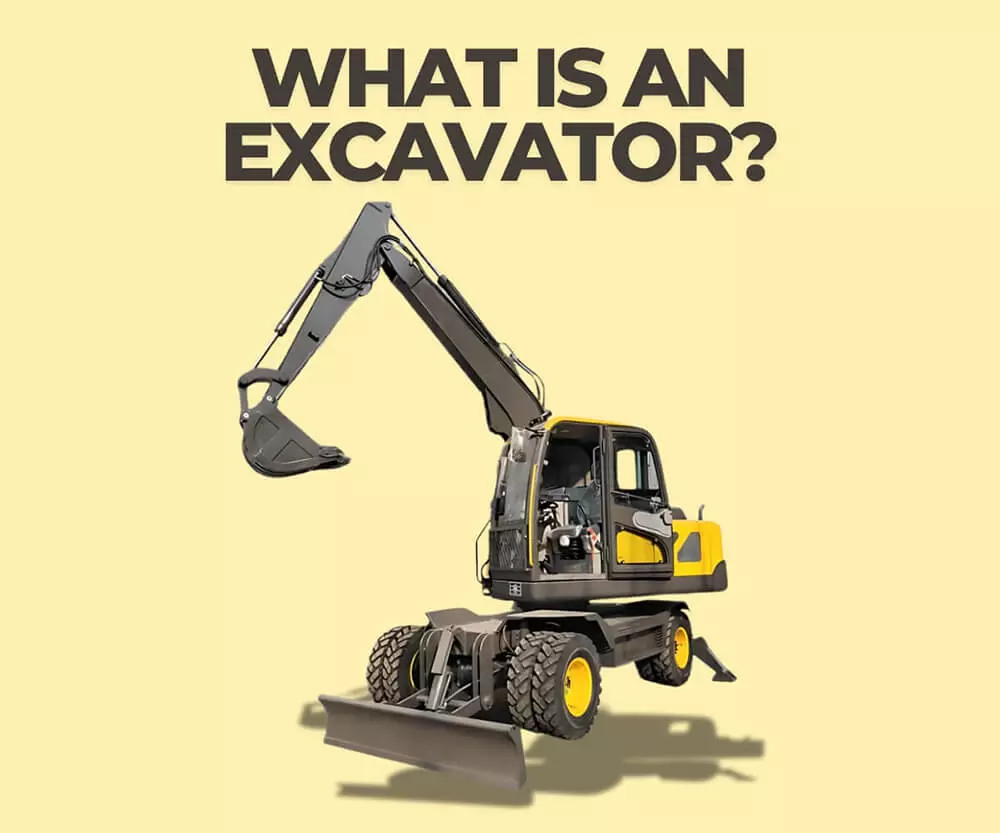
An excavator is made up of several key components that work together to ensure efficient performance on the job site. Each part plays a crucial role in the machine's overall function.
The cab, also called the house, is where the operator controls the machine. It contains the seat, controls, and monitoring systems. Modern excavators feature enclosed cabins with air conditioning, ergonomic seating, large windows for visibility, and joystick controls for precise operation. Many models also include advanced monitoring systems that provide real-time data on fuel usage, diagnostics, and maintenance alerts. Safety features such as rops (roll-over protective structure) and fops (falling object protective structure) help protect the operator.
The boom is the large arm attached to the main body of the excavator. It provides height and reach, allowing the machine to dig or lift at different depths. Made from high-strength steel, the boom can be raised, lowered, and angled to improve versatility and handle demanding tasks.
The arm, also known as the dipper or stick, connects the boom to the excavator bucket. It extends and retracts to control digging depth and reach. Its design allows precise bucket movement, making excavation controlled and efficient. Arm length varies depending on the application.
The bucket is attached to the end of the arm and is used for digging, lifting, and moving materials such as soil, rocks, and debris. Buckets come in different sizes and designs for specific tasks, including general excavation, heavy-duty digging, and grading. They can also be replaced with other attachments, such as grapples or hydraulic hammers, for specialized applications.
The undercarriage supports the entire machine and allows movement. Excavators may use tracks or wheels, depending on the application. Tracked excavators provide better stability and traction on rough or soft terrain, while wheeled excavators offer faster movement and better mobility on paved or smooth surfaces. The undercarriage also includes the swing bearing, enabling 360-degree rotation of the upper structure.
The engine, typically diesel-powered, provides the energy needed to operate the excavator. Hybrid and electric models are also becoming more common. The hydraulic system uses fluid power to control the movement of the boom, arm, and bucket, delivering the force required for digging, lifting, and other operations with precision and efficiency.
Together, these components allow the excavator to perform demanding tasks with power, accuracy, and reliability.
Excavators come in different sizes and configurations to suit various job site requirements. The choice depends on the project size, terrain, and specific tasks. Below are the most common types of excavators and their key features.
Crawler excavators are the most widely used type. They operate on continuous tracks, providing excellent stability and traction on rough, uneven, or muddy terrain. These machines are commonly used in construction, mining, and other heavy-duty applications.
Advantages: strong stability, high lifting capacity, and reliable performance on soft ground.
Disadvantages: slower travel speed, larger footprint, and more difficult transportation between sites.
Wheeled excavators use rubber tires instead of tracks, allowing faster movement and better mobility on paved or smooth surfaces. They are often used in urban construction, roadwork, and landscaping projects where frequent relocation is needed.
Advantages: higher travel speed and better mobility on roads and developed areas.
Disadvantages: less stability and lifting capacity on rough or uneven terrain compared to crawler models.
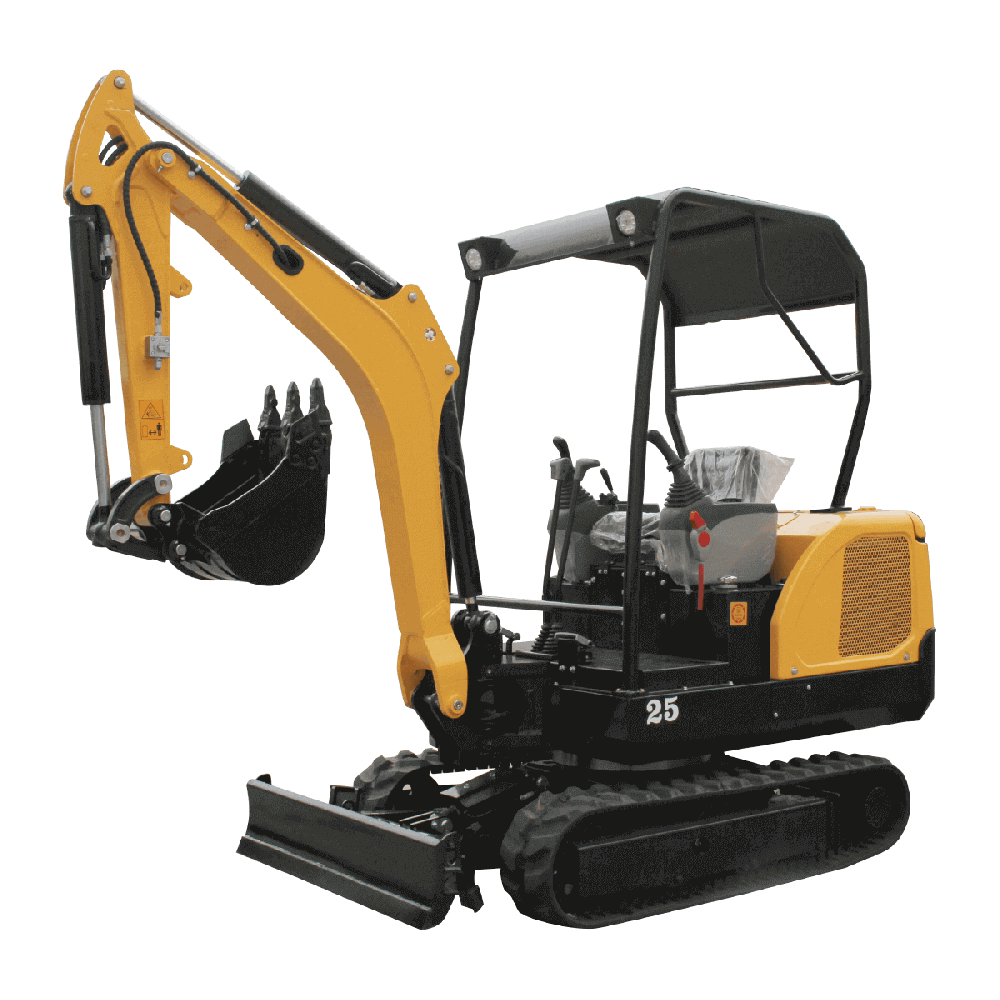
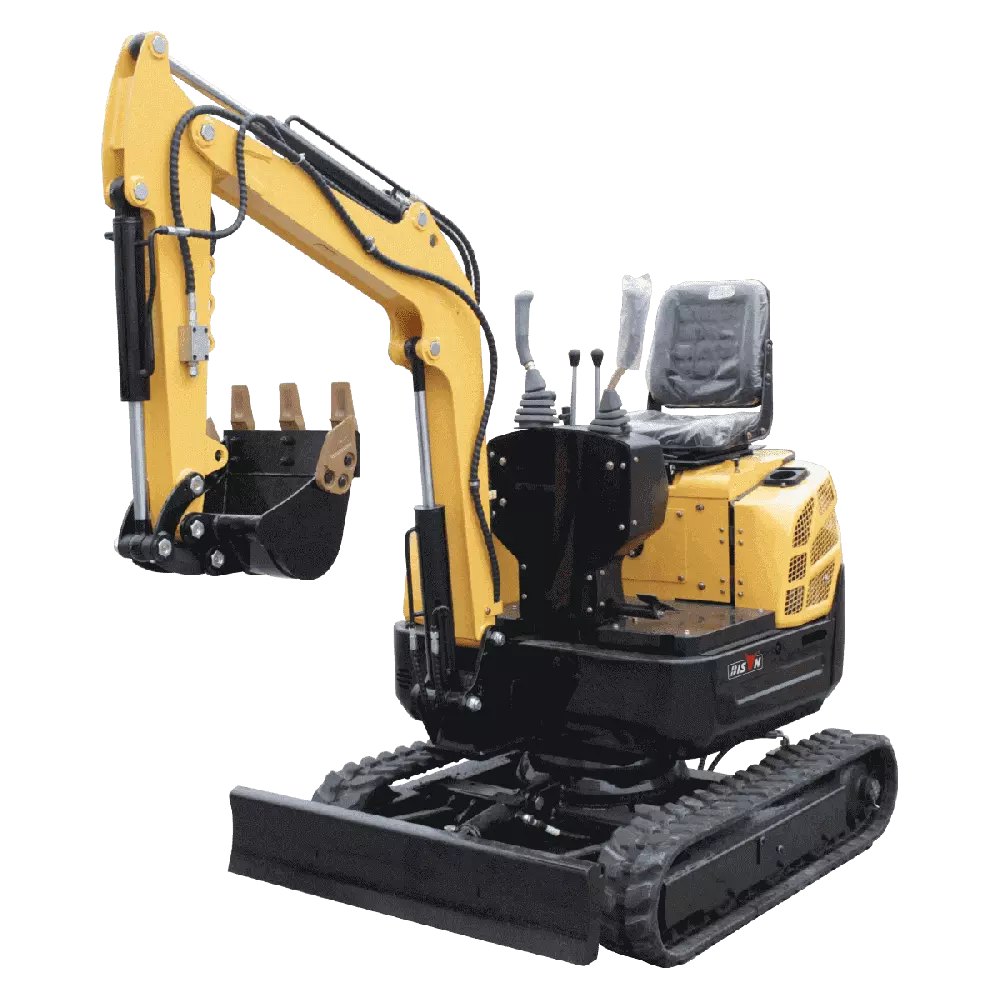
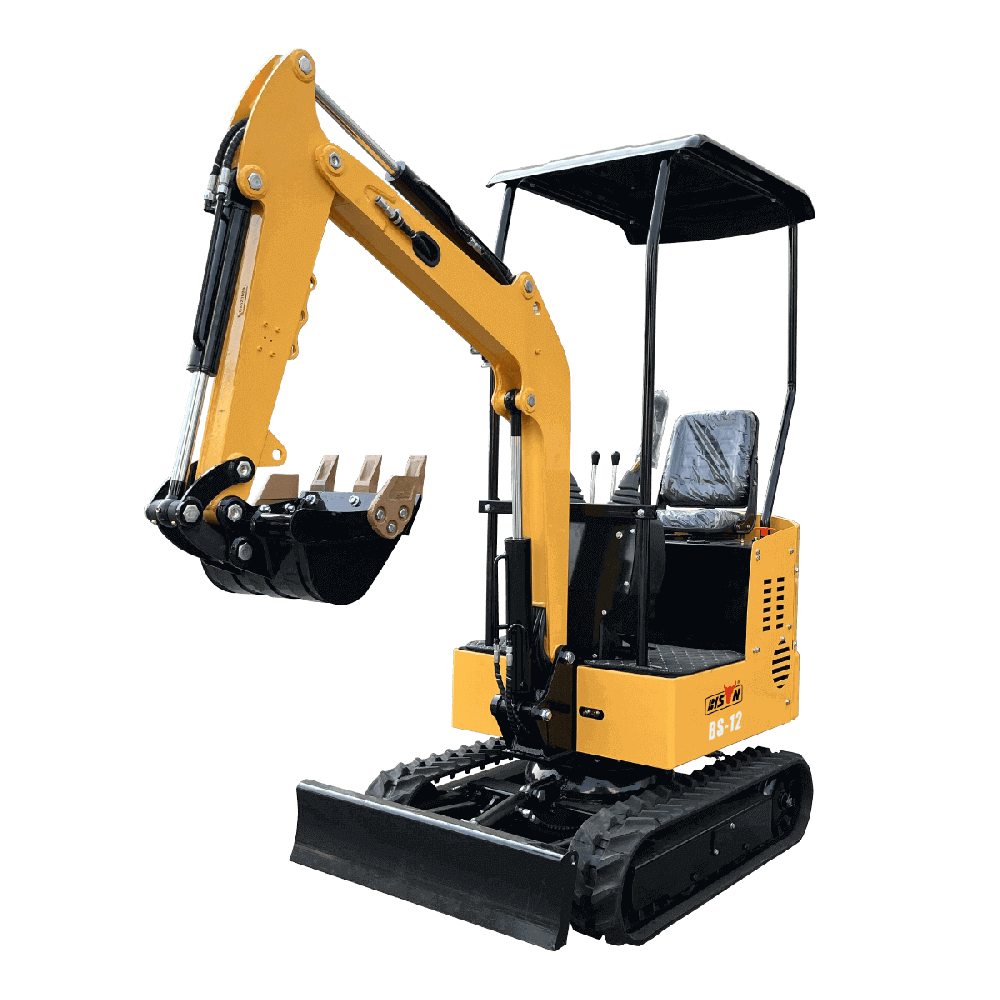
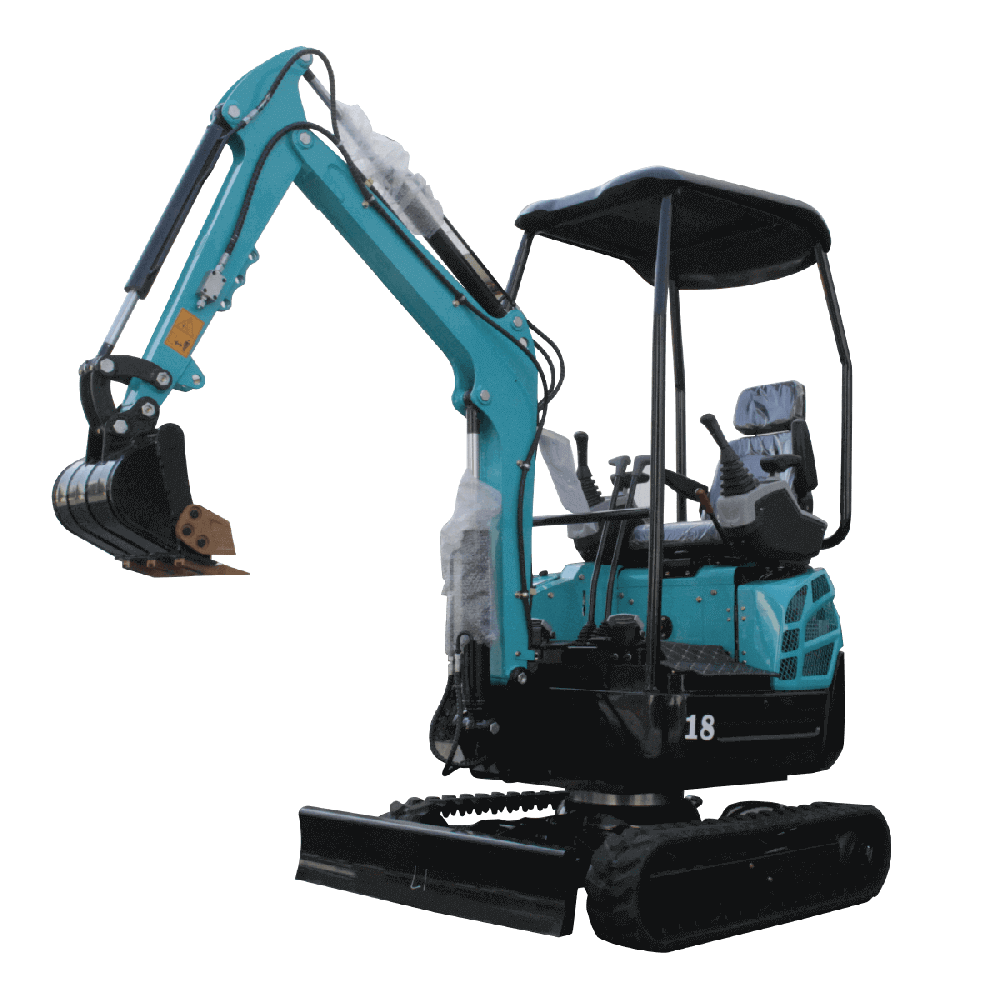
Mini excavators, also known as compact excavators, are lightweight and designed for small jobs and tight spaces. They are widely used in residential construction, landscaping, and utility work. Despite their size, they can handle digging, grading, and light lifting tasks efficiently.
Advantages: compact size, easy maneuverability, and ideal for confined or urban areas.
Disadvantages: limited digging depth and lifting capacity compared to larger models.
Long-reach excavators feature an extended boom and arm, allowing them to work at greater distances and depths than standard models. They are commonly used for river dredging, deep excavation, demolition, and working over obstacles.
Advantages: extended reach for specialized or hard-to-access jobs.
Disadvantages: larger size, higher cost, and less versatility for general tasks.
Hybrid excavators combine a traditional diesel engine with electric motors or hydraulic energy storage systems. They are designed to improve fuel efficiency and reduce emissions while maintaining strong performance.
Advantages: lower fuel consumption, reduced emissions, quieter operation, and improved energy efficiency.
Disadvantages: higher initial investment and more complex maintenance.
Dragline excavators are large machines used for massive earth-moving projects, especially in mining and large-scale construction. Their unique design allows them to move significant volumes of material over long distances.
Advantages: ideal for large-scale excavation and mining operations.
Disadvantages: very large size and limited suitability for smaller or urban projects.
Backhoe loaders combine a front loader bucket with a rear digging arm. They are versatile machines suitable for small to medium projects such as roadwork, landscaping, and utility installation.
Advantages: multi-functional design for digging, loading, and lifting.
Disadvantages: lower digging capacity compared to dedicated excavators.
No matter the project size or terrain, there is an excavator designed to meet the specific demands of the job, improving efficiency and productivity on site.
Excavators are highly versatile machines used across many industries. Their ability to dig, lift, and handle materials makes them essential for a wide range of tasks.
Excavation is the primary function of an excavator. These machines dig foundations, trenches, and holes for construction projects such as roads, pipelines, and utility installations. They can efficiently handle materials like soil, gravel, and rock.
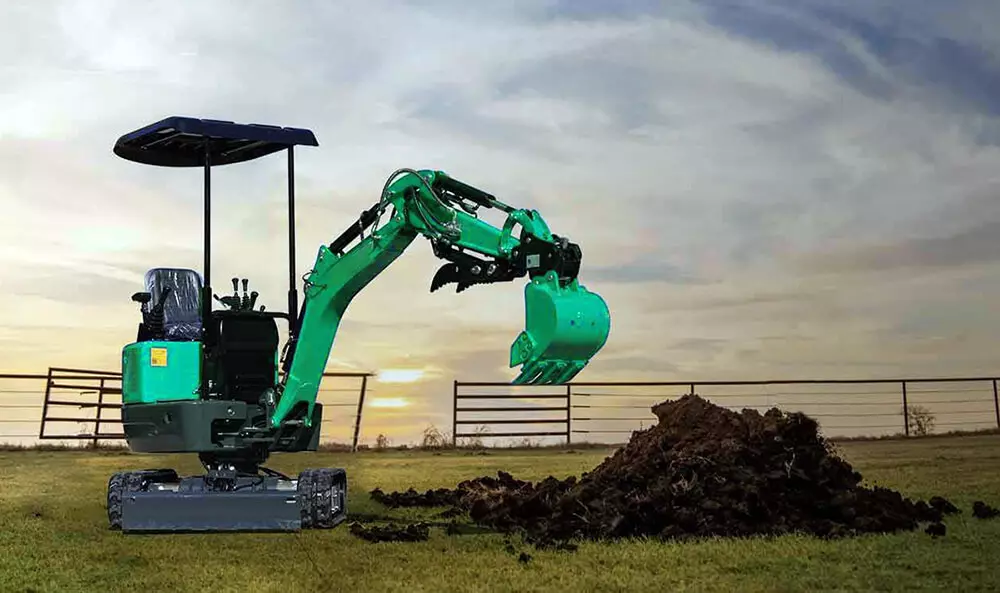
Excavators are widely used in demolition projects. With attachments such as hydraulic hammers, shears, and crushers, they can break down concrete, brick, and steel structures safely and efficiently.
Excavators can be equipped with various attachments for lifting and moving materials. They are commonly used to load trucks, move large rocks, handle debris, and position heavy materials with precision.
In landscaping projects, excavators are used for grading and leveling land, digging drainage ditches, and removing tree stumps. Their precision and flexibility make them suitable for detailed ground preparation work.
Excavators play a crucial role in mining operations, where they dig and extract ore, coal, and other minerals. Mining excavators are typically larger and built to withstand heavy loads and demanding working conditions.
Choosing the right excavator is essential for completing your project efficiently and cost-effectively. To make the best decision, consider the following key factors:
The excavator size should match the scale of your project. For small tasks such as landscaping, trenching, or residential work, a mini or compact excavator is usually sufficient. For larger projects like commercial construction, foundation digging, demolition, or mining, a full-size crawler or long-reach excavator is more suitable. Selecting the correct size ensures the machine can handle the workload without being oversized or underpowered.
Different tasks require different capabilities. Consider the digging depth, lifting capacity, and reach needed for your project. If you plan to handle heavy materials, choose a model with strong lifting performance and stability. For specialized work such as demolition or dredging, ensure the excavator supports the necessary attachments, such as hydraulic hammers, grapples, or extended arms.
The job site conditions play a major role in your choice. Crawler excavators provide better stability and traction on rough, soft, or uneven ground. Wheeled excavators offer faster movement and better mobility on paved roads and smooth surfaces. For tight urban areas or confined spaces, compact models may be more practical.
Excavators can be equipped with various attachments, including buckets, breakers, grapples, and augers. Before choosing a model, confirm that it supports the attachments required for your specific tasks. This flexibility increases productivity and expands the machine's applications.
If the excavator will operate for long hours, fuel efficiency becomes important. Hybrid models may have a higher upfront cost but can reduce fuel consumption and emissions over time. Efficient machines help lower operating costs and improve long-term value.
Your budget will influence the final decision. Smaller excavators are generally more affordable and suitable for light-duty work, while larger machines cost more but offer greater power and capacity. In addition to the purchase price, consider fuel consumption, maintenance, and long-term operating costs.
By evaluating project size, job requirements, terrain, attachments, fuel efficiency, and budget, you can select the excavator that best fits your needs and ensures smooth, productive operations.
Operating an excavator requires responsibility and strict attention to safety. Following proper procedures helps protect workers, prevent damage, and keep the machine performing efficiently.
Before starting the excavator, always inspect the machine to ensure it is in good working condition. Operate at a safe speed, especially when turning or traveling over uneven ground. Keep the machine stable and avoid overloading it. Use the boom and arm within their safe working range to prevent tipping. Stay focused on the controls and remain aware of your surroundings at all times.
Regular maintenance is essential for safe and efficient operation. Conduct daily checks on key components such as the hydraulic system, undercarriage, and bucket. Follow the manufacturer's service schedule, including changing engine oil, replacing filters, and inspecting tracks or wheels. Proper maintenance reduces the risk of breakdowns, improves efficiency, and extends the machine's lifespan.
Always wear appropriate personal protective equipment, including a helmet, gloves, a high-visibility vest, and steel-toed boots. Inspect the work area for obstacles, overhead power lines, and nearby workers before operating the machine. Maintain a safe working distance and communicate clearly with the jobsite team. Avoid operating in hazardous weather conditions and follow all site safety regulations.
Trained and certified operators are essential for safe and productive operation. Proper training ensures operators understand machine controls, safety procedures, and emergency response actions. Skilled operators improve jobsite efficiency while reducing the risk of accidents and equipment damage.
By following proper operating practices, maintaining the machine regularly, and ensuring qualified operators are in control, you can maximize excavator performance while maintaining a safe and productive work environment.
An excavator typically lasts between 10,000 and 20,000 operating hours, depending on usage and maintenance. Regular servicing, including oil changes and component inspections, helps extend its lifespan and reduce the risk of unexpected breakdowns.
Excavators are powerful and versatile machines that play a crucial role in construction, mining, and other heavy industries. They provide the strength and flexibility needed to handle demanding tasks efficiently.
We've explored their key components, including the cab, undercarriage, boom, and arm, as well as the different types ranging from mini excavators to heavy-duty models. Each type is designed for specific applications, ensuring reliable performance across projects of varying sizes and complexity. Understanding these differences helps you choose the right machine for your needs.
Whether digging foundations, moving earth, or performing demolition, excavators are essential on the jobsite. With the right excavator, you can improve productivity, accuracy, and safety. Ready to move forward with your project? Choose the right excavator to maximize efficiency and achieve better results.
inquiry form here
BISON BLOG, All the latest news and views from Bison Machinery.
what's hot?
Related Articles
mini excavator sizes: choosing the right size for your project how to change the bucket of a mini excavator large excavators vs mini excavators what equipment do you use for demolition? common questions about excavator hydraulic systemsRelated Products