06Feb 2026
table of contents
Imagine driving down a brand-new road the wheels hum softly, the surface is perfectly smooth, and there's not a single bump in sight. That satisfying feeling doesn't happen by accident. Behind every flawless road is a powerful machine working hard to make it that way: the road roller.
A road roller is a large construction machine designed to press and flatten the ground, gravel, or asphalt, making it stable and level. It's an essential tool wherever a solid, level surface is required. Without road rollers, roads would crack, shift, or wear out much faster.
In this article, BISON'll explain what a road roller does, how it works, and why it's so important in construction. We'll also explore the different types of road rollers, how they're used on job sites, and what makes each type useful for specific tasks. Whether you're new to construction or simply curious, this guide will help you understand the vital role road rollers play in shaping the world around us.
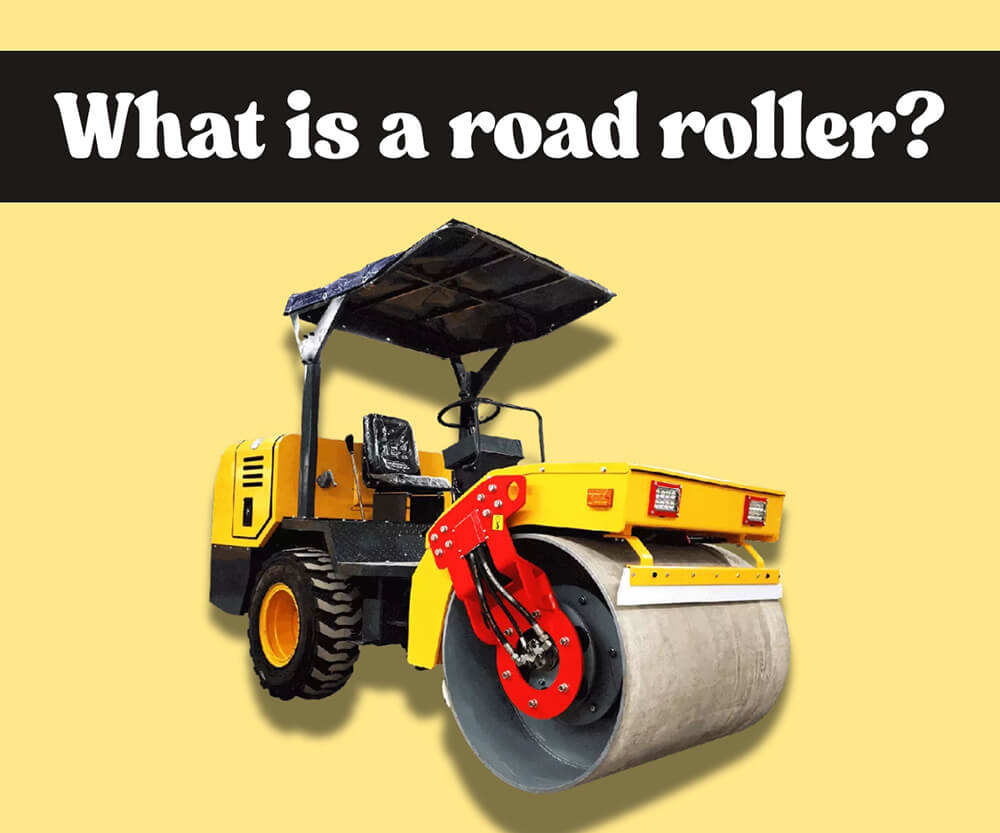
A road roller, or roller compactor, is a heavy construction machine that provides a stable and smooth surface for dirt, gravel, concrete, or asphalt. These machines are essential for many construction projects, particularly road building, where they ensure proper material compaction to improve stability and durability.
Road rollers are vital in constructing and maintaining roads, highways, and other infrastructure. Their primary function is to compress materials on the ground, reducing air voids and improving load-bearing capacity. Proper compaction ensures that surfaces can withstand traffic loads, prevent future damage, and extend the lifespan of pavements, foundations, and other surfaces that support heavy loads over time.
Weight: Road rollers are extremely heavy, and their weight alone helps press down materials and eliminate air pockets.
Rolling drums or tires: Most road rollers use large steel drums or heavy-duty rubber tires to roll over surfaces. Drum shapes and sizes vary depending on the type of material being compacted.
Durability: Built to handle tough jobs, road rollers are made of strong materials and designed to work on all kinds of terrain, from soft soil to rough gravel.
Road rollers compact materials by applying force to eliminate voids or air spaces, making the surface stronger and more stable. There are two primary methods:
Static compaction: The road roller's weight presses down on the material as it rolls over it. This simple method is effective for many surfaces, particularly for top layers or lighter materials, but may take longer to achieve deep compaction.
Vibratory compaction: Vibratory road rollers add rapid vibration to the drum in addition to their weight. This dynamic force moves particles closer together, allowing faster and deeper compaction. It is especially effective for granular materials like gravel, where high density and stability are required.
To ensure even and thorough compaction, road rollers usually pass over the same area multiple times, following a planned overlapping pattern. This careful approach guarantees that the finished road or foundation is solid, durable, and long-lasting.
There are several types of road rollers, each designed for specific tasks and materials. The type of road roller chosen depends on the surface being compacted and the level of compaction required. Here's a closer look at the main types:
Smooth drum road rollers are the most common type in road construction. They have large, smooth steel drums that evenly distribute pressure, producing uniform compaction. These road rollers are perfect for finishing flat surfaces like asphalt roads and pavements, creating a clean, polished finish.
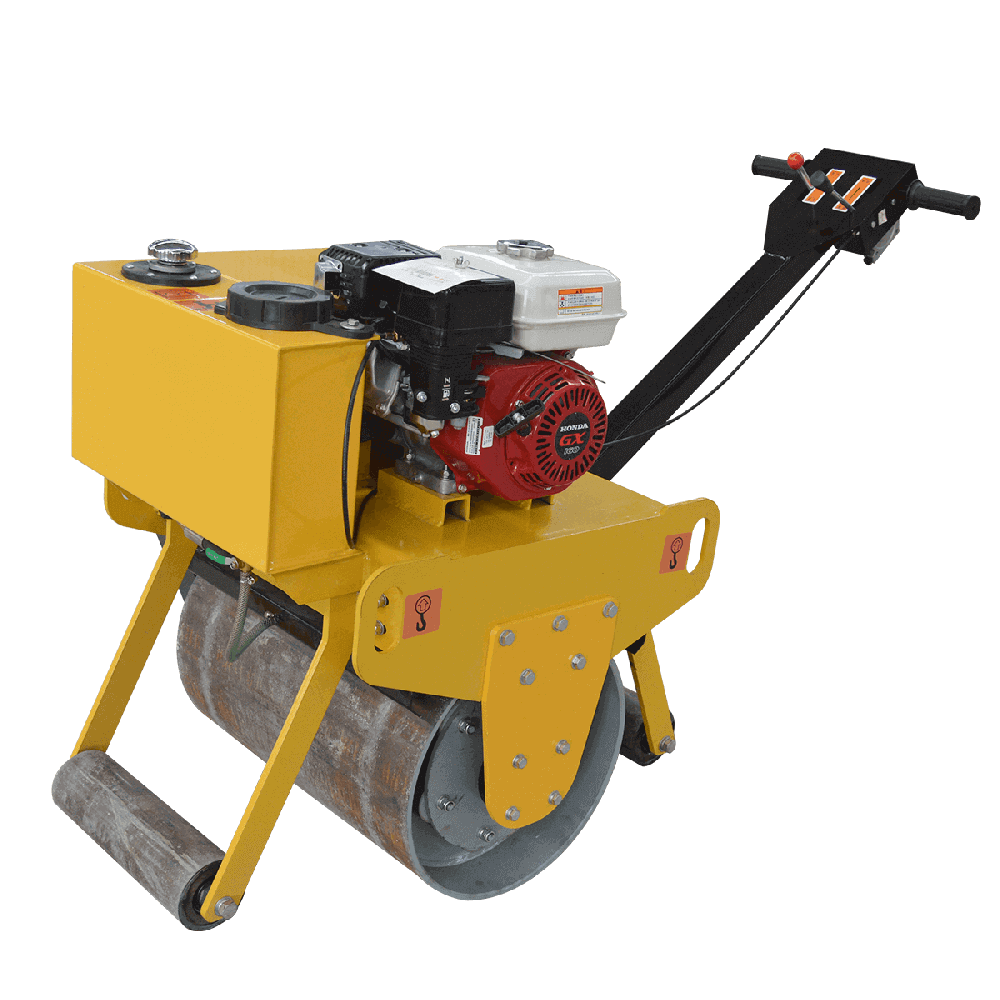
Single-drum smooth rollers: Have one large drum at the front, suitable for deep compaction on uneven or rough terrain. Often used on road bases or embankments.
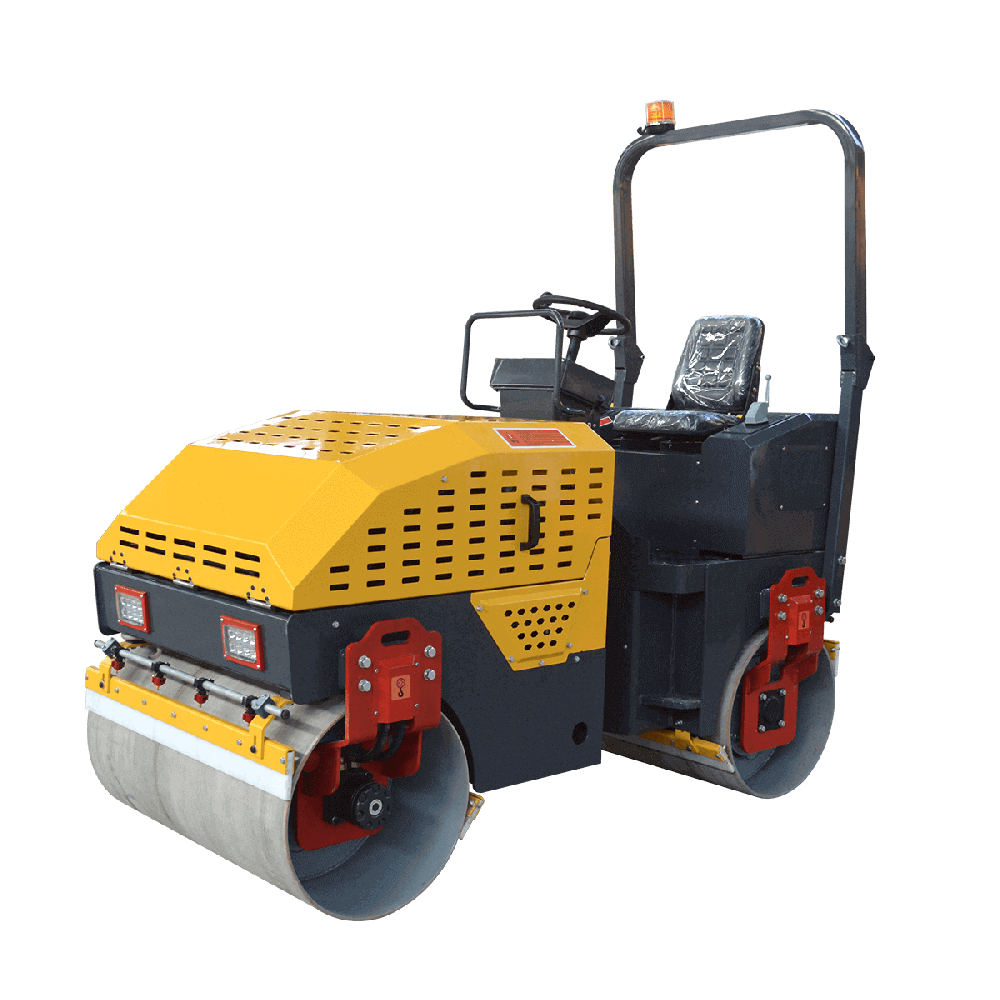
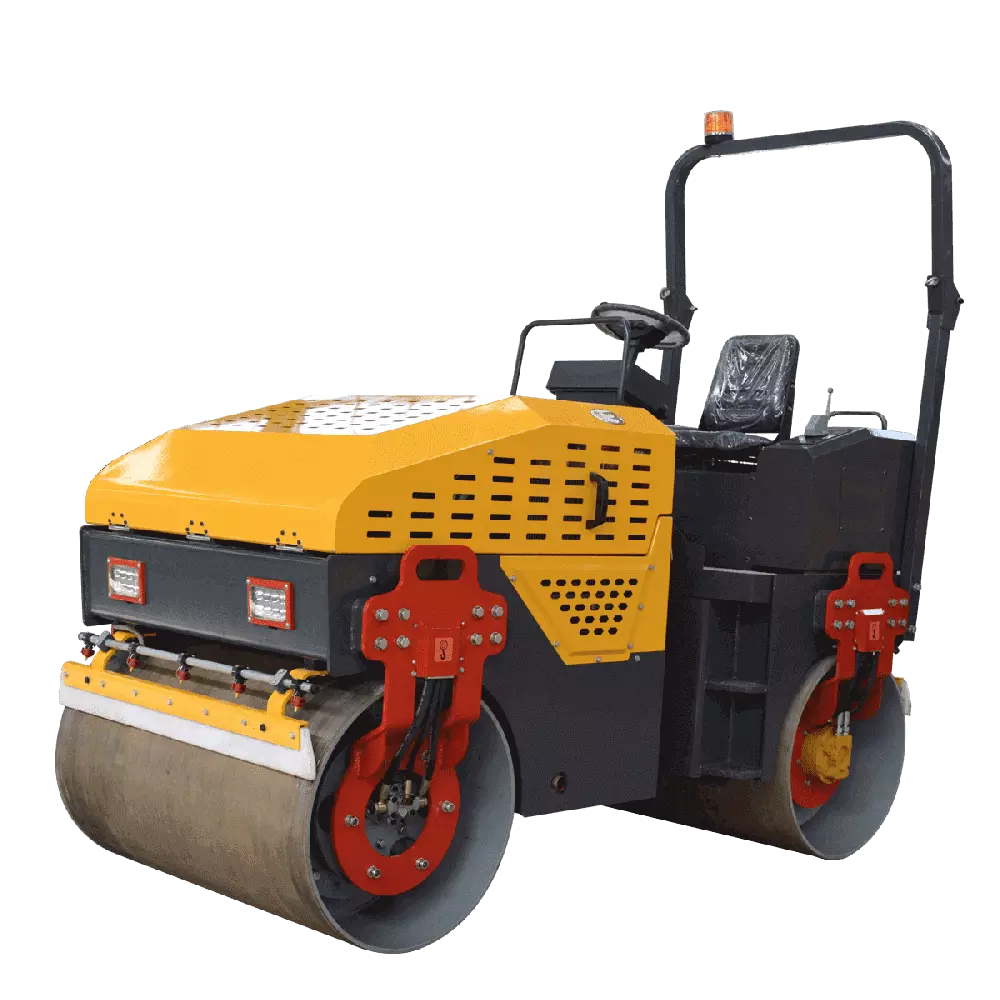
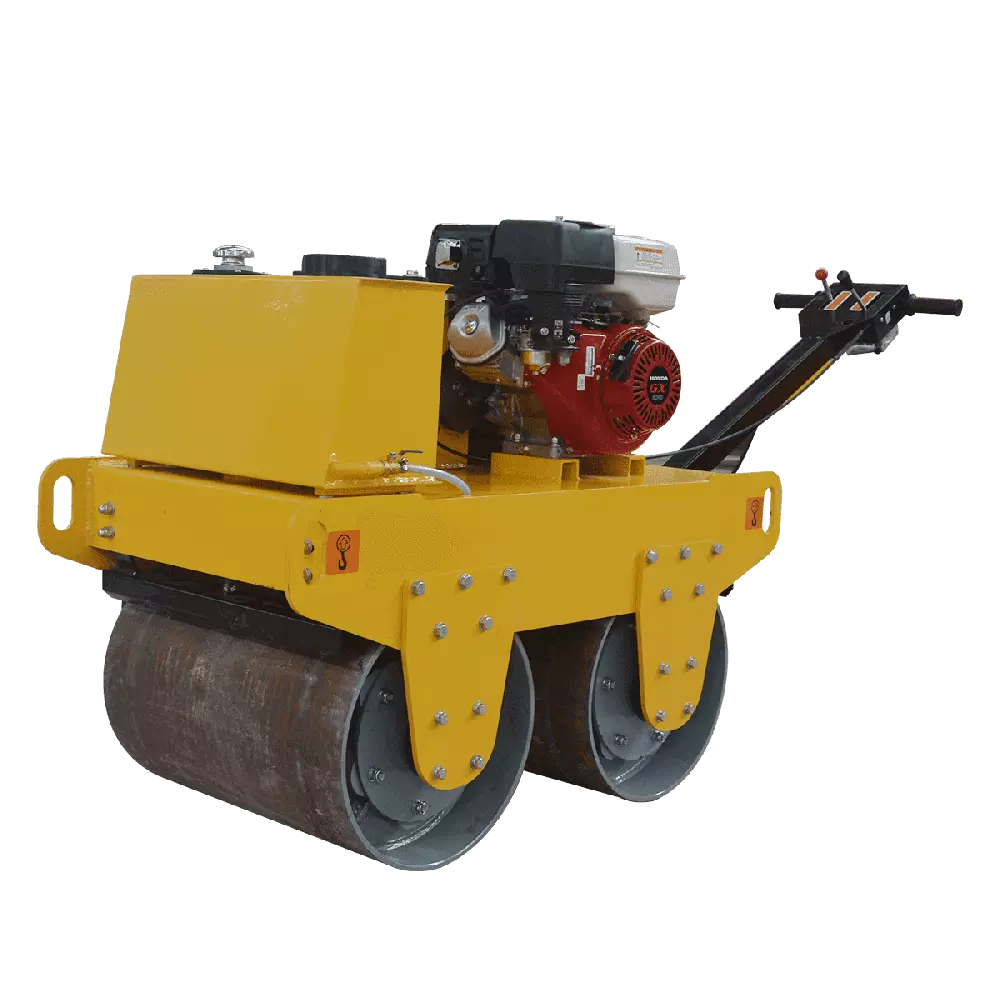
Double-drum smooth rollers: Feature drums at both front and back, ideal for flat, smooth surfaces like asphalt. They provide even pressure and vibration across a wide area, making them perfect for finishing work.
Padfoot rollers have drums covered with metal "feet" or pads that dig into the surface, providing greater compaction forces. They are commonly used to compact clay, silt, and gravel, making them ideal for subgrade preparation before laying asphalt. The pads help break up and pack soil more effectively, ensuring stability for roadbeds or foundations.
Vibratory road rollers combine static compaction with dynamic vibration, increasing compaction effectiveness and reducing the number of passes required. The vibration shakes particles into place, improving both speed and depth of compaction.
Single-drum vibratory rollers: Commonly used in asphalt compaction for various materials.
Double-drum vibratory rollers: Used for heavy compaction work, providing better coverage over wide surfaces.
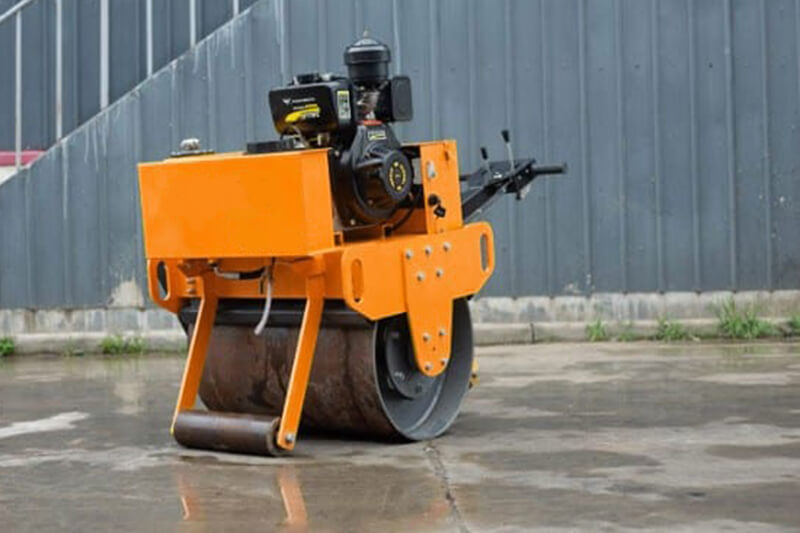
Tandem road rollers are a variation of double-drum rollers, with two drums working in tandem. They are ideal for reducing surface layers such as asphalt on roads and highways, achieving a uniform, smooth finish. Tandem rollers are also used for road grading, patching, and maintaining paved surfaces.
Pneumatic rollers use rows of large rubber tires instead of steel drums. The tires apply kneading pressure, which is especially useful for compacting asphalt and finishing soil layers. These road rollers distribute weight evenly, ensuring excellent density and a smooth, durable surface. They are often used in the final stages of road construction.
Combination rollers feature a smooth drum in front and pneumatic tires in the back, combining the benefits of both types. They are versatile and ideal for compacting various materials, including granular soil and asphalt, providing a smooth, durable finish for paving projects.
Rely solely on their weight to press down materials. They do not vibrate or bounce, using gravity and pressure for compaction.
Feature a steel drum with a grid pattern, suitable for coarse soil, gravel, and rock. The open design allows better traction and crushing power on rough surfaces.
Each type of roller has its strengths, and construction crews often use a combination of road rollers to achieve the best results, whether flattening fresh asphalt or compacting soil layers.
Road rollers are essential machines in construction, creating smooth, strong, and stable surfaces. They are used at various stages, from subgrade preparation to final paving. Key applications include:
Road rollers are primarily used in building roads. They compact the base layers and the final asphalt or concrete surface, ensuring roads are smooth, durable, and capable of handling heavy traffic. Heavy-duty road rollers are used for highways to press down vast stretches of road base and asphalt, creating long-lasting, safe, and comfortable roads.
During asphalt paving, road rollers compact the new layer to produce a smooth, uniform surface and eliminate air voids. Proper compaction increases the pavement's durability and lifespan.
Airport runways require exceptionally smooth and strong surfaces to support aircraft during takeoff and landing. Road rollers compact every inch of the runway, achieving the necessary strength and flatness for flight safety.
Road rollers are used in civil projects to compact soil for embankments, dams, and bridges. Padfoot rollers are particularly effective for clay and cohesive soils, ensuring soil stability for large-scale projects.
Before constructing buildings or other structures, road rollers compact foundation soil to create a firm and stable base. This ensures the foundation can support heavy loads without shifting or settling, contributing to the safety and longevity of the structure.
In all these applications, road rollers play a crucial role in preparing the ground, ensuring stronger, safer, and more durable infrastructure for everyday use.
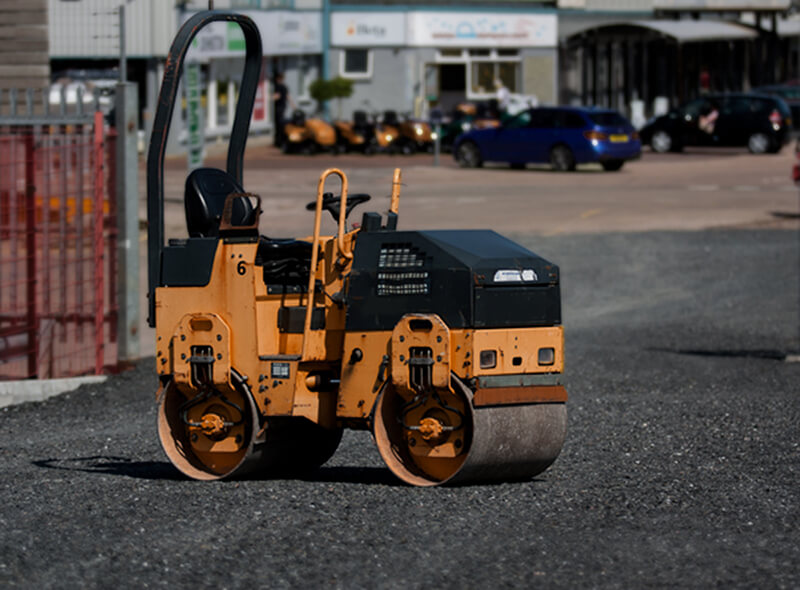
Road rollers provide numerous advantages in construction and road maintenance, makes them indispensable in various projects. Key benefits include:
Improved surface quality
Road rollers ensure that soil, gravel, or asphalt is uniformly compressed, creating smooth and stable surfaces. This uniformity reduces cracks, bumps, and other surface imperfections, producing a clean, even finish.
Enhanced load-bearing capacity
By compacting materials and reducing air pockets, road rollers increase the density and strength of surfaces, enabling them to withstand heavy traffic. This is particularly important for highways, airports, and other high-load infrastructure.
Longer surface lifespan
Proper compaction extends the life of roads, pavements, and foundations. Compacted materials are less likely to shift, settle, or erode over time, reducing maintenance and repair costs.
Greater stability
The compaction process stabilizes soil and gravel, preventing surface movement under pressure. For asphalt or concrete paving, uniform pressure helps maintain structural integrity under changing weather and heavy use.
Efficient project completion
Road rollers cover large areas quickly and efficiently, reducing the number of passes needed for proper compaction. This saves time and labor.
Versatility in applications
Road rollers can handle a variety of tasks, from road construction and foundation soil compaction to gravel driveways and landscaping, making them suitable for multiple construction needs.
Improved drainage
Compacted surfaces allow better water flow, reducing pooling and water-related damage. This helps prevent long-term deterioration of roads and pavements.
Enhanced safety
Smooth, stable surfaces reduce hazards for vehicles and pedestrians. By eliminating bumps, loose material, and uneven layers, road rollers contribute to overall safety in construction zones and completed infrastructure.
Cost-effectiveness
Although the initial cost of a road roller may be high, the long-term benefits—fewer repairs, reduced maintenance, and improved durability—make it a cost-effective investment for construction projects.
The choice depends on the material being compacted. Smooth drum road rollers are ideal for asphalt, while padfoot road rollers work best for clay and soil. For high compaction needs, vibratory road rollers are recommended. Also consider project size, surface type, and required compaction depth.
Yes, especially in large-scale paving projects. Vibratory road rollers help remove air pockets and produce a dense, smooth finish. Care must be taken to avoid damaging the concrete.
The number of passes depends on the material and compaction requirements. Typically, 3 to 10 passes are needed. Granular materials like gravel often require more passes than asphalt surfaces.
Operators should be properly trained, perform regular maintenance checks, and wear personal protective equipment (PPE). Awareness of the environment, effective communication with workers, and following manufacturer guidelines are also essential for safe operation.
Yes, they can compact soil or gravel for paths, driveways, and other landscaping features. The right road roller ensures stable, level surfaces suitable for tiles, stones, turf, or other elements.
Modern road rollers are designed to reduce fuel consumption and emissions. While their operation doesn't directly impact the environment, using them to build durable, long-lasting surfaces can minimize repairs and conserve resources over time.
A road roller is a powerful machine designed to compact soil, gravel, and asphalt, creating flat and stable surfaces essential for construction. We explored the different types of road rollers—from static smooth wheel and padfoot (sheep foot) rollers to vibratory single-drum, double-drum, and pneumatic tire rollers—each suited for specific tasks and materials.
Road rollers are used in road and highway construction, airport runways, foundation preparation, and soil stabilization. Their ability to provide smooth, durable, and stable surfaces makes them invaluable for ensuring the longevity and safety of infrastructure. With a variety of road rollers available, for those interested in learning more about road construction equipment or seeking high-quality, reliable road rollers, exploring options from trusted manufacturers is essential. Investing in the right machinery ensures successful, long-lasting construction projects. BISON offers a variety of road rollers, please feel free to contact us for more information.
inquiry form here
BISON BLOG, All the latest news and views from Bison Machinery.
what's hot?
Related Articles
how to choose the right asphalt roller for a paving project how to choose a road roller size what is the difference between a skid steer and a backhoe loader difference between graders and road rollers everything you should know about soil compactorsRelated Products