06May 2026
table of contents
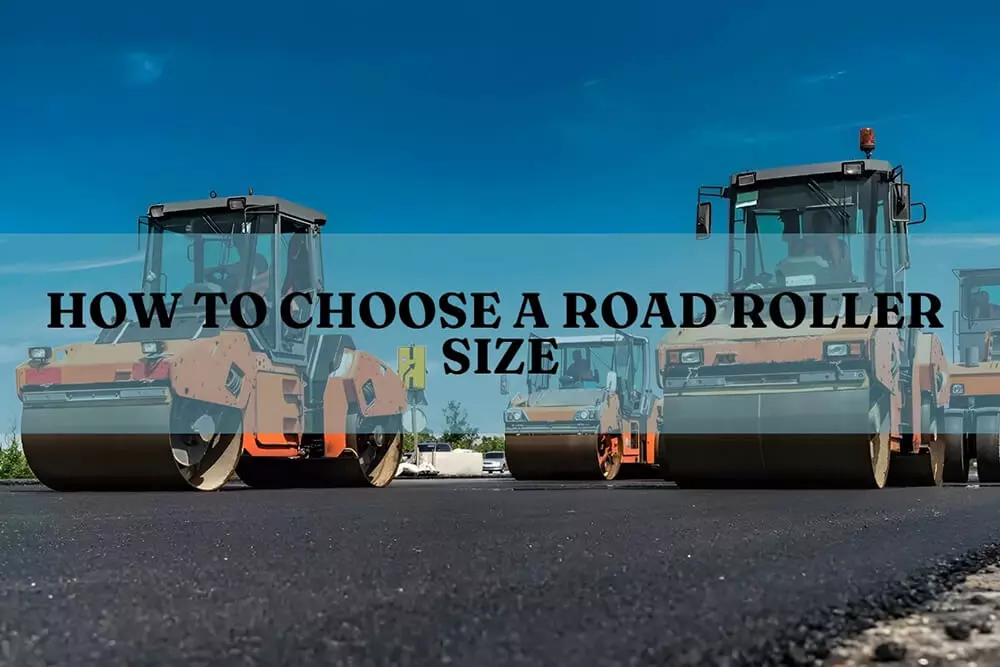
Compaction is to a road what a foundation is to a house — without a solid base, the entire structure can fail over time. A road roller is a heavy construction machine used to compact soil, asphalt, or gravel by applying weight and vibration to increase material density and stability.
Choosing the right road roller size is crucial for construction projects. The right road roller ensures proper compaction, increases efficiency, reduces costs, and extends the life of roads and pavements. A road roller that is too small may require more passes and still fail to meet compaction standards, while one that is too large can cause over-compaction or damage to the material. Selecting the proper size helps ensure efficiency, quality, and cost-effectiveness.
This guide explains the key factors in choosing a road roller size, including project scale, material type, and compaction requirements.
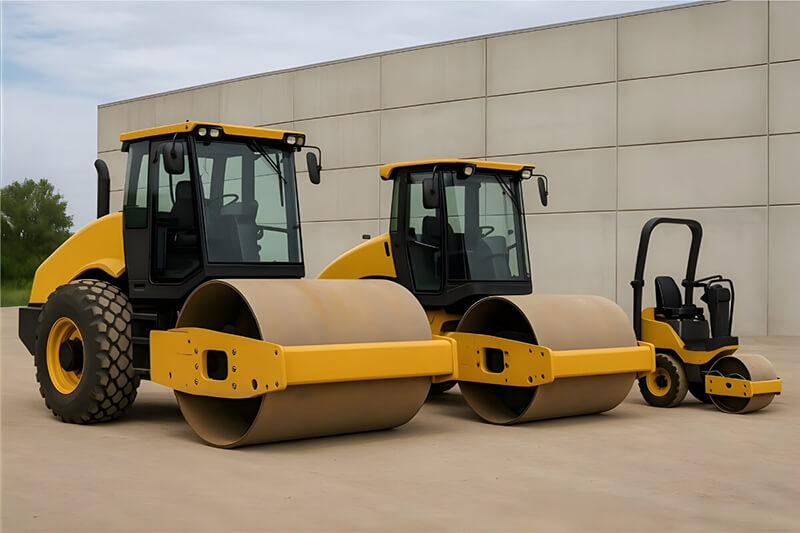
Road rollers are generally categorized into small, medium, and large sizes, each designed to meet specific project demands based on scale, material type, and compaction requirements.
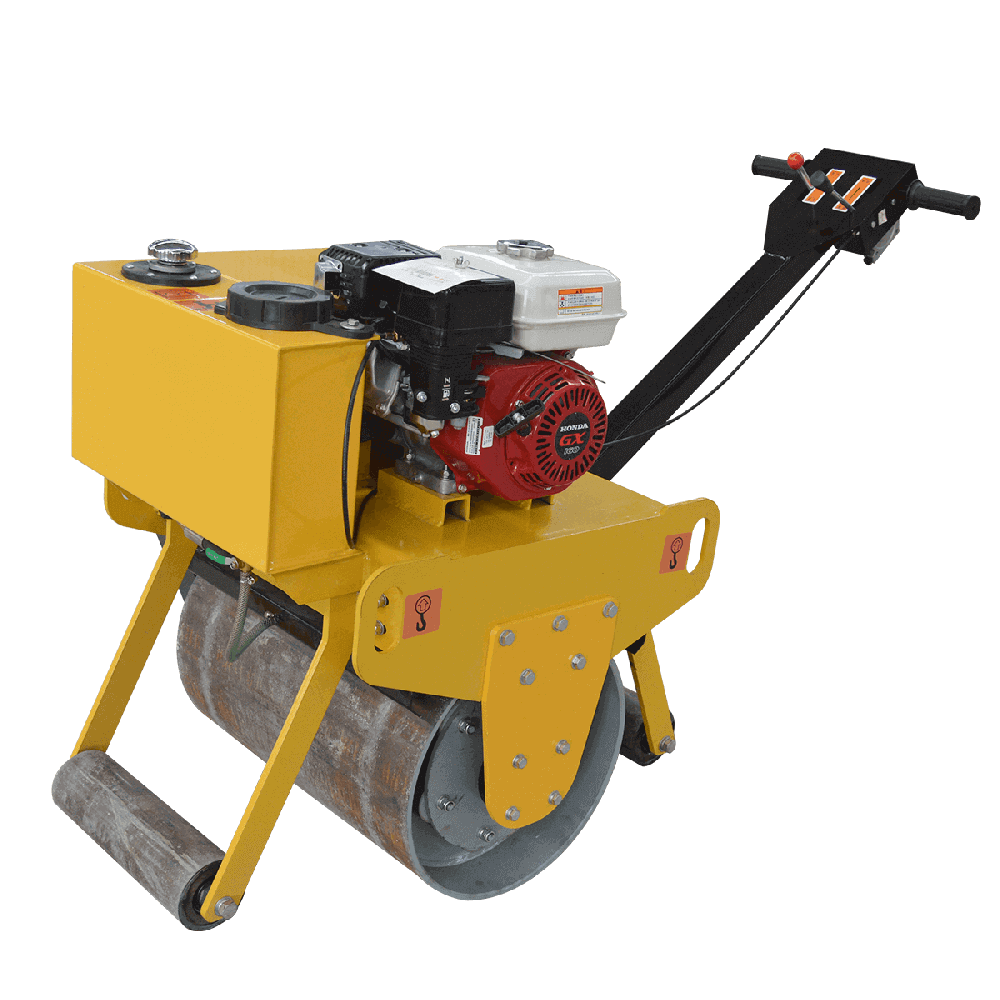
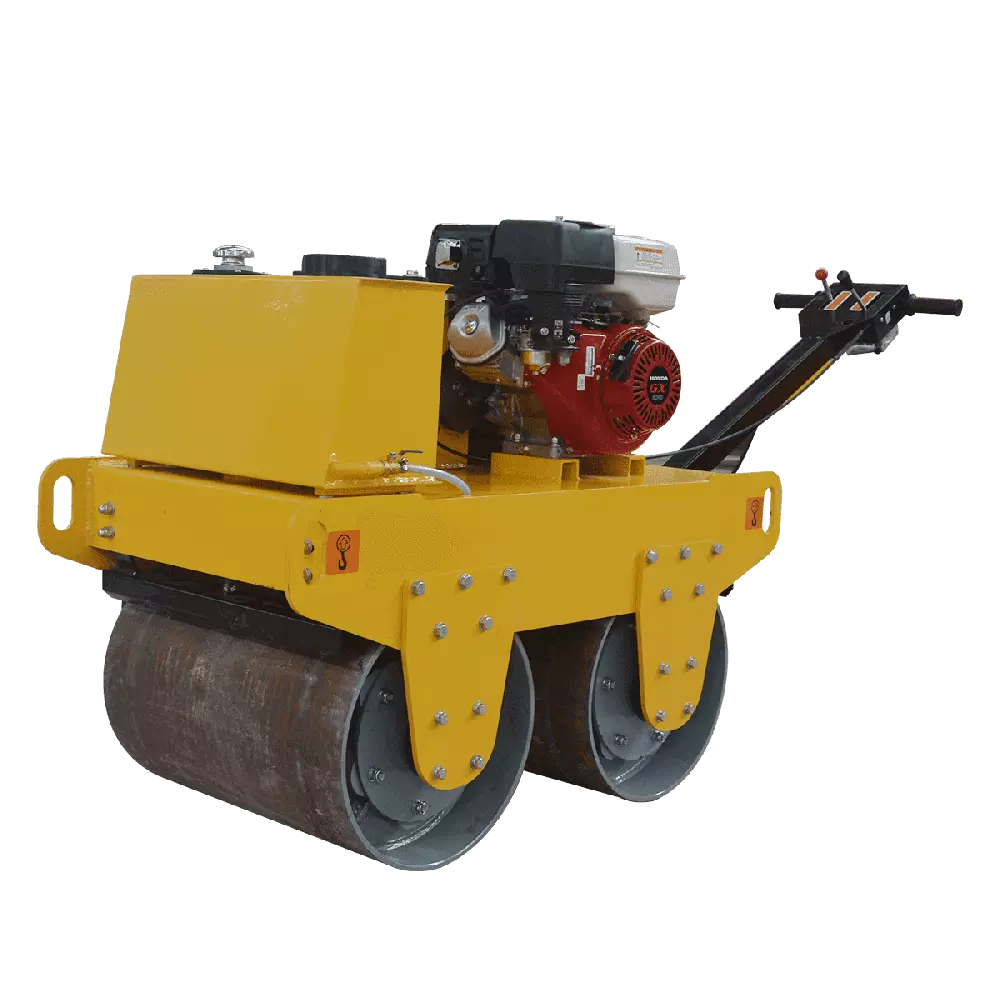
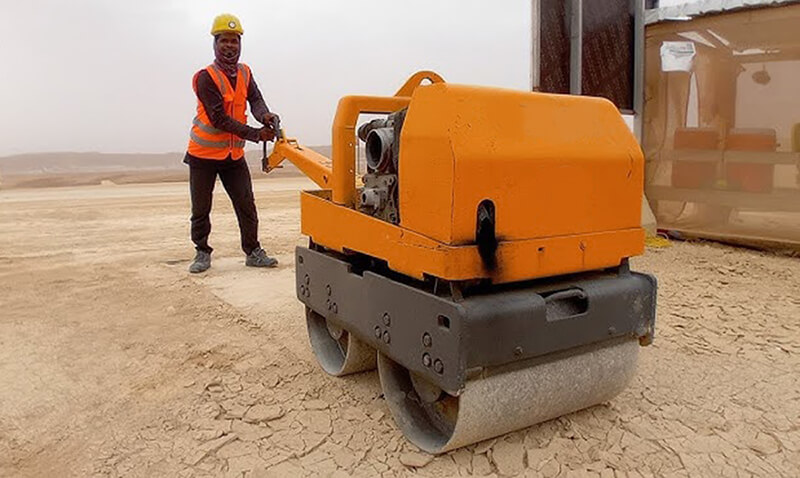
Typical use: Driveways, sidewalks, patchwork, landscaping, and small repair jobs
Drum width: Approximately 600 mm – 1,200 mm
Operating weight: Around 0.5 – 3 tons
Compaction depth: Shallow layers, up to 150 mm
Overview: Highly maneuverable and suitable for confined spaces where precision and accessibility are more important than high output
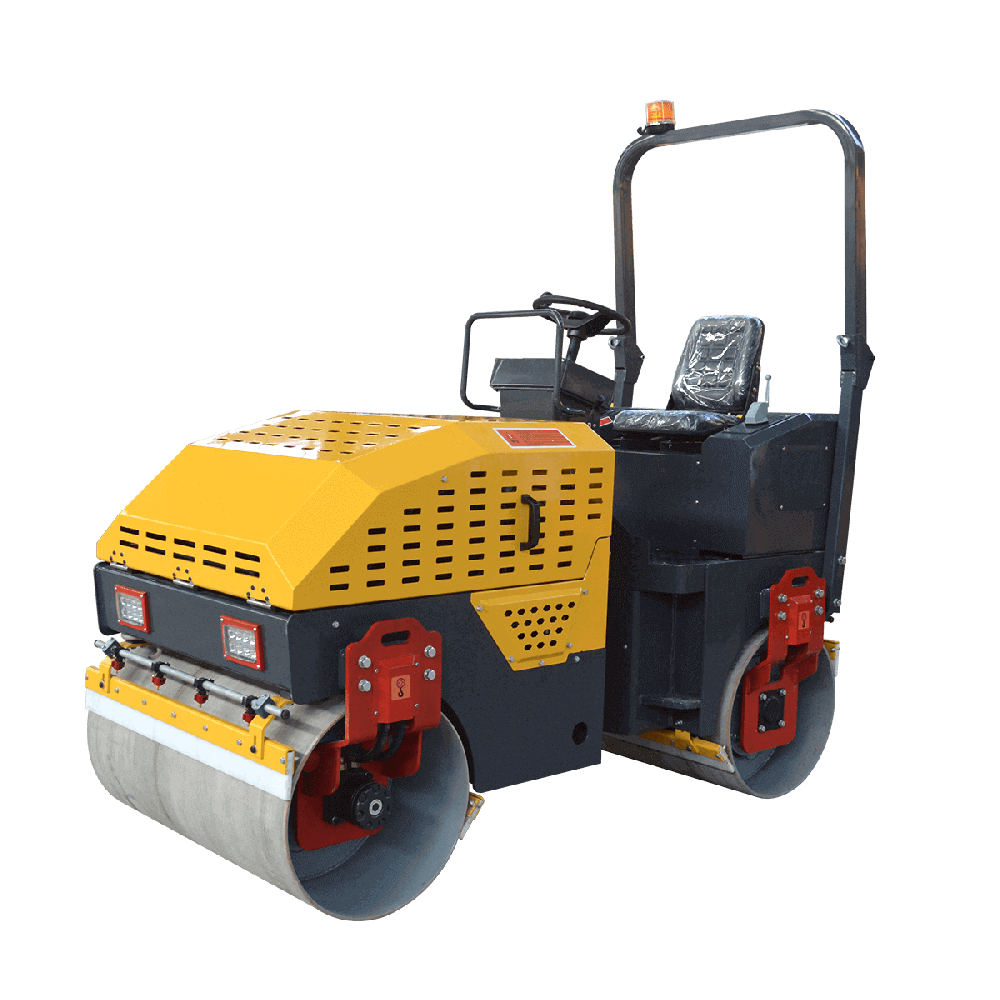
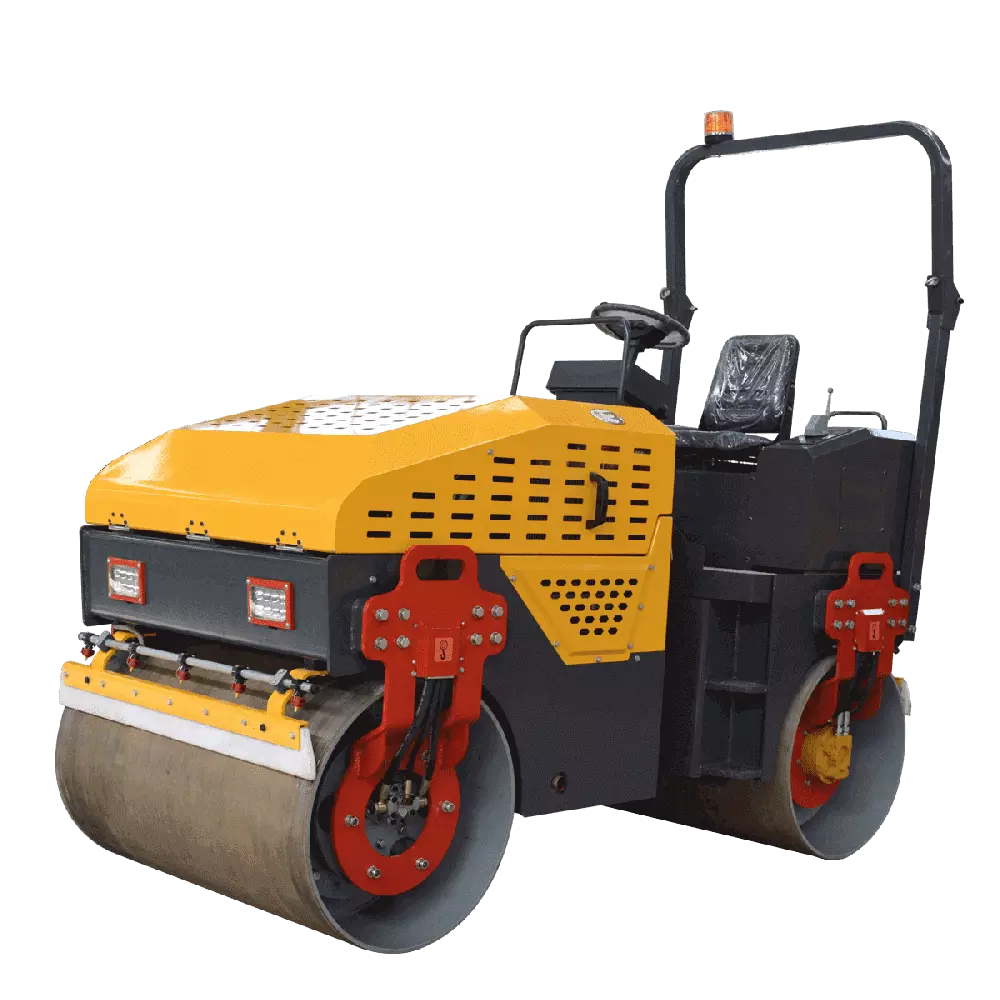
Typical use: Parking lots, municipal roads, residential developments, and medium-scale construction projects
Drum width: Approximately 1,200 mm – 1,800 mm
Operating weight: Around 3 – 10 tons
Compaction depth: Moderate layers, up to 300 mm
Overview: Offer a balance between mobility and compaction power, making them versatile for general construction tasks
Typical use: Highways, expressways, airports, industrial zones, and large infrastructure projects
Drum width: 1,800 mm and above
Operating weight: 10 tons and above
Compaction depth: Deep layers, often exceeding 300 mm, depending on material and passes
Overview: Designed for heavy-duty operations, delivering high compaction force and efficiency over expansive areas
Choosing the right road roller size depends on several factors to achieve proper compaction, maintain safety, and complete the project efficiently.
The size and type of road significantly influence road roller selection. Matching the road roller size to the project scale ensures proper compaction, efficiency, and stability.
Highways and expressways: Require large, heavy road rollers for fast, deep compaction. Vibratory double-drum rollers or large pneumatic road rollers are typically used to cover large areas efficiently.
Urban roads: City roads with tight corners and narrow streets often use medium-sized road rollers for maneuverability while still providing effective compaction.
Rural roads: Low-traffic or narrow roads can be compacted with small, light road rollers. Smooth drum or padfoot road rollers are suitable depending on soil type.
Industrial surfaces: Heavy-duty areas such as factories, warehouses, or airports require large vibratory or static road rollers with wide drums for maximum density.
Road width and access: Narrow roads, tight corners, slopes, and confined spaces may require small or medium road rollers for safe, efficient operation. Open areas allow the use of larger machines for higher efficiency.
Careful consideration of the project's total area and layout ensures road roller size matches the site, preventing overwork or inefficiency.
Drum width determines the area covered per pass; wider drums require fewer passes. Drum diameter affects compaction depth: larger diameters penetrate deeper, while smaller diameters are better for thin layers or finishing work.
Thicker layers require heavier road rollers with higher compaction force. Thin layers can be compacted with lighter road rollers to prevent overcompaction or surface damage. Adjustable ballast can help accommodate varying layer thicknesses and reduce the number of passes.
Single-drum road rollers are used for soil compaction and deep penetration. Double-drum road rollers are preferred for asphalt and large flat areas to achieve uniform compaction and smooth surfaces.
Confined spaces, narrow roads, slopes, or urban sites require smaller, more maneuverable road rollers. Large road rollers provide superior compaction but may be challenging to operate in tight locations.
Large road rollers offer faster compaction but consume more fuel and may require more maintenance. Small road rollers are cost-effective but can increase project time.
Consider purchase price, fuel efficiency, maintenance, project timeline, and labor availability to balance performance with budget. As a professional manufacturer, BISON offers a wide range of road rollers designed to meet different project needs, helping you choose the right size for optimal efficiency and performance.
Choosing the right road roller size requires understanding factors such as material type, layer thickness, project scale, site conditions, and budget. By analyzing these factors and considering practical suggestions, contractors can ensure proper compaction, reduce costs, and improve project quality.
Using the wrong road roller can lead to poor compaction, wasted time, and increased costs. As a professional manufacturer, BISON provides reliable road roller solutions for various construction needs.
If uncertain which road roller to choose, consulting professionals helps ensure the most suitable equipment is selected for the project.
inquiry form here
BISON BLOG, All the latest news and views from Bison Machinery.
what's hot?
Related Articles
how to choose the right asphalt roller for a paving project how to choose a road roller size what is the difference between a skid steer and a backhoe loader difference between graders and road rollers everything you should know about soil compactorsRelated Products