19May 2026
table of contents
Paving asphalt is a race against time. Once the hot mix hits the ground, every minute counts, and each road roller pass determines whether the surface will hold strong for decades or begin to fail in a few seasons. Cracks, depressions, and premature wear often come back to one overlooked decision: choosing the wrong asphalt roller.
The impact of selecting the wrong roller becomes evident quickly. For contractors and managers, asphalt roller selection affects mat quality, pavement life, and efficiency. Choosing the wrong asphalt roller leads to surface defects, rework, and schedule delays. From our production experience, buyers often focus on headline specifications instead of results that matter on the mat.
Matching equipment to site demands prevents costly performance issues. The right asphalt roller transforms loose material into a dense, durable surface that withstands traffic, weather, and heavy loads.
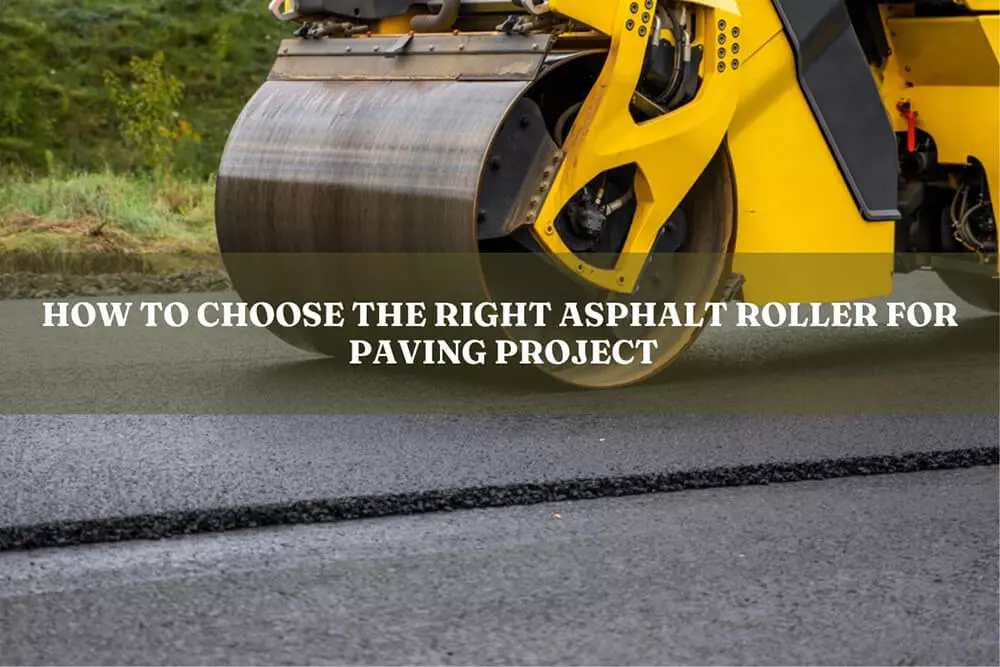
The asphalt compaction roller is the ultimate authority on pavement quality. No matter how good the mix design or how carefully the asphalt is laid, the roller determines the surface's density, strength, and finish.
Its job is to transform loose, hot material into a tightly bound layer that can withstand years of traffic, temperature changes, and moisture. Asphalt rollers use static weight, vibration, or kneading force to remove air voids and stabilize the aggregate mat.
Compaction reduces air voids in the asphalt layer, allowing aggregates to bond more tightly. When air voids are too high, water and air can penetrate the pavement, accelerating oxidation and weakening the binder. Proper compaction increases load-bearing capacity and improves resistance to cracking, rutting, and pothole formation. It plays a critical role in overall pavement performance.
The pressure applied by the asphalt roller ensures uniform density across the surface, including lanes, joints, and edges. Consistent density prevents weak spots that often lead to pavement failure. Early rutting and edge breakdown often trace to uneven density rather than poor mix. Well-compacted asphalt distributes vehicle loads evenly, reducing stress on the base and extending service life.
Asphalt must be compacted within a specific temperature range. If rolling begins too late, the mix hardens and resists compaction. If it begins too early, the surface may deform. The asphalt roller must operate effectively within this short window to achieve maximum density before the mix cools.
Each layer of asphalt must bond properly to the layer below. Rolling helps eliminate gaps at the interface, ensuring strong adhesion between layers. Poor bonding can lead to cracks and delamination, especially under heavy traffic or braking forces.
Beyond structural strength, asphalt rollers shape the pavement's final appearance. Controlled rolling patterns and proper pressure help eliminate ripples, bumps, and ruts. A smooth surface improves ride comfort, reduces vehicle wear, and enhances overall pavement quality.
Different asphalt rollers apply force in different ways, and each type plays a specific role in achieving proper pavement density and surface quality. Understanding how each roller works helps avoid compaction problems and surface defects.
Smooth drum rollers use solid steel drums to apply uniform static pressure to the asphalt surface. They are widely used during finish rolling because they create a clean, flat, and visually smooth pavement. These asphalt rollers are best suited for thin asphalt layers, urban roads, parking lots, and areas where surface appearance is important. When used without vibration, they help eliminate roller marks and minor surface imperfections.
Vibrating rollers combine the machine's weight with controlled vibration to increase compaction efficiency. The vibration rearranges aggregate particles, allowing them to settle into a firm structure. These asphalt rollers are typically used during breakdown rolling when the asphalt is still warm and workable. They are ideal for highways, main roads, and thick asphalt layers where deep, uniform compaction is required.
Pneumatic tire rollers use multiple rubber tires that flex under load, creating a kneading action rather than direct impact. This process compresses the asphalt at different angles, helping to seal surface voids and improve the bond between aggregates. They are commonly used during intermediate rolling to increase density and reduce permeability, making the pavement more resistant to water damage. They are especially suitable for chip seal work and high-binder asphalt mixes.
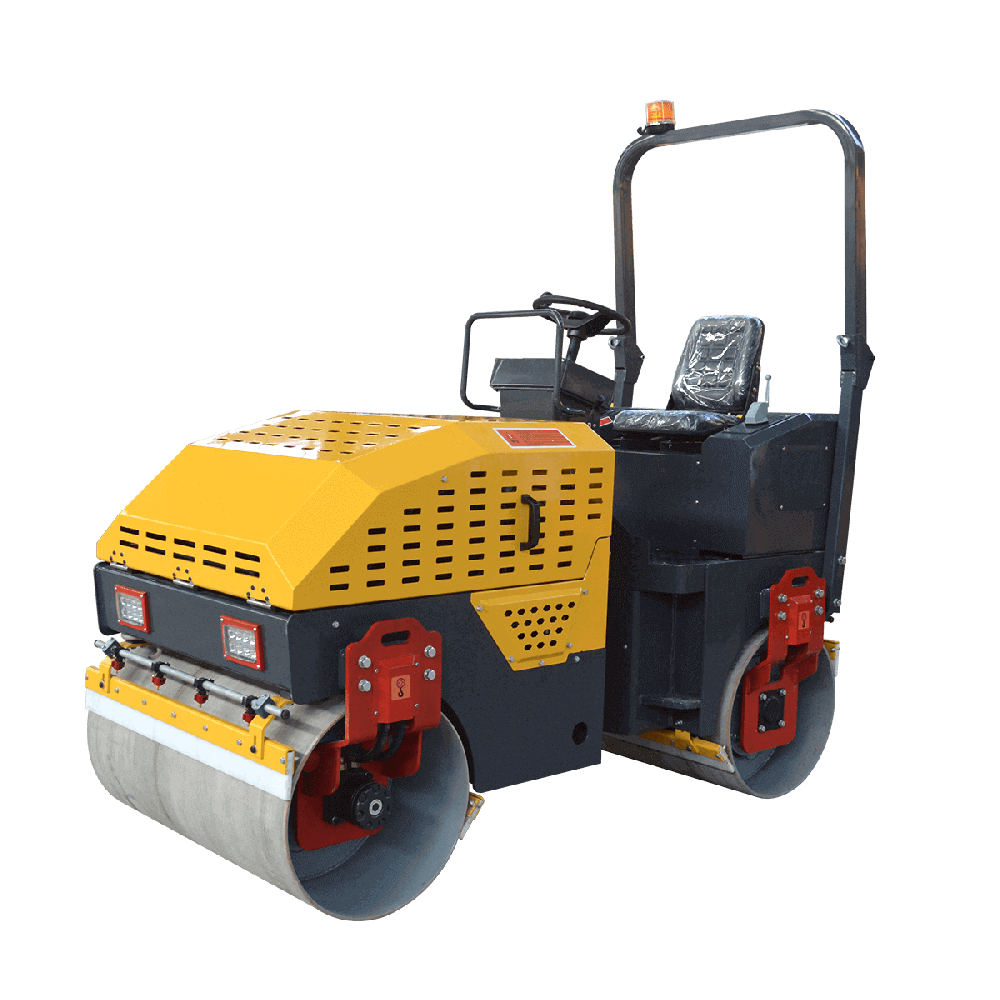
Combination rollers have a steel drum on one side and pneumatic tires on the other. This design allows both smooth rolling and kneading in a single machine. They are typically used on small to medium-sized projects, such as municipal roads and repair work, where using multiple rollers is not practical.
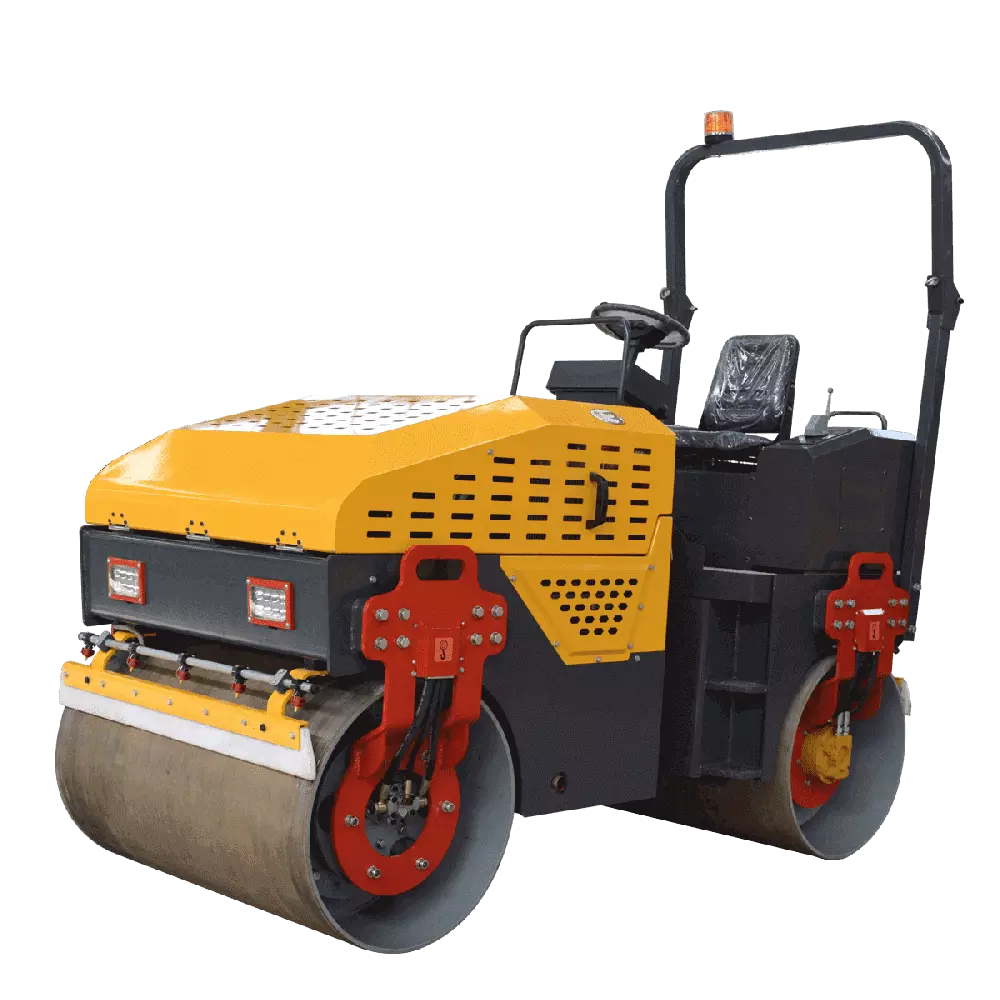
Tandem drum rollers have two steel drums, one in front and one in back, providing balanced pressure and precise control. They are commonly used for breakdown, intermediate, and finish rolling. These asphalt rollers produce consistent density and excellent surface smoothness, making them suitable for highways and large, flat asphalt surfaces.
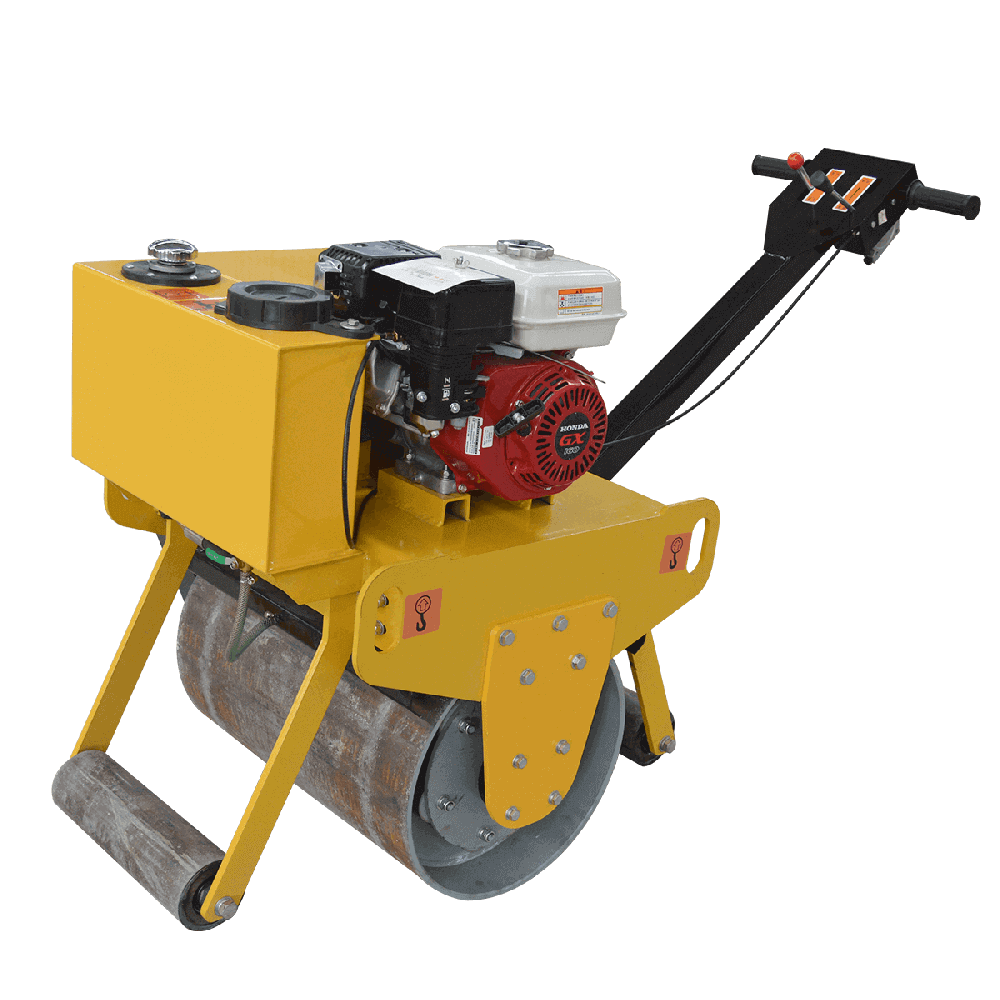
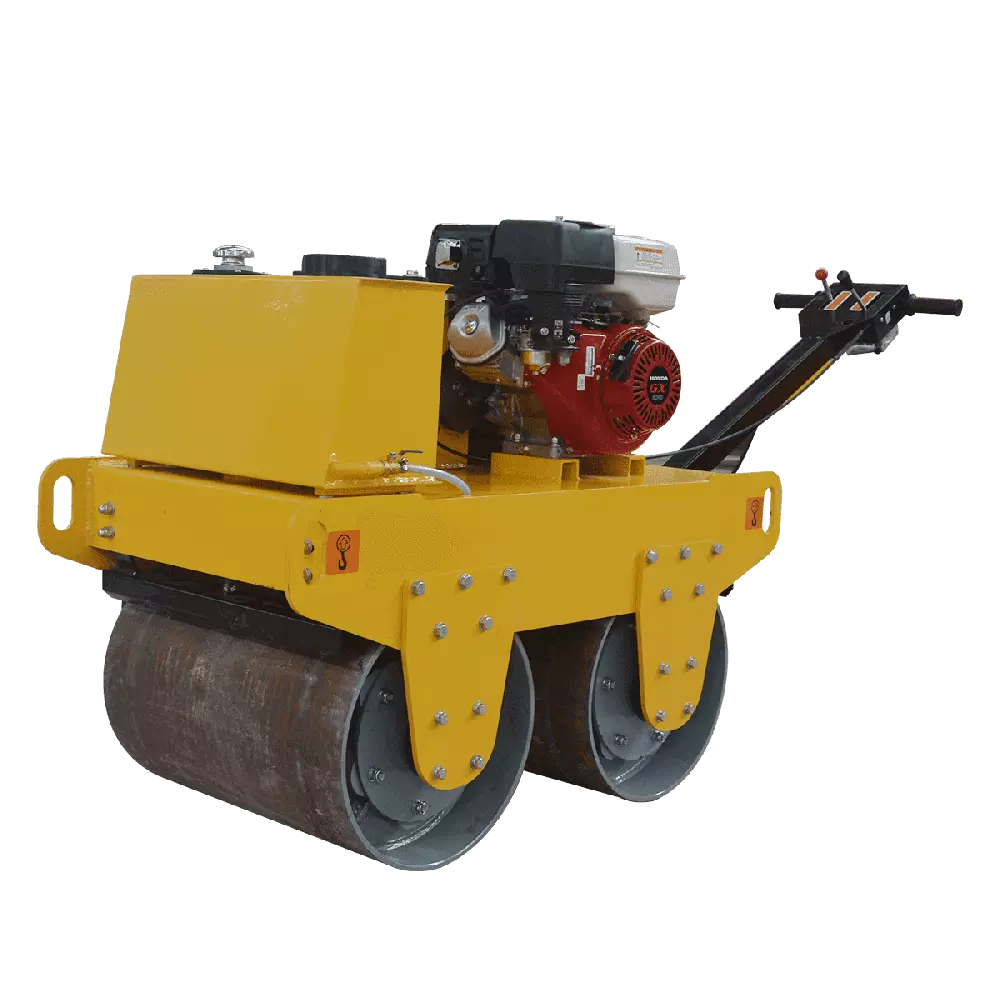
Small, compact, and walk-behind rollers are designed for confined areas where full-size machines are inefficient. They are essential for residential driveways, utility patches, and pathways. These asphalt rollers offer high maneuverability and easy transport, allowing quick deployment across multiple short-duration jobs while maintaining productivity.
Proper asphalt roller selection ensures a uniform finish, while incorrect setups cause ripples or inconsistent textures that compromise pavement quality.
Roller performance is judged by three results: compaction density, working speed, and finish quality. Compaction density builds uniform density across lanes, joints, and edges. Working speed keeps pace with the paver before temperatures drop. Finish quality delivers smooth surfaces without crushing aggregate or marking asphalt.
These factors interact. A asphalt roller with strong compaction but poor speed control misses the temperature window, while fast machines with weak drums leave short-lived pavement.
Procurement teams should start with the required compaction result, then treat working speed and finish quality as equal decision points.
Project scale should be the primary basis for selection. A asphalt roller that is too large may cause overcompaction and poor maneuverability, while one that is too small may not achieve the required density. So selecting a roller that matches the production rate helps prevent delays and ensures consistent results.
Small paving projects: Small-scale projects such as driveways, sidewalks, footpaths, and patch repairs require compact and lightweight asphalt rollers. These machines provide better control in confined spaces and reduce the risk of damaging edges, curbs, or thin asphalt layers while still delivering sufficient compaction.
Medium-sized paving projects: Projects such as parking lots, residential roads, and service roads require medium-sized vibratory or combination rollers. These offer a balance of power and flexibility, allowing them to handle thicker asphalt layers while maintaining maneuverability in intersections, tight corners, and varying surface conditions.
Large commercial and highway projects: Large-scale projects, including highways, industrial yards, and airport runways, require heavy-duty asphalt rollers with wide drums and high compaction capacity. These machines are designed for high output, enabling fast coverage of large areas and ensuring deep, uniform compaction. Their efficiency helps crews achieve target densities before the asphalt cools.
Asphalt layer thickness and mix composition determine the amount of compaction energy required. Ignoring these factors can lead to uneven density and surface defects.
Thin asphalt lifts: Thin layers are susceptible to excessive vibration. Low amplitude or static rolling helps prevent surface spalling, displacement, and cracking. Light to mid-weight asphalt rollers are suitable for surface courses and thinner lifts.
Thick asphalt lifts: Thick layers require stronger compaction forces to reach the lower parts of the mat. Heavy vibratory rollers are ideal for this purpose, as their higher operating weight and centrifugal force are suited for thicker asphalt layers and base work. As lift thickness increases, roller force must also increase to avoid under-compaction.
Aggregate size and asphalt mix: Coarse aggregate mixes are more resistant to compaction than fine mixes. Matching asphalt roller settings to aggregate size ensures proper interlock without crushing the stone.
The asphalt roller's weight and the force applied to the asphalt are central to achieving the proper pavement density. Improper balance can either leave the asphalt undercompacted or damage the surface and subsurface layers. Understanding how weight and compaction force work together helps select a roller that delivers power without compromising pavement integrity.
The term "operating weight" refers to the asphalt roller's overall weight, including the operator, fuel, and water.
Static compaction force: The static force is entirely due to the roller's weight on the asphalt. Smooth drum rollers often rely on static compaction, making them suitable for finish rolling where light pressure is required to smooth the surface. Static rolling helps remove minor surface irregularities without disturbing the asphalt structure.
Dynamic compaction force: Dynamic force is created when vibration is added to the roller drum. Vibratory rollers create repeated impact forces that rearrange the aggregate particles, causing them to settle into a dense configuration. This method achieves high compaction levels with little dependence on machine weight alone, making it useful for breakdown rolling.
Balancing weight and vibration: Effective compaction depends on balancing the asphalt roller's weight with the vibration settings. A lighter roller with adequate vibration can often outperform a heavier roller without vibration. Adjusting this balance helps prevent overcompaction while still meeting density requirements.
Dangers of overcompaction: Applying too much weight or excessive vibration can crush aggregates and squeeze out the binder, reducing the asphalt's flexibility. Overcompacted pavement becomes brittle and is more prone to cracking. Choosing the right asphalt roller weight and compaction force protects the pavement's long-term performance.
Vibration settings allow asphalt rollers to adapt to different materials and conditions. Proper adjustment is important for achieving consistent density.
Frequency in asphalt compaction: High-frequency vibration improves surface smoothness and is suitable for asphalt layers during breakdown rolling. It is ideal for thin lifts and thin surface courses, as it delivers more impacts without excessive depth.
Amplitude in compaction depth: Amplitude controls vibration strength. Low amplitude is suitable for surface layers, while high amplitude is effective for deep compaction. Higher amplitude provides the energy needed for thick lifts and base layers that shallow vibration cannot properly penetrate.
Contractors often focus on peak vibration values, but actual performance depends more on the usable adjustment range across real paving conditions.
Drum width affects coverage. A wider drum reduces overlap and speeds up lane completion, provides smoother rolling over hot asphalt and reduces the risk of material shoving. While a narrower drum increases contact pressure for focused compaction or confined areas.
Environmental and site-specific factors significantly affect asphalt roller maneuverability and compaction quality.
Cold temperatures reduce the workability of asphalt. Effective rolling becomes critical to achieve density before the mix cools.
Urban and confined job sites require asphalt rollers with precise steering and compact dimensions to ensure consistent coverage. Sloped surfaces require rollers with strong traction to prevent slippage and ensure uniform compaction.Site constraints such as corners, grades, and bridge decks must be evaluated, as access limitations often determine the appropriate roller class more quickly than specifications alone.
Even the most advanced asphalt roller cannot produce quality results without a skilled operator. Operator experience and proper use of machine features ensure consistent density, smooth surfaces, and long-lasting pavement performance.
Importance of operator experience: Experienced operators understand how asphalt behaves at different temperatures and compaction stages. They know when to start rolling, how fast to move, and how many passes are needed to achieve target density. Consistent overlap between passes prevents weak strips and uneven density. The asphalt roller should achieve target density within a practical number of passes without excessive vibration. Controlled speed and smooth direction changes help avoid marks, waves, and surface distortion, especially during finish rolling.
Visibility and operator comfort: Clear visibility helps operators monitor mat edges, joints, and overlaps accurately. Comfortable seating, vibration isolation, and ergonomic controls reduce fatigue and support consistent performance during long shifts. Fatigue reduction improves accuracy and decision-making.
Machine control and adjustment features: Modern asphalt rollers include adjustable vibration settings, automatic compaction control, and digital displays. These features allow precise adjustment of frequency and amplitude based on asphalt thickness and mix design. Simple and intuitive controls reduce operator error and improve consistency on site.
Maintenance access: Easy maintenance access is essential for equipment reliability. Filters, fluid checkpoints, and grease points should be easily accessible to reduce skipped maintenance and downtime. Service points should be clearly visible, with side panels that open easily and allow ground-level inspection.
Cost factors extend beyond the purchase price.
Renting vs. purchasing asphalt rollers: Renting is suitable for occasional projects, while purchasing is more beneficial for contractors with consistent paving workloads. Purchasing is ideal when the machine will be used across multiple projects and can be properly maintained by the team, while renting is better for one-off, highly specific, or non-regular applications. Utilization should be evaluated before deciding.
Operating and maintenance costs: Fuel consumption and maintenance significantly affect total ownership cost. Long periods of inactivity also add costs through storage, inspections, and depreciation.
Long-term value and productivity: Fast parts availability and responsive warranty support help maintain project schedules. The right asphalt roller improves efficiency, reduces rework, and enhances pavement quality, leading to better long-term profitability.
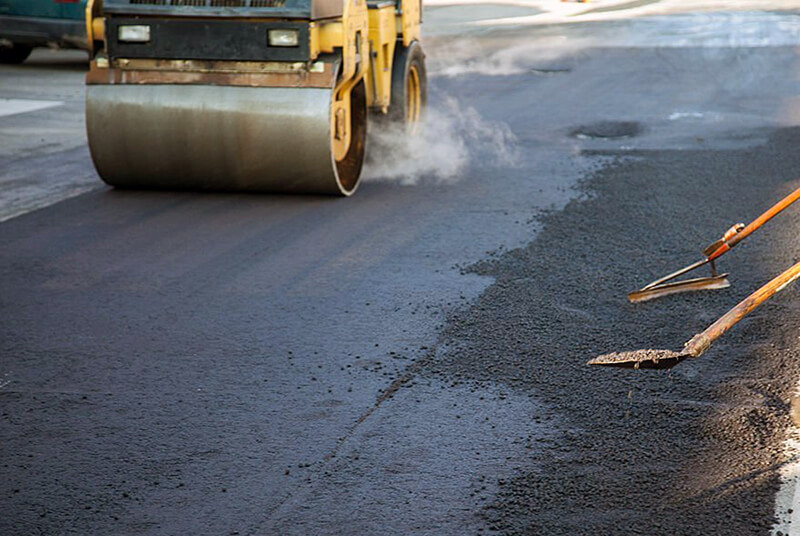
Choosing the wrong asphalt roller is one of the most common reasons for premature pavement failure. Even experienced contractors can make mistakes that reduce compaction quality, increase costs, and shorten pavement life. Avoiding these errors helps ensure the correct roller is selected for each project.
Choosing based on size alone
Many contractors assume larger asphalt rollers are always better. While bigger machines provide more pressure and coverage, they are not suitable for all projects. They can damage thin asphalt layers, struggle in tight spaces, and cause overcompaction. Selection should be based on project requirements, asphalt thickness, and site conditions, not machine size alone.
Ignoring asphalt mix requirements
Different asphalt mixes respond differently to compaction. Coarse aggregates require stronger compaction force, while fine mixes need lighter rolling to avoid surface disturbance. Ignoring mix type can lead to uneven density, weak areas, and surface defects such as cracking or raveling.
Using one roller for all stages
Some contractors use a single asphalt roller for breakdown, intermediate, and finish rolling. However, each stage requires different settings and performance. Breakdown rolling needs strong vibration and force, while finish rolling requires smooth and controlled passes. Using one setup for all stages can reduce both density and surface quality.
Ignoring vibration settings
Vibratory rollers allow adjustment of frequency and amplitude based on mix and thickness. Using default or incorrect settings can cause undercompaction or overcompaction. Proper adjustment ensures the correct energy is applied without damaging the asphalt.
Ignoring site and environmental conditions
Temperature, slope, and confined spaces all affect compaction results. A asphalt roller that works well on highways may perform poorly on narrow or curved roads. Ignoring these conditions can lead to uneven surfaces, low density, and longer paving time.
Ignoring operator skills
Even high-quality asphalt rollers perform poorly without skilled operators. Inconsistent speed, poor control, and incorrect rolling patterns can create weak spots and surface defects. Operator training and user-friendly machine features are essential for consistent results.
Underestimating project requirements
Selecting a asphalt roller based on minimum requirements often leads to underspecification. This increases the risk of rework and limits flexibility during peak workload conditions. It is better to size the machine based on the most demanding scenario.
Focusing only on price instead of performance
Comparing asphalt rollers based only on cost ignores critical factors such as drum design, vibration stability, and durability. These directly affect productivity and field performance. Evaluation should include operating performance, not just purchase price.
Ignoring fleet compatibility
A asphalt roller should integrate smoothly with the existing fleet. Differences in controls, service routines, parts, or transport methods can reduce efficiency across operations. Compatibility affects maintenance, dispatch, and daily workflow, not just machine performance.
Density testing and visual inspection are used to confirm whether proper compaction has been achieved.
Yes, static rolling is commonly used for final passes to improve surface smoothness.
Choosing the right asphalt roller is a critical step in building a strong, long-lasting pavement. When the asphalt roller type, weight, vibration settings, and site conditions are properly matched, compaction becomes efficient, consistent, and durable, whiletime prioritizing durability and after-sales support over short-term savings improves pavement quality and reduces long-term operating risks. ensures sustained performance and profitability.
Making the right decision at this stage protects the investment and helps ensure pavement performance for years to come. BISON's extensive experience in asphalt roller manufacturing, OEM/ODM flexibility, reliable parts supply, and technical support to help wholesalers and contractors make informed investment decisions.
inquiry form here
BISON BLOG, All the latest news and views from Bison Machinery.
what's hot?
Related Articles
how to choose the right asphalt roller for a paving project how to choose a road roller size what is the difference between a skid steer and a backhoe loader difference between graders and road rollers everything you should know about soil compactorsRelated Products