02Apr 2026
table of contents
Have you ever wondered how a road gets that perfectly flat, even surface? The answer lies in two important machines: graders and road rollers.
Although both play an important role in road construction, their functions, designs, and applications differ significantly. Motor graders are responsible for shaping and leveling the road. They remove bumps and fill low spots to prepare the surface for the next stage. Road rollers then compact the material, pressing it down to make the road solid, durable, and able to handle heavy traffic for years. Understanding these differences can help engineers, contractors, and construction enthusiasts make informed decisions for effective road projects—and together, they make the perfect team for every road.
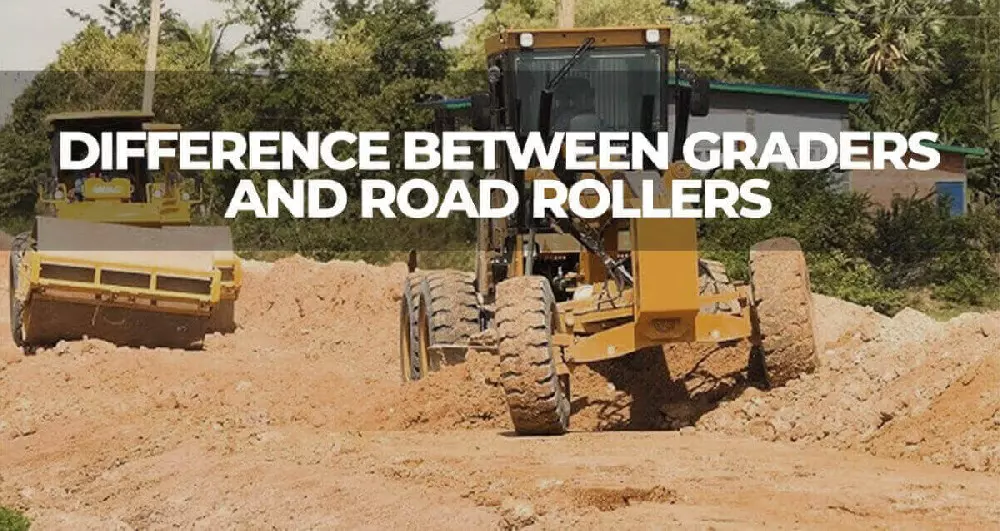
Graders, also known as motor grader machines, are highly versatile machines used in construction and roadwork projects. Their primary role is to create smooth, even surfaces, which are essential for the longevity of roads, highways, and large construction sites. Without proper grading, roads can develop uneven surfaces, poor drainage, and structural weaknesses, leading to cracks and potholes. Think of a grader as the sculptor’s chisel of earthmoving—it carefully shapes the ground so other machines can build on a stable, even base.
The main function of a grader is to level, shape, and maintain surfaces. Using a long adjustable blade, graders can:
Cut off high spots on uneven ground.
Spread materials such as soil, gravel, or sand evenly.
Shape slopes and drainage channels to ensure proper water flow and prevent potholes.
Mix materials on-site to achieve uniform consistency.
Motor graders are built for precision and flexibility:
Adjustable blade (moldboard): Located in the middle of the grader, the blade can be raised, lowered, angled, or tilted to move and spread material with precise control. Some models feature multi-section blades for added accuracy.
Articulated frame: Allows the grader to bend in the middle, making it easier to maneuver on winding roads or tight construction sites.
Multiple axles: Provide stability and support when grading uneven or soft surfaces.
Operator cabin: Equipped with advanced controls to adjust blade height, tilt, angle, and pitch. Modern cabins offer excellent visibility and may include GPS-based auto-leveling systems for improved accuracy and efficiency.
Wheels: Large and adjustable, providing stability and traction on uneven terrain.
Optional ripper/scarifier: Located at the rear, this tool loosens hard soil or old road surfaces to make grading easier.
Grader models vary by application:
Standard motor graders: Commonly used for road construction and maintenance.
Rough-cut graders: Heavy-duty models for initial grading of large, uneven areas.
Fine-grading graders: For precision finishing, such as airport runways or paved roads.
Hydraulic graders: Use hydraulic systems to control blade movement for high versatility and precision.
Self-propelled motor graders: Engine-powered machines capable of handling large-scale projects efficiently.
Towed graders: Smaller graders pulled by tractors, often used in rural or low-budget projects.
Graders are essential in multiple areas:
Road construction: Smoothing the base before paving asphalt or concrete.
Unpaved road maintenance: Ensuring rural roads are level and passable.
Site preparation: Creating even surfaces for construction or landscaping projects.
Drainage creation: Shaping slopes and ditches to prevent water accumulation and erosion.
Spreading materials: Distributing soil, gravel, or sand evenly over large areas.
Snow removal: Some graders can be equipped with plows for snow management.
Whether it’s smoothing a road base, shaping a gravel surface, or forming slight slopes for drainage, graders ensure that surfaces are even and ready for compaction by rollers.
Accuracy: Provides a precise, level surface for effective drainage and long-lasting roads.
Versatility: Can handle a range of materials, including asphalt, gravel, and dirt.
Efficiency: Covers large areas quickly, saving labor and time.
Improved road life: Proper grading reduces surface damage and maintenance needs.
In short, motor graders are the precision tools that prepare the foundation for every road project. They don’t compact the surface themselves, but without them, rollers and paving machines cannot create a smooth, durable road effectively.
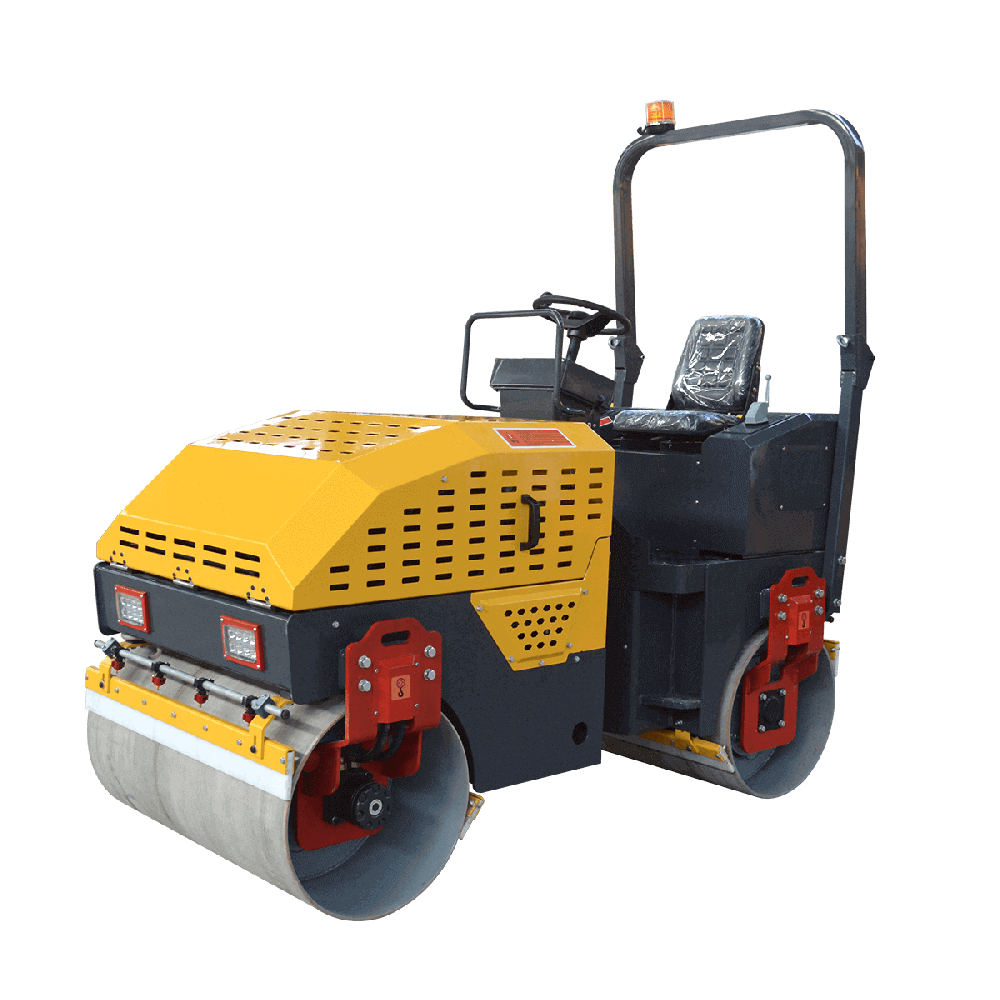
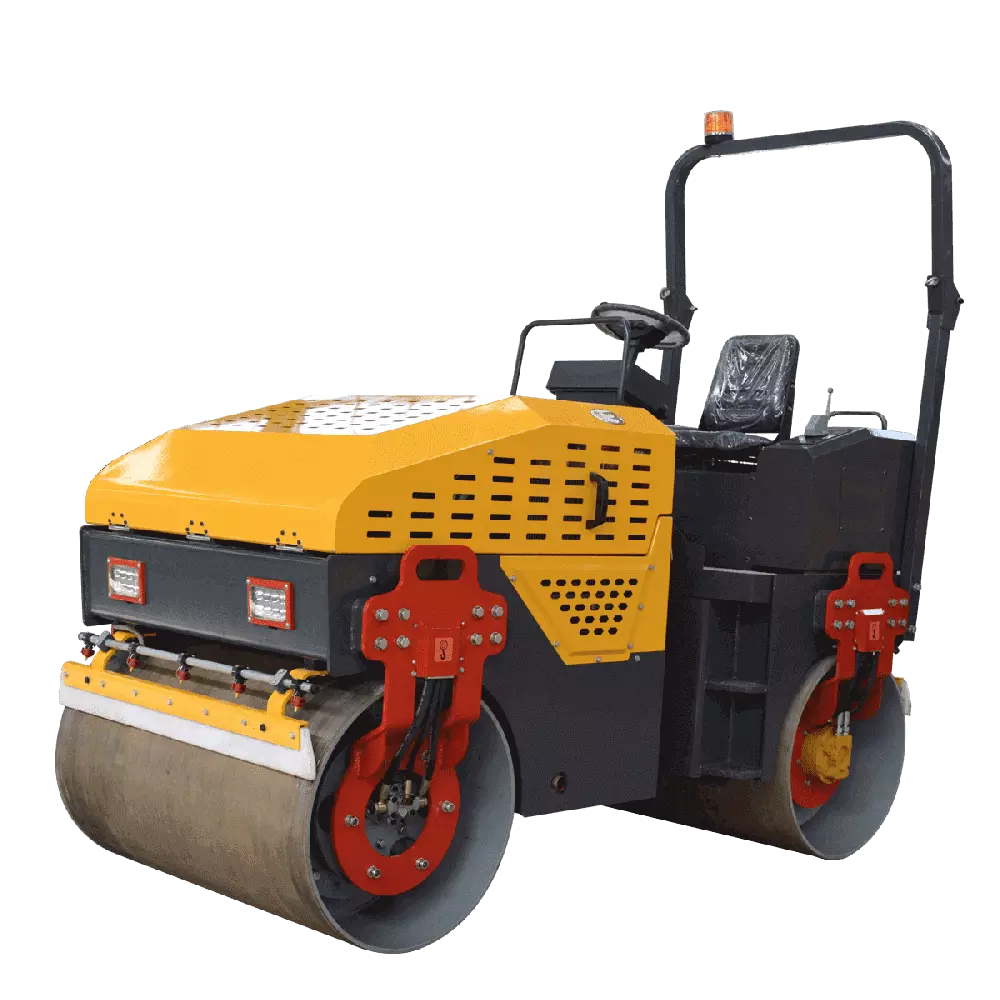
Road rollers, also known as roller compactors, are heavy machines designed to compress and densify materials used in road construction. Even a perfectly level surface is useless if it lacks the strength and density to withstand traffic and environmental conditions. Think of the road roller as the heavy hammer that solidifies the foundation shaped by the grader after the grader levels the surface, the roller ensures it can endure traffic and the test of time.
The main purpose of a road roller is compaction, which:
Eliminates air pockets that weaken the base.
Increases load-bearing capacity.
Prevents future settlement, cracks, or potholes.
Road rollers work on different layers of a road:
Subgrade: The layer of soil beneath the road providing a stable base.
Base course: Gravel or crushed stone that supports the asphalt.
Surface layer: Asphalt or bitumen, which requires smooth, even compaction for a durable, traffic-ready surface.
By pressing down soil, gravel, asphalt, or other construction materials, rollers increase strength, stability, and durability. Without proper compaction, roads could settle unevenly, crack, or fail prematurely.
Road rollers are designed to maximize weight and compaction efficiency:
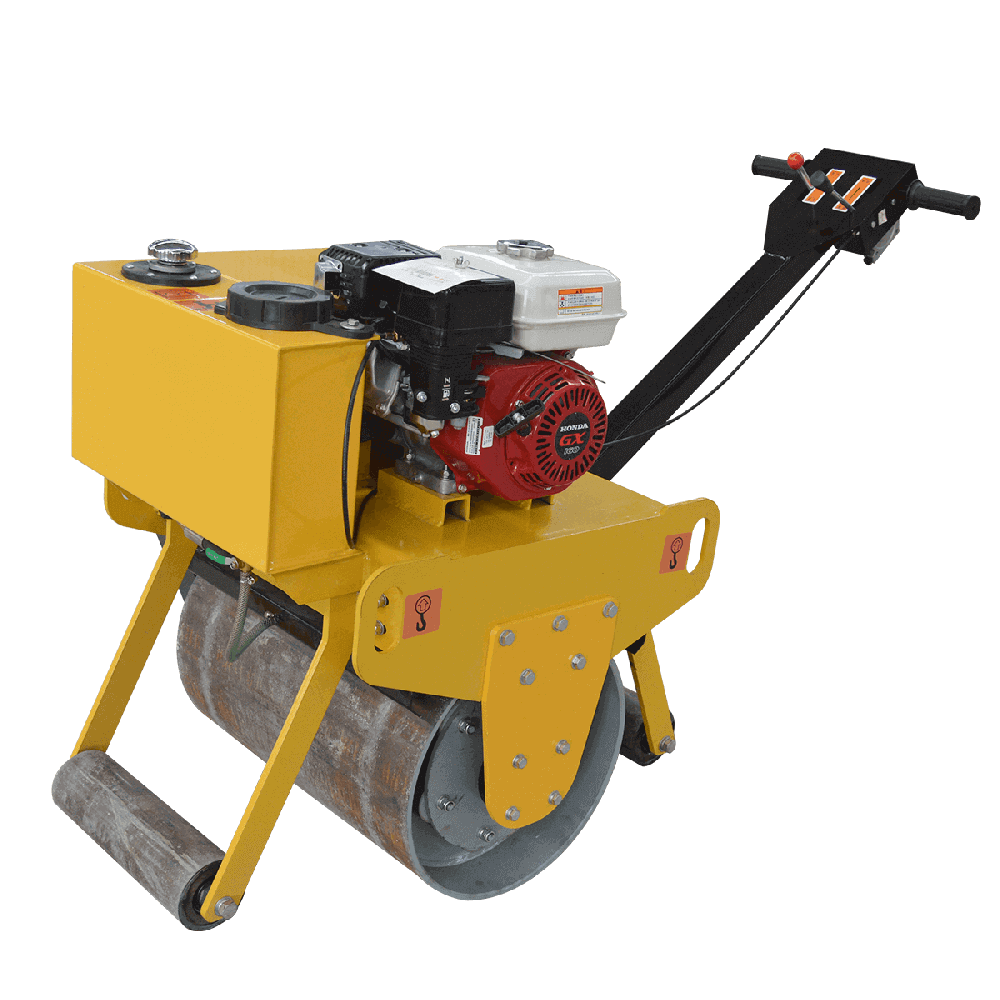
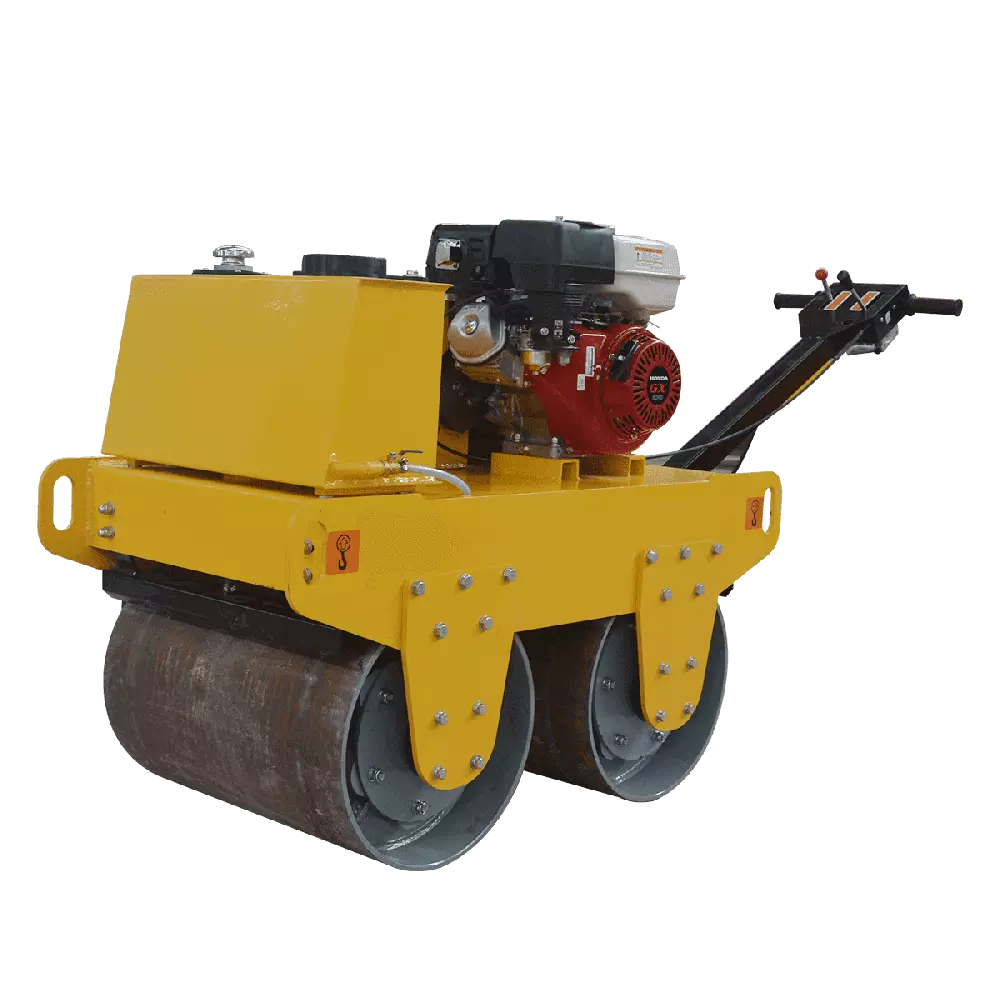
Drums: Large cylindrical steel rollers, either smooth or padded. Smooth drums are ideal for asphalt and granular soils, while padded drums are used for clay and cohesive soils. Many modern rollers have vibrating drums that shake particles into a denser formation, improving compaction depth and efficiency.
Operator cabin: Equipped with controls for steering, speed, and drum vibration, providing clear visibility and precise operation.
Heavy frame and engine: Provides sufficient downward force to compact large areas effectively.
Pneumatic-tire: Some models use air-filled tires to provide flexible compaction on softer surfaces.
Road rollers vary based on compaction method and surface type:
Smooth drum rollers / smooth wheel rollers: Have plain steel drums, ideal for finishing surfaces like asphalt or fine soil layers.
Vibratory rollers: Use vibration to increase compaction depth for granular materials.
Pneumatic-tire rollers: Use rubber tires instead of steel drums, providing uniform pressure, kneading asphalt, and surface finishing.
Padfoot / sheepsfoot rollers: Feature raised knobs for deep compaction of cohesive soils like clay or subgrades.
Road construction: Compacts layers of soil, gravel, and asphalt for highways, city streets, and rural roads.
Airport runways: Creates smooth, durable surfaces capable of supporting aircraft weight.
Railway tracks: Stabilizes the foundation to prevent uneven settlement.
Industrial and commercial projects: Prepares foundations for parking lots, factories, and large paved areas.
Landfills: Compresses waste layers to maximize space and stability.
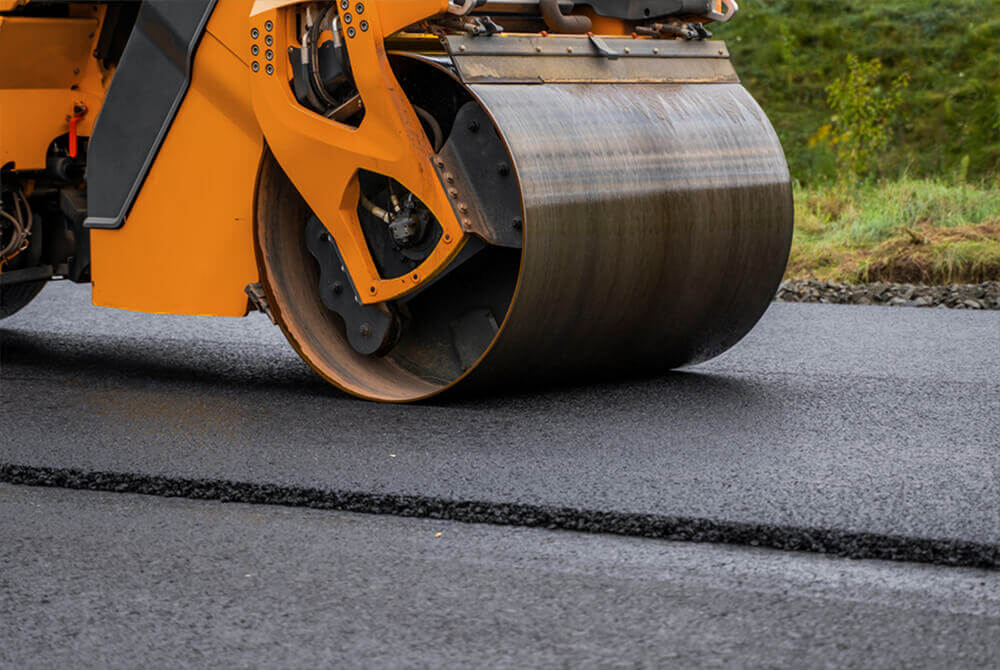
Improved durability: Proper compaction extends the lifespan of roads and surfaces.
Enhanced load-bearing capacity: Supports heavier vehicles and traffic.
Low maintenance: Compacted surfaces are less prone to cracks, potholes, and deterioration.
Versatility: Suitable for various soils, asphalt, and gravel across different projects.
Road rollers are the enforcers of construction. While graders provide a smooth surface, rollers ensure it is stable, compacted, and ready for traffic or structures. Together, they transform leveled earth into a strong, reliable foundation.
Graders and road rollers are both essential in road construction, they differ significantly in design, purpose, operation, and application. Understanding these differences ensures proper use and long-lasting road construction.
Graders: Work by cutting, spreading, and leveling material. Operators carefully control the blade to achieve the desired slope, gradient, and surface smoothness. Accuracy is essential, as even small errors can affect drainage or asphalt thickness.
Road rollers: Apply weight and vibration to densify the material. Operators may make several passes depending on the roller type and material to ensure uniform compaction.
Graders: Handle loose materials such as soil, gravel, sand, and crushed stone. They can spread material evenly and remove high spots for a smooth surface.
Road rollers: Compact rather than move material. They work on subsoil, base gravel layers, asphalt, and cohesive clay soils. Padfoot rollers are ideal for heavy clays and cohesive soils that require kneading.
Graders: Used in the initial stage to prepare the road base. They shape the surface for proper drainage, create slopes, and level the area. Without grading, subsequent compaction or paving may be uneven.
Road rollers: Used after grading to compact the surface. They are also used after asphalt paving to achieve a smooth, dense finish.
Graders: Ensure a smooth, even, and properly sloped surface, but do not increase material strength. Roads can still settle or deteriorate without proper compaction.
Road rollers: Create a sturdy, dense surface resistant to heavy traffic. Proper compaction reduces cracks, potholes, and settlement, improving road lifespan.
Graders: Require blade sharpening, hydraulic system checks, and regular engine maintenance. Performance depends on operator skill, though modern graders with GPS leveling systems reduce errors and improve efficiency.
Road rollers: Require drum inspection, engine maintenance, and vibration system upkeep. Performance depends on weight, drum type, number of passes, and surface material. Vibratory rollers reduce the number of passes required, saving time and fuel.
Graders: Lighter and more maneuverable, designed for precision work and able to handle tight corners and slopes.
Road rollers: Much heavier, designed to apply downward pressure for compaction. Less maneuverable but highly effective on flat surfaces.
Graders: Typically less expensive than heavy rollers but require skilled operators for accurate grading. GPS-guided graders cost more but improve accuracy and reduce labor.
Road rollers: More expensive due to heavier construction, a robust vibration system, and greater durability. They are a long-term investment for high-density compaction projects.
Graders and road rollers are complementary machines in road construction. While their functions differ, their coordinated use ensures smooth, stable, and long-lasting roads. Understanding how they work together helps engineers, contractors, and construction teams maximize efficiency and road quality.
Road construction typically involves several stages where graders and rollers are used in sequence:
Stage 1: surface grading
The grader is deployed first to level and shape the road base. It removes high spots, fills low spots, and spreads material evenly to achieve the correct slope and alignment for drainage. Example: On highways, graders create crowns in the middle of the road to direct rainwater to the sides.
Stage 2: initial compaction
After grading, a road roller compacts the surface. This first pass stabilizes the soil or gravel, removes air pockets, and creates a firm platform to support heavy traffic.
Stage 3: layering and final compaction
Additional layers of gravel, crushed stone, or asphalt are added. The grader spreads and levels each layer, and the roller compacts them to maximum density and smoothness.
For asphalt roads, a paver lays the asphalt, and a smooth wheel roller performs the final compaction to seal a solid, level surface.
By following this coordinated sequence, roads achieve both precision and strength, reducing long-term maintenance costs.
Even surface: Graders create a smooth, uniform surface, allowing rollers to compact effectively.
Material distribution: Graders spread material evenly so rollers don’t overcompact some areas while leaving others loose.
Without proper grading, even the best rollers cannot achieve uniform compaction, leading to weak spots or premature road damage.
Surface stability: Rollers compact the graded material, giving it strength to support traffic and resist deformation.
Layer closure: Rollers ensure multi-layer roads (dirt, gravel, asphalt) are tightly bound and bonded.
Durability: Compacted surfaces are less prone to cracking, potholes, and settlement, maintaining the grader’s accuracy over time. Without compaction, even a perfectly graded road will settle unevenly, creating hazards.
Grading provides precision, rolling provides strength, and together they produce safe, stable, and durable roads ready for traffic.
Using graders and road rollers together in road construction provides numerous advantages, turning raw materials into smooth, stable, and long-lasting roads.
Improved road quality: Graders level and shape the road base, while rollers compact it to the required density. This combination ensures smooth, even, and durable surfaces that resist deformation and withstand heavy traffic. Roads built with this coordinated approach have a longer lifespan under traffic and environmental stress.
Efficiency in construction: Each machine specializes in its own role, allowing projects to proceed faster and more efficiently. Grading followed immediately by compaction reduces delays and ensures consistent quality. Subsequent steps, such as asphalt paving, can proceed more quickly and reliably.
Reduced maintenance costs: Proper grading and compaction prevent uneven surfaces, cracks, and potholes. Well-prepared roads experience fewer settlement issues, saving municipalities and contractors significant maintenance expenses.
Versatility: Both machines can be used in urban, rural, and industrial projects, making them essential for civil engineering works.
Improved safety on site: Using the right machine for each task reduces manual labor and minimizes accident risks. Operators focus on their specialized tasks—grading for precision, rolling for strength—while maintaining a controlled and predictable workflow.
Understanding the distinct roles of graders and rollers helps contractors avoid errors, improve efficiency, and ensure high-quality, durable roads.
No, graders are not designed for compaction. They can level and shape soil, but the density and stability required for roads are only achieved by road rollers.
Graders and road rollers may seem like simple machines, but their roles in road construction are critical and complementary. Graders are the precision tools that shape and level the road, while rollers are the heavyweights that strengthen and compact it.
Using both machines together ensures roads that are smooth, durable, and safe for traffic. Proper grading and compaction reduce maintenance requirements, improve long-term performance, and create a stable foundation for vehicles and structures. Understanding the distinct functions of these machines highlights the engineering and planning behind the roads we use every day.
At BISON, we specialize in high-quality road rollers designed to work seamlessly with graders, helping construction teams build roads that last. Explore BISON’s full range of road rollers to improve your road construction projects with reliable, efficient equipment.
inquiry form here
BISON BLOG, All the latest news and views from Bison Machinery.
what's hot?
Related Articles
how to choose the right asphalt roller for a paving project how to choose a road roller size what is the difference between a skid steer and a backhoe loader difference between graders and road rollers everything you should know about soil compactorsRelated Products