27Aug 2025
table of contents
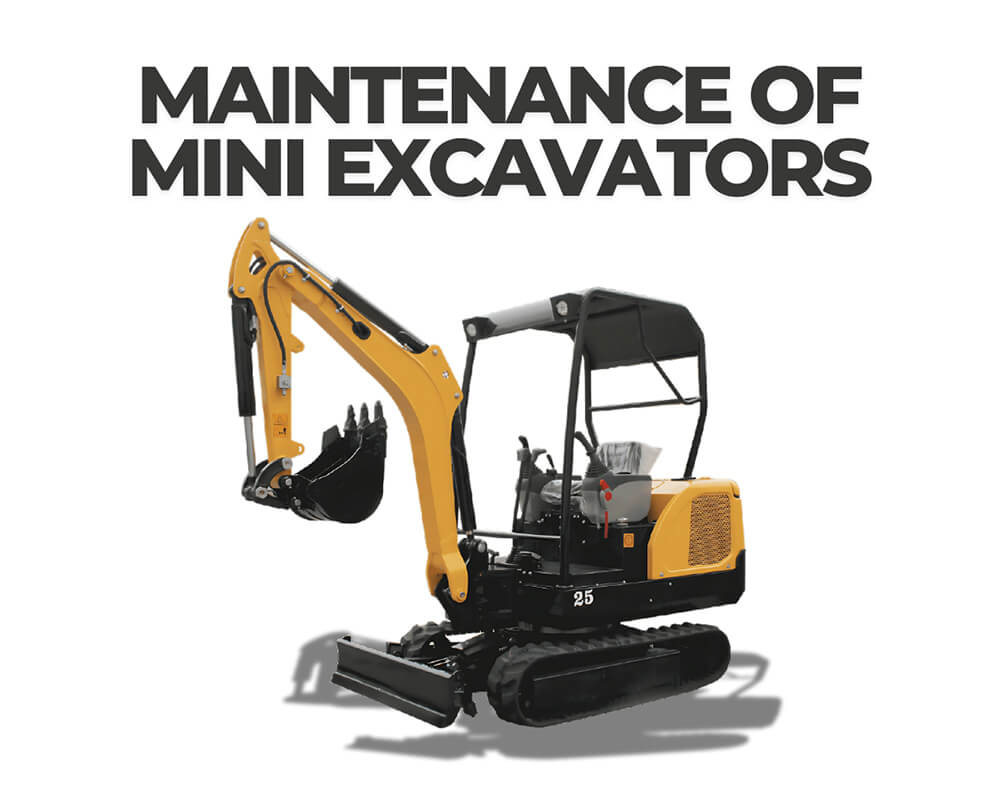
Mini excavators, also called compact or micro excavators, are highly versatile machines widely used in construction, landscaping, agriculture, and more. Weighing between 1 and 10 tons, these compact yet powerful units handle digging, lifting, and material handling with ease.
Keeping your mini excavator in good condition is essential for peak performance, job site safety, and a longer lifespan. Regular maintenance boosts efficiency and helps prevent costly downtime. A well-maintained machine runs smoothly, uses less fuel, and reduces the risk of accidents from worn or damaged parts.
In this article, BISON mini excavator supplier will share a complete guide to mini excavator care and maintenance — from daily checks to long-term servicing — so you can keep your machine working reliably while saving time and money.
Thorough daily checks are the backbone of a strong preventive maintenance plan for mini excavators. Just a few minutes each day can help you catch small issues before they turn into big problems. Here's a quick checklist of must-do tasks:
Visual inspection
Before starting, look for leaks like oil, hydraulic fluid, or coolant. Check hoses, cables, tracks, rollers, idlers, and drive sprockets for cracks, dents, missing pins, or excessive wear. Spotting these early avoids bigger repairs later.
Check fluid levels
Fluids keep your excavator running smoothly. Inspect and top up engine oil, coolant, and hydraulic fluid daily. Low levels can cause overheating or damage. Always use the correct type and amount specified by the manufacturer.
Lubricate all pivot points and joints with a grease gun as outlined in your operator's manual. This reduces friction, prevents wear, and keeps parts moving freely. Skipping this can lead to costly breakdowns.
Keep the cab clean—wipe handles, pedals, seats, and glass for clear visibility. Blow out dust around motors, pumps, and coolers using compressed air. Always clean the undercarriage to remove dirt or rocks that can affect performance and cause extra wear. Use brushes or a pressure washer as needed, but avoid spraying sensitive parts directly with high pressure.
By doing these quick checks daily, you'll prevent costly downtime, reduce repairs, and keep your mini excavator running at its best.
In addition to daily checks, a planned maintenance schedule is vital for keeping your mini excavator running at its best over the long term. Below is a recommended routine for weekly, monthly, and periodic tasks.
Check and tighten bolts and fasteners
Vibrations and tough working conditions can loosen bolts and fasteners over time. Inspect all connections and tighten as needed to prevent parts from coming loose during operation and to maintain safe performance.
Rotate attachments
If you use attachments like buckets or augers, rotate them regularly to promote even wear. This extends attachment life and keeps them working efficiently.
Inspect and replace air filters
Check air filters monthly, especially in dusty conditions. Replace clogged or dirty filters to ensure proper airflow and protect the engine from damage.
Check and adjust track tension
Tracks that are too tight or loose can strain the undercarriage and reduce efficiency. Inspect and adjust track tension monthly according to the manufacturer's guidelines.
Check tires
Inspect tire pressure and tread wear. Replace worn tires to maintain stability and traction, and rotate them if wear is uneven.
Inspect the hydraulic system
Every few months, check hydraulic lines, pumps, and connections for leaks or damage. Early repairs prevent costly failures.
Change engine oil and hydraulic fluid
Replace engine oil and hydraulic fluid quarterly or annually, depending on usage. Clean fluids ensure proper lubrication and system performance—always use fluids recommended by the manufacturer.
Inspect electrical systems
Periodically inspect the wiring, battery, and all lights or indicators. Repair or replace damaged components to prevent unexpected breakdowns.
By following this regular maintenance schedule, you'll keep your mini excavator reliable, efficient, and safe for years to come. Proper care protects your investment, reduces downtime, and ensures smooth operation. Always refer to your owner's manual for machine-specific requirements.
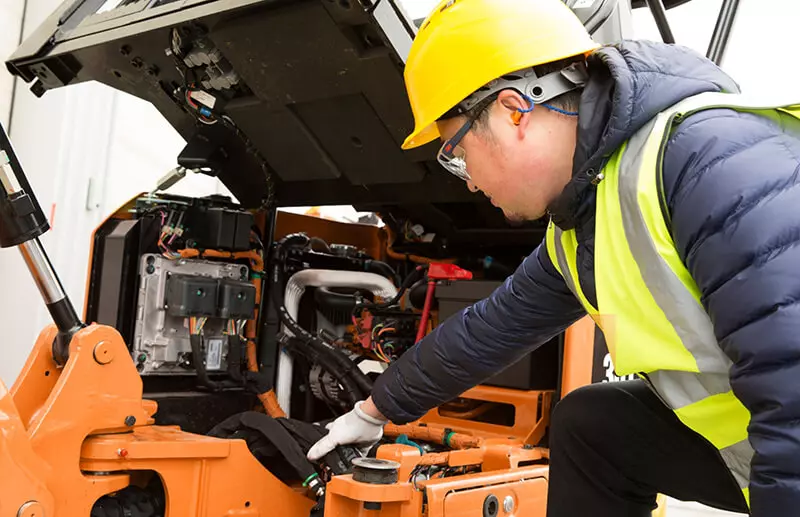
Mini excavators are valuable machines, and taking good care of them greatly extends their lifespan. By following these practical tips, you can reduce wear, prevent damage, and keep your machine operating like new for years to come.
Just like a car engine, a mini excavator needs time to warm up and cool down. Before working, let the engine idle for a few minutes to circulate oil, especially in cold weather. After finishing, idle the engine briefly to cool it gradually and ease strain on components. Skipping this step can cause overheating and unnecessary wear.
Every mini excavator has limits. Avoid overloading the bucket, forcing the machine through tough terrain, or lifting more than recommended. Overworking the boom, arm, or hydraulics can cause costly damage. Always follow the manufacturer's capacity guidelines to prevent breakdowns and prolong service life.
The manufacturer's maintenance plan covers oil changes, filter replacements, inspections, and other tasks to keep your excavator in top shape. Stick to it and log all maintenance. Skipping routine service can lead to debris buildup, poor performance, and expensive repairs.
When not in use, store the excavator in a covered, dry place to protect it from rain, snow, and sun damage. For long-term storage, drain fluids if recommended and cover the machine to keep out dust and debris. Proper storage prevents rust and keeps electrical parts in good condition.
How the excavator is operated has a big impact on its lifespan. Make sure all operators are properly trained and follow safe, efficient techniques for digging, lifting, and moving loads. Avoid sudden movements or rough handling, which can stress the machine and cause premature wear.
By warming up and cooling down the machine, working within its limits, sticking to the maintenance plan, storing it well, and ensuring trained operators use best practices, you can greatly extend the life of your mini excavator. These simple steps save money, improve efficiency, and keep your equipment ready for any job.
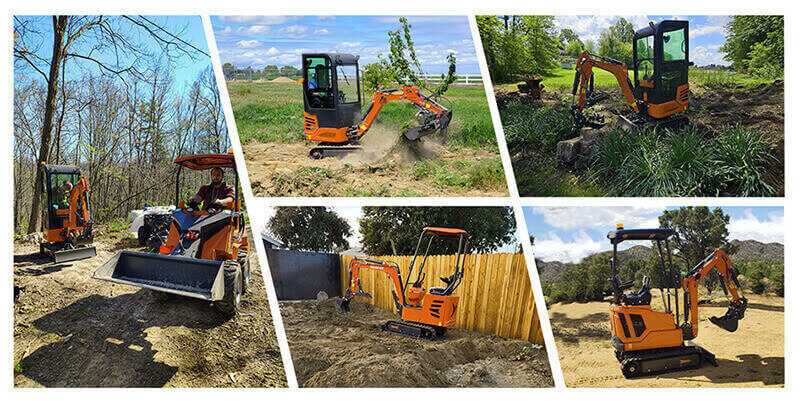
Maintaining a mini excavator involves hazards such as moving parts, pressurized systems, and electrical circuits. Accidents and injuries can be minimized by following essential safety protocols.
Before performing any maintenance or repairs, ensure all energy sources that power machine movement or hydraulic functions are completely disabled. This includes:
Turning off the engine and removing the ignition keys.
Disconnecting the battery terminals.
Releasing any residual hydraulic pressure.
Always follow proper lockout/tagout procedures and verify that controls do not operate the machine before starting work.
Excavator fuels, oils, coolants, and solvents can pose health and environmental hazards. Minimize risks by:
Reading and following safety data sheets (SDS) for proper handling instructions.
Using correct containers and funnels.
Capping containers immediately after use.
Wearing oil-resistant gloves and eye protection.
Avoiding sprays and minimizing skin contact.
Ensure good ventilation when draining or refilling fluids, and have spill-prevention tools like drain pans and absorbent pads ready.
To prevent crushing injuries when working underneath:
Park on firm, level ground and use outriggers if available.
Lower attachments to the ground and release hydraulic pressure.
Use secure jack stands to support components properly.
Avoid getting pinned between the machine and other objects.
Additionally, use wheel chocks, apply the parking brake, and have a spotter when needed.
Take extra care when servicing the excavator's electrical system:
Disconnect batteries before working on electrical parts.
Keep hands dry when handling batteries or wires.
Avoid contact with hot terminals and prevent short circuits.
Double-check that connections are fully isolated before reconnecting.
Replace any damaged high-voltage cables rather than repairing them.
Being vigilant, following the manufacturer's procedures, and prioritizing safety will help reduce accidents and keep maintenance tasks safe and effective.
Preventive maintenance is the key to keeping your mini excavator in top condition, ensuring it performs efficiently and safely on every job. By addressing small issues early and sticking to a consistent maintenance routine, you can avoid costly breakdowns and extend the life of your machine. Always refer to your operator's manual for model-specific maintenance guidelines, as each excavator may have unique requirements.
Remember, regular maintenance is far more affordable than dealing with major repairs later. A well-maintained excavator saves money, reduces downtime, operates more smoothly, and keeps your job site safer.
Don't wait for problems to appear—take proactive steps today! Perform daily inspections, follow the recommended maintenance schedule, and ensure operators are properly trained. By giving your mini excavator the care it needs, you'll keep it running reliably for years to come and maximize your return on investment.
inquiry form here
BISON BLOG, All the latest news and views from Bison Machinery.
what's hot?

Related Articles
mini excavator sizes: choosing the right size for your project how to change the bucket of a mini excavator large excavators vs mini excavators what equipment do you use for demolition? common questions about excavator hydraulic systemsRelated Products