16Jan 2026
table of contents
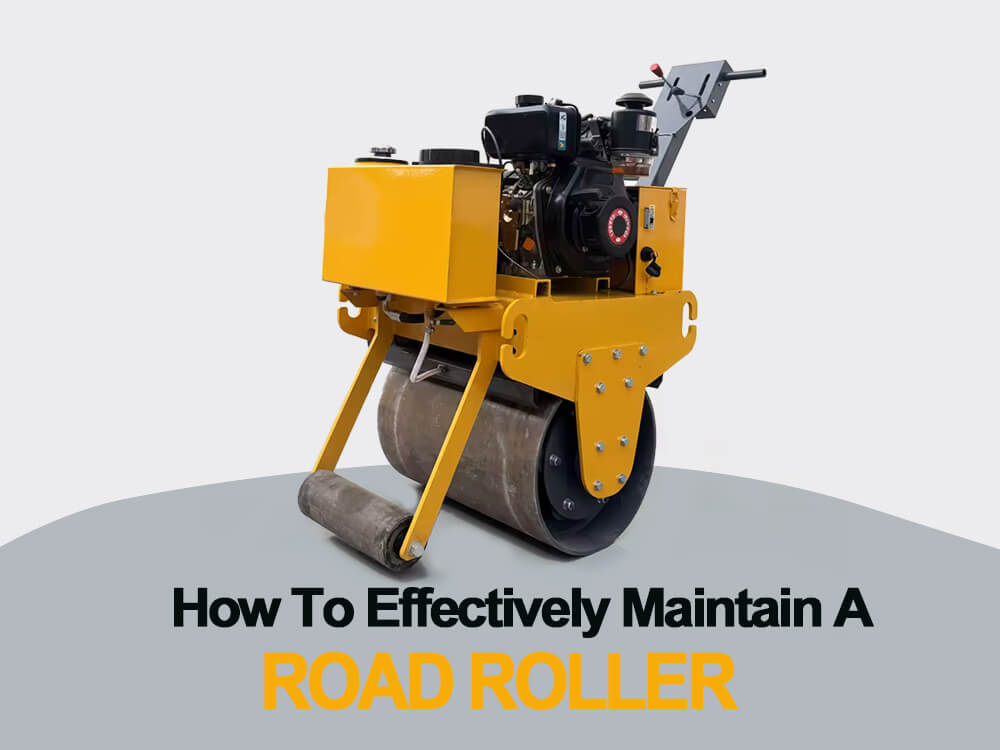
Preventive maintenance is the most effective way to keep a road roller in good working condition, reduce breakdowns, and extend its service life. Regular inspections improve safety, performance, and long-term operating reliability. Below are the essential maintenance practices to follow.
Daily inspections help catch small issues early.
Tasks
Engine oil: check and top up to avoid engine damage.
Coolant: maintain the correct level to prevent overheating.
Fuel: keep the tank full and check for leaks.
Hydraulic fluid: ensure proper level for vibration and steering performance.
Tires or drum: inspect for cracks, wear, or damage.
Weekly checks focus on parts that experience regular wear.
Tasks
Belts and hoses: inspect for cracks, fraying, or leaks.
Drum condition: look for dents, uneven wear, or debris.
Lubrication: apply grease to bearings, joints, and axles.
Battery terminals: clean corrosion and tighten connections.
Hydraulic hoses and fittings: inspect for leaks and tighten as needed.
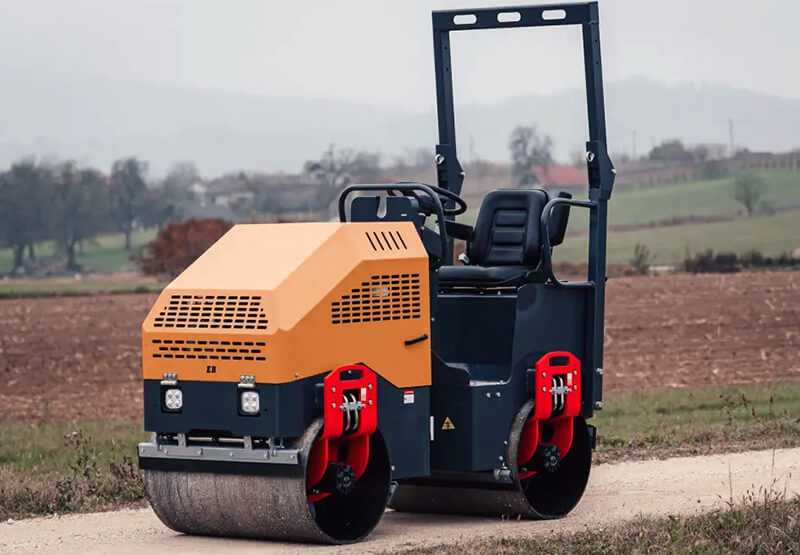
A monthly inspection helps prevent long-term damage.
Tasks
Engine performance: listen for unusual noise, vibration, or smoke.
Transmission: check fluid levels and inspect for wear or noise.
Electrical system: test lights, gauges, and sensors.
Steering system: inspect linkages, hydraulic lines, and fluid levels.
Vibration mechanism: check exciter bearings and drum alignment.
Follow the manufacturer’s service schedule for full maintenance.
Tasks
Engine service: change oil and filters; check spark plugs, belts, and internal components.
Hydraulic system: replace hydraulic fluid and filters; inspect pumps, cylinders, and hoses.
Transmission: check fluid condition, inspect gearbox, and replace worn parts.
Electrical system: inspect wiring and alternator; replace faulty components.
Drum maintenance: recondition or replace worn drums; check bearings and axles.
Additional tips
Avoid long operation in extreme heat or harsh conditions.
Use high-quality fuel, lubricants, and genuine replacement parts.
Keep the drum road roller clean to prevent debris buildup on the drum and chassis
A proactive maintenance schedule keeps your road roller efficient, reduces downtime, and ensures safe and reliable operation. Following BISON’s recommended routine helps operators and maintenance teams avoid costly problems.
Even with proper maintenance, some road roller issues need a trained technician. Knowing when to escalate a problem helps prevent costly damage, saves time, and ensures job-site safety.
Signs of serious mechanical failure
Call a professional immediately if you notice:
Engine problems such as persistent overheating, knocking, or failure to start even after checking the battery and fuel system.
Hydraulic failures including unresponsive movement, major leaks, or repeated overheating.
Transmission or drive issues like slipping, jerky operation, or failure to move.
Brake malfunctions that reduce stopping power or cause complete brake failure.
Unusual noises, strong vibrations, or smoke that do not improve after basic maintenance.
Timely professional support, combined with proactive care, keeps your road roller reliable, efficient, and safe for every project.
Preventive maintenance — including daily inspections, routine greasing, fluid checks, and scheduled servicing — is far more effective and cost-efficient than reacting to unexpected breakdowns. Regular care keeps your road roller performing at its best and extends its operational life.
Safety should always come first. Follow proper shutdown procedures, use lockout/tagout practices during service, and consult the operator’s manual or a professional technician for complex issues.
Implement a proactive maintenance plan, train operators on daily checks, and rely on BISON’s expertise and OEM guidance to keep your road rollers safe, reliable, and efficient on every project.
inquiry form here
BISON BLOG, All the latest news and views from Bison Machinery.
what's hot?
Related Articles
how to choose the right asphalt roller for a paving project how to choose a road roller size what is the difference between a skid steer and a backhoe loader difference between graders and road rollers everything you should know about soil compactorsRelated Products