27Jul 2025
table of contents
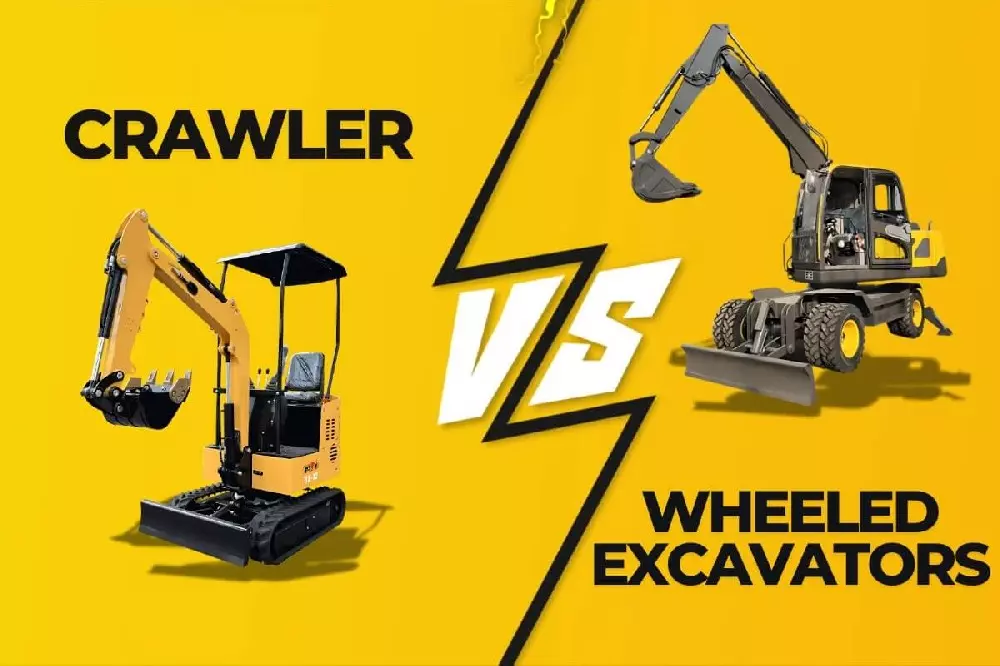
Light construction equipment like excavators play a vital role in lifting, moving, and digging large amounts of earth and materials on job sites. Among the most widely used types are crawler excavators and wheeled excavators, each designed to excel in specific conditions. Understanding difference between crawler and wheeled excavators, can help you choose the right equipment for your project's demands.
In this article, BISON will compare crawler and wheeled excavators to highlight their key features, strengths, drawbacks, and ideal applications.
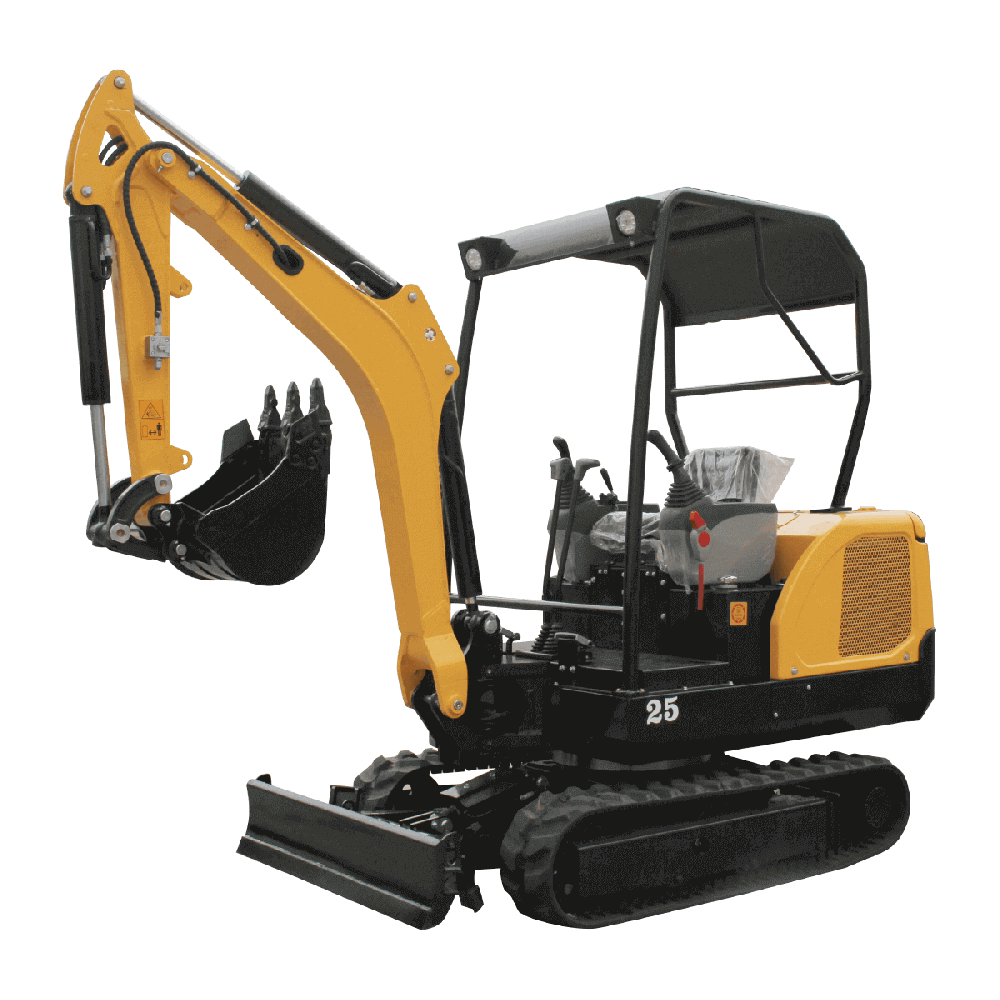
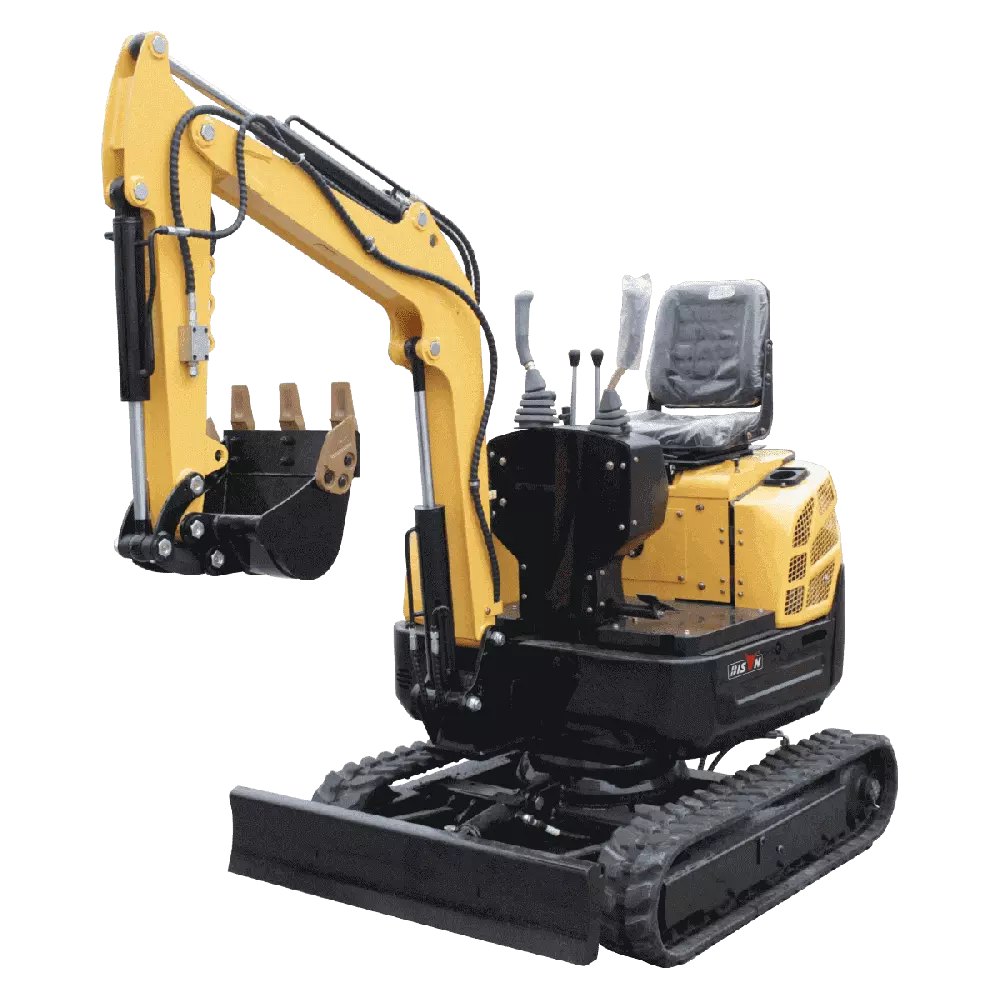
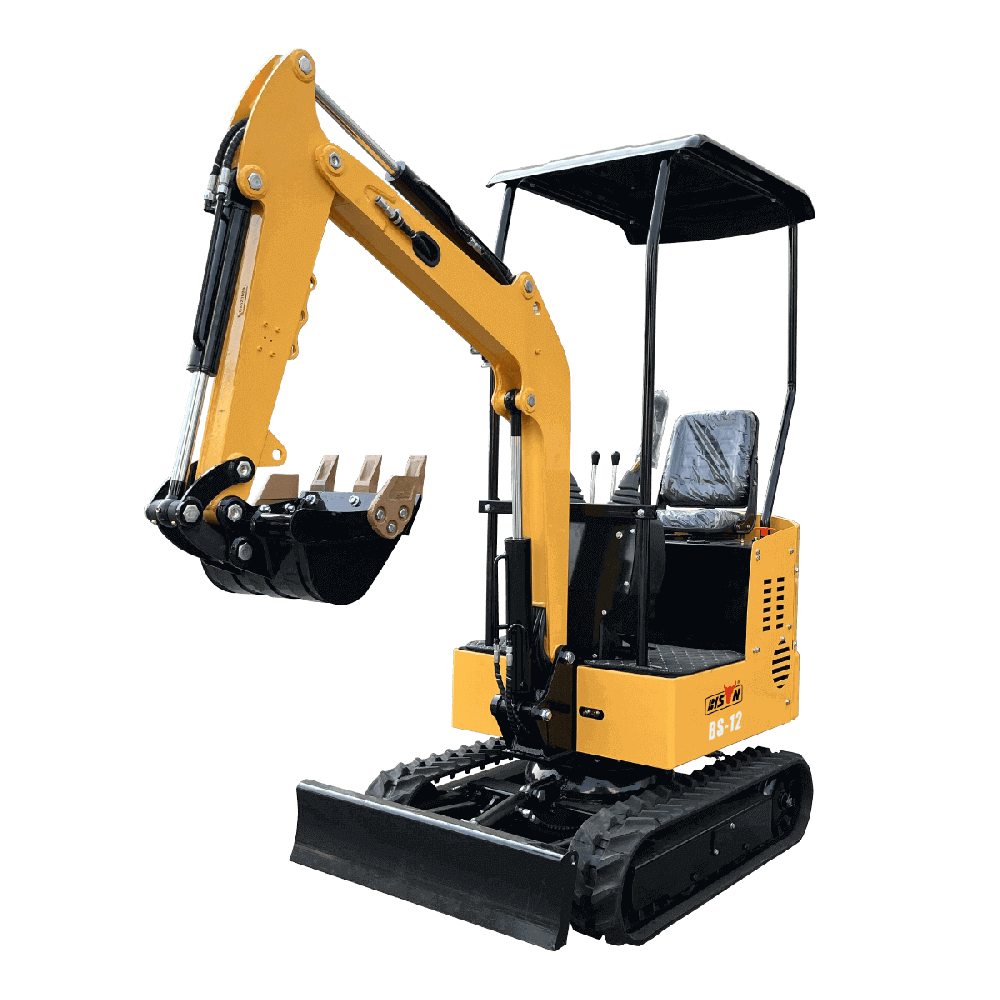
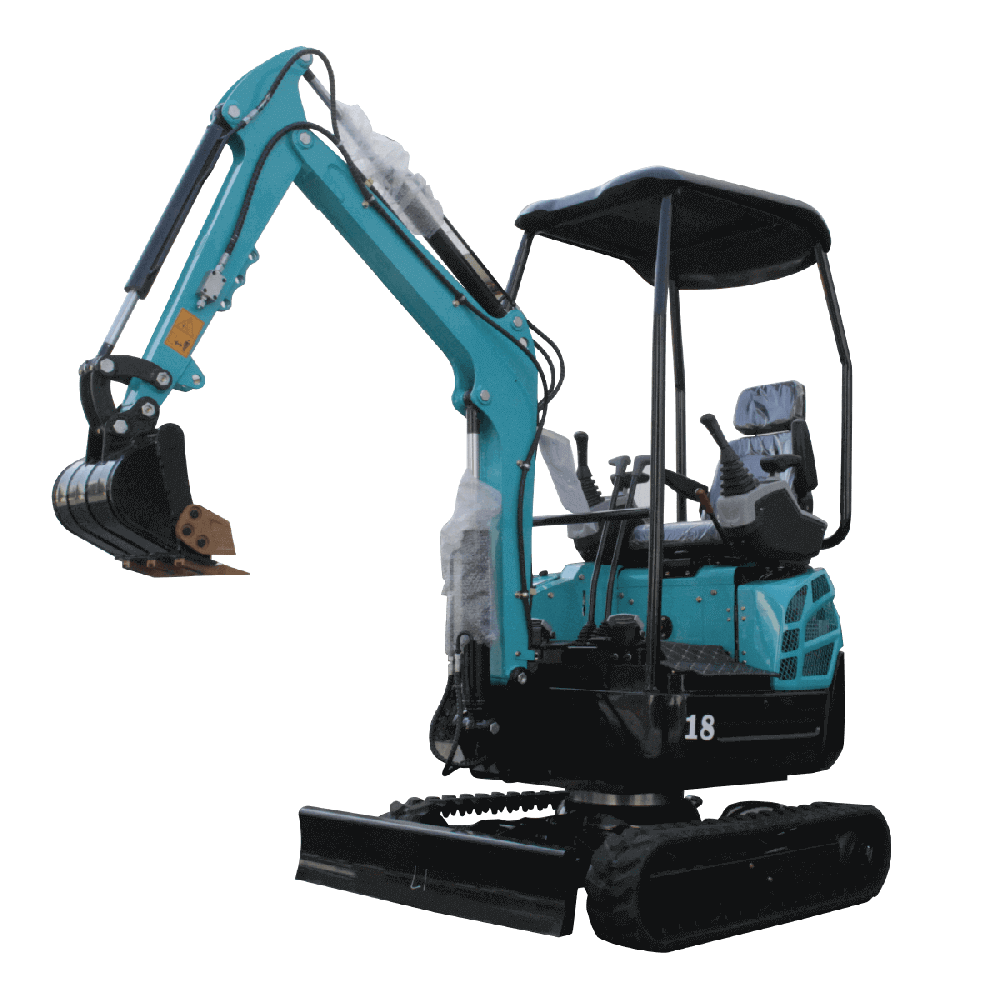
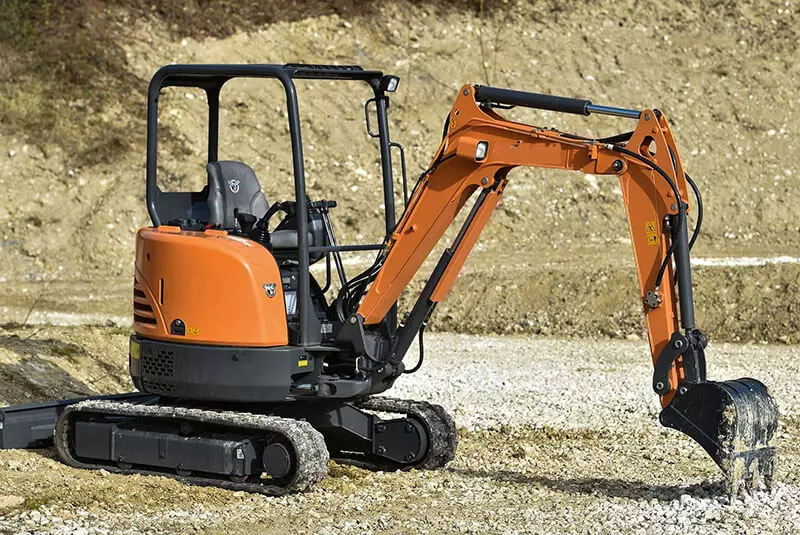
Also called tracked excavators, crawler excavators are powerful machines designed for tough jobs. Instead of wheels, they move on large tracks like those on tanks. These tracks provide excellent stability and traction, especially on soft or uneven ground.
Tracked movement : Tracks spread the machine's weight, preventing it from sinking and ensuring better grip on challenging terrain.
Robust design : Built to withstand heavy loads and harsh conditions.
Stability and traction : Tracks keep the machine steady and maintain strong grip on muddy, rocky, or sandy ground.
Reliable on rough terrain : Performs well on slopes, forests, and demanding work sites where wheeled machines may struggle.
Crawler excavators are widely used for:
Construction : Digging foundations, trenching, and moving earth.
Mining : Excavating and hauling heavy materials.
Demolition : Breaking down buildings and large structures.
Forestry : Land clearing and site preparation.
When a job calls for strength, stability, and reliable performance on rough ground, crawler excavators are the top choice, even if they are slower than wheeled versions.
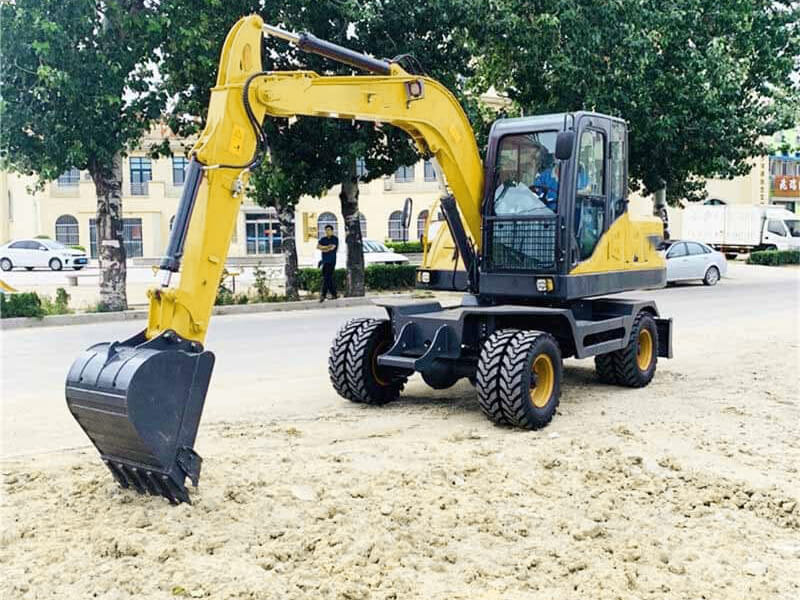
Wheeled excavators use rubber tires instead of tracks, which makes them fast and highly mobile on hard, flat surfaces like roads and city streets. They handle many of the same tasks as crawler excavators but excel in projects where speed and easy maneuvering are essential.
Rubber tires : Allow quick travel over paved surfaces without damaging them and make moving between sites easy without a trailer.
Compact design : Suited for tight urban spaces and narrow work areas.
Versatile attachments : Can use various tools, such as buckets, grapples, or breakers, for different tasks.
High speed and mobility : Travel quickly between jobs, saving time and transport costs.
Easy to maneuver : Can turn and work efficiently in confined spaces and busy city areas.
Gentle on roads : Tires protect paved surfaces, minimizing damage during work.
These machines are ideal for jobs that require speed and flexibility more than raw digging power, such as:
Urban construction : Foundations, utility work, and general excavation in cities.
Road maintenance : Repairs, ditch cleaning, and infrastructure upkeep.
Landscaping : Shaping parks, gardens, and digging small trenches.
Material handling : Moving light materials and debris around job sites.
Wheel type excavators are the go-to choice for projects that need quick movement, easy handling, and low surface impact.
When choosing between crawler and wheeled excavators, it's essential to understand the features and advantages of each type. Comparisons can also be made in terms of mobility, stability, fuel efficiency, cost, versatility, maintenance, and lifespan, which can help you decide which suits your needs best.
Crawler excavators: These machines are slower because they move on tracks but excel on rough or soft terrain such as mud, rocks, or slopes where wheeled machines struggle. They typically require a trailer for transport between sites.
Wheeled excavators: Equipped with rubber tires, they travel faster and can move easily between job sites without extra transport. However, they perform best on flat, firm surfaces like roads and urban areas and are not ideal for soft or steep ground.
Crawler excavators: Their wide tracks provide excellent stability on slopes, uneven ground, and soft soil, making them reliable for demanding tasks in tough conditions.
Wheeled excavators: They are stable on flat or paved surfaces but may need additional supports, like outriggers, to maintain balance on uneven or soft terrain.
Crawler excavators: Often consume more fuel due to slower travel speeds and demanding work on rough ground.
Wheeled excavators: Generally more fuel-efficient for projects on even terrain where less power is needed for movement.
Crawler excavators: Usually more expensive to purchase and maintain due to their heavy-duty build and track system, which wears faster on hard surfaces.
Wheeled excavators: Typically less expensive upfront and have lower maintenance costs since tires are cheaper and easier to replace, though frequent heavy use can cause faster tire wear.
Crawler excavators: Best for heavy-duty tasks on rough, uneven, or soft terrain. Commonly used in construction, mining, and forestry.
Wheeled excavators: Ideal for urban projects, road work, and maintenance jobs where speed and maneuverability are important.
Crawler excavators: Tracks require more complex upkeep and can wear quickly on paved surfaces, leading to higher maintenance costs and downtime.
Wheeled excavators: Easier and cheaper to maintain thanks to simple tire replacements, though their hydraulic and steering systems may need regular checks.
Crawler excavators: Highly durable when properly maintained and built for heavy work in demanding environments.
Wheeled excavators: Durable for light to moderate tasks but may have a shorter lifespan if used for heavy-duty work on unsuitable terrain. Proper use and care extend their service life.
Which one is best for you?
If your projects involve rough, uneven, or soft ground and require heavy-duty performance, a crawler excavator is the better choice. For work on paved roads, in urban areas, or tasks needing speed and flexibility, a wheeled excavator offers the convenience and efficiency you need.
Choosing between a crawler excavator and a wheeled excavator depends on the specific needs of your project, the work environment, and your budget. Both machines have unique strengths, so it's important to weigh these key factors before making a decision.
The nature of your work is a major factor:
Crawler excavators: Best for heavy-duty tasks like mining, large-scale excavation, demolition, or working in harsh environments. Their power and stability handle demanding jobs effectively.
Wheeled excavators: Ideal for lighter work such as road maintenance, landscaping, utility work, or smaller urban construction tasks where speed and maneuverability matter.
Tip: Consider whether your project demands maximum digging force and lifting capacity or precise handling in tight spaces.
The ground conditions at your work site greatly affect your choice:
Crawler excavators: Perfect for rough, uneven, or soft terrains (muddy, sandy, rocky) due to their tracks, which provide excellent traction and stability.
Wheeled excavators: Best suited for hard, flat surfaces like paved roads or city streets, where tires ensure quick, smooth travel.
Tip: If you're working on steep slopes or unstable ground, a crawler excavator offers more security.
Think about both upfront and ongoing costs:
Crawler excavators: Usually have a higher purchase price and cost more to maintain, as tracks wear out faster on hard surfaces and require more complex repairs. However, they are durable for heavy-duty work over time.
Wheeled excavators: Typically cost less to buy and maintain. Tire replacements are simpler and cheaper than track repairs, but tires may wear out quicker if the machine is used for tough jobs.
Tip: Look beyond the initial cost — factor in fuel, maintenance, and expected lifespan for a realistic budget.
How often your machine needs to move can influence your decision:
Crawler excavators: Slower travel speed and generally need to be transported on a trailer between distant job sites. They're best when the machine stays at one site for longer periods.
Wheeled excavators: Faster and can travel on roads between sites without extra transport equipment, saving time and increasing productivity.
Tip: For projects requiring frequent relocation, wheeled excavators offer greater convenience and cost savings.
Machine stability is crucial, especially during digging and lifting:
Crawler excavators: Their tracked undercarriage spreads weight evenly, providing excellent ground contact and stable operation even on uneven or sloped surfaces.
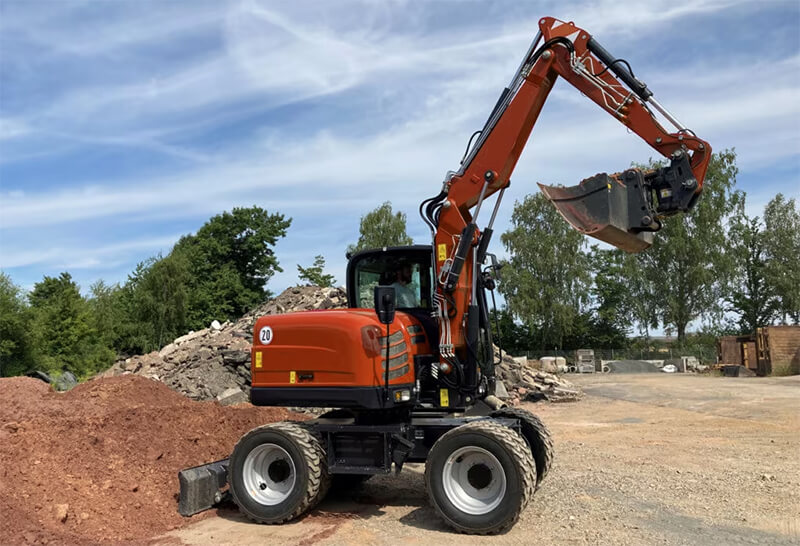
Wheeled excavators: Use tires along with dozer blades and outriggers for stability. Outriggers can be deployed individually to level the machine on slopes and ensure steady digging performance. Larger dozer blades can also help with leveling, backfilling, or additional support.
In practice, wheeled excavators can achieve stability comparable to crawler models when properly supported with outriggers and blades, allowing operators to maintain strong lifting and digging performance.
Final tip
While both types perform well, matching the excavator to your job's terrain, mobility needs, budget, and required stability ensures you get the best efficiency and value.
Crawler excavators operate on two continuous tracks, making them ideal for heavy-duty construction and mining tasks. These machines lift large amounts of dirt and debris using a hydraulic power mechanism, while wheeled excavators use rubber tires and are better suited for paved surfaces.
Wheeled excavators are often called rubber ducks because of their duck-like appearance and the way they tend to "bob about" during operation. Their rubber tires make them suitable for roads and streets, unlike the steel tracks of standard excavators.
On average, a well-maintained excavator lasts about 7,000 to 10,000 hours. The exact lifespan can vary by brand and usage conditions, but this provides a reliable estimate.
Both crawler and wheeled excavators have distinct advantages that make them indispensable for different types of projects. Crawler excavators provide superior stability and traction on rough or uneven terrain, making them ideal for demanding tasks like mining, large-scale earthmoving, and heavy-duty construction. In contrast, wheeled excavators offer greater mobility and speed on flat, paved surfaces, making them a practical choice for urban construction, road maintenance, and projects that require frequent relocation.
When deciding which type is best, it's important to consider your specific job requirements, ground conditions, budget, and fuel efficiency needs to ensure maximum productivity and cost-effectiveness.
At BISON, we manufacture durable, high-performance excavators tailored to meet diverse project demands. Whether you need the power and stability of a crawler excavator or the flexibility and speed of a wheeled model, we have the right solution for you. Contact us today to learn more about BISON excavators and discover why professionals worldwide choose BISON for reliable, efficient machines.
inquiry form here
BISON BLOG, All the latest news and views from Bison Machinery.
what's hot?
Related Articles
mini excavator sizes: choosing the right size for your project how to change the bucket of a mini excavator large excavators vs mini excavators what equipment do you use for demolition? common questions about excavator hydraulic systemsRelated Products