05Jan 2026
table of contents
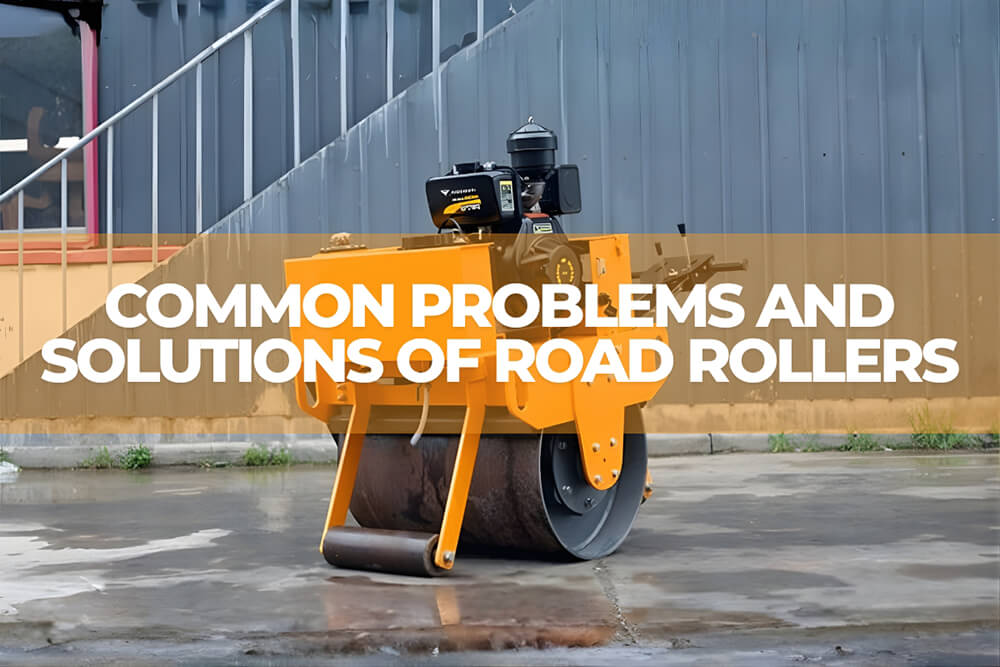
Road rollers are essential for building durable and safe surfaces that keep cities moving. Whether it’s a highway, building foundation, or construction site, every project relies on a well-maintained roller to achieve proper compaction and stay on schedule. When the roller runs smoothly, the job does too.
Unexpected breakdowns are a major risk on any worksite. A roller that loses power, vibrates incorrectly, or stops moving can halt operations and cause costly delays. These problems often appear without warning, especially when inspections are skipped or early signs are ignored.
That’s why BISON, a professional road roller manufacturer in China, created this practical troubleshooting guide. It helps operators, maintenance teams, and contractors quickly identify common issues, understand their causes, and take the right first steps before deeper repairs are needed.
Whether you’re mid-project or preparing for the next one, this guide will help you reduce downtime and keep your roller working at its best.
Road rollers are indispensable in construction, used to compact soil, asphalt, and concrete. Despite their heavy-duty design, they can experience mechanical, hydraulic, electrical, and operator-related issues. Understanding these problems and applying the right solutions is essential for smooth operation, reduced downtime, and longer machine life. Below is a streamlined guide to the most common issues.
The engine powers the entire machine, so any issue directly affects performance.
Causes
Weak or dead battery
Fuel supply issues (empty tank, clogged filters, air in lines)
Faulty starter motor or ignition
Engine flooding from overcranking
Mechanical failure such as timing belt or piston damage
Effects
Machine cannot operate
Repeated attempts may drain the battery or damage the starter
Solution
Charge or replace the battery
Ensure fuel supply; clean or replace filters
Inspect and repair starter or ignition parts
Avoid excessive cranking
Follow regular engine maintenance, including oil and timing belt checks
Causes
Low coolant or oil
Dirty or blocked radiator
Faulty water pump
Continuous operation in extreme heat
Clogged air filters
Effects
Engine parts may seize
Long-term performance loss
Solution
Maintain correct coolant and oil levels
Clean the radiator and cooling components
Replace faulty pumps or hoses
Allow the engine to cool during high temperatures
Causes
Clogged air filters
Poor or contaminated fuel
Worn rings, valves, or injectors
Carbon buildup
Effects
Reduced compaction ability
Higher fuel consumption
Solution
Clean or replace air filters
Use clean, high-quality fuel
Repair worn engine components
Clean injectors and combustion chambers
Causes
Incorrect fuel–air mixture
Worn piston rings or liners
Faulty injectors or turbocharger
Oil leaking into the combustion chamber
Effects
Pollution
Reduced engine efficiency
Possible turbocharger/exhaust damage
Solution
Adjust fuel system
Replace worn rings, liners, or gaskets
Service turbocharger
Fix oil seal leaks
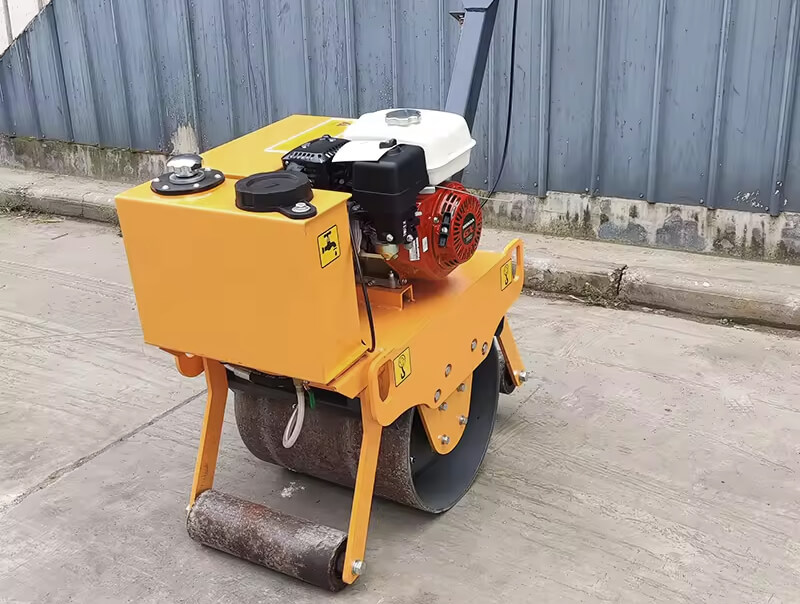
The hydraulic system manages vibration, steering, and auxiliary movement.
Causes
Worn seals or gaskets
Loose fittings
Damaged hoses or cylinders
Corroded lines
Effects
Fluid loss
Reduced system efficiency
Safety risks
Solution
Replace damaged seals
Tighten fittings
Replace hoses or cylinders
Treat hydraulic lines for corrosion
Causes
Low fluid level
Air in lines
Faulty pumps or valves
Clogged filters
Effects
Weak vibration
Sluggish steering or movement
Poor compaction
Solution
Maintain fluid levels
Bleed air from the system
Repair or replace pump/valves
Replace filters
Causes
Damaged exciter
Worn drum bearings
Incorrect hydraulic pressure
Misadjusted vibration components
Effects
Uneven compaction
Surface defects
Solution
Repair or replace exciter
Replace drum bearings
Adjust hydraulic pressure
Realign vibration components
Since the drum makes direct contact with the surface, any defect affects compaction quality.
Causes
Damaged or worn drum
Poor weight distribution
Operator error
Incorrect vibration settings
Effects
Bumps, ridges, or depressions
Weak surface layer
Solution
Repair or replace the drum
Ensure correct ballast
Train operators on proper technique
Adjust vibration settings for the material
Causes
Debris trapped under the drum
Rust buildup
Worn bearings or axles
Effects
Drum stops rotating
Increased strain on engine and transmission
Solution
Clean drum and remove debris
Apply anti-corrosion treatment
Replace worn bearings or axles
Causes
Worn exciter bearings
Misaligned drum components
Insufficient lubrication
Effects
Excessive vibration
Long-term mechanical damage
Solution
Replace exciter bearings
Realign components
Lubricate according to schedule
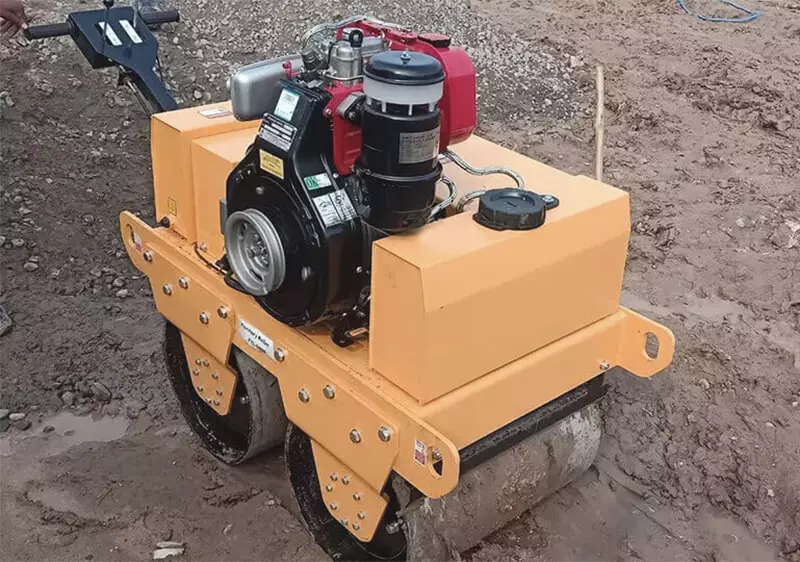
Mobility and control depend on proper transmission and steering function.
Causes
Worn clutch or gearbox
Low transmission fluid
Overloading
Effects
Inconsistent movement
Accelerated wear
Solution
Replace worn parts
Maintain fluid levels
Avoid overloading
Causes
Incorrect transmission settings
Drum imbalance
Worn tires (pneumatic rollers)
Effects
Uneven compaction
Operator discomfort
Solution
Adjust transmission
Balance drums
Replace tires
Causes
Faulty hydraulic steering
Worn or loose linkages
Low steering fluid
Effects
Poor control
Safety risks
Solution
Repair steering hydraulics
Replace worn linkages
Maintain fluid levels
These issues affect ignition, sensors, lights, and machine electronics.
Causes
Weak or old battery
Faulty alternator
Corroded terminals
Effects
Hard starting or quick battery drain
Faulty lights or gauges
Solution
Test and replace battery
Repair alternator
Clean and tighten terminals
Causes
Dirty or broken sensors
Wiring faults
Control panel malfunction
Effects
Incorrect readings
Unnoticed system failures
Solution
Clean or replace sensors
Fix wiring
Service control panel
Causes
Burned-out bulbs
Loose connections or shorts
Effects
Reduced visibility
Inactive warning signals
Solution
Replace bulbs
Tighten or repair connections
Fix wiring shorts
Improper use can cause many roller machines issues.
Effects
Extra strain on engine, transmission, and drum
Solution
Follow manufacturer load limits
Avoid long periods of heavy loading
Effects
Frequent failures
Shortened machine life
Solution
Follow a strict maintenance schedule
Keep inspection records
Train operators on daily checks
Effects
Uneven compaction
Higher fuel use
Component damage
Solution
Provide operator training
Monitor performance
Use correct compaction techniques
Troubleshooting a road roller involves working around heavy components and high-pressure systems, which can be dangerous without proper precautions. Following safety measures protects operators, maintenance personnel, and the machine itself.
Before any inspection or repair:
Turn off the engine and remove the ignition key.
Allow the engine and hydraulic system to cool to avoid burns.
Use the correct ppe at all times:
Gloves: protect against sharp edges, heat, and fluids.
Steel-toed boots: prevent injuries from heavy parts.
Safety glasses: shield eyes from debris and fluid spray.
Ear protection: use when working near loud components.
Durable clothing: prevent cuts and minor burns.
Road rollers contain extremely heavy parts:
Use cranes, jacks, or hoists to lift components safely.
Support lifted parts with stable stands or blocks.
Never rely solely on a hydraulic jack.
Road rollers use engine oil, hydraulic fluid, coolant, and fuel:
Wear gloves and eye protection.
Avoid skin contact and inhalation of fumes.
Dispose of fluids properly and clean spills immediately.
Prevent accidental machine startup:
Lock the ignition to prevent use.
Attach a clear “do not operate” tag.
Inform all personnel that maintenance is underway.
Hydraulic systems can be dangerous if mishandled:
Relieve hydraulic pressure before disconnecting hoses.
Avoid standing in the path of pressurized fluid.
Use tools rated for the system’s pressure levels.
A clean workspace reduces accidents:
Keep the area well-lit and free of clutter.
Use barriers to prevent unauthorized access.
Avoid working on unstable or slippery surfaces.
Always use official instructions:
Refer to the operator’s manual for procedures.
Use recommended tools and approved replacement parts.
Avoid improvised repairs that may cause damage.
When working with others:
Communicate clearly and coordinate movements.
Assign tasks to prevent accidental injury.
Be ready for unexpected situations:
Keep a first aid kit accessible.
Know the machine’s emergency shutdown procedure.
Have fire extinguishers nearby, especially for fuel or hydraulic fluid fires.
Daily checks are essential, with weekly inspections recommended. Full servicing should follow the manufacturer’s guidelines, usually every 250–500 operating hours.
Yes. Improper handling, overloading, and poor operating techniques can cause accelerated wear and mechanical damage.
Keep fluid levels correct, inspect hoses and seals regularly, and bleed the system to remove trapped air.
Yes. Aging wiring, worn connectors, and failing alternators can cause electrical issues, but routine inspections help prevent them.
As a professional road roller manufacturer in China, BISON understands how essential these machines are for building safe, long-lasting roads. However, road rollers can face challenges such as engine troubles, hydraulic faults, drum or transmission issues, electrical failures, and operator-related problems. Detecting these issues early, applying the right solutions, and following strong preventive maintenance and safety routines help maintain performance, minimize downtime, and extend the machine’s lifespan. With proper care and skilled operators, road rollers remain reliable, efficient, and ready for every project.
inquiry form here
BISON BLOG, All the latest news and views from Bison Machinery.
what's hot?
Related Articles
how to choose the right asphalt roller for a paving project how to choose a road roller size what is the difference between a skid steer and a backhoe loader difference between graders and road rollers everything you should know about soil compactorsRelated Products