11May 2026
table of contents
Starting a construction or landscaping project often involves tasks such as digging trenches, moving soil, and preparing the ground. Without the right machinery, these jobs can take significant time and labor. Modern construction equipment makes these tasks faster, safer, and more efficient. As a professional mini excavator manufacturer in China, BISON understands how reliable machines help contractors complete projects more smoothly and productively.
Selecting a machine that matches the project's requirements because it can improve productivity, reduce labor and operating costs, and ensure work is completed efficiently. Both backhoe loaders and mini excavators are common choices for digging, lifting, and earthmoving tasks. However, their functions vary depending on the project's size, topography, and required work. Understanding their strengths and weaknesses can help in making the best decision.
In this article, we compare two popular machines — the backhoe loader and the mini excavator. By examining their features, advantages, and common uses, BISON will help you determine which machine is best suited for your project needs and budget.
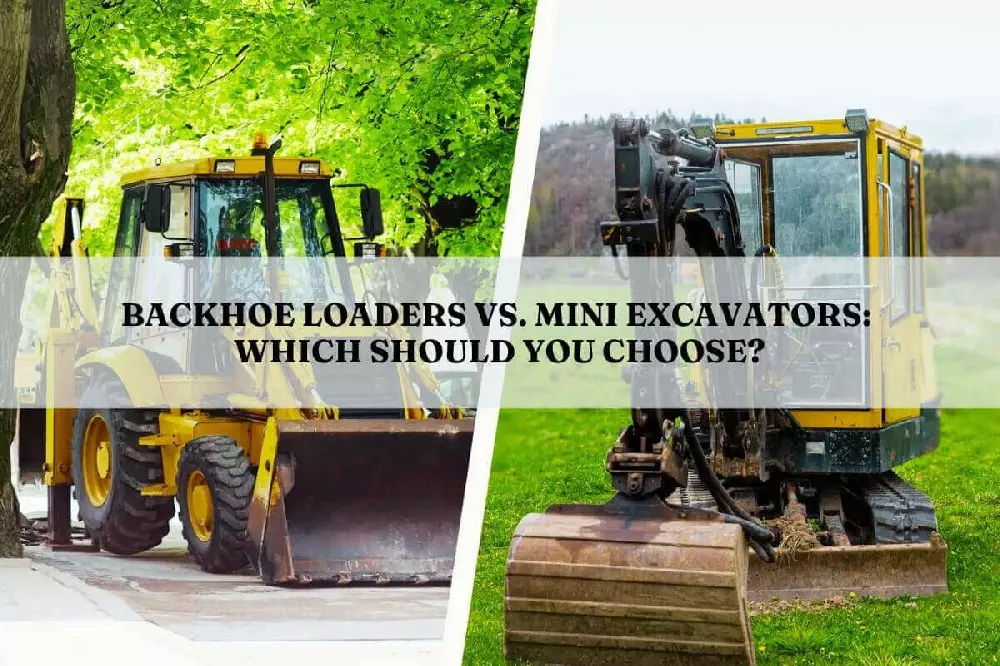
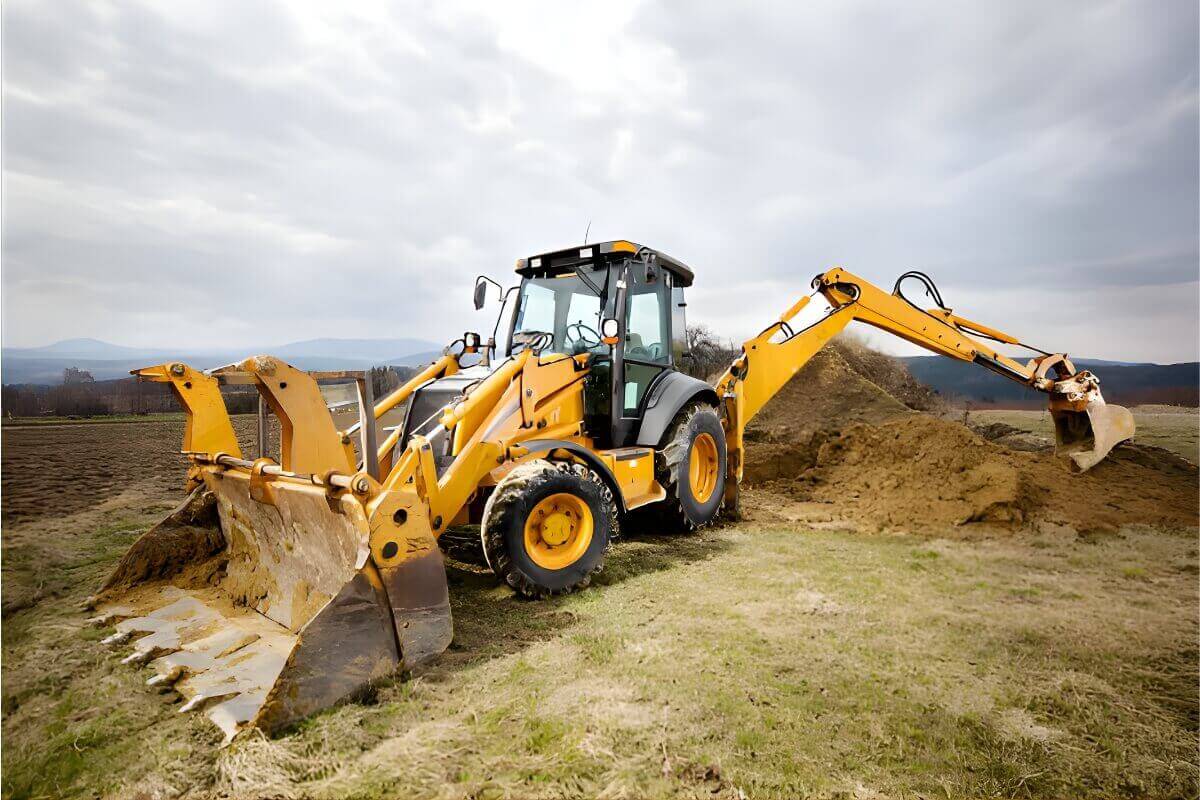
A backhoe loader is a multipurpose construction machine that combines a front-end loader for lifting and moving materials with a rear-mounted digging arm, called a backhoe, for excavation tasks such as digging trenches and holes.
Because it combines two machines in one, backhoe loaders are widely used in construction, landscaping, road maintenance, agriculture, and utility projects.
Multi-purpose functionality: Backhoe loaders can perform several tasks without switching machines. The front loader handles lifting, carrying, leveling, and moving materials, while the rear backhoe is used for digging trenches, foundations, or holes. A swivel operator seat allows the operator to rotate between controlling the front loader and the rear backhoe, making operation more efficient. This dual functionality makes the machine highly versatile for different job site tasks.
Size and durability: Backhoe loaders are larger than small excavators, providing greater lifting capacity and digging power. Their size offers stability during heavy work but reduces maneuverability in confined areas. They are equipped with stabilizer legs (outriggers) that extend during digging to provide balance and prevent tipping.
Terrain adaptability: Backhoe loaders perform well on uneven or moderately rough terrain. Their wheeled design allows them to travel on roads and provides traction on gravel and dirt surfaces, although very narrow or steep areas may limit their effectiveness. Backhoe loaders also support attachments such as different bucket types, hydraulic breakers, and grapples, allowing them to perform loading, digging, and light demolition work.
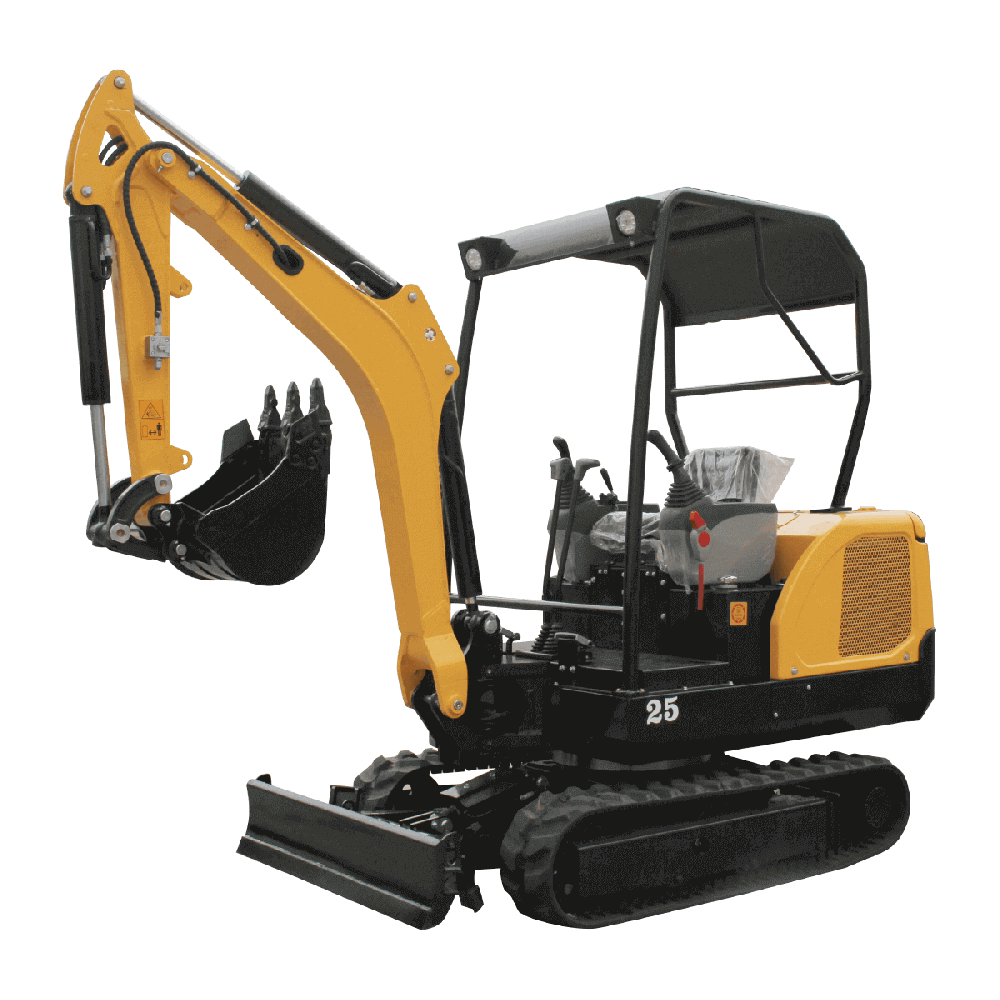
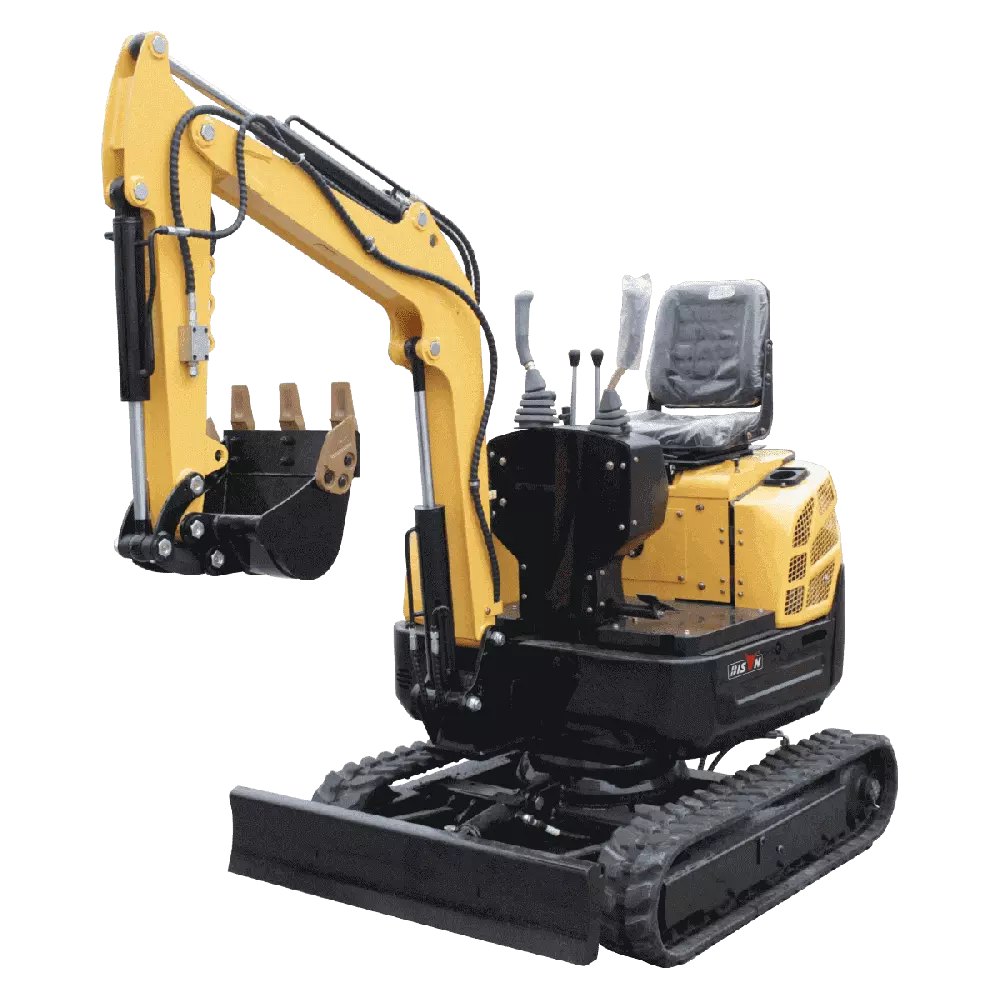
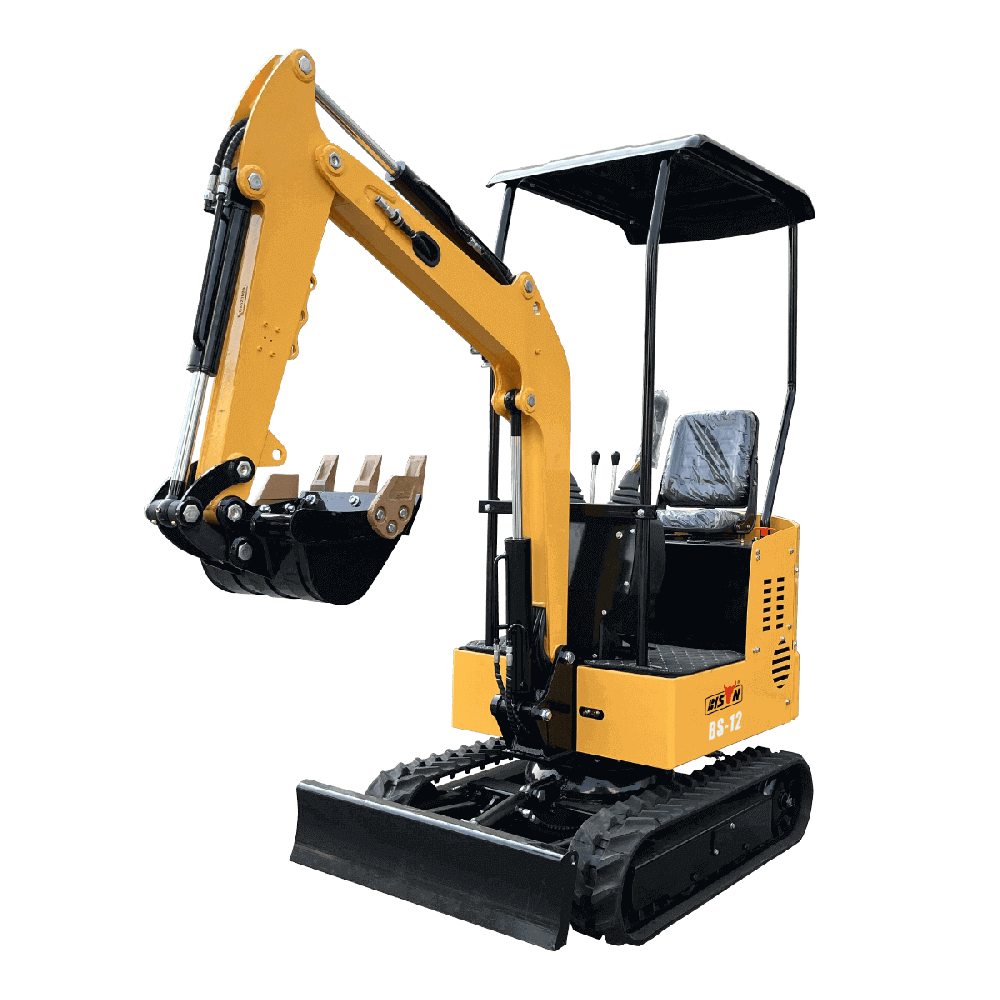
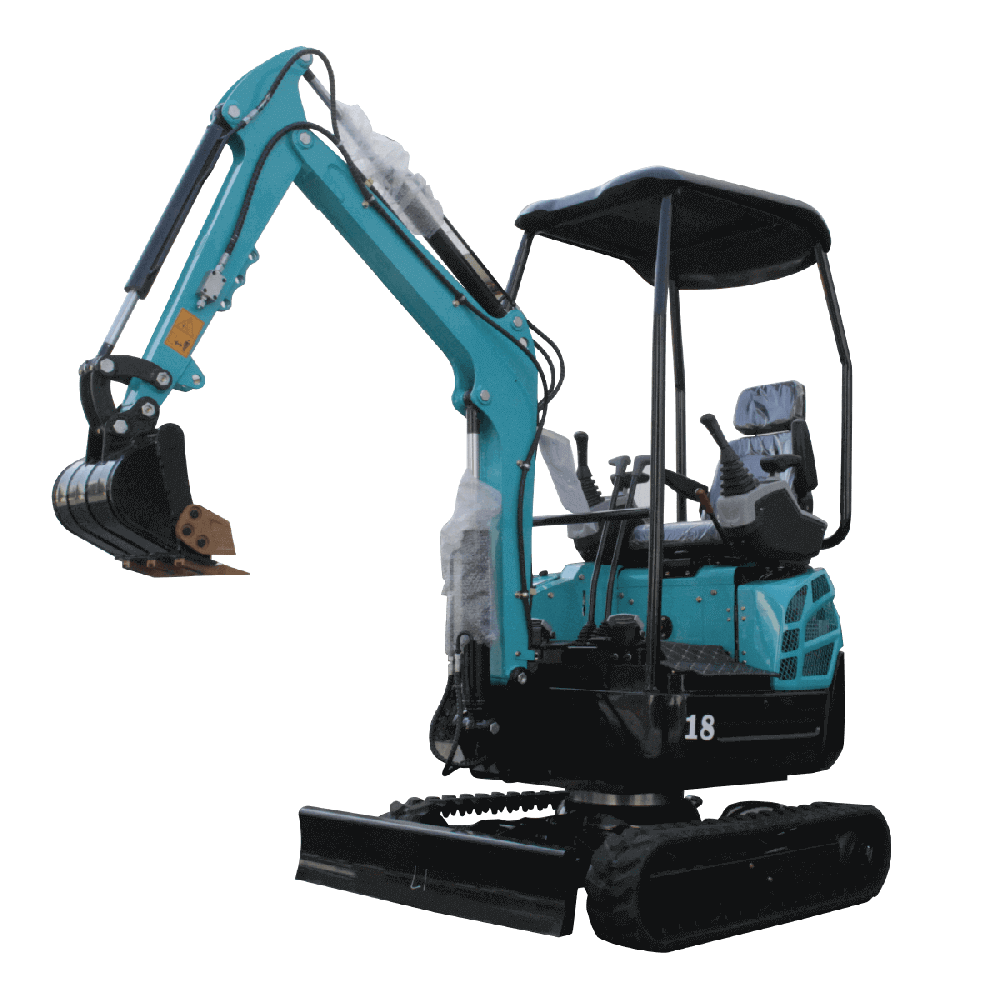
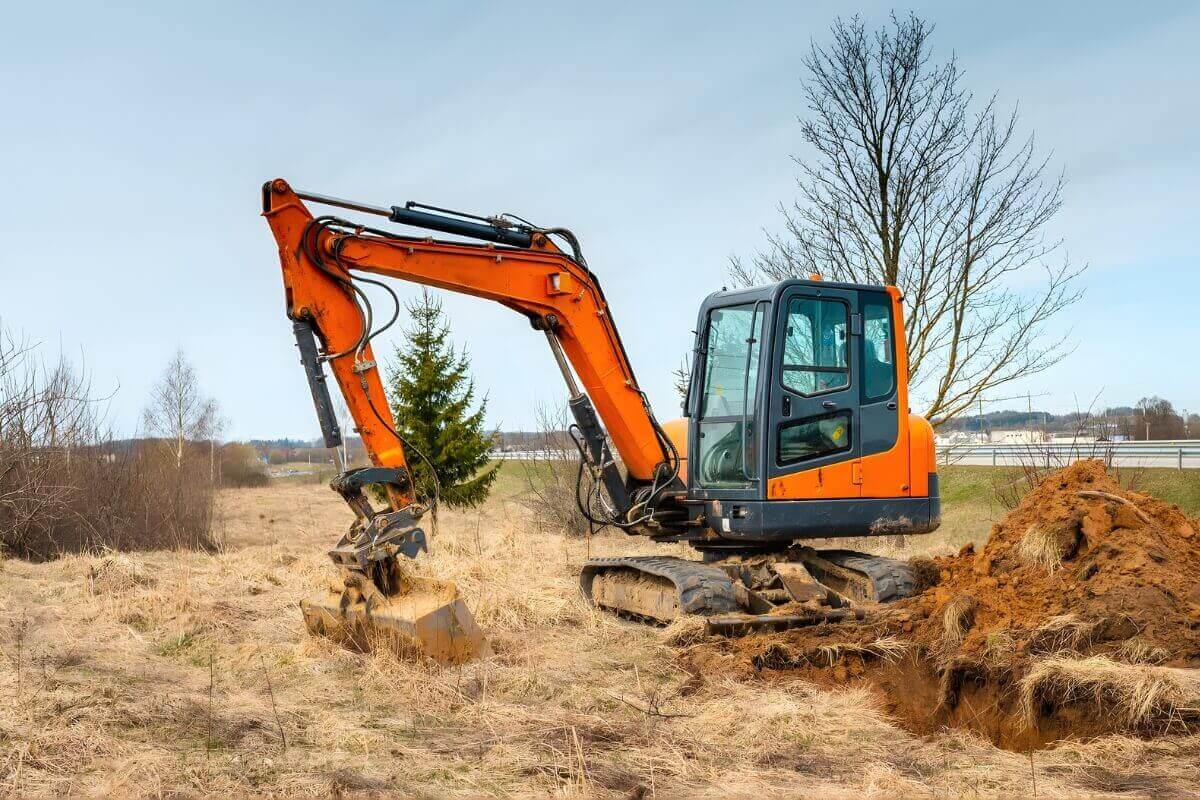
A mini excavator is a compact construction machine designed for digging and excavation in smaller or confined spaces. Because of their small size, precision, and versatility, they are commonly used for residential construction, landscaping, and utility work.
Compact size for confined areas: Mini excavators are designed to work in narrow alleys, backyards, and interior construction sites where larger machines cannot fit. Their small footprint minimizes disruption and environmental damage during operations.
Precise digging and trenching: Mini excavators are equipped with an articulated arm that allows precise digging and trenching. This makes them suitable for tasks such as pipe laying, irrigation system installation, and small foundation work. They provide better control and accuracy for detailed excavation, although they may not be suitable for large-scale or heavy-duty construction tasks.
Low ground impact: Their lightweight design reduces soil compaction and helps prevent damage to lawns, pavements, and finished surfaces. Because of this, mini excavators are commonly used for landscaping and delicate urban projects.
Maneuverability and rotating cab: Many mini excavators feature a rotating cab and boom with a 360-degree swing capability, allowing operators to dig and move materials without frequently repositioning the machine. Some models also offer zero-tail swing, which reduces rear overhang and allows safe operation near walls or obstacles. These features improve maneuverability and efficiency in confined workspaces.
Cost and operational efficiency: Mini excavators generally consume less fuel and have lower maintenance costs due to their smaller engines and lighter construction. Fewer moving parts also help reduce downtime and repair costs, making them more economical for smaller projects.
Attachments and undercarriage: Mini excavators use a hydraulic system that supports a variety of attachments, including buckets, augers, breakers, compactors, and grapples. Most models also have a tracked undercarriage, which provides stability and traction on uneven or soft ground.
As a professional equipment manufacturer, BISON designs mini excavators that combine compact size with strong digging performance for various job-site needs.
Backhoe loaders and mini excavators serve different roles depending on the project's size, location, and task requirements. Understanding their common applications helps in choosing the right machine for a specific job.
Construction projects: Backhoe loaders are suitable for medium to large construction projects that require digging, lifting, and material handling. Mini excavators are better for smaller construction projects such as residential foundations, utility installations, and remodeling work.
Landscaping and gardening: Mini excavators are commonly used in landscaping because of their precision and low ground impact. They are ideal for digging irrigation trenches, planting trees, shaping terrain, removing stumps, and preparing garden beds without damaging existing surfaces. Backhoe loaders are more suitable for larger landscaping tasks such as moving heavy soil, gravel, or rubble.
Road and utility work: Backhoe loaders are often used for road maintenance, minor demolition, and loading tasks. Mini excavators are effective for digging trenches for pipes, gas lines, cables, and drainage systems, especially in tight urban areas.
Agricultural work: Backhoe loaders can handle general farm tasks such as clearing debris, removing weeds, moving materials, and digging irrigation channels. Mini excavators are useful for smaller excavation tasks, planting, and land restructuring on farms or orchards.
Demolition and site preparation: Backhoe loaders can perform light demolition and site preparation, including clearing land and leveling ground. Mini excavators, when equipped with attachments like breakers or grapples, are suitable for precise demolition in confined areas.
Utility installation and maintenance: Mini excavators are commonly used for installing or maintaining water pipes, electrical conduits, and gas lines in tight spaces. Their precision helps reduce the risk of damaging nearby structures or utilities.
Confined urban work areas: Mini excavators are ideal for urban environments such as digging small foundations, repairing sidewalks, or working between buildings where larger machines cannot fit.
Material handling and loading: Backhoe loaders are effective for loading and transporting materials such as gravel, sand, and construction debris using their front loader, reducing the need for additional machinery on medium to large job sites.
Emergency and disaster response: Backhoe loaders can clear debris from fallen trees, landslides, and damaged areas, while mini excavators are useful in tight spaces where precise excavation or trenching is needed for utility restoration.
Roadside landscaping and drainage: Mini excavators are suitable for digging drainage channels and shaping roadside slopes with minimal disruption, while backhoe loaders can handle heavier earthmoving work along larger road sections.
The choice between a backhoe loader and a mini excavator depends on the specific needs of a project. The following table highlights their key differences.
| Backhoe loader | Mini excavator |
| Larger and heavier with a wider footprint; stable for heavy work but limited in tight spaces | Compact and lightweight; 360-degree swing allows efficient operation in confined areas |
| Multifunctional — combines digging, loading, lifting, and minor demolition in one unit | Focused mainly on digging and trenching; more specialized for precise excavation |
| Greater digging depth and reach due to longer backhoe arms and higher horsepower | Shorter reach but allows more precise digging, especially in confined or delicate tasks |
| Heavier tires may create greater impact on soft or landscaped surfaces; performs well on hard or rough terrain | Tracked models reduce ground pressure, minimizing soil compaction and surface damage |
| Well suited for open construction sites requiring both excavation and material handling | Best for urban construction, landscaping, and confined spaces where precision is key |
| Requires larger transport vehicles and more storage space | Easier to transport on small trailers; fits into tight storage areas |
| Quickly switches between digging, loading, and lifting, increasing productivity on multi-task projects | Focused on controlled, precise operations; improves accuracy in delicate or restricted environments |
| Supports attachments for digging, lifting, and grading | Often uses specialized tools such as augers, breakers, or grapples for specific tasks |
| Comfortable cabin, ergonomic controls, and good visibility for long working hours | Compact cabin with excellent visibility in confined spaces, improving accuracy and safety |
| Requires switching between loader and backhoe controls; swivel seat allows smooth transitions | Often considered easier to operate due to intuitive joystick controls and rotating cab |
The choice between a backhoe loader and a mini excavator depends on project requirements, site conditions, and budget. Evaluating these factors helps ensure the selected machine meets both operational and financial needs.
Evaluate the project's size and scope: The size and complexity of a project play an important role in choosing the right equipment. Medium to large projects that require heavy digging, lifting, and multi-tasking are better suited for a backhoe loader. Smaller projects, landscaping work, or construction in limited spaces are usually more suitable for a mini excavator.
Assess site conditions: If the job site has limited space, narrow paths, or delicate surfaces, mini excavators provide better maneuverability and precision. Backhoe loaders are more suitable for open, uneven, or rough terrain where greater stability and load capacity are required.
Define the job requirements: Consider the main tasks involved in the project. Projects that require multiple functions such as digging, loading, and minor demolition are better suited for a backhoe loader. Projects that focus on precision excavation, trenching, or utility installation are more suitable for a mini excavator.
Analyze budget and operational costs: Costs and budget are another important factor when selecting construction equipment. This include:
Initial purchase price: Backhoe loaders usually have a higher purchase price due to their size and multi-function capabilities. Mini excavators are generally more affordable, making them attractive for smaller contractors or residential projects.
Maintenance and repair: Mini excavators typically have lower maintenance costs because of their smaller engines and simpler hydraulic systems. Backhoe loaders may require more frequent servicing and replacement of components such as tires, hydraulic cylinders, and attachments, which can increase maintenance costs.
Fuel and operational costs: Mini excavators generally use less fuel because of their smaller engines and lighter weight, making them more cost-efficient for smaller projects. Backhoe loaders consume more fuel but can perform multiple tasks and complete heavier work faster, which may reduce labor costs.
Resale value: Backhoe loaders often maintain their resale value due to their versatility and wide demand in the construction market. Mini excavators also retain stable resale value depending on the demand for compact equipment.
Check transport and storage options: Mini excavators are easier to transport using small trailers and can be stored in confined spaces. Backhoe loaders require larger transport vehicles and more storage space because of their size.
Consider long-term return on investment (ROI): Backhoe loaders can provide better long-term value for projects that require frequent digging, heavy lifting, and multi-tasking. Mini excavators are more cost-effective for projects that require precision work and operation in tight spaces.
Review attachment compatibility: Both machines support attachments such as breakers, augers, and grapples. Mini excavators often work well with specialized tools for specific tasks, while backhoe loaders offer greater versatility across different applications.
Operator skills and training: Operating a backhoe loader requires the ability to switch between loader and backhoe functions. Mini excavators require precise control, especially when working in confined areas, to avoid accidental damage
Backhoe loaders and mini excavators each offer unique advantages. For multi-purpose work in open areas, a backhoe loader may be the better option, while a mini excavator is often the ideal choice for confined spaces and precision excavation.
When choosing between the two machines, it is important to consider the project size, site conditions, required tasks, and budget etc. Selecting the right equipment can help maximize efficiency and return on investment.
As a professional excavator manufacturer in China, BISON provides reliable equipment designed to meet different construction needs. Contact BISON to find the right machine for your next project.
Small excavators are great for precision work and confined spaces, but they can't completely replace backhoe loaders for heavy lifting or multitasking on large job sites.
For medium to large-scale construction that requires digging and loading, backhoe loaders offer superior performance due to their multi-functionality.
inquiry form here
BISON BLOG, All the latest news and views from Bison Machinery.
what's hot?
Related Articles
mini excavator sizes: choosing the right size for your project how to change the bucket of a mini excavator large excavators vs mini excavators what equipment do you use for demolition? common questions about excavator hydraulic systemsRelated Products