03Feb 2026
table of contents
In the world of construction and landscaping, ensuring proper soil compaction is critical to the stability and durability of any project. Whether pouring a foundation, building a road, or preparing a site for landscaping, compacting the soil is one of the most essential tasks. Poorly compacted soil can lead to structural failures, uneven settlement, and costly repairs, which is why soil compaction stands as a crucial step in any construction process.
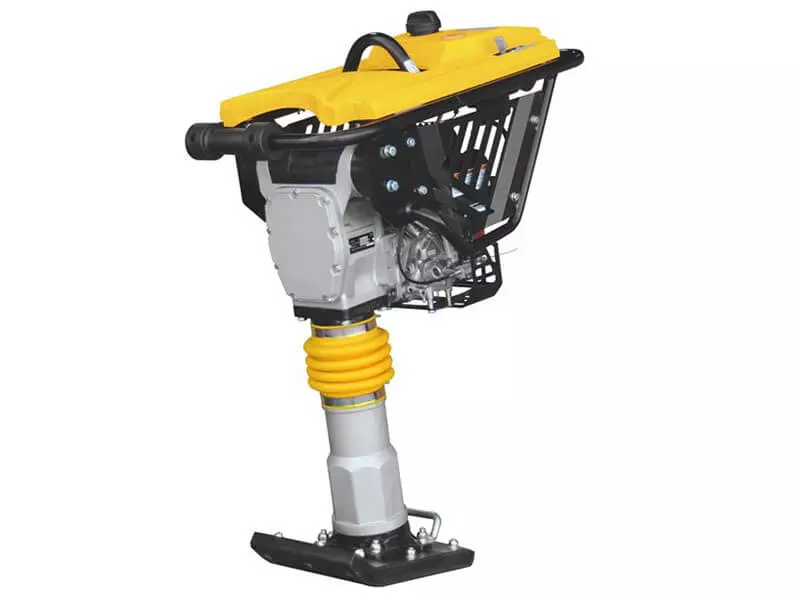
This is where a tamping rammer comes into play. A tamping rammer is a powerful, portable tool designed to compress soil, gravel, sand, and other granular materials. Unlike larger compaction equipment, tamping rammers excel in confined spaces, around obstacles, and in areas with limited access. Their distinctive up-and-down motion delivers concentrated force to the ground, effectively reducing air pockets and ensuring a stable surface. This makes them ideal for trenches, foundations, and areas where larger machines cannot operate efficiently.
This article will explore what tamping rammers are, how they work, their common applications, the different types available, and why they remain essential tools in modern construction.
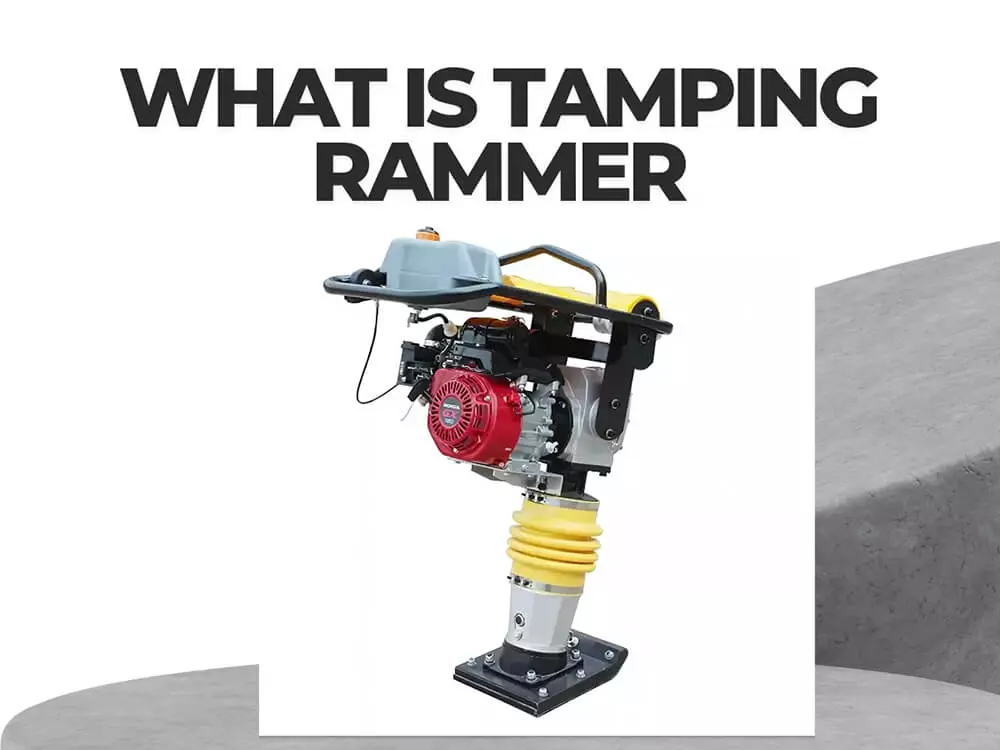
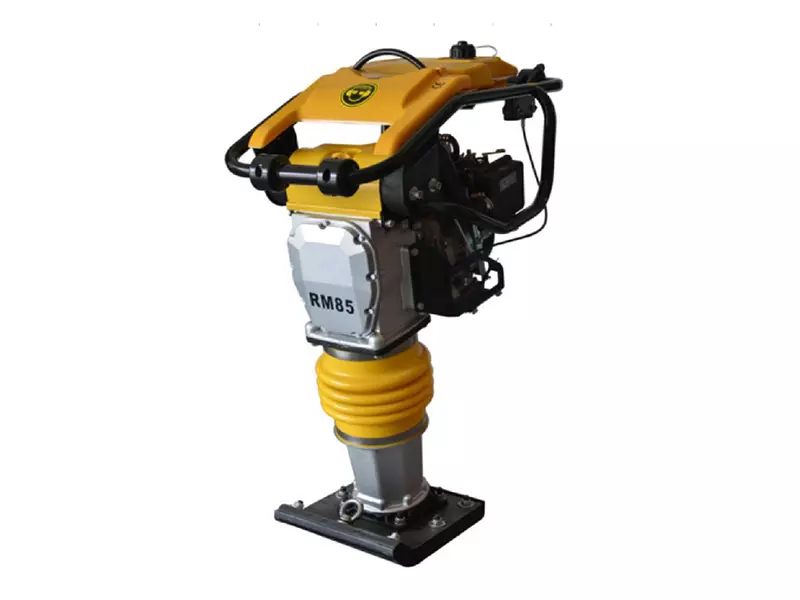
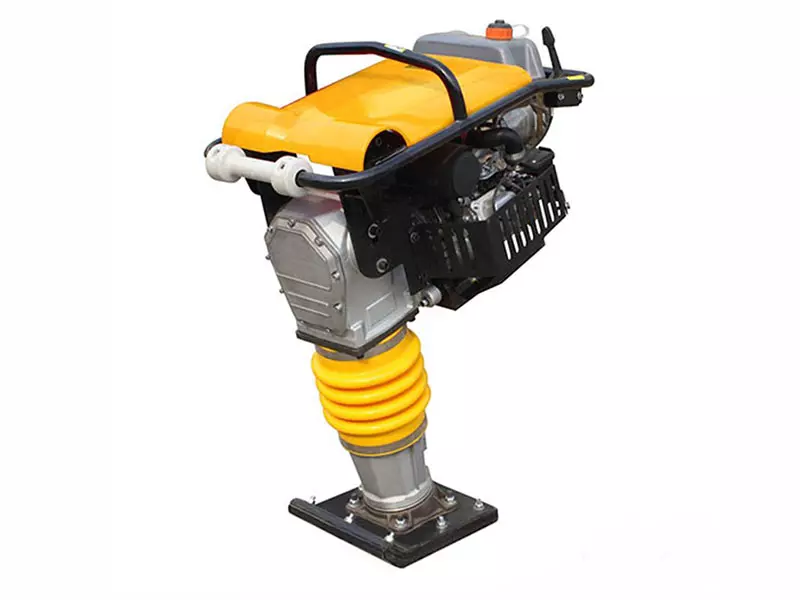
A tamping rammer, also known as a jumping jack compactor, is a light-duty construction machine designed to compact granular materials such as sand, clay, gravel, and other loose aggregates. It delivers high-impact, vertical blows to the ground, expelling air from the soil and reducing voids. This process results in denser, more stable material, which is essential for creating solid foundations in construction projects like road work, trenching, and foundation preparation.
Unlike other compaction equipment that relies on vibration or static pressure, what sets tamping rammers apart from plate compactors or road rollers is their operating mechanism. Plate compactors settle particles horizontally through vibration, and rollers apply pressure over a wide area. In contrast, the tamping rammer uses a distinctive “jumping” or ramming motion. Its compaction shoe repeatedly drives forcefully into the ground, delivering concentrated, percussive force. This vertical action makes tamping rammers particularly effective for cohesive soils, achieving deep compaction in confined spaces.
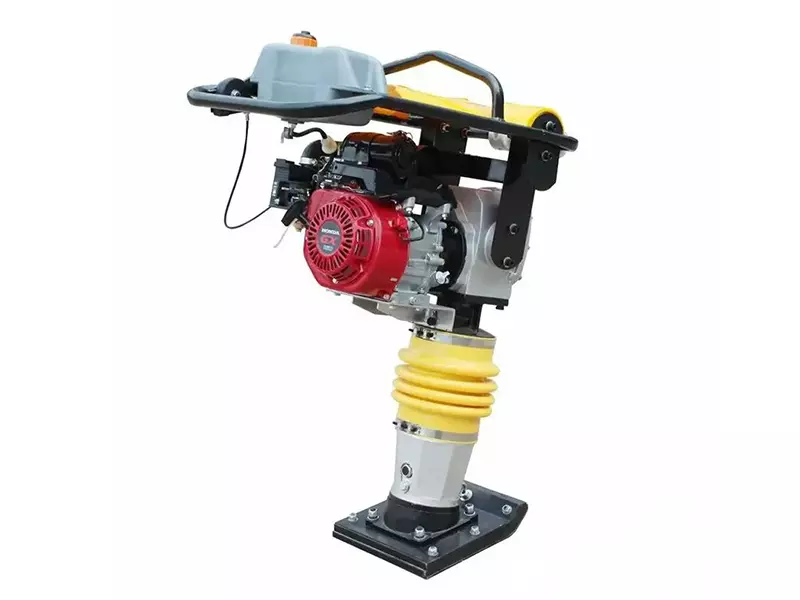
A tamping rammer is made up of several essential components that work together to provide efficient and reliable soil compaction. Understanding these parts helps to see how each contributes to the machine's performance and ensures smooth operation in challenging construction environments.
The engine is the heart of the tamping rammer, generating the power needed to drive its functions. Models may use gasoline, diesel, or electric motors. Gasoline engines are typically two-stroke or four-stroke, with two-stroke engines offering higher power-to-weight ratios and four-stroke engines being more fuel-efficient. Diesel engines provide higher torque for heavy-duty tasks, while electric and battery-powered models run quieter and cleaner, ideal for indoor or noise-sensitive environments. The fuel tank stores the fuel for gasoline and diesel engines, ensuring continuous operation.
The spring or bellows assembly enables the tamping rammer's vertical jumping motion. It stores energy during the engine's operation and releases it to create the downward force of the foot. This controlled, repetitive action ensures each impact is powerful and consistent, optimizing soil compaction to a uniform depth.
The base plate, also called the tamping head or ramming shoe, is the part that directly strikes the soil. Made of heavy, hardened steel, it transfers maximum energy to the ground. Its size and weight determine the depth and efficiency of compaction. Narrow shoes are ideal for trenches and tight spaces, while larger shoes suit wider areas or thicker soils.
Ergonomically designed handlebars allow the operator to steer and guide the tamping rammer safely. Attached controls include the throttle, which regulates engine speed and impact frequency, and a kill switch for emergency shutdown. Some models also include vibration damping in the handles to reduce operator fatigue.
The gearbox or crank mechanism converts the engine's rotational energy into the vertical motion required for ramming. It ensures the force generated by the engine is properly directed, adjusting stroke speed and impact force for optimal compaction efficiency.
A protective frame or cage surrounds the engine, gearbox, and internal components. It shields the machine from dust, debris, and external impacts, enhancing durability and extending its operational lifespan.
Tamping rammers are designed with features that maximize their effectiveness in soil compaction:
High center of gravity: The engine and main weight are positioned above the compaction shoe, using gravity to enhance the downward stroke and increase impact force.
Narrow profile: The slim design allows the tamping rammer to operate in trenches as narrow as 12–18 inches, where larger equipment cannot fit.
Balanced weight distribution: Weighing between 130–175 pounds (60–80 kg), tamping rammers are engineered for a single operator to maneuver them efficiently.
Impact isolation: Shock-absorbing systems reduce vibration transfer to the operator, minimizing fatigue and health risks during prolonged use.
Adjustable stroke height: Some models allow the percussion stroke height to be adjusted, optimizing performance for different soil types and compaction requirements.
This combination of concentrated impact force, vertical motion, and compact design makes the tamping rammer an indispensable tool for working around obstacles, in confined spaces, or with cohesive soils that resist other compaction methods. Its ability to deliver high energy to a precise location ensures proper soil compaction where larger equipment would be impractical or ineffective.
The efficiency of a tamping rammer depends on three main factors:
Stroke length: The distance the base plate travels in each cycle. A longer stroke allows deeper penetration into the soil, improving compaction of deeper layers.
Impact force: The strength with which the foot plate strikes the ground. Higher impact force breaks up air pockets and compacts soil particles more effectively, especially in granular or loose soils.
Cycle speed: The frequency of footplate strikes. Faster cycles can increase compaction efficiency, but must be balanced with impact force to avoid disturbing the soil excessively.
These factors work together to ensure consistent, high-quality compaction, creates a denser, more stable foundation.
Gasoline tamping rammers are widely used due to their balance of power, portability, and cost-effectiveness. They are suitable for road construction, trenching, and small jobs requiring mobility. Gasoline rammers come in two main engine types:
2-stroke engines
advantages: Lightweight, simpler design, can operate at various angles, lower initial cost.
disadvantages: Require pre-mixed fuel and oil, higher emissions, louder operation, less fuel-efficient.
4-stroke engines
advantages: Use straight gasoline, more fuel-efficient, lower emissions, quieter, longer engine life, consistent power delivery.
disadvantages: Slightly heavier, higher initial cost, more complex maintenance, angle limitations in some models.
Diesel tamping rammers are ideal for heavy-duty or large-scale projects, such as highway construction and extensive foundation work. They provide higher torque, better fuel efficiency, and longer service life.
advantages: Superior fuel efficiency, durability, better performance in extreme conditions, lower long-term operating costs.
disadvantages: Heavier, higher purchase cost, louder, harder to start in cold weather, higher vibration in some models, fewer options available.
Electric tamping rammers are designed for indoor use or areas with strict noise and emission regulations. They are quieter, low-maintenance, and environmentally friendly, though generally less powerful than fuel-powered models.
advantages: Zero direct emissions, quieter operation, no refueling, lower maintenance, instant starting, reduced vibration.
disadvantages: Limited by cord length or battery life, less powerful, higher initial cost, less portable.
These tamping rammers are compact and easy to maneuver, ideal for small-scale jobs, tight spaces, or landscaping work. They provide focused compaction but are not suited for large areas or heavy-duty tasks.
Before any large-scale construction begins, tamping rammers are crucial for creating stable, high-density foundations. By compacting cohesive soils, sand, or gravel, they prevent future foundation settlement and structural damage.
Applications: Residential and commercial building foundations, industrial floor slabs, swimming pool decks, and the installation of heavy paving stones or slabs.
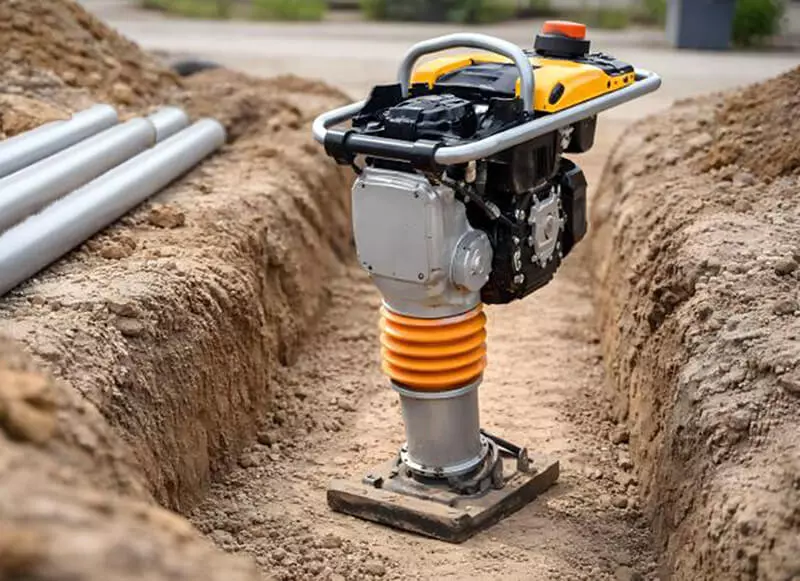
Due to their slender profile and powerful impact force, tamping rammers are ideal for confined spaces where larger compactors cannot access. They ensure that backfilled soil is tightly compacted, preventing ground settlement around infrastructure over time.
Applications: Trenches for power, gas, and water lines, drainage system installation, and narrow excavation work near retaining walls.
Tamping rammers are used to prepare the subgrade (underlying soil) for various paving surfaces and are also suitable for small-scale asphalt paving. Their precise compaction capabilities make them ideal for road repairs rather than complete road resurfacing.
Applications: Road subgrade preparation, sidewalk and driveway installation, parking lot maintenance, pothole repair, or small asphalt patching.
In outdoor landscaping projects, tamping rammers provide the necessary soil density to ensure that walkways and garden features remain level through seasonal and weather changes.
Applications: Creating stable garden paths, leveling patio foundations, and preparing the ground for driveways or landscape terraces.
Tamping rammers are indispensable tools because they can apply high impact force to cohesive soils in confined, limited areas. Whether securing pipelines in narrow trenches or preparing foundations for new skyscrapers, tamping rammers ensure the stability and longevity of the foundation by eliminating air pockets and preventing future settlement.
When choosing a tamping rammer for a construction project, it's important to consider both the benefits and limitations of this versatile compaction tool.
Advantages
Ideal for cohesive soils: Tamping rammers excel on cohesive soils such as clay and silt. Their high-impact, percussive action compacts the soil by pushing out air and moisture, creating a dense, stable foundation that improves load-bearing capacity.
Deep compaction in confined spaces: The focused impact of the small, powerful ramming shoe allows deep compaction, especially in narrow areas where plate compactors or larger machines struggle. This makes it ideal for trench work, backfilling, and foundation preparation.
Portability and convenience: Lightweight and easy to transport, tamping rammers are ideal for smaller projects or sites that require frequent mobility. Operators can quickly move the equipment without additional lifting machinery.
Focused compaction for small-scale jobs: The concentrated impact is perfect for precise compaction tasks, such as driveway repairs, patios, or sub-bases, without overcompacting or damaging surrounding materials.
Disadvantages
Noise levels: Gasoline-powered models can be loud, potentially causing noise pollution on sensitive job sites. Electric or battery-powered versions offer quieter alternatives.
Control challenges: Without proper technique, the tamping rammer can bounce or “dance,” especially on uneven surfaces, making it difficult to maintain consistent compaction. Operator experience is crucial for smooth operation.
Maintenance requirements: Engine-powered tamping rammers require regular upkeep, including oil changes, air filter replacements, and fuel system maintenance. Diesel and gasoline models may also incur higher long-term maintenance costs compared to electric alternatives.
Tamping rammers provide deep, focused compaction and excel in cohesive soils and confined spaces, making them invaluable for trench work, small-scale asphalt repairs, and foundation preparation. However, they require careful operation to avoid fatigue, and engine-powered models demand regular maintenance. Understanding these advantages and limitations helps determine whether a tamping rammer is the right tool for a specific job site.
Tamping rammers can operate in various weather conditions, but using them in excessively wet or muddy soil may reduce performance. Avoid using the tamping rammer on very soft or saturated soil to ensure effective compaction.
Regular maintenance is essential for optimal performance. For gasoline and diesel models, this includes:
Checking and changing the oil
Cleaning or replacing air filters
Inspecting the footplate (compaction shoe) for wear
Ensuring all bolts and parts are secure
Always follow the manufacturer's maintenance schedule to keep the tamping rammer in good working condition.
A tamping rammer is a compact, powerful compaction tool essential for construction and landscaping projects. With various types available—gasoline, diesel and electric. Designed with specialized components such as the spring system, gearbox, and ramming shoe, the tamping rammer ensures deep, precise compaction.
Its high-impact, vertical ramming action, combined with portability and maneuverability, allows operators to create dense, stable surfaces for foundations, trenches, backfilling, retaining walls, asphalt patchwork tasks.
Investing in a quality tamping rammer can significantly improve construction efficiency, durability, and the stability of the worksite. For optimal performance and longevity, choose equipment from a trusted tamping rammer supplier that meets your project's specific needs.
inquiry form here
BISON BLOG, All the latest news and views from Bison Machinery.
what's hot?
Related Articles
everything you should know about soil compactors the ultimate earth rammer buying guide what is tamping rammer jumping jack compactor: what is it and how to use what equipment is needed to pour concrete sidewalksRelated Products