16Feb 2026
table of contents
Soil mixing is a critical step in construction, landscaping, and road building. Weak foundations can lead to cracks, uneven surfaces, and costly structural failures. An earth rammer addresses this by delivering repeated impact forces that eliminate air pockets, increase soil density, and create a strong, stable foundation. From garden paths to heavy-duty roads, the right earth rammer improves performance and durability.
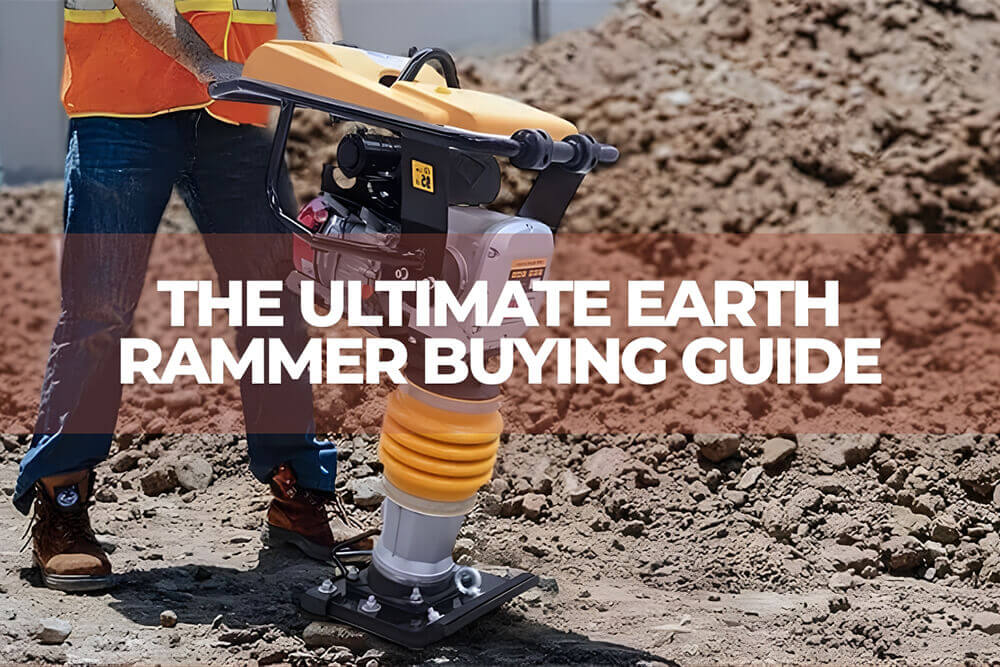
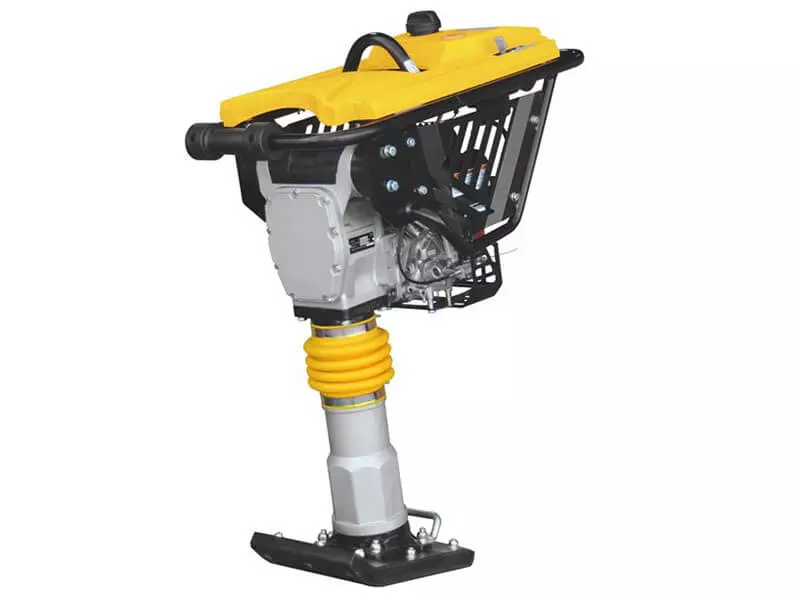
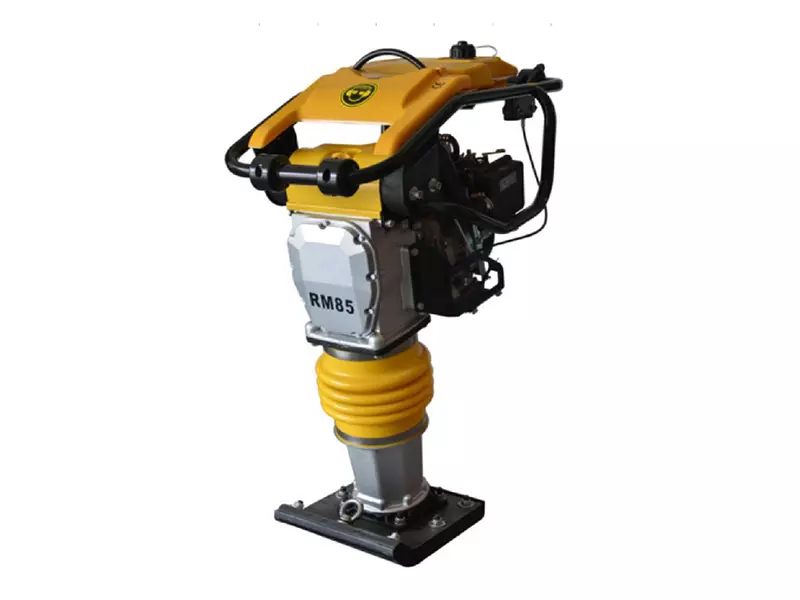
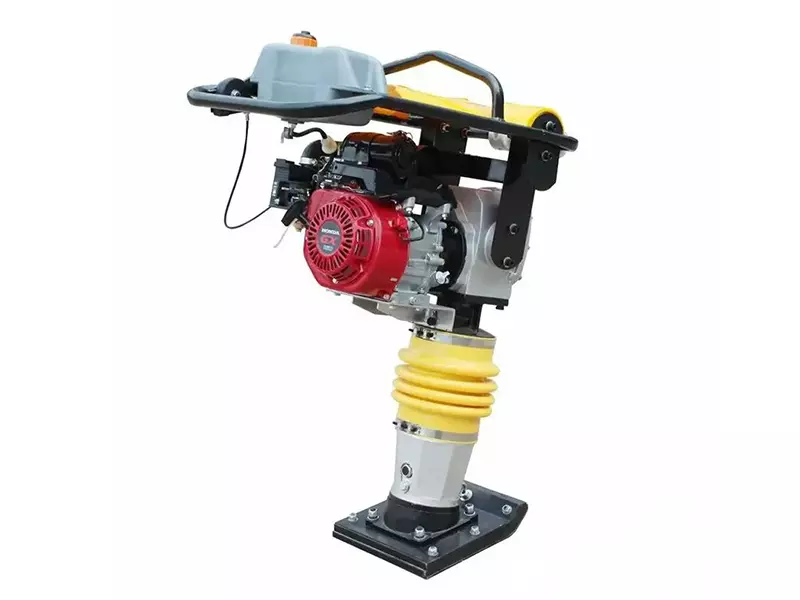
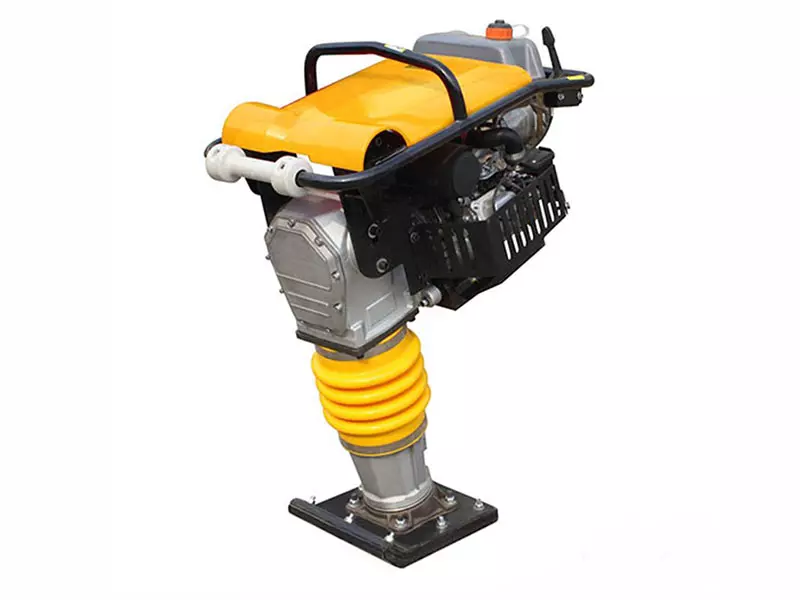
Also called a jumping jack, tamper, or wacker packer, an earth rammer compacts soil to create level, stable surfaces. Unlike rollers or plate compactors that rely on vibration, earth rammers use a "jumping" or tamping motion. The heavy ramming shoe strikes soil rapidly, pushing particles together and removing air pockets. This makes them especially effective for cohesive soils like clay and silt and for tight spaces such as trenches, foundations, and backfilled areas. Models can be manual or powered by gasoline, diesel, or electricity, making them suitable for both small diy jobs and large-scale projects.
Key components:
Engine or motor: powers the rammer.
Ramming shoe: the foot that strikes the soil.
Bellows or boot: connects the shoe and absorbs vibration.
Handle and frame: allows safe control and guidance.
Soil compaction is more than a routine construction step—it forms the foundation for stability, durability, and safety.
Uncompacted soil continues to shrink after construction, causing uneven settlement, cracks, sinking roads, and potholes. Proper compaction stabilizes the ground for long-term durability.
Compacted soil is stronger and can support heavier loads from vehicles, equipment, and structures without deforming, which is crucial for highways, airports, and industrial sites.
Dense soil resists water penetration, preventing erosion, foundation weakening, and frost heave in cold climates.
A solid foundation minimizes maintenance issues and repair costs, ensuring that roads, pavements, and buildings last longer.
Compaction reduces risks of trench collapses, sagging walls, and structural failures, protecting workers and end users.
Selecting the right earth rammer is about more than size or power—it depends on soil type, project scale, budget, and long-term use. Here are the most important features to consider:
Gasoline: portable, easy to refuel, good power-to-weight ratio; suitable for general construction.
Diesel: fuel-efficient, durable, ideal for heavy-duty projects.
Electric: quiet, eco-friendly, low running costs; ideal for indoor or urban use.
Measured in kn, it determines compaction intensity:
Light-duty (10–20 kn): landscaping, patios, light construction.
Medium-duty (20–30 kn): small to medium projects.
Heavy-duty (30–40+ kn): roads, foundations, industrial projects.
Tip: match impact force to soil type -clay needs more force, sand less.
Narrow (250–300 mm): fits trenches and tight spaces.
Wide (350–400 mm): covers large areas quickly.
Tip: narrow shoes for confined spaces; wide shoes for open areas.
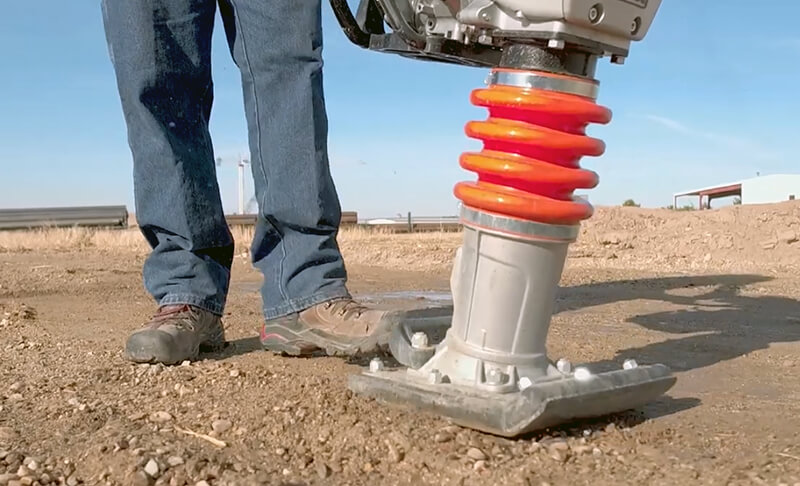
Lightweight (50–70 kg): easy to transport, small projects.
Medium (70–85 kg): balanced for general use.
Heavy (85–100+ kg): strong compaction but harder to maneuver.
Tip: balance power and portability.
Measured in blows per minute (bpm):
Higher frequency: faster compaction.
Lower frequency: stronger per-strike impact, better for clay.
Look for high-quality steel frames, durable shoe plates, rust-resistant coatings, and anti-vibration handles. Avoid thin metal models—they wear out quickly.
Small (2–3 l): short-term use.
Large (3–5 l): continuous operation.
Tip: choose a larger tank for all-day projects.
Check for easy access to filters, local spare parts, and service support.
Anti-vibration handles, balanced design, and comfortable grips reduce fatigue during long operation.
Consider initial cost, fuel, upkeep, and spare parts:
Petrol/diesel: versatile, higher upfront cost.
Electric: expensive initially but save on fuel.
Tip: reliability and lifespan often outweigh low initial price.
Strong warranty coverage, local dealer support, and service availability ensure long-term reliability.
Not every earth rammer suits every project. The best choice depends on soil type, project size, working environment, and budget. Here are practical tips to help you select the right earth rammer:
Recommended: light petrol-powered earth rammer.
Why: portable, inexpensive, and easy to use; sufficient force for shallow compaction.
Tip: for sandy soils, a small plate compactor can also be effective.
Recommended: jumping jack with a narrow shoe (250–300 mm).
Why: tamping action penetrates clay or cohesive soils; narrow shoe fits tight spaces.
Tip: check soil moisture—too wet reduces performance.
Recommended: diesel-powered heavy-duty earth rammer (30–40+ kn).
Why: durable, fuel-efficient, and capable of deep compaction for long-lasting stability.
Tip: combine with plate compactors or rollers for surface finishing.
Recommended: electric or battery-powered earth rammer.
Why: quiet, emission-free, and suitable for enclosed or urban environments.
Tip: ensure access to power or extra batteries for uninterrupted operation.
Occasional (homeowners, small contractors): lightweight petrol earth rammer.
Frequent professional use (daily construction, contractors): high-quality model with strong impact force and reliable engine.
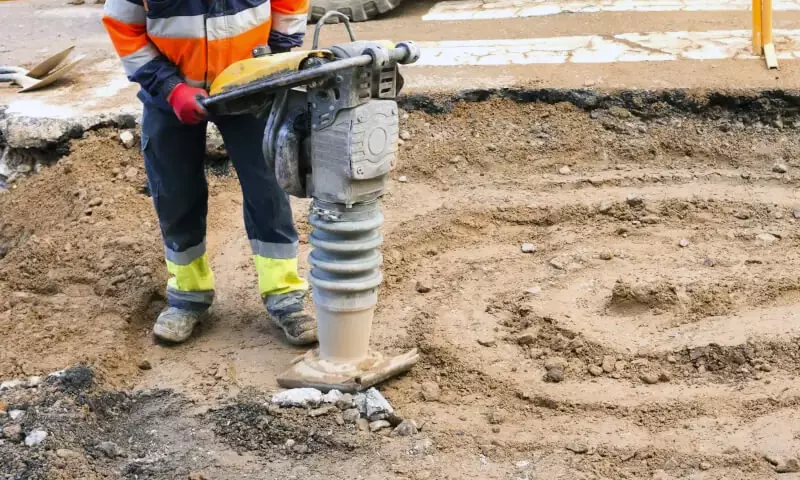
Operating an earth rammer involves powerful forces, vibrations, and moving parts. Following safety practices ensures efficient work while minimizing accidents and injuries.
Helmet: protects against falling objects.
Safety goggles: shields eyes from dust, rocks, and debris.
Hearing protection: prevents hearing loss from prolonged exposure.
Gloves: improve grip and reduce vibration.
Steel-toe shoes: protect feet and provide stability.
Dust mask: essential when working in dusty conditions.
Check fuel levels (petrol/diesel) and for leaks.
Inspect earth rammer shoes for cracks or wear.
Verify springs, shock absorbers, and bolts are secure.
Match weight and impact force to soil type.
Avoid overloading a small earth rammer on hard or rocky terrain.
Avoid steep slopes.
Clear obstacles and large rocks that may destabilize the machine.
Hold handles firmly with both hands.
Stand with feet shoulder-width apart.
Keep upright; do not lean on the earth rammer.
Start on level ground and allow the engine to idle briefly.
When shutting down, idle for a few seconds before turning off.
Clean the earth rammer after each use, removing dirt and debris
Regularly check fuel, oil, handles, belts, and screws
Store in a dry, covered area to prevent rust and engine damage
Following these safety and maintenance practices ensures efficient operation, reduces injury risk, and extends the lifespan of your earth rammer.
Earth earth rammers are ideal for cohesive soils like clay and silt, using a vertical "jumping" action for deep compaction. Plate compactors rely on vibration and work best on granular soils such as sand and gravel.
No. Earth rammers work best on cohesive soils. For sandy or loose soils, plate compactors or rollers are more effective.
Yes, but mainly for small jobs, repairs, or locations where power equipment cannot be used. Modern projects typically use powered rammers for efficiency and consistency.
Choose based on soil type, compaction depth, and project scale. Light-duty earth rammers suit landscaping or minor repairs, while heavy-duty earth rammers are used for road construction, trenching, and foundation work.
Perform basic checks (fuel, oil, and shoe inspection) before each use. Engine oil changes are typically required every 25–50 hours, while air filters, spark plugs, and shoes should be inspected and replaced as needed.
An earth rammer is an essential tool for creating strong, stable, and durable soil in any construction project. Selecting the right model, using it safely, and maintaining it properly ensures efficient operation, longer machine life, and reliable results.
Key factors to consider include power source, impact force, operating weight, shoe size, ergonomics, safety features, and overall durability. Balancing your budget with these specifications and expected lifespan will help you make a smart investment.
A well-chosen earth rammer saves time, reduces effort, and delivers professional-quality results for years. Choose a reputable brand like BISON to ensure reliability, easy access to parts, and long-term value. Explore BISON's range of high-quality earth rammers to find the perfect machine for your project.
inquiry form here
BISON BLOG, All the latest news and views from Bison Machinery.
what's hot?
Related Articles
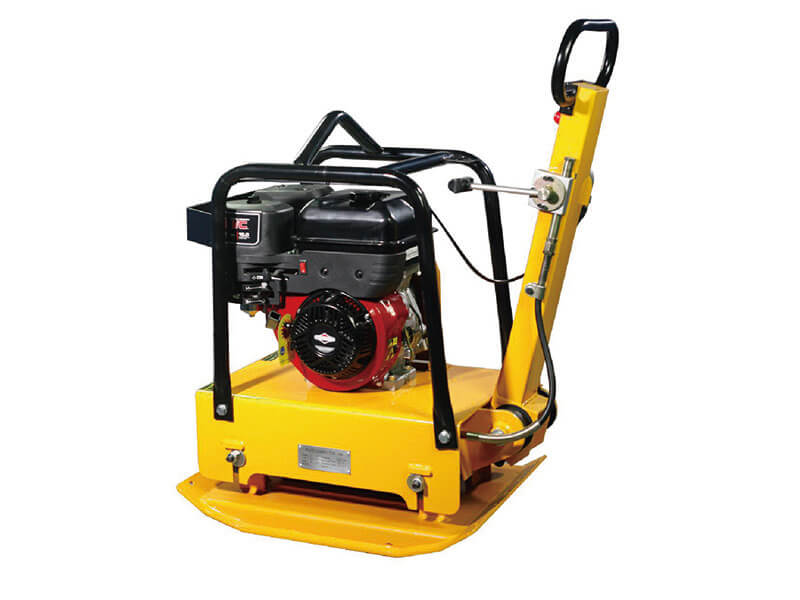
everything you should know about soil compactors the ultimate earth rammer buying guide what is tamping rammer jumping jack compactor: what is it and how to use what equipment is needed to pour concrete sidewalksRelated Products