09Jan 2026
table of contents
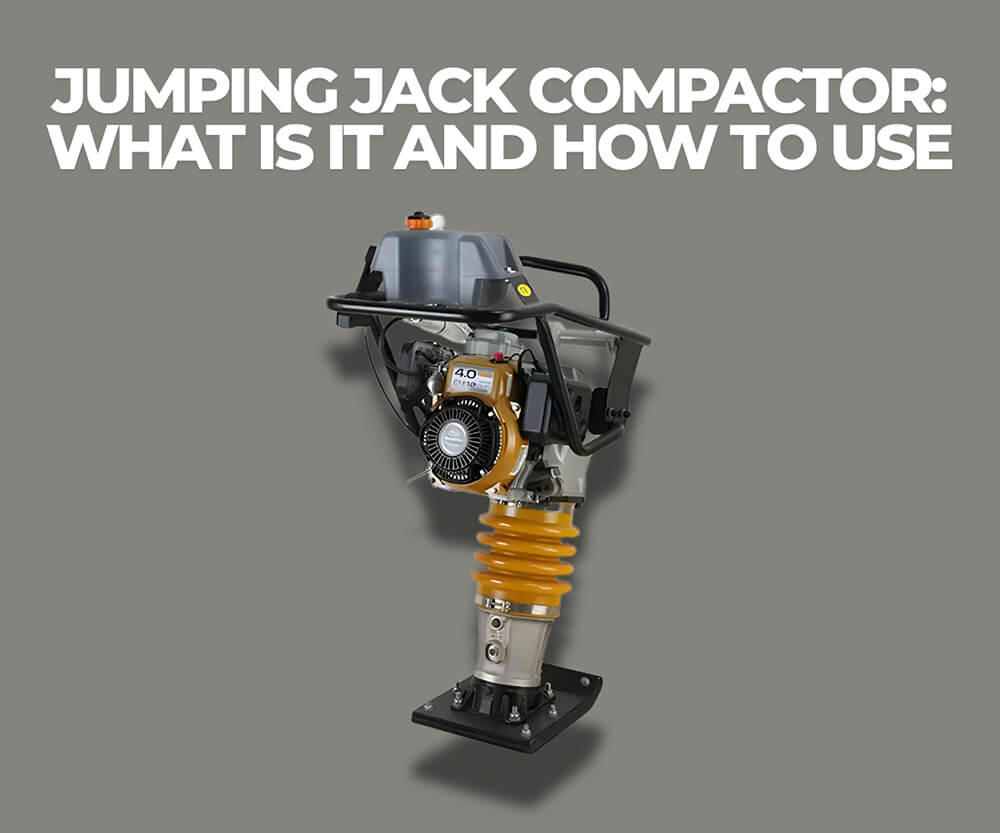
Ever wondered how crews make the ground solid in narrow spaces or around foundations? In construction, soil compaction is essential for strengthening the ground, preventing sinking, and creating a stable base for structures. Without proper compaction, soil can shift over time, causing cracks, uneven surfaces, and costly repairs.
On most job sites, you’ll find different types of compaction machines such as plate compactors, road rollers, each suited for specific tasks and soil types. The jumping jack compactor is ideal for tight areas, trenches, and places where larger equipment can’t fit.
As a professional jumping jack compactor manufacturer in China, BISON provides a simple, easy-to-follow guide on what a jumping jack compactor is and how to use it.
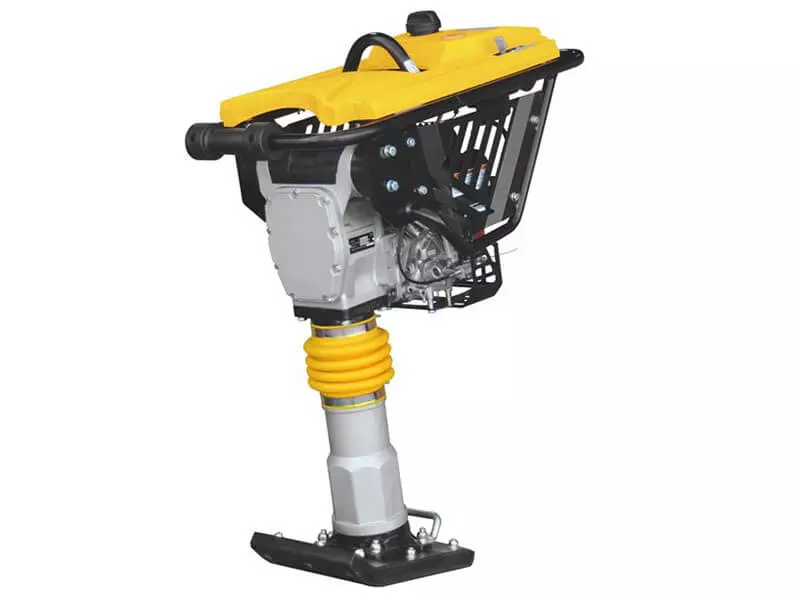
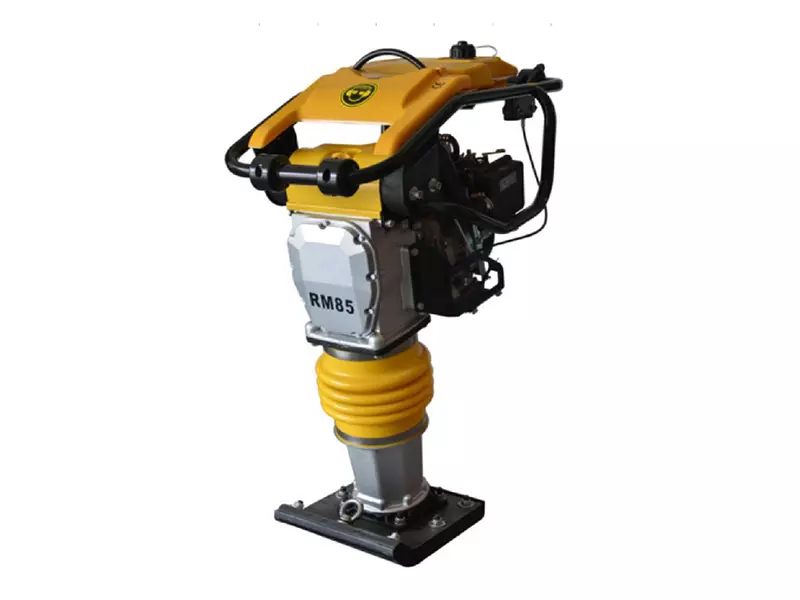
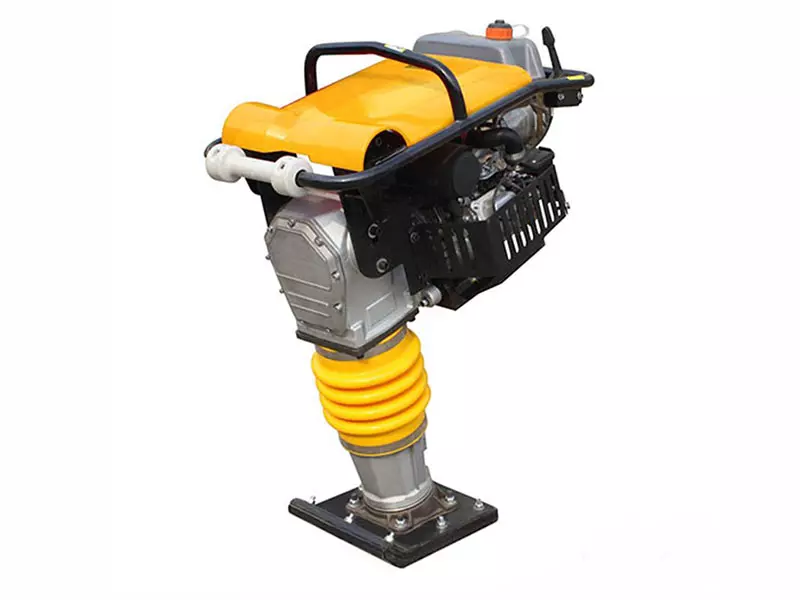
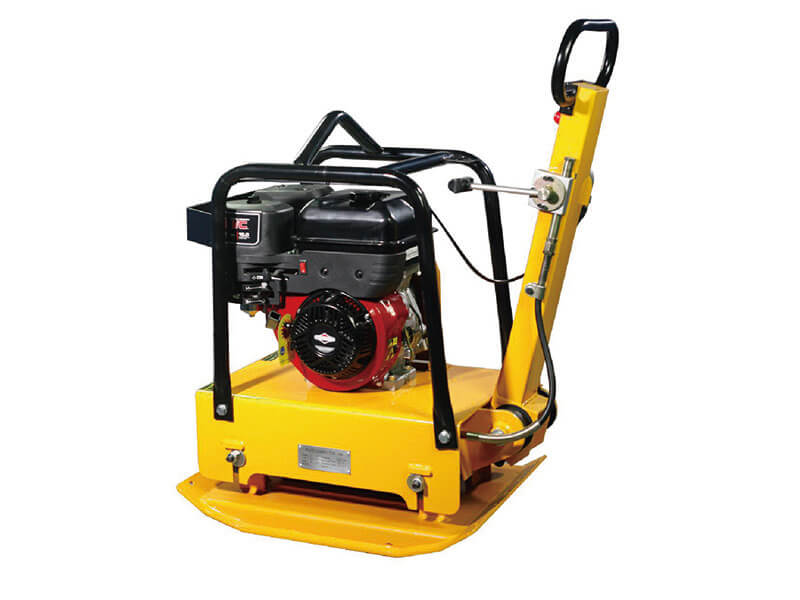
A jumping jack compactor, also called a rammer compactor, is a construction machine used to compact soil in tight or confined areas. Unlike a plate compactor that spreads vibrations over a wide area, a jumping jack delivers focused, high-impact force through a narrow tamping foot. This allows deeper soil compaction, making it ideal for trenches, foundations, and backfill work.
The machine uses an engine-powered piston and spring system to create rapid up-and-down “jumping” motions. Each “jump” hits the ground hard, compressing soil particles and eliminating air pockets. This method is especially effective on cohesive soils, producing a dense, stable surface that can support heavy structures, paving, or roadways.
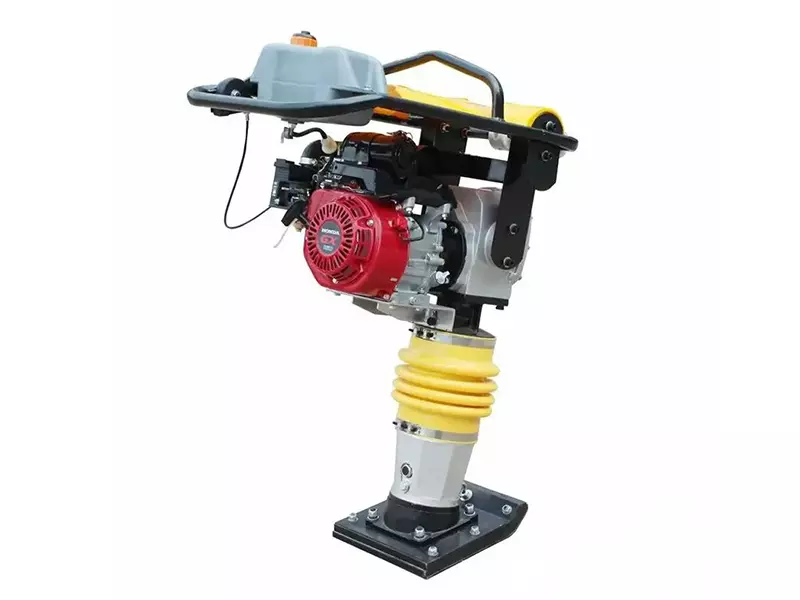
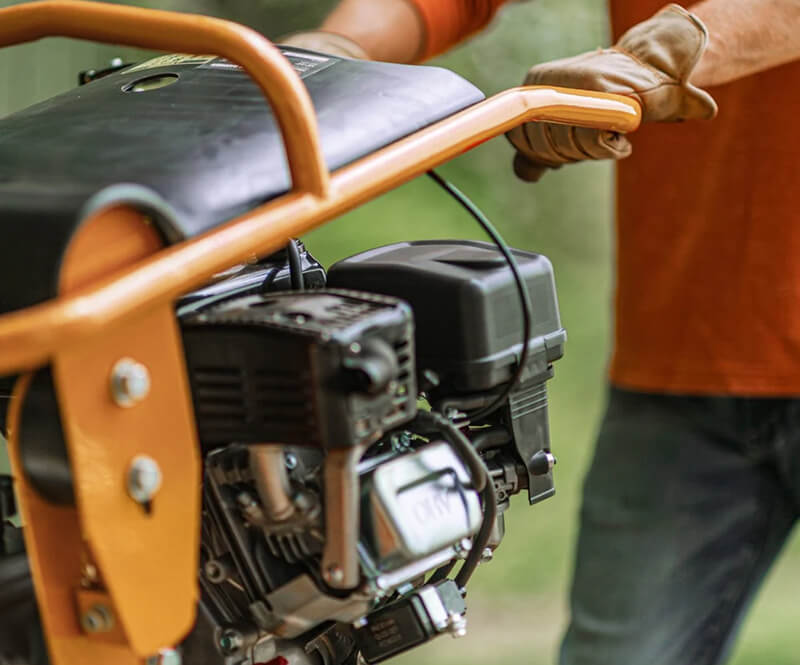
Engine: a small gasoline or diesel engine powers the ramming system.
Spring or bellows system: converts engine power into high-speed motion, transferring force to the tamping foot.
Tamping foot: a heavy metal base that repeatedly strikes the soil.
Frame and handles: protect the machine and give the operator control while reducing vibration.
This simple but powerful mechanism makes the jumping jack compactor a reliable tool for creating solid, stable ground in areas larger compactors cannot reach.
Operating a jumping jack compactor is straightforward but requires proper technique for safe and effective soil compaction. Follow this step-by-step guide:
Wear proper ppe: safety boots, gloves, ear protection, and eye protection. Clear the work area of obstacles, debris, and people, and check for underground utilities. For indoor or confined areas, ensure adequate ventilation, as gasoline engines produce harmful fumes.
Check fuel and top up if needed.
Inspect engine oil, air filter, and spark plug. Replace or clean if necessary.
Examine the bellows, tamping foot, and frame for cracks or damage.
Ensure all bolts, nuts, and fasteners are tight to prevent loosening from vibrations.
Place the compactor on a flat, stable surface.
Open the fuel valve and adjust the choke if the engine is cold.
Turn the power switch on and pull the recoil starter cord firmly.
Let the engine warm up for a few minutes before operation.
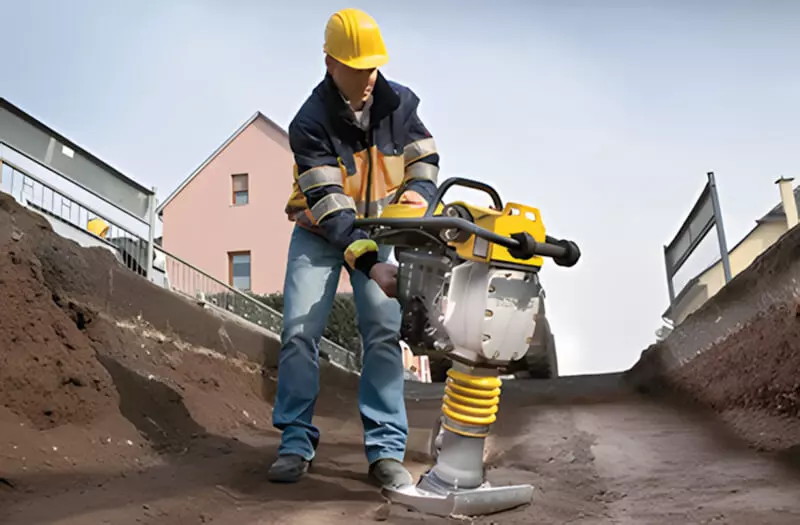
Never touch moving parts. Keep hands, feet, and clothing clear.
Stand with feet shoulder-width apart and hold the handle firmly.
Let the machine do the work; don’t push aggressively, move slowly and guide the compactor as it naturally jumps forward.
Soil moisture: slightly damp soil compacts best. Avoid too dry or wet soil.
Listen to the machine: steady engine sounds indicate proper compaction. Unusual noises may signal uneven soil or technique adjustment.
Avoid over-compaction: multiple gentle passes are better than forcing the machine.
Overlapping passes: slightly overlap each pass for uniform compaction.
Maneuvering in tight spaces
Work slowly and controlled around trenches or foundations.
Tilt the machine carefully to change direction.
Avoid forcing it, as rapid movements may create uneven soil.
Check that the soil feels firm and there are no soft spots.
Move the compactor to flat ground.
Reduce the throttle and let the engine idle for a minute.
Turn off the engine and close the fuel valve to prevent leaks and future starting problems.
Clean dirt and dust from the tamping foot and frame.
Inspect for damage, wear, or loose bolts.
Store the machine in a dry, clean area to extend its lifespan and prevent rust.
Following these steps ensures efficient operation, optimal soil compaction, and a safe working environment.
The jumping jack compactor is highly versatile, but its main strength is compacting soil in tight spaces where a strong impact is needed. Its narrow tamping foot makes it ideal for areas where larger compactors cannot fit.
Trench work and backfilling
Jumping jack compactors are perfect for compacting soil around underground utilities such as water, gas, or electrical pipes. Their ability to reach deep into narrow trenches prevents future soil settlement.
Foundation and footing preparation
Before building structures, the ground must be stable. Jumping jack compactors ensure soil can support walls, columns, or slabs without shifting over time.
Road and pavement repair
They are used to repair small patches or compact areas needing deep soil compression. The concentrated force achieves the density required for asphalt, concrete, or other surfaces.
Landscaping and outdoor projects
For patios, garden beds, retaining walls, or pavers, jumping jack compactors create a solid base that prevents uneven surfaces or collapse.
Utility and pipeline projects
During pipeline or cable installation, soil must be backfilled and compacted in layers. Jumping jack compactors can compact soil around and above pipes efficiently without leaving gaps.
Soil suitability and limitations
Jumping jacks work best on cohesive soils like clay, silt, and mixed-moisture soils, which need strong impact for proper compaction. They are not recommended for granular soils like dry sand or gravel, large open areas, or finished surfaces such as paving stones or concrete, where other compactors are more effective.
No. Its high-impact force can damage asphalt surfaces. For asphalt or other granular surfaces, a plate compactor or roller is more suitable.
Not at all. Once you understand the technique, the operator simply guides the machine rather than forcing it. With proper training and safety precautions, even beginners can handle it effectively.
Most models run on gasoline with 2-stroke or 4-stroke engines. Heavy-duty versions may use diesel. Always use clean, fresh fuel to prevent engine blockage or failure.
They typically weigh 60–80 kg (130–180 lbs). Despite this weight, the hopping motion allows easy forward movement without pushing hard.
No. They work best on cohesive soils like clay or silt. Sand is better compacted with a plate compactor.
Discover BISON’s high-quality jumping jack compactors today and see firsthand the difference in performance, reliability, and durability.
inquiry form here
BISON BLOG, All the latest news and views from Bison Machinery.
what's hot?
Related Articles
everything you should know about soil compactors the ultimate earth rammer buying guide what is tamping rammer jumping jack compactor: what is it and how to use what equipment is needed to pour concrete sidewalksRelated Products