13Jul 2026
table of contents
You turn on your generator during a power outage or camping trip and notice the oil level is very low. At first, it may not seem like a serious problem, but a generator that keeps losing oil is often a warning sign that something inside the engine is not working properly. Even a small leak or unnoticed oil loss can quickly become a major problem, which is why it is important to identify the cause early.
Understanding why a generator is losing oil can help you take the correct action quickly. Oil loss may result from simple maintenance mistakes or serious mechanical wear. The key is knowing where to look and understanding the warning signs.
BISON, a professional generator manufacturer in China, knows that reliable power depends on proper generator maintenance. This guide will help you check oil levels, identify the causes of oil loss, and fix problems before they become serious. By following these steps, you can keep your generator running safely and efficiently for many years.
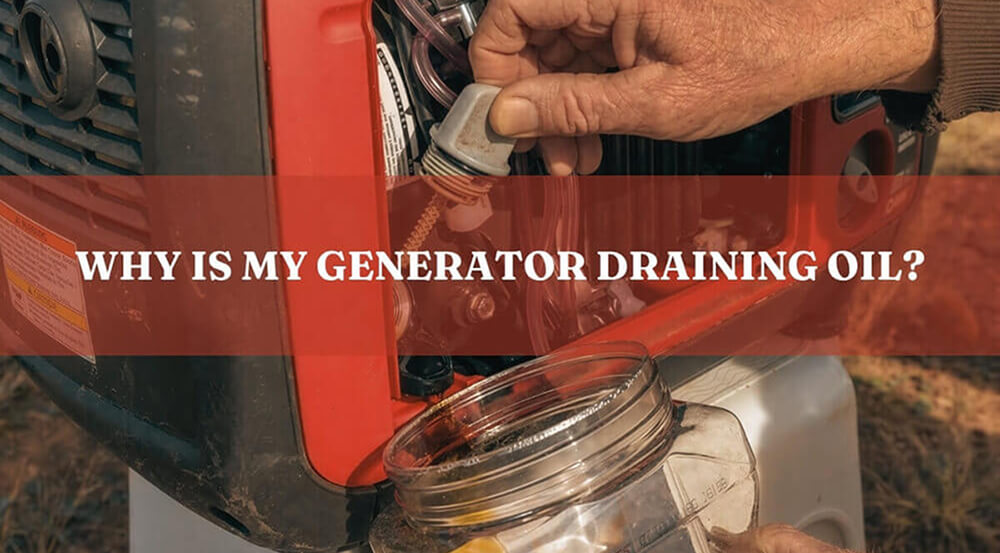
Oil performs several important functions that help protect and maintain engine performance.
Lubrication: Oil reduces friction between moving engine parts. Without proper lubrication, metal components rub against each other, causing faster wear and possible engine failure.
Cooling: As the engine operates, it produces a large amount of heat. Oil helps transfer heat away from engine components to prevent overheating. Low oil levels can cause excessive heat and rapid wear on metal parts.
Cleaning: Oil collects dirt, dust, and small metal particles inside the engine and keeps them suspended to help prevent damage.
Sealing: Oil creates a protective seal between the pistons and cylinder walls, helping the engine maintain efficient performance.
When oil levels become too low, the engine may suffer from reduced performance, overheating, compression loss, and permanent damage. A generator that leaks oil is not only losing fluid but also losing protection for its internal parts.
Maintaining the correct oil level is important for safe and efficient operation.
Recognizing the signs of oil loss early, below are the most common symptoms to watch for:
External leaks: Check for puddles, wet spots, or oily residue under and around the generator. These leaks are usually caused by damaged gaskets, seals, or hoses and are often easy to identify.
Internal oil consumption: Blue exhaust smoke may indicate that the engine is burning oil internally. This happens when oil enters the combustion chamber and is a sign that the engine is consuming more oil than normal.
Oil contamination or displacement: Oil found in the air filter, carburetor, or fuel tank may indicate an internal problem. Contaminated or misplaced oil can reduce generator performance and lead to further engine damage if not corrected.
Paying attention to these warning signs can help you identify oil loss quickly and fix the issue before it becomes a major problem.
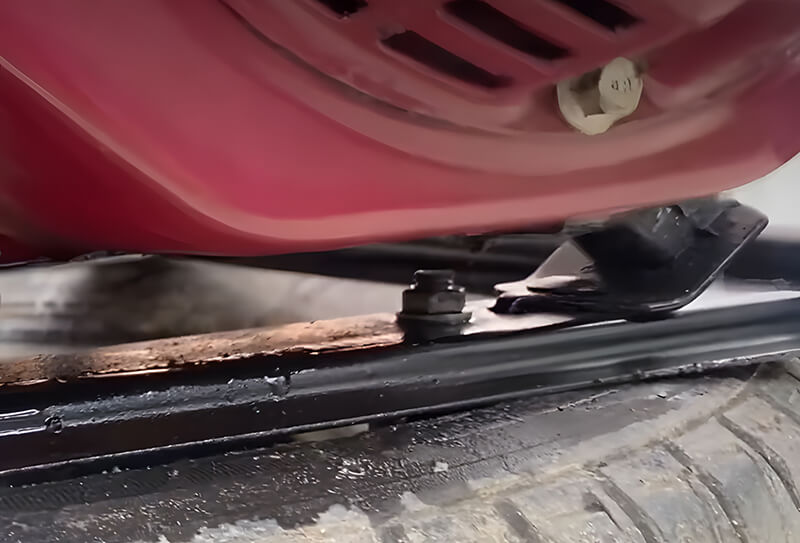
Generator oil loss is often caused by mechanical wear, operating conditions, or poor maintenance. Understanding these causes can help prevent serious engine problems and keep your generator running efficiently.
External oil leaks: External leaks happen when oil escapes onto the outside surfaces of the generator. Gaskets, seals, valve covers, and oil pans are exposed to constant heat and vibration, which can cause them to crack, flatten, or wear out over time. Small leaks may only appear when the engine becomes hot and oil pressure increases. Incorrect tipping or transporting of the generator can also cause oil to spill internally or externally.
Loose or damaged drain plug: The oil drain plug seals the bottom of the engine oil sump. If the plug is loose, damaged, or has a worn sealing washer, oil can leak continuously during operation. Cracked threads in the oil pan may also prevent the plug from sealing properly, even if it appears tight.
Worn piston rings: Piston rings help maintain compression and prevent oil from entering the combustion chamber. When they become worn from age, overheating, or poor lubrication, oil can pass through and burn during combustion. This often causes blue exhaust smoke, increased oil consumption, and reduced engine performance.
Damaged valve seals or guides: Valve seals control the amount of oil that lubricates the valve stems. When the seals or valve guides wear out, oil can leak into the combustion chamber, especially during startup or after long periods of idling. This may result in blue smoke and gradual oil loss.
Overfilled engine oil: Adding too much oil increases crankcase pressure and causes the crankshaft to churn the oil into foam. Foamy oil does not lubricate properly and may force oil through seals, gaskets, and the breather system. Many sudden leaks are caused by overfilling rather than damaged components.
Blocked crankcase ventilation: The crankcase ventilation system releases pressure produced during engine operation. When the breather valve or hose becomes clogged with dirt, sludge, or oil residue, pressure builds up inside the engine and forces oil out through seals and gaskets.
High operating temperatures: Generators running under heavy loads or in hot environments can experience excessive heat. High temperatures thin the oil, making it easier to leak or burn inside the engine. Continuous heat exposure also increases wear on seals and internal components.
Poor maintenance practices: Skipping oil changes or using the wrong type of oil can increase engine wear and damage internal parts. Old oil becomes contaminated with dirt and metal particles, reducing lubrication and damaging seals, gaskets, and piston rings. Ignoring small leaks, smoke, or unusual smells can allow minor issues to become serious problems.
Long storage periods: Generators left unused for extended periods may develop oil-related problems. Seals and gaskets can dry out or shrink, while moisture buildup may cause internal corrosion. Oil leaks may appear once the generator is used again after storage.
Excessive engine vibration: Loose mounting bolts or unbalanced engine components can create excessive vibration. Continuous vibration increases wear on seals, fittings, and gaskets, making oil leaks more likely over time.
Fuel contamination in the oil: Fuel leaking into the oil can thin the oil and reduce its ability to lubricate engine parts properly. This can increase oil consumption and accelerate engine wear.
Faulty oil filter: A damaged, loose, or improperly installed oil filter can cause oil leaks or restrict proper oil circulation within the engine.
Condensation or moisture buildup: Moisture from condensation or humid environments can mix with the oil, reducing its effectiveness and overall performance. This can lead to faster oil degradation and possible engine damage.
Ignoring early warning signs: Small leaks, light smoke, or a faint oil smell are often overlooked. These early indicators usually point to developing engine problems.
Resolving generator oil loss requires proper maintenance, correct operating practices, and careful inspection of engine components. Addressing oil problems early helps maintain stable performance, fuel efficiency, and long-term reliability.
Repair external oil leaks: Inspect all sealing points, including the crankcase, valve covers, and oil pan, for cracks, looseness, or wear. Oil seals around the crankshaft and camshaft may also fail due to heat and vibration. Replacing damaged gaskets and seals helps restore proper oil containment and prevent further leakage.
Secure or replace the oil drain plug: The oil drain plug must seal properly to prevent oil from leaking from the oil sump. Tighten the drain plug securely and inspect the sealing washer and plug threads for damage. Replacing worn components and installing the plug correctly after every oil change can prevent gradual oil loss.
Restore oil control from worn piston rings: Replacing damaged piston rings restores proper compression, reduces blue exhaust smoke, improves engine performance, and stabilizes oil consumption.
Correct valve seal and guide wear: Over time, heat can cause these parts to harden or wear out, allowing oil to leak into the combustion chamber. Replacing worn valve seals and guides helps reduce oil burning and internal oil leakage.
Maintain the correct engine oil level: Keeping the oil level within the manufacturer's recommended range helps prevent pressure problems inside the engine. Overfilled oil can foam and create excess crankcase pressure, forcing oil through seals and gaskets. Always check the oil level on a flat surface and avoid overfilling or underfilling.
Restore proper crankcase ventilation: Cleaning or replacing blocked ventilation components helps maintain balanced engine pressure and prevent leaks.
Control generator operating temperature: Maintaining proper airflow, cleaning cooling fins, and avoiding engine overload help keep temperatures under control. Using oil with the correct viscosity for the operating environment also helps reduce oil loss.
Improve oil and maintenance quality: Regular oil changes using high-quality engine oil help reduce friction, prevent sludge buildup, and protect internal engine components. Proper maintenance helps extend seal life, reduce wear, and minimize the risk of oil leaks and oil burning problems.
Protect the generator during long-term storage: Proper storage includes either draining old oil or running the generator occasionally during storage helps maintain oil circulation and seal flexibility. Store the generator upright in a clean, dry area to reduce condensation and prevent oil-related issues.
Minimize engine vibration: Ensure the generator is mounted securely and that all fasteners are tightened properly. Reducing vibration helps maintain sealing integrity and lowers the risk of oil leaks during long-term operation.
Resolve issues early: Addressing these issues early helps prevent serious damage and costly repairs. Regular inspections allow you to detect oil-related problems before they become severe.
Identifying the exact cause of oil leakage requires a systematic inspection process. A careful step-by-step approach helps pinpoint the problem accurately and safely.
Dipstick or oil gauge
Flashlight or inspection light
Clean rags or paper towels
Basic hand tools such as wrenches, screwdrivers, and pliers
Gloves and protective eyewear
Turn off the generator and allow it to cool completely. Disconnect the spark plug to prevent accidental starting. Wear gloves and protective eyewear when possible.
Inspect for external leaks: Check under and around the generator for oil puddles, wet areas, or shiny residue. Inspect gaskets, seals, and the oil drain plug for cracks, damage, or looseness.
Check the air filter: Remove the air filter and look for oil buildup. Oil in the air filter may indicate internal leakage or pressure-related engine problems.
Examine oil level and condition: Use a dipstick to check the oil level. Low oil may indicate leakage or excessive consumption. Observe oil condition and smell it for fuel or burning odors that may suggest contamination or engine issues. Clean the engine exterior if needed to remove old residue, then monitor for fresh oil after operation.
Observe exhaust smoke: Start the generator briefly with proper precautions and observe the exhaust. Blue smoke usually indicates oil burning inside the engine. Black smoke may suggest fuel-related issues, while white smoke may indicate condensation or coolant-related problems.
Following this process helps accurately locate the source of oil loss so the issue can be addressed before it worsens.
Preventing oil loss in a generator depends on consistent maintenance and proper operating practices. Oil drain issues usually develop gradually due to wear, heat, or neglect, but regular care can greatly reduce the risk. Prevention also helps protect engine parts and extend the generator's service life.
Follow a regular oil inspection routine: Checking the engine oil level before and during use helps detect abnormal oil loss early. At least once a month if the generator is not in use.
Use the correct type of engine oil: Using the manufacturer-recommended oil grade and viscosity ensures proper lubrication and sealing. Thin oil may burn or leak more easily, while overly thick oil can increase internal pressure. Using the correct oil helps maintain a stable oil level and protects internal engine components.
Avoid overloading the generator: Operating the generator beyond its rated capacity increases engine temperature and internal pressure. Keeping the load within safe limits helps reduce oil consumption and prevents premature oil loss.
Maintain proper engine cooling: Good airflow is necessary to control engine temperature. Blocked vents, dirty cooling fins, or poor placement can reduce heat dissipation. Proper cooling prevents oil from thinning and reduces the risk of pressure-related leaks.
Perform oil changes at recommended intervals: Fresh oil maintains better lubrication and protection compared to old or contaminated oil. Degraded oil loses its ability to protect seals and engine parts, increasing wear and the risk of leakage. Timely oil changes help prevent oil burn and internal damage.
Monitor engine operating temperature: Consistently high temperatures indicate engine stress that can lead to oil loss. Monitoring temperature during extended operation helps detect cooling or overload issues early. Stable temperatures support proper oil performance and reduce evaporation and burning.
Perform routine maintenance: Regular cleaning of filters, inspection of gaskets and seals, and replacement of worn parts help prevent leaks. Consistent maintenance keeps the engine in good condition and reduces the risk of oil-related problems.
By combining proper maintenance, regular inspection, and correct operating practices, most oil loss issues can be prevented, keeping the generator efficient and reliable for long-term use.
Some oil issues can be resolved with basic maintenance, but others require professional repair. Knowing when to seek expert help can save time, reduce costs, and prevent further engine damage.
Signs you need a professional
Internal engine issues: Problems such as worn piston rings, a cracked engine block, or other serious internal damage should be handled by a trained mechanic.
Uncomfortable with repairs: If you are unsure about replacing gaskets, seals, or other engine parts, it is safer to seek professional assistance to avoid making the issue worse.
Persistent oil loss: If oil continues to drop even after maintenance and simple fixes, it may indicate a deeper mechanical problem that requires expert diagnosis.
BISON recommends addressing oil-related issues promptly and consulting a professional when the problem appears serious to ensure the generator remains safe, reliable, and long-lasting.
The oil may be burning inside the engine due to worn piston rings, valve seals, or cylinder wall damage.
A small amount of oil consumption can be normal, especially in air-cooled engines, but fast or continuous oil loss usually indicates a problem.
A leaking generator is a clear warning that should not be ignored. Whether caused by external leaks, internal oil burning, overfilling, or operating stress, oil loss always increases wear and shortens engine life. Early diagnosis, proper maintenance, and correct operating practices can prevent oil leakage before it becomes a major failure.
As a professional generator manufacturer in China, BISON encourages proper maintenance and readiness for any situation. If you have experienced oil loss or have questions about generator care, support is available for guidance and generator parts needs.
inquiry form here
BISON BLOG, All the latest news and views from Bison Machinery.
what's hot?
Related Articles
Open Frame vs Closed Frame Generators: What's the Difference? Generator Backfires why is my generator draining oil what is reverse power protection in a generator does my generator have a bonded or floating neutral?Related Products