22Apr 2026
table of contents
Generators are frequently used in industrial or construction settings, off-grid deployments, and backup power situations. While many people focus on size, wattage, or fuel type, one important feature that is often overlooked is the generator's neutral configuration.
Generators have either a bonded neutral or a floating neutral, and knowing which one your generator uses is important for:
Electrical safety
Proper grounding
Compatibility with a household or industrial panel
Ensuring the security of your electronics and equipment
Using the wrong configuration can cause breaker trips, electrical shock, or equipment damage. That small detail could mean the difference between safe power and a serious hazard.
The BISON guide explains what a generator neutral is, the difference between bonded and floating neutrals, how to identify which one your generator has, and how to use your generator safely in real-world applications.
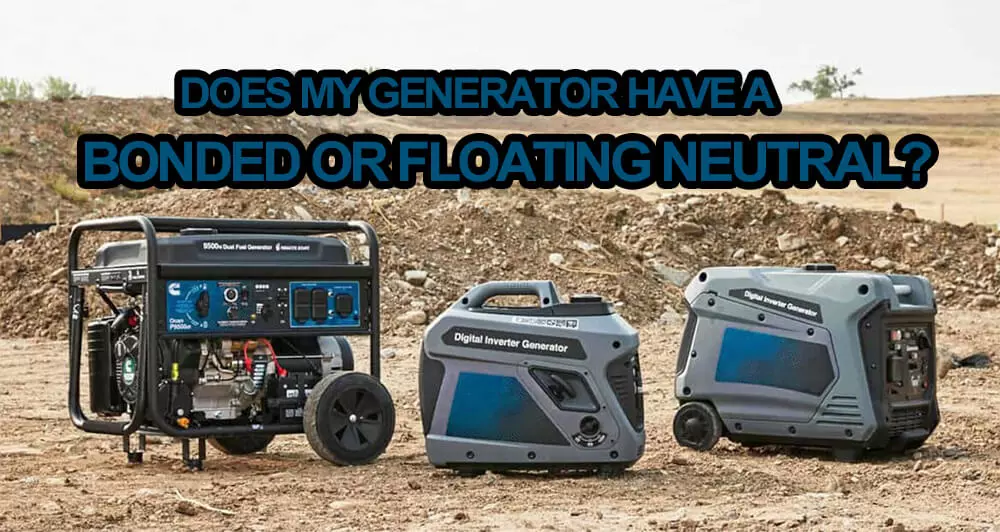
The neutral wire in a generator serves as the return path for electrical current. Electricity flows from the hot (live) wire to the load, and the neutral carries it back to the generator, completing the circuit. Without a properly functioning neutral, electricity cannot flow properly, which may cause voltage instability, equipment failure, or safety hazards.
In most systems, the neutral is connected to ground at a single point. This provides a reference voltage that stabilizes the system and maintains a consistent electrical potential across circuits. Generators can have one of two neutral configurations: bonded or floating.
Understanding the difference between bonded and floating neutrals is key to using your generator safely and effectively.
In a bonded neutral generator, the neutral wire is physically connected to the generator's metal frame or chassis. This connection creates a direct path for fault current to flow back to the source, allowing circuit breakers to trip during short circuits or ground faults.
The neutral is connected to the portable generator frame.
The frame acts as the grounding reference.
Provides a stable reference voltage for the generator and connected equipment.
Makes fault detection easier and increases safety.
Typically used in stand-alone or off-grid systems where the generator operates independently.
Example: If a tool plugged into a bonded neutral generator creates a short circuit, current flows from the neutral to the frame, tripping the breaker and preventing shocks.
A floating neutral generator keeps the neutral wire separate from the generator frame, meaning there is no internal connection to ground.
The neutral is isolated from the frame and ground.
Prevents multiple neutral-to-ground paths when connected to a home panel with a bonded neutral.
Requires an external ground for safety, such as a grounding electrode (rod or plate).
Common in inverter generators or generators designed to connect to a building electrical panel.
Example: When a floating neutral generator is connected to a home panel that already has a bonded neutral, the isolation prevents a neutral loop that could otherwise trip circuit breakers.
| Bonded neutral | Floating neutral |
| Connected directly to the generator frame or chassis | Isolated from the frame; no internal connection to ground |
| Direct path to frame; breakers trip easily | Depends on proper external grounding |
| Stable internal reference; clear fault current path; reduces shock risk in stand-alone use | Safe when properly grounded; prevents multiple neutral-to-ground paths when connected to existing panels |
| Usually requires a neutral-isolation transfer switch | Works with neutral-to-neutral transfer switch; suitable for home panel connections |
| Maintains stable internal reference without external grounding | Requires proper external grounding for voltage stability |
| Stand-alone generators, off-grid systems, industrial setups | Inverter generators and generators connected to existing home or building electrical panels |
One of the most common questions is: "How do I know if my generator has a bonded or floating neutral?" There are several safe ways to determine this.
The first and safest step is to check the manufacturer's manual. Most generator manuals clearly state whether the neutral is bonded or floating, often labeled as "neutral bonded to frame," "neutral-ground bonded," "floating neutral," or "isolated neutral." Some manuals also include wiring diagrams showing the internal connections — a bonded neutral will show the neutral wire connected to the generator's metal frame, while a floating neutral will show it isolated. You may also find labels near the outlets or control panel indicating the neutral type. This is the quickest and safest method because it requires no tools or technical knowledge.
Tip: Always use the manual as your first reference before performing any testing.
A visual inspection can also help identify the neutral type.
Important: Make sure the generator is completely turned off and disconnected from all loads before opening any access panel.
Turn off the generator and unplug all connected equipment.
Open the access panel to view the internal wiring.
Locate the neutral wire from the generator windings.
Check whether the neutral is connected to the generator frame or chassis.
Results: If the neutral is connected to the frame using a metal strap or jumper, it is a bonded neutral. If the neutral is isolated from the frame, it is a floating neutral. Many inverter generators use floating neutrals because they are designed to connect safely to home electrical panels that already have a bonded neutral.
A multimeter test can provide a reliable way to verify the generator's neutral type.
Safety first: Ensure the generator is completely off and disconnected from any devices or panels.
Set the multimeter to continuity or resistance (Ω) mode.
Place one probe on the neutral terminal.
Place the other probe on the generator frame.
Check the reading.
Results: Continuity or low resistance indicates the neutral is bonded to the frame. No continuity or high resistance indicates the neutral is floating and isolated from the frame. This method provides a clear answer but should only be performed if you are comfortable using electrical testing equipment safely.
If you are unsure or uncomfortable performing inspections or testing, it is safest to hire a licensed electrician. Professionals can identify whether the generator has a bonded or floating neutral, ensure proper grounding and bonding according to local electrical codes, verify transfer switch and panel compatibility, and recommend safe installation practices for both stand-alone and home-connected systems. Professional inspection is especially important for large or industrial generators, where improper grounding could cause equipment damage, shock hazards, or code violations.
Always start by checking the manufacturer's manual before touching any wiring.
Use a multimeter to confirm the results of a visual inspection.
Label the generator after confirming whether the neutral is bonded or floating for future reference.
Ensure proper grounding rods or electrodes are installed when using a floating-neutral generator.
Consider a professional inspection when connecting the generator to a home panel or larger electrical system.
Frequent breaker trips: Multiple neutral-to-ground paths can cause breakers to trip. Test continuity between the neutral and ground to identify possible faults.
Voltage fluctuations: Voltage fluctuations can occur if a floating neutral is improperly grounded. Inspect the connections and ensure a grounding electrode is installed.
Inspect connections and grounding: Loose or damaged connections can cause neutral faults. Regular inspection helps improve safety and reliability.
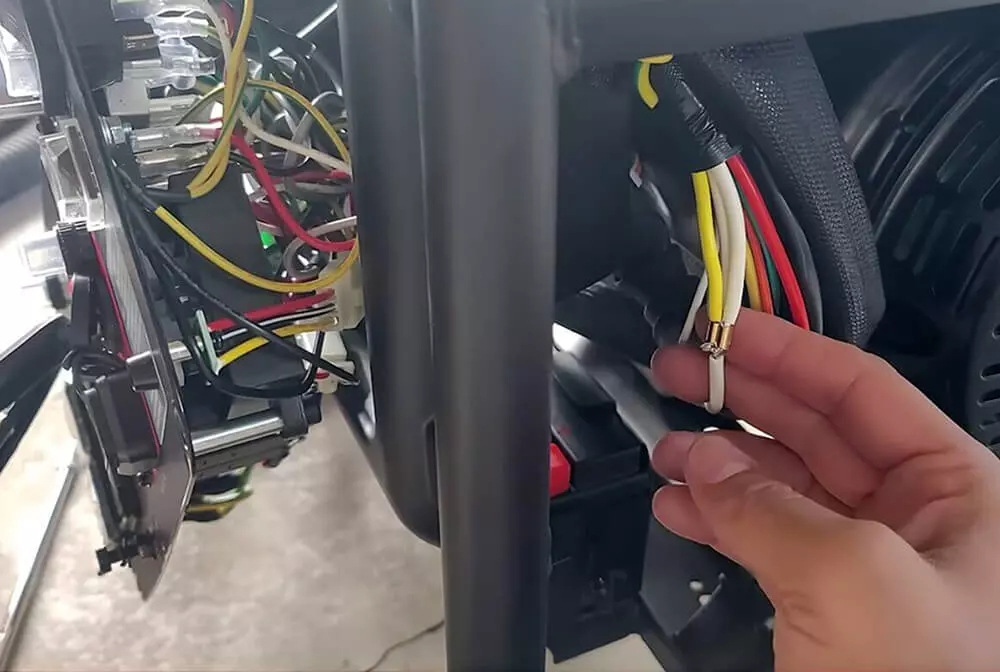
Important disclaimer: Modifying your generator's neutral is not recommended for casual users. Attempt modifications only if the manufacturer permits it. Only qualified electricians or licensed professionals should perform this task. Electrical codes must be followed, improper changes can create serious shock hazards, equipment damage, fire risk, and may void the generator warranty.
Changing a generator's neutral usually involves adding or removing a jumper wire or screw that connects the neutral terminal to the generator frame. Adding a bond converts a floating neutral into a bonded neutral; removing a bond converts a bonded neutral into a floating neutral. Although the process may appear simple, it requires proper knowledge of electrical safety, generator wiring, and local codes.
Safety hazards: Incorrect bonding can create shock risks, prevent breakers from tripping, or cause double bonding when connected to a home system.
Equipment damage: Fault currents may flow through unintended paths, damaging the generator or connected appliances.
Warranty void: Many manufacturers will not cover generators that have been modified without professional approval.
Labeling modifications: After any modification, clearly label the generator as either bonded neutral or floating neutral to prevent confusion and potential safety hazards in the future.
Knowing whether your generator has a bonded or floating neutral is essential for safety, proper grounding, and system compatibility. Bonded neutral is best for standalone use, ensuring breakers and GFCIs trip correctly to protect you and your equipment. Floating neutral is required when connecting to a home system via a transfer switch, preventing double bonding hazards and keeping your home wiring safe.
Always identify your generator's neutral type, follow proper grounding, and adhere to installation practices to prevent electrical hazards and ensure reliable performance. Check your generator, read the manual carefully, and consult a professional electrician if you are unsure.
Many modern generators, especially inverters, use a floating neutral.
Safe if properly grounded and installed according to code.
Incorrect configuration can create neutral loops, breaker trips, and shock hazards.
inquiry form here
BISON BLOG, All the latest news and views from Bison Machinery.
what's hot?
Related Articles
Open Frame vs Closed Frame Generators: What's the Difference? Generator Backfires why is my generator draining oil what is reverse power protection in a generator does my generator have a bonded or floating neutral?Related Products