11Mar 2026
table of contents
Generators are crucial for homes, businesses, and isolated locations to ensure dependable power. Their performance and lifespan are influenced not only by operation but also by environmental and load conditions.
For example, a facility may install a 1000 kW generator expecting stable backup power. The specifications seem solid, but during a hot afternoon at a high-altitude location, the generator may not deliver the full 1000 kW. Output drops below expectations, and critical equipment may not receive enough power. This issue is not a defect — it is a common and often misunderstood phenomenon called generator derating.
Understanding derating is essential for safe operation, preventing damage, and maximizing generator life.
This guide will teach you what generator derating is, why it occurs, the key factors affecting it, how to calculate it, and best practices for selecting the right generator for your environment. ., BISON is committed to helping customers make informed decisions and ensure reliable power in real-world conditions.
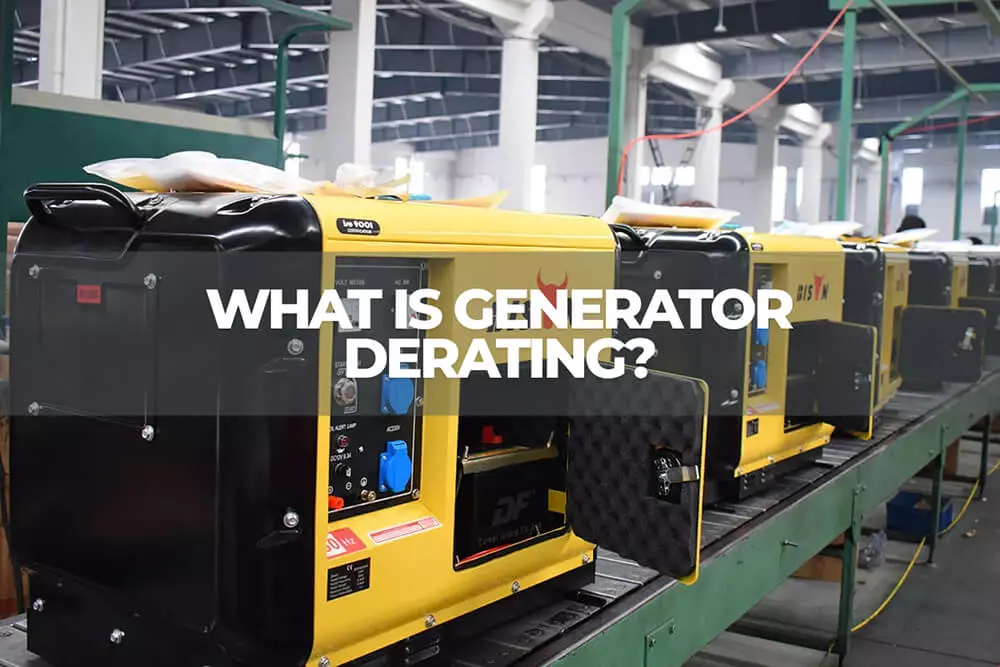
Generator derating is the intentional reduction of a generator's output capacity below its rated power to match real-world environmental and operating conditions. A simple way to understand this is to think of a generator like a marathon runner. A runner can maintain a certain speed under perfect conditions — cool weather, flat terrain, and plenty of energy. But if the day is hot, the air is thin at high altitude, or the terrain is hilly, the runner must slow down to avoid exhaustion or injury. Similarly, a generator must reduce its output to operate safely and reliably in challenging conditions.
Derating ensures the generator operates within safe limits, prevents overheating, reduces component stress, and extends its operational life.
Nameplate rating vs. site rating
It is important to distinguish between:
Nameplate rating: The generator's maximum power output under ideal factory test conditions (standard temperature, sea-level altitude, proper airflow). It represents theoretical peak performance.
Site rating: The actual power output a generator can deliver at its installation site, considering environmental factors like temperature, altitude, humidity, and other operational conditions.
The difference between these two ratings is essentially what derating accounts for.
Generators are designed to operate under ideal conditions specified by the manufacturer. In real-world situations, these conditions often differ from the standard. Without proper derating, generators can experience performance issues, damage, and reduced lifespan.
Generator derating is essential not only for technical performance but also for safety. Running a generator at full nameplate capacity without considering environmental factors can lead to serious problems for both the engine and alternator.
Generators produce heat during operation, and excessive load or high ambient temperatures can cause overheating, which may:
Damage the engine and alternator.
Trigger automatic shutdown.
Derating reduces the load to safe levels, preventing dangerous temperature rises and maintaining reliable operation.
Overloaded generators can cause voltage fluctuations, trip breakers, or damage connected equipment. Derating keeps the output within safe limits, protecting voltage regulators, circuit breakers, wiring, and sensitive devices. Stable electricity is crucial for facilities like hospitals, data centers, and industrial plants.
Operating at full capacity places stress on critical components such as pistons, cylinders, bearings, shafts, and cooling systems. Over time, this stress can cause premature wear or sudden failure. Operating consistently within safe load limits prevents rapid component aging. Proper derating extends the generator's lifespan, reducing repair and replacement costs.
Generators under excessive load consume more fuel and may experience inefficient combustion. Operating within derated limits improves fuel economy, reduces engine deposits, and lowers maintenance requirements.
High loads combined with adverse environmental conditions increase the risk of fire or mechanical failure. Derating mitigates these hazards, ensuring safe operation for both the generator and personnel.
Proper derating is a preventive measure, not a restriction. By operating below maximum rated capacity under challenging conditions, derating maintains safety, protects critical components, and ensures reliable, efficient performance.
Several factors determine how much a generator's output must be reduced to ensure safe and reliable operation. Understanding these factors helps prevent overheating, component damage, and reduced lifespan.
Generators are rated under standard temperature conditions, typically around 25°C (77°F). High ambient temperatures reduce cooling efficiency and combustion performance, causing components to run hotter. This makes derating necessary to maintain safe operation. For example, a 100 kVA generator may need to be derated by 5–10% at 40°C.
Air density decreases with altitude, reducing combustion efficiency and cooling effectiveness. At higher elevations, less oxygen is available for combustion, lowering engine power output. As a rule of thumb, for every 1,000 feet (305 meters) above sea level, power output may need to be derated by 3–4%.
Generators rated for intermittent use should not operate continuously at full load. Continuous heavy loads generate excess heat and accelerate wear on the engine and alternator. Proper derating ensures safe continuous operation.
Poor-quality or incorrect fuel reduces combustion efficiency, lowers power output, and increases operating temperatures. Derating compensates for these inefficiencies to prevent overloading and maintain safe performance.
Dust, moisture, poor ventilation, and high humidity can impede cooling and affect generator performance. Moist air may reduce cooling efficiency and create condensation on electrical components, affecting insulation and causing corrosion. Derating is necessary in these conditions to maintain safe operating temperatures and stable electrical output.
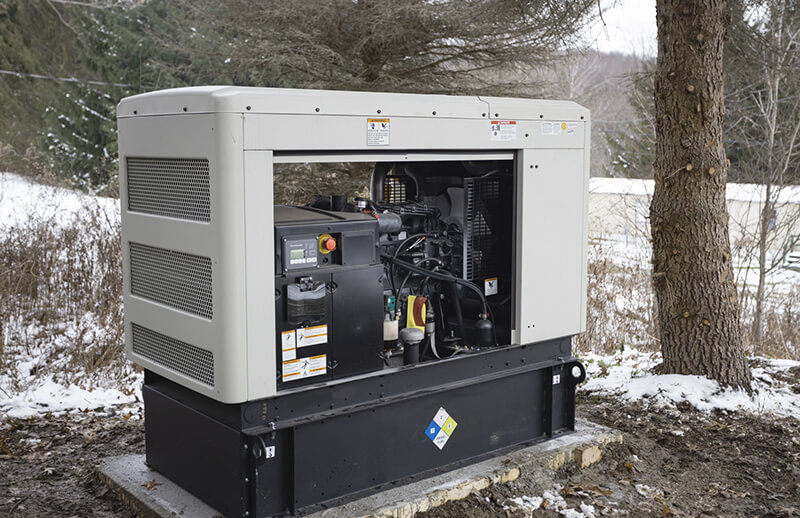
Older generators or units with aging components may not handle full-rated loads as effectively as new units. Derating reduces the risk of overheating, mechanical failure, and performance degradation due to wear and age.
Calculating generator derating ensures the generator operates safely under non-ideal conditions such as high temperatures, high altitude, or continuous heavy loads. This process combines manufacturer guidelines, environmental factors, and load requirements to determine the site rating — the actual power a generator can safely deliver at a specific installation site.
Determine the real-world conditions where the generator will operate:
Ambient temperature: Record the expected maximum temperature (°C or °F).
Elevation: Note the site's altitude above sea level.
Load type: Identify whether the load is continuous, intermittent, or peak-demand.
Accurate data ensures precise derating calculations.
Generators lose efficiency at higher temperatures due to reduced cooling and engine performance. Use the manufacturer's temperature derating chart to find the percentage reduction.
Generator rating: 100 kVA
Operating temperature: 40°C
Temperature derating factor: 10%
Calculation: 100 kVA × (1 − 0.10) = 90 kVA
Higher altitudes reduce air density, affecting combustion efficiency and cooling. Apply the altitude derating factor from the manufacturer's chart.
Example
Altitude: 1,000 meters
Altitude derating factor: 4%
Calculation: 90 kVA × (1 − 0.04) = 86.4 kVA
Each derating factor (temperature, altitude, etc.) reduces the generator's rated power. These reductions are combined to determine the final site rating.
Example
A 500 kW generator at a site with:
Altitude: 4,000 feet (1,220 m) → 12% derating
Temperature: 97°F (36°C) → 2% derating
Total derating = 12% + 2% = 14%
Site rating = 500 kW × (1 − 0.14) = 430 kW
This means the generator can safely deliver 430 kW, not the full 500 kW nameplate rating.
For more precise calculations, engineers often use manufacturer software or online calculators that factor in multiple variables simultaneously, including altitude, temperature, humidity, fuel quality, and load patterns.
Proper generator derating improves performance, ensures safety, and extends a generator's lifespan. The following best practices help operators apply derating effectively and maintain reliable operation.
Always consult the manufacturer's derating charts or tables. These model-specific charts provide percentages for temperature, altitude, and continuous load. Following these instructions ensures accurate and safe derating. Most manufacturers, including BISON, provide charts or formulas in their specification sheets, which account for the specific engine and alternator design.
Track ambient temperature, humidity, and altitude at the generator's operating location. Extreme conditions reduce cooling efficiency and power output, so adjusting the load accordingly prevents overheating and component stress.
Generators designed for intermittent use should not operate continuously at full load. For continuous operation:
Reduce the load according to manufacturer instructions.
Schedule regular rest or cool-down periods.
Consider using a slightly larger generator for high continuous loads.
Proper load management protects the generator from stress-related damage and maintains stable performance.
Good airflow around the generator is essential for cooling. Ensure:
The generator is in a well-ventilated area.
Air inlets and outlets are free from walls, dust, or debris.
Cooling fans and ventilation systems are regularly inspected and cleaned.
Proper ventilation reduces the need for excessive derating.
High-quality fuel supports efficient combustion, reducing operating temperatures and preventing power loss. Poor fuel can increase the need for derating and may damage the engine over time.
Regularly measure load, temperature, and voltage using meters or monitoring systems. Avoid sudden spikes that exceed the derated capacity, and adjust operation to stay within safe limits.
Routine maintenance keeps the generator in top condition and ensures reliable performance under derated loads:
Clean air filters and cooling fans.
Inspect engine oil, fuel filters, belts, and batteries.
Check alternator and electrical connections.
Well-maintained generators handle derated loads more efficiently and safely.
Derating reduces a generator's output to prevent damage, while overloading exceeds the rated capacity, which can cause failures.
Adjust derating whenever environmental conditions change, such as seasonal temperature shifts or relocation to a site with different altitude.
Generator derating is the intentional reduction of a generator's maximum power output to match real-world environmental and operational conditions. Factors such as high temperature, high altitude, humidity, fuel quality, and load can limit engine and alternator performance compared to ideal factory conditions.
Understanding and applying derating is essential for engineers, facility managers, and decision-makers, generators must be selected and operated based on real-world site conditions, not just their nameplate ratings. This approach protects critical equipment, ensures dependable performance, and provides peace of mind that power will be available when it is needed most.Implementing derating strategies, including following manufacturer guidelines, monitoring environmental factors, and using quality fuel — improves efficiency, reduces operating costs, and safeguards your investment.
As a professional generator manufacturer, BISON is committed to helping customers choose the right generator, understand site-specific derating, and implement best practices for safe, reliable operation. Contact BISON today to optimize your generator system for your environment and power needs.
inquiry form here
BISON BLOG, All the latest news and views from Bison Machinery.
what's hot?
Related Articles
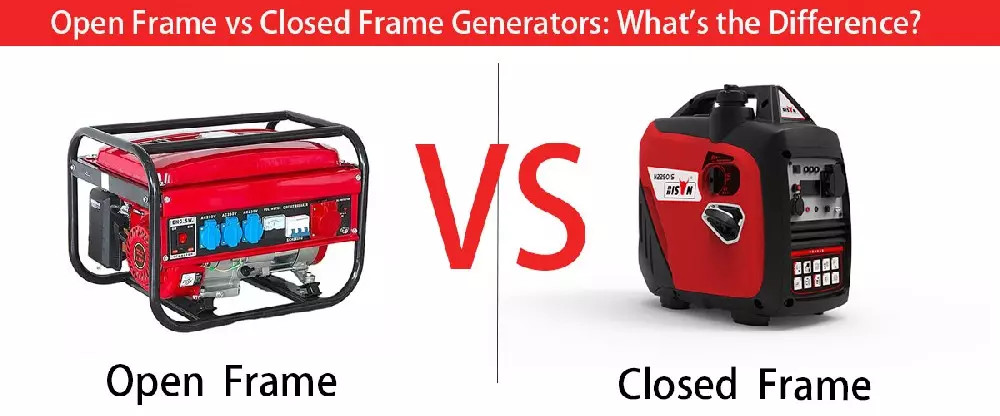
Open Frame vs Closed Frame Generators: What's the Difference? Generator Backfires why is my generator draining oil what is reverse power protection in a generator does my generator have a bonded or floating neutral?Related Products