20Apr 2026
table of contents
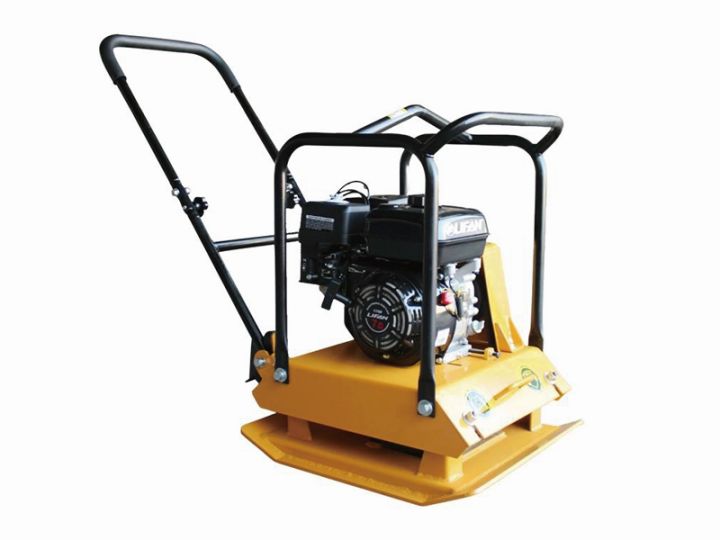
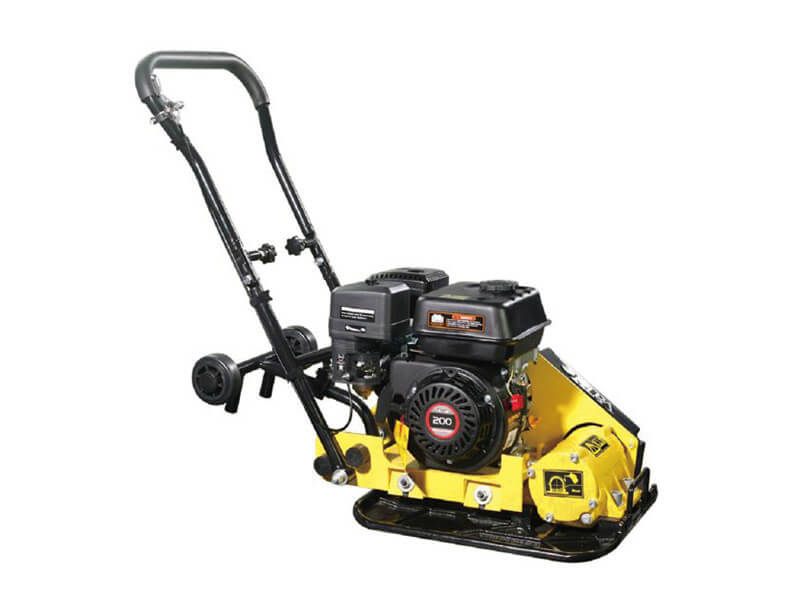
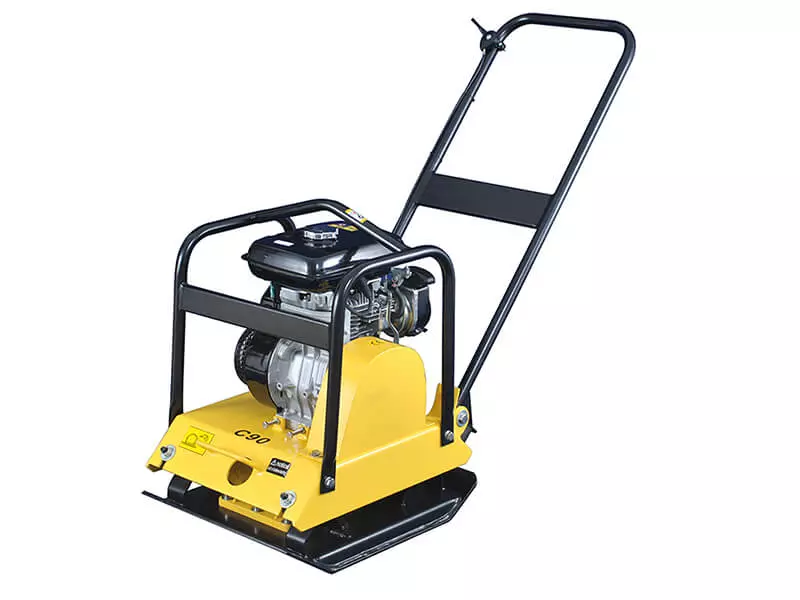
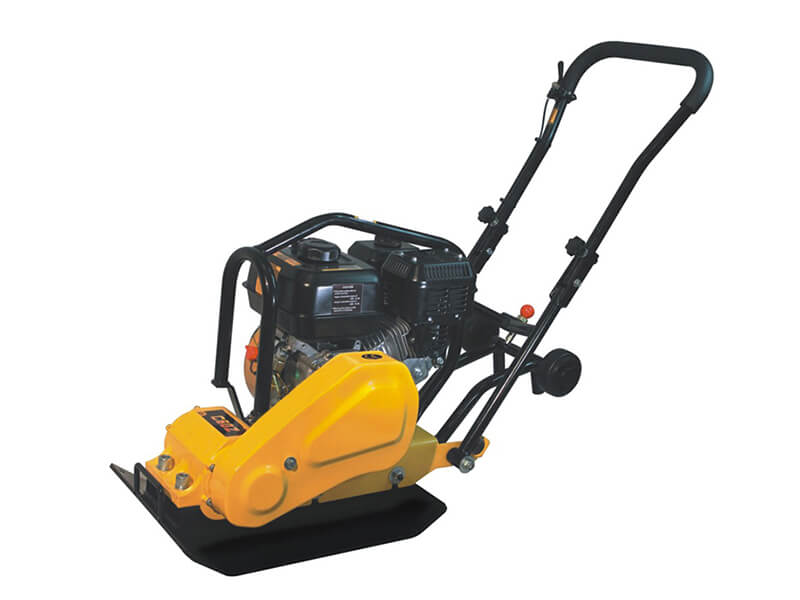
A plate compactor is a construction machine used to compact soil, gravel, asphalt, and similar materials to create a solid, stable, and level surface. It is widely used in construction and landscaping projects such as foundations, driveways, sidewalks, trenches, and road preparation. By reducing air pockets and increasing material density, a plate compactor helps prevent settling and surface failure over time. Plate compactors come in different sizes, making them suitable for both small-scale and large-scale jobs.
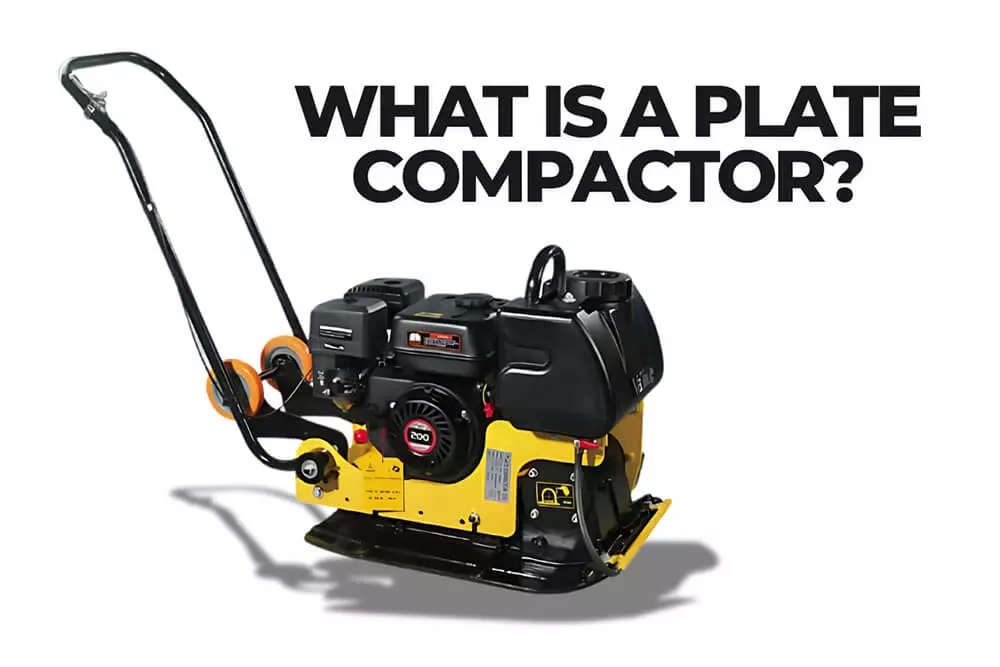
Plate compactors are powered by gasoline, diesel, or electricity. When the engine starts, it drives a rotating shaft connected to an exciter mechanism. The exciter contains rotating weights that spin at high speed, generating a strong downward force. This force causes the heavy steel base plate to vibrate rapidly at a high frequency, measured in vibrations per minute (VPM).
The vibrating plate transfers energy into the ground, compressing soil, gravel, or asphalt. The vibration rearranges soil or aggregate particles, and reducing air gaps between particles, and packs the material tightly together. This process increases density and stability, making the surface firm, even, and resistant to shifting, creating a strong base for construction and paving projects.
The operator controls the plate compactor using a handlebar, guiding it across the surface to be compacted. Single-direction plate compactors move forward only, while reversible models can move both forward and backward for improved efficiency and coverage.
Compaction is done in layers, typically 2–6 inches deep at a time, to ensure uniform density. Thicker areas require multiple passes to achieve proper compaction. The combination of vibration, downward force, and controlled movement ensures consistent and thorough compaction across the entire surface.
A plate compactor consists of several essential components that work together to generate strong compaction force. Each part plays an important role in ensuring efficient, stable, and reliable operation.
Base plate: The most critical component — a heavy steel or cast iron plate that comes into direct contact with the ground. It vibrates rapidly to compact soil, gravel, or asphalt by reducing air gaps and increasing material density. Base plates vary in size, shape, and weight depending on the compactor type and application. Larger and heavier plates provide greater pressure and deeper compaction, making them suitable for bigger jobs.
Engine: Supplies the power required to operate the plate compactor and generate vibration. Most models use gasoline or diesel engines, though electric versions are also available. Higher-powered engines produce stronger vibration force, allowing the compactor to handle harder materials and demanding applications.
Exciter mechanism (vibration system): Responsible for creating vibration. It consists of rotating weights inside the compactor that spin at high speed when powered by the engine. This motion generates rapid up-and-down vibrations that are transferred to the base plate, enabling effective compaction by forcing material particles closer together and eliminating air pockets.
Handle and control panel: The handle allows the operator to guide and control the plate compactor across the work area. Many models feature vibration-damped handles to reduce operator fatigue. The control panel typically includes the throttle and speed controls, and reversible compactors may also include forward and reverse controls.
Water tank (for asphalt applications): Some plate compactors are equipped with a water tank, especially for asphalt work. The tank releases water onto the base plate to prevent hot asphalt from sticking during compaction, making it particularly useful for paving and road maintenance projects.
Shock mounts: Rubber or spring-loaded components designed to absorb vibration. They reduce the amount of vibration transferred to the handle, improving operator comfort and helping protect internal components from excessive wear.
Frame and housing: The frame supports the engine and other components while providing overall structural strength. It protects internal parts from damage and often includes lifting handles or wheels to make transportation easier and safer.
Belt and pulley system: Connects the engine to the exciter mechanism and efficiently transfers power to generate vibration. Regular inspection and maintenance of the belt are important to ensure smooth operation and prevent unexpected breakdowns.
Plate compactors come in various types, designed for different tasks, materials, and project sizes. They can be categorized based on design, function, and performance.
Single-plate compactors move only in a forward direction. They are lightweight, simple to operate, and ideal for small jobs with limited space, such as sidewalks, small driveways, and landscaping projects. They are most effective on granular soils like sand, gravel, and loose soil.
Benefits: Easy to use, cost-effective, suitable for small-scale projects.
Best use case: Compacting loose soil, sand, or gravel in residential or landscaping applications.
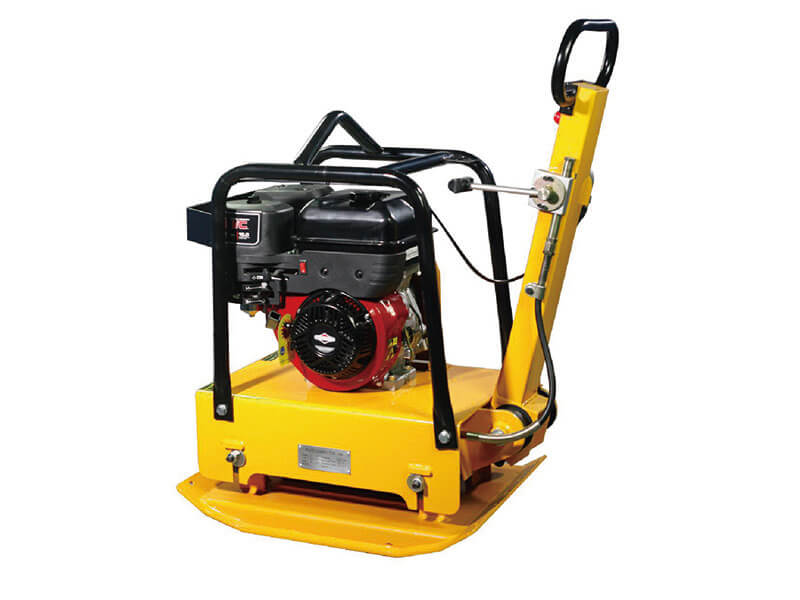
Reversible plate compactors can move both forward and backward, offering increased control and efficiency. They are particularly useful for large areas, trenches, or sites where turning the machine around is difficult.
Benefits: Versatile, efficient, easy to maneuver.
Best use case: Large construction sites, deep trenches, or confined areas.
Most common and portable, suitable for outdoor locations without electricity.
Benefits: powerful, portable, easy to use.
Best use case: outdoor projects or remote sites without access to power.
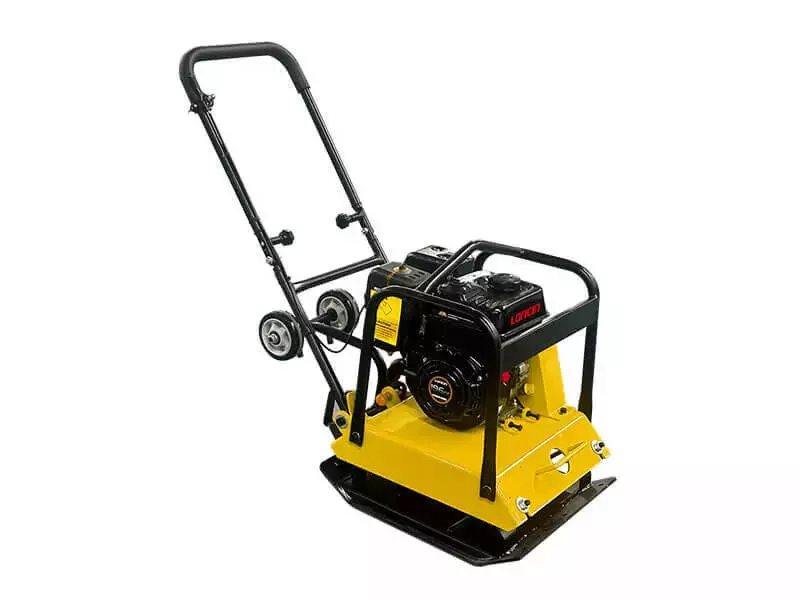
More powerful and fuel-efficient, designed for heavy-duty industrial tasks.
Benefits: high power, efficient, ideal for large-scale jobs.
Best use case: road construction, large parking lots, or large paving projects.
Lightweight and quiet, suitable for indoor use or areas sensitive to noise and emissions.
Benefits: clean, quiet, ideal for indoor and environmentally sensitive areas.
Best use case: indoor construction, building foundations, or sites with emission restrictions.
Small, portable machines for light compaction tasks.
Benefits: lightweight, easy to transport, perfect for small areas.
Best use case: garden paths, small driveways, and residential landscaping.
More powerful and versatile, handling a wider range of materials.
Benefits: stronger compaction, suitable for medium-sized jobs.
Best use case: medium-scale construction, landscaping, paving, or asphalt compaction.
Large machines with high power, weight, and vibration capacity for tough jobs.
Benefits: maximum compaction force and durability.
Best use case: large construction sites, roadworks, or commercial-scale projects.
The right plate compactor depends on project size, materials, and site conditions. Light-duty models are ideal for small landscaping or residential tasks, while heavy-duty plate compactors suit large-scale industrial projects. Gas, diesel, and electric options provide flexibility depending on portability, power needs, and environmental constraints. Understanding the design, power source, and size options ensures you choose the most efficient tool for your compaction needs.
Benefits of using a plate compactor
Plate compactors are essential tools in construction, landscaping, and roadwork.
Improves soil stability and load-bearing capacity: Compacted soil provides a strong foundation for driveways, sidewalks, roads, patios, and other structures. It reduces the likelihood of soil movement, and increases load-bearing capacity, making surfaces suitable for heavy traffic.
Prevents settlement and erosion: Plate compactors can reduces uneven settling, cracks, and structural damage. Tightly pack materials, eliminates air pockets, creating uniform density and prevents erosion caused by water infiltration, ensuring long-term stability, minimizing future maintenance issues caused by erosion.
Ensures consistent compaction: Consistent compaction is difficult to achieve manually, but plate compactors guarantee even results across the whole area. Provides uniform pressure and vibration across the entire surface, reduces weak spots in soil, gravel, or asphalt layers, and creates smooth, stable, and reliable surfaces for roads, patios, or foundations.
Increases efficiency and saves time: Covers large areas quickly compared to manual tamping, minimizes labor while maintaining consistent compaction quality, and reduces the need for rework, speeding up construction workflows, projects are completed faster, making them ideal for both small and large-scale construction, landscaping, and paving jobs.
Versatile for various materials and applications: Different models — single plate, reversible — meet diverse job requirements. Works effectively on gravel, sand, crushed stone, and asphalt. Suitable for landscaping, foundation preparation, trenching, and paving projects.
Easy to operate and maintain: Plate compactors are simple to operate, even for novices, with ergonomic handles and easy-to-use controls. Minimal maintenance is required.
Plate compactors improve soil stability, prevent settling, and ensure consistent compaction, providing a solid foundation for a wide range of projects. They save time, reduce labor needs, and cut costs, making them a smart investment for construction, landscaping, and industrial work.
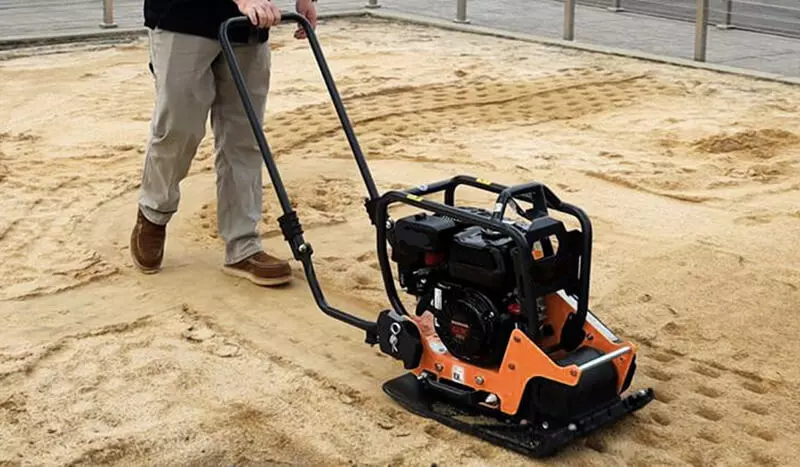
Plate compactors are versatile machines.
Foundation preparation: Essential for compacting soil before laying foundations, preventing settlement and ensuring a stable base for houses, commercial buildings, or other structures.
Road work: Compact gravel, asphalt, and soil to create strong, even road surfaces that withstand vehicle weight and resist cracking or sinking.
Trench compaction: Used to compact backfill after trenches for utilities, plumbing, or electrical lines, reducing the risk of subsidence or shifting.
Paver installation: Ensures driveways, patios, and walkways remain stable and smooth by tightly fitting pavers together.
Soil compaction: Creates firm, even surfaces for lawns, gardens, and flower beds, improving drainage and keeping landscaping features in place.
Base preparation: Compacts gravel, sand, or crushed stone for patios and walkways, preventing settling and uneven surfaces.
Industrial applications: Supports compacted surfaces for heavy machinery, foundation work, and recreational areas like parks or golf courses.
Select a compactor based on your project size, material type, and required compaction depth.
Wear personal protective equipment (PPE), inspect the machine before use, ensure a stable surface, and maintain proper posture during operation.
Regularly clean the base plate, change engine oil, replace the air filter, check the belt, and lubricate moving parts.
Place the compactor on a flat surface, check fuel and oil levels, set the throttle to idle, pull the starter cord, then gradually increase the throttle.
A plate compactor maximizes efficiency and project quality, making them an indispensable tool in industries requiring soil compaction.
If you're looking for a high-quality, durable plate compactor that meets your project needs, contact us today. Our team of professionals is ready to help you select the perfect plate compactor and take your projects to the next level.
inquiry form here
BISON BLOG, All the latest news and views from Bison Machinery.
what's hot?
Related Articles
Everything you need to know about plate compactor what is a plate compactor? everything you should know about soil compactors how to tighten belt on plate compactor how to choose the right vibratory plate compactorRelated Products