09Feb 2026
table of contents
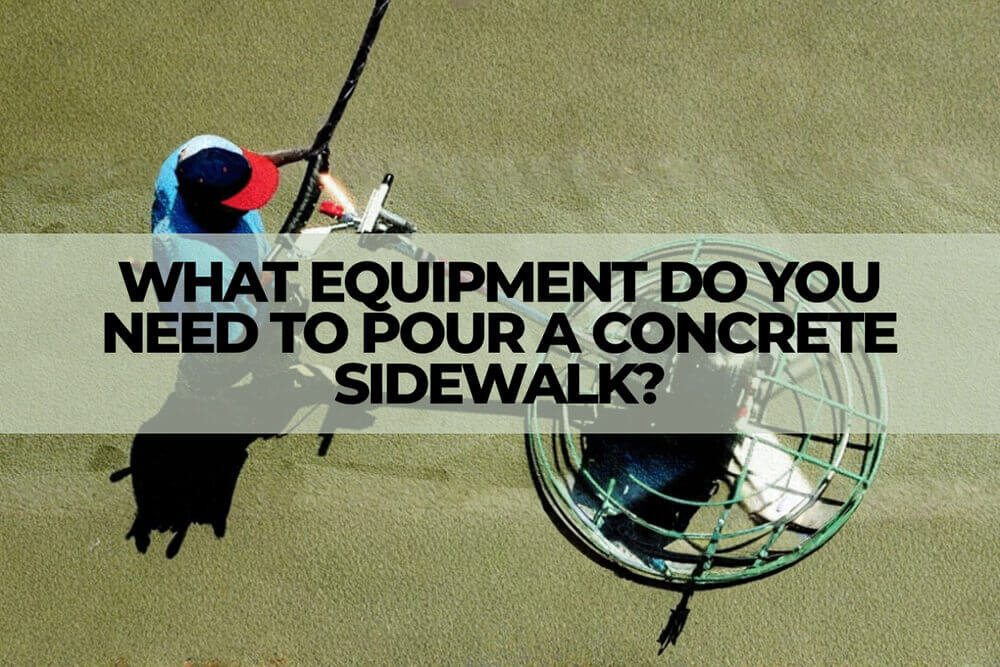
A brand-new concrete sidewalk can instantly enhance the look of your home or property, providing a clean, durable, and professional finish that lasts for years. While pouring concrete may seem daunting, having the right equipment makes the process easier, more efficient, and even enjoyable. Using proper tools ensures safety, saves time, and helps you achieve a smooth, high-quality finish that stands the test of time. In this article, BISON breaks down the essential equipment into three categories—preparation tools, mixing and transport equipment, and pouring and finishing tools—so you’ll know exactly what you need to complete your sidewalk project with confidence.
Proper planning and preparation are key to a successful concrete sidewalk project. Accurately measuring and marking the path ensures straight edges, correct dimensions, and proper drainage. Essential tools include a tape measure for length and width, stakes and string lines to establish edges and height, and spray paint or marker dust to outline the excavation area.
Before pouring concrete, you’ll need earth-moving tools to prepare the ground. Shovels (round and square point) help dig and move soil, while a pickaxe or mattock breaks up hard soil or roots. A wheelbarrow is useful for hauling excavated material efficiently.
Once the area is prepared, forming tools shape the sidewalk. Form boards, typically 2x4s or plywood strips, define the edges, while stakes secure the boards in place. A hammer with nails or screws ensures the forms are stable and properly aligned. Properly set forms are essential for clean edges and a professional finish.
Properly mixing concrete is essential for a strong, durable sidewalk. For medium-to-large projects, an electric or gas-powered concrete mixer ensures a consistent blend, saving time and effort. For smaller batches, a trough or tub works well, with buckets used to measure water and additives accurately.
Follow the recommended water-to-cement ratio: too much water weakens the mix, too little makes it hard to pour.
Test small batches first to check consistency.
Clean the mixer immediately after use to prevent concrete from hardening inside.
Once mixed, concrete must be transported efficiently. Heavy-duty wheelbarrows are ideal for moving concrete safely and preventing contamination or spillage.
Carry small, manageable loads to reduce the risk of accidents.
Keep the wheelbarrow close to the pouring area to minimize lifting.
Use shovels or hoes to place concrete precisely where needed.
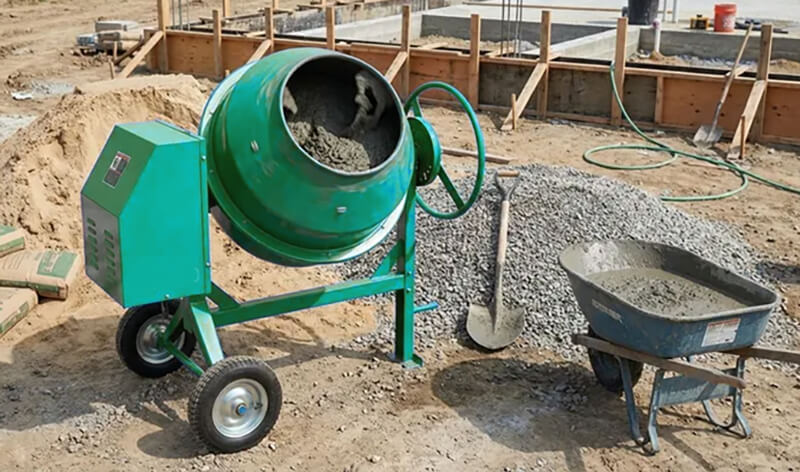
For larger projects with ready-mix trucks, concrete chutes allow direct placement into forms, while buckets help reach tight spots. Using the right mixing and transport equipment ensures efficient handling, minimizes waste, and helps achieve a smooth, uniform finish.
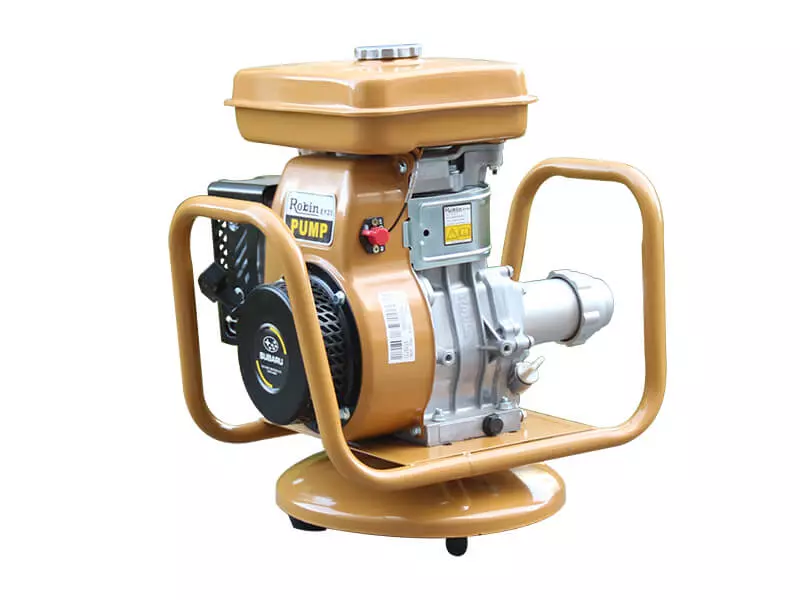
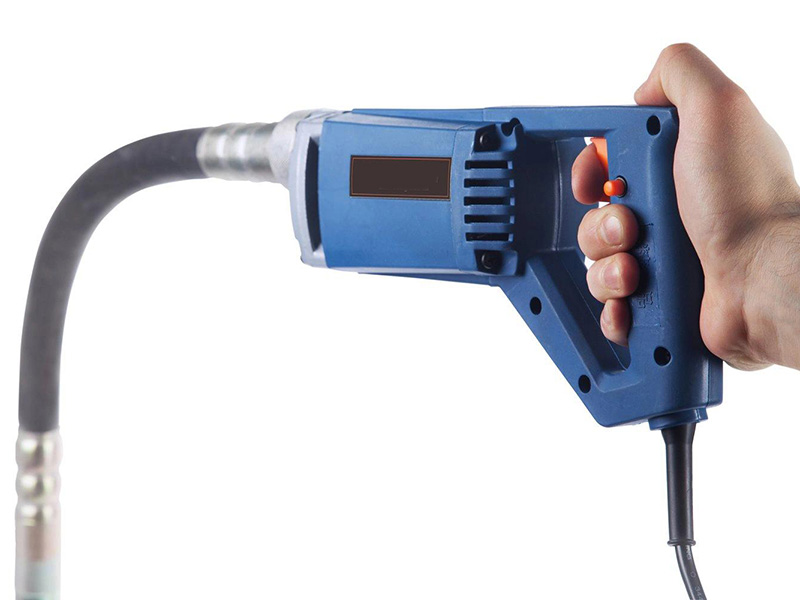
For large or thick sidewalks, a concrete vibrator helps remove trapped air bubbles and ensures proper compaction. While common in commercial projects, it can also benefit heavy-duty diy projects.
Insert the vibrator vertically into the concrete rather than dragging it horizontally.
Avoid over-vibrating, which can separate the mix and weaken the concrete.
Use short bursts and move systematically across the slab for even compaction.
After pouring concrete, finishing tools are essential for a smooth, durable, and professional-looking sidewalk. They help level, compact, and refine the surface, preventing cracks and imperfections, and enhancing the sidewalk’s lifespan and appearance.
A large, flat tool on a long handle used to compact the surface and bring fine cement paste to the top.
Use immediately after pouring while concrete is workable.
Glide in long, straight strokes, keeping the leading edge slightly raised.
Avoid overworking to prevent uneven texture or air pockets.
Small tools for detailed finishing in corners, edges, and areas a bull float cannot reach. Made of magnesium, aluminum, or wood.
Use when concrete is soft after leveling with a bull float.
Apply light pressure to protect the surface texture.
Keep slightly damp to prevent sticking.
Creates clean, rounded edges to prevent sticking and enhance appearance while aiding water drainage.
Use when concrete is soft but firm enough to hold its shape.
Move slowly along edges at a slight angle.
Clean frequently for smooth, even edges.
Cuts control joints to prevent random cracking as concrete dries and shrinks.
Space joints 4–6 feet apart.
Cut to about one-quarter of the slab thickness.
Move in straight, smooth motions for clean lines.
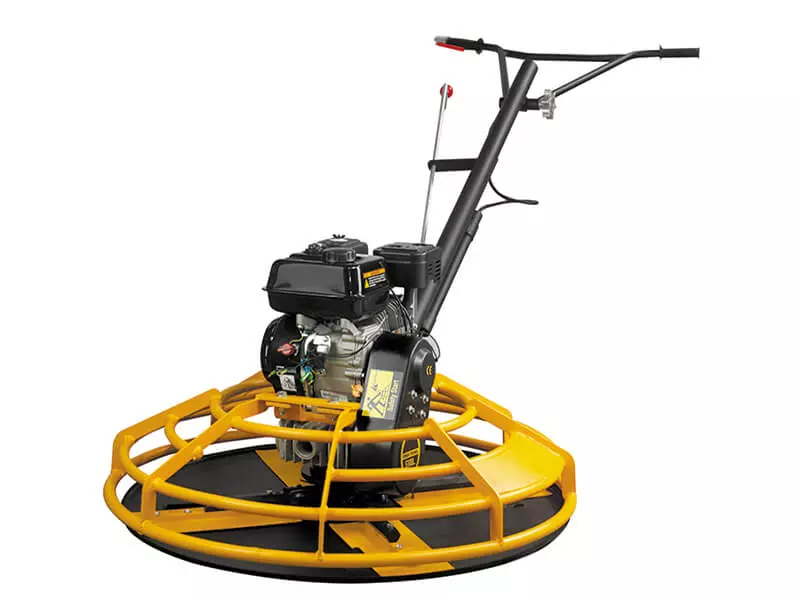
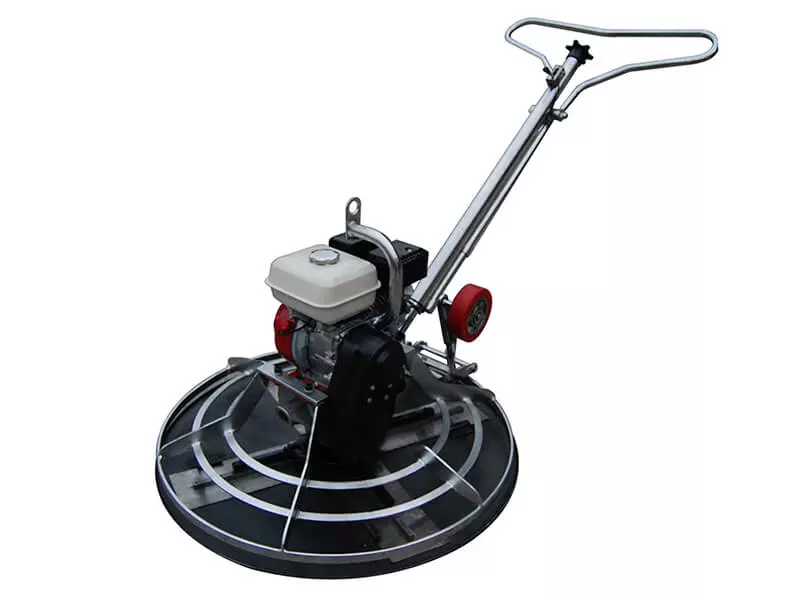
Used for final smoothing and polishing. Steel trowels create a durable, shiny finish; magnesium trowels are ideal for light initial smoothing.
Wait until bleed water evaporates.
Apply even pressure in overlapping arcs.
Avoid over-troweling to prevent overly dense or dusty surfaces.
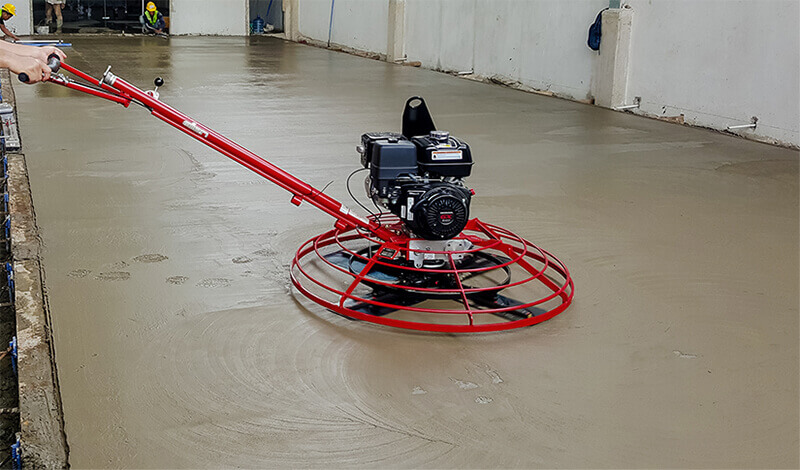
A long, straight board or aluminum tool used to level freshly poured concrete.
Work immediately after pouring to prevent uneven setting.
Use a back-and-forth sawing motion for even distribution.
Align with top edges of forms to maintain consistent thickness.
Safety is a top priority when working with concrete. Using the right safety and protection equipment ensures a professional, durable finish while keeping the project safe and efficient from start to finish.
Personal protective equipment (ppe) includes:
Safety glasses or goggles to protect eyes from splashes.
Work gloves to shield hands from wet concrete, which can cause irritation.
Waterproof or rubber boots to keep feet dry.
Knee pads for comfort during tasks that require kneeling.
Proper curing and protection are essential for a strong, durable sidewalk:
Plastic sheeting or curing compounds retain moisture and ensure proper curing.
Sprayers provide even application of curing compounds.
Blankets protect concrete from cold weather and freezing damage.
Additional equipment helps maintain safety and organization:
Barricades or caution tape keep foot traffic away from fresh concrete.
Hoses and brushes allow immediate cleaning of tools, prolonging equipment life and keeping the work area tidy.
FAQs
The standard thickness for a residential sidewalk is 4 inches. For areas with high foot traffic or light vehicle use, 5 to 6 inches is recommended. Thicker sidewalks increase durability and reduce the risk of cracking.
Concrete typically cures enough for light foot traffic in 24–48 hours. For heavy use, such as wheelchairs or small vehicles, wait at least 7 days. Full curing for maximum strength takes about 28 days.
This is generally not recommended unless the old surface is level, clean, and structurally sound. For long-lasting results, it’s best to remove the old concrete and pour fresh material.
Pouring a concrete sidewalk is a manageable project when you have the right equipment. Preparation tools ensure accurate measurements and clean edges, mixing and transport equipment save time and effort, and pouring and finishing tools create a smooth, professional surface. Safety and protection equipment help maintain a secure work environment and ensure proper curing for long-lasting durability.
While cost is always a consideration, investing in or renting the right tools is far more efficient than struggling with inadequate equipment, saving both time and frustration. With careful planning and proper gear, even first-time DIYers can successfully pour a sidewalk. For professional-quality results and lasting performance, explore BISON’s range of high-quality concrete tools and accessories to create a durable, beautiful sidewalk.
inquiry form here
BISON BLOG, All the latest news and views from Bison Machinery.
what's hot?
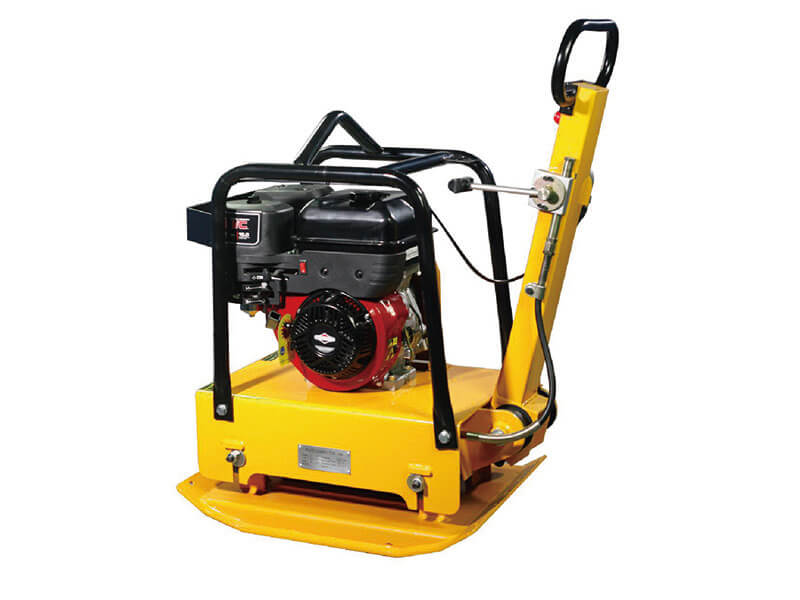
Related Articles
Trowel machines: Introduction, types, working mechanism and buying guide how to achieve a professional finish with a power float power trowel manufacturer list what equipment do you need to pour a concrete sidewalk the complete guide to concrete helicopterRelated Products