04Dec 2025
table of contents
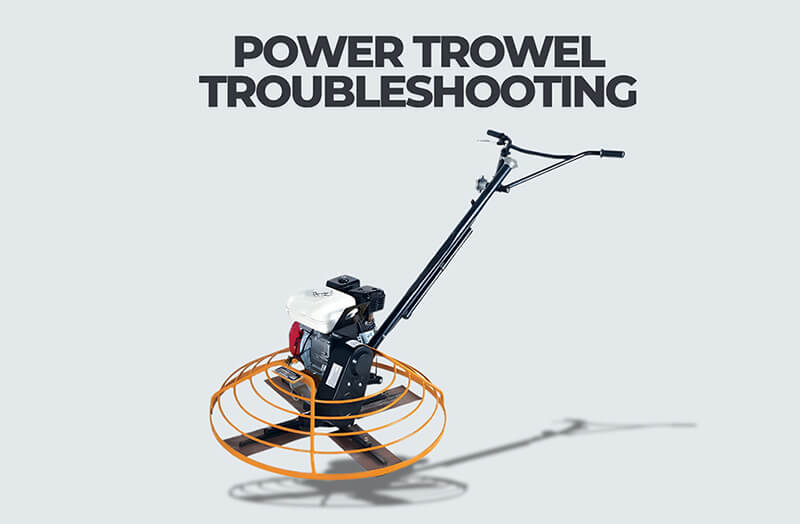
Power trowels are essential for achieving smooth, level, and durable concrete surfaces. They save time and effort while providing a professional finish to floors, pavements, and industrial slabs. Like any machine, they can encounter problems that slow work and affect the quality of your finish.
Effective troubleshooting helps maintain consistent results, avoid costly downtime, and extend equipment life. Whether you're a contractor, site manager, or operator, knowing how to troubleshoot a power trowel ensures uninterrupted operation and superior concrete finishes.
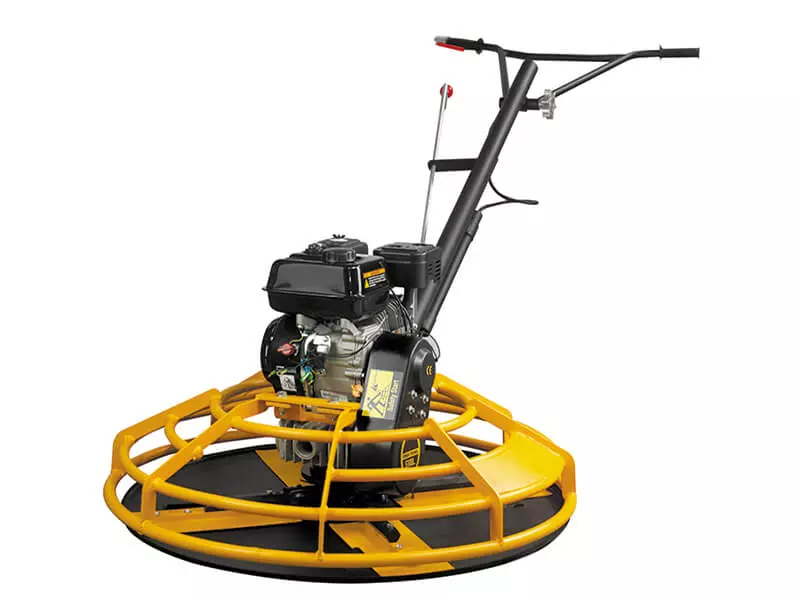
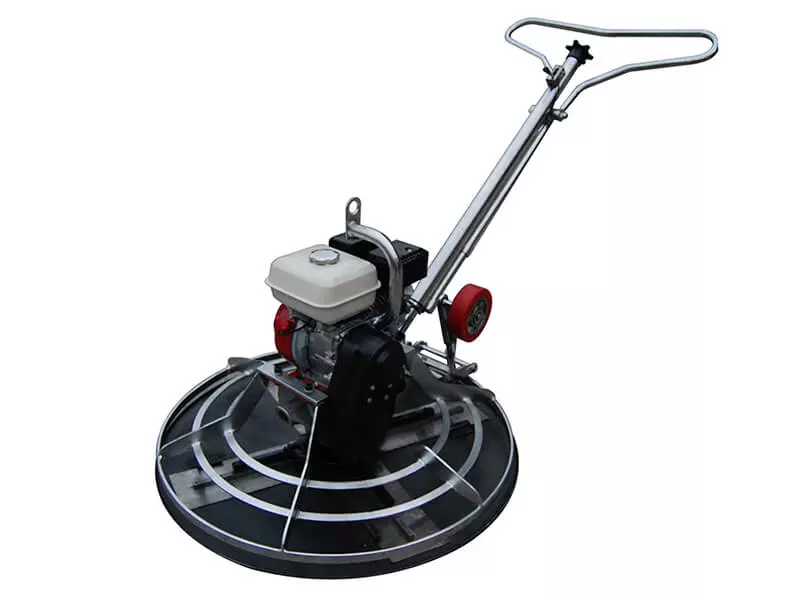
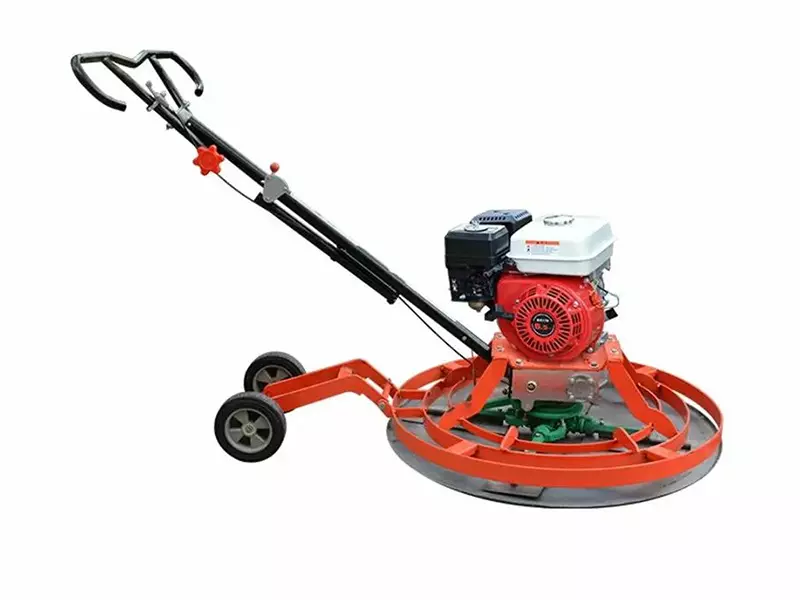
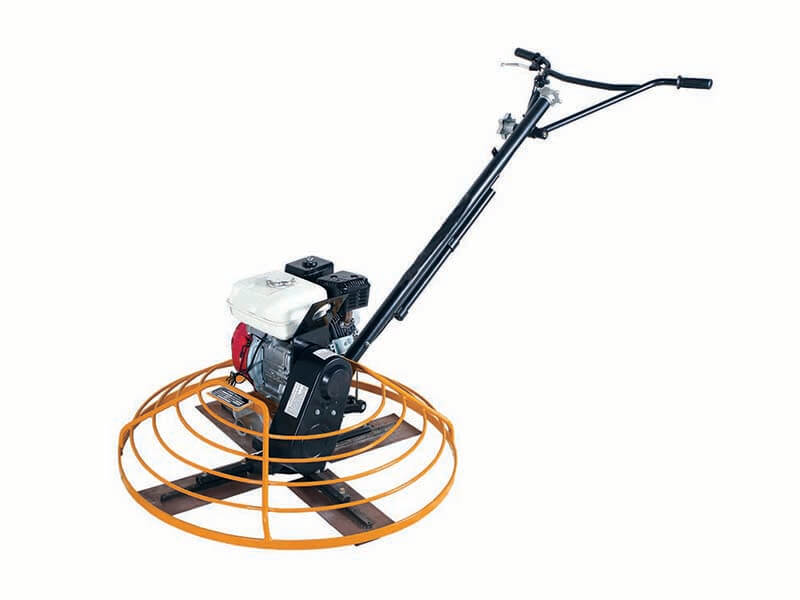
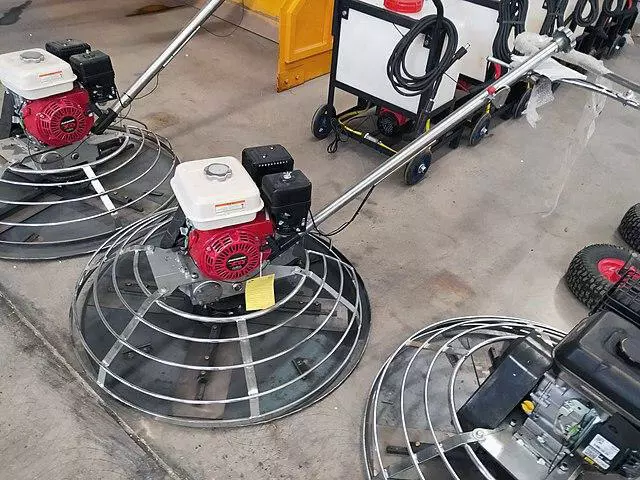
A power trowel is a motorized concrete finishing machine designed to smooth, compact, and polish freshly poured concrete. It uses rotating blades powered by a gasoline engine or electric motor, allowing it to cover larger areas faster and more efficiently than manual tools.
Power trowels are commonly used in construction projects—such as floors, pavements, warehouses, and commercial buildings—where a durable, flat finish is required. There are two main types:
Walk-behind power trowels: operated by walking behind the machine, ideal for small to medium-sized areas.
Ride-on power trowels: larger models with dual rotors and operator seats, suited for large surfaces and high productivity.
The machine's effectiveness depends on blade type, pitch adjustment, balance, and motor efficiency. When used correctly, a power trowel delivers a uniform, professional finish that enhances both the strength and appearance of concrete.
Power trowels are exposed to heavy workloads and harsh conditions, which can cause mechanical wear, operator errors, or maintenance issues over time. Knowing common problems and how to fix them can save time, reduce costs, and ensure consistent, high-quality concrete finishes.
Engine troubleshooting
Possible causes: low or poor-quality fuel, clogged fuel filter or line, defective spark plug, dirty air filter, carburetor blockage, or low battery (for electric-start models).
Solutions:
Check and replace stale or contaminated fuel.
Clean or replace the spark plug.
Clean or replace the air filter for proper airflow.
Inspect fuel filter and lines for obstructions.
Clean carburetor jets and bowl with carburetor cleaner.
Recharge or replace the battery if needed.
Using fresh fuel and keeping filters clean prevents most starting issues.
Possible causes: blocked fuel flow or vent, incorrect choke setting, dirty carburetor, or low idle speed.
Solutions:
Adjust the choke gradually as the engine warms up.
Clean carburetor jets and passages.
Ensure the fuel cap vent is clear.
Adjust the idle screw for smooth operation.
Frequent stalling is usually caused by fuel or air supply problems—keeping these components clean ensures consistent performance.
Possible causes: low oil level, dirty cooling fans, poor airflow, or extended heavy use in hot conditions.
Solutions:
Check and refill or change the oil.
Clean cooling fans and air passages regularly.
Ensure ventilation holes are free from debris.
Operate in shorter intervals or shade the machine during hot weather.
Persistent overheating may indicate serious mechanical issues that require professional inspection.
Following these steps resolves most engine problems, keeping your power trowel running efficiently, safely, and reliably.
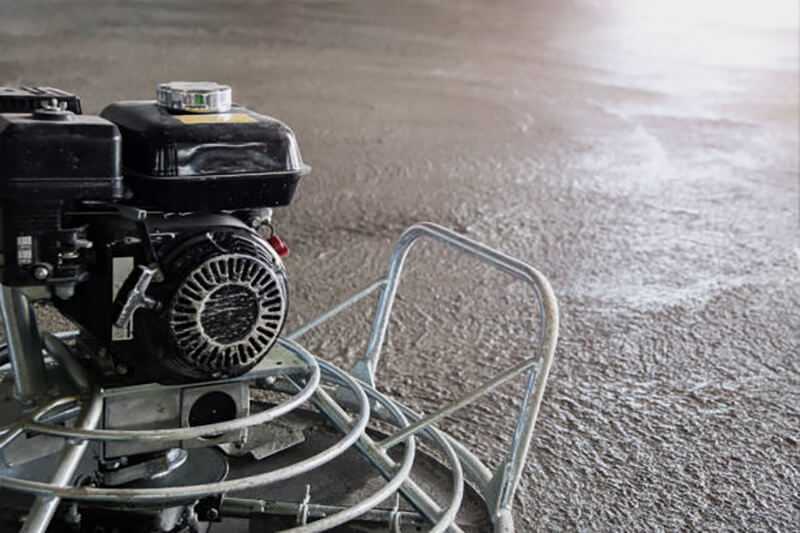
Excessive vibration makes the machine harder to control and can affect concrete quality. It usually results from unbalanced or damaged parts, loose hardware, or misalignment.
Possible causes: unbalanced or bent blades, loose bolts or mounting hardware, worn bearings, damaged gearbox, misaligned or bent rotor.
Troubleshooting steps:
Ensure all blades are uniform in size and shape, securely fastened, and free of damage or uneven wear. Replace if necessary.
Tighten all bolts, especially around the rotor assembly.
Check bearings for wear and replace if needed.
Listen for gearbox grinding sounds and inspect for internal damage.
Balance or repair the rotor assembly if vibration persists.
Ignoring vibration can cause serious structural damage and reduce the machine's lifespan.
Slow or non-rotating blades often indicate drive system or blade issues.
Possible causes: worn or loose drive belt, faulty clutch or gearbox, damaged drive shaft, engine running below full speed, bent or worn blades.
Troubleshooting steps:
Inspect and tighten the drive belt; replace if cracked or frayed.
Check the clutch and replace slipping or damaged components.
Inspect the gearbox output shaft for damage.
Verify engine rpm and ensure carburetor and filters are clean.
Replace bent or excessively worn blades.
Possible cause: debris blocking the control linkage.
Troubleshooting steps:
Remove any debris from the linkage.
Lubricate the spider assembly to ensure smooth movement.
Possible causes: concrete too wet or blade pitch too high.
Solutions:
Wait for concrete to firm slightly before finishing.
Reduce blade pitch to allow smooth gliding.
Possible causes: uneven blade pitch, worn/damaged blades, concrete too dry, wrong blade type, or operator technique.
Solutions:
Adjust all blade pitches evenly.
Replace worn or damaged blades.
Lightly mist dry concrete to help the trowel glide.
Use float blades for initial passes and finish blades for final smoothing.
Follow consistent overlapping paths and proper timing.
Possible causes: clogged air/fuel filters, incorrect carburetor adjustment, worn spark plug, overloaded machine, or engine overheating.
Solutions:
Clean or replace air and fuel filters.
Adjust carburetor mixture.
Replace worn spark plugs.
Avoid overloading the trowel on wet concrete.
Allow the engine to cool between sessions.
Possible causes: clogged fuel line or dirty carburetor jets.
Solutions:
Clean fuel lines for proper flow.
Remove and clean carburetor jets to restore fuel and air delivery.
Possible causes: worn clutch shoes or springs, oil on clutch drum, misaligned belt or pulley.
Solutions:
Clean clutch drum and shoes to remove oil.
Replace worn clutch components.
Check pulley alignment for even wear.
Possible causes: low or contaminated oil, worn gears/bearings, or lack of lubrication.
Solutions:
Check and refill gearbox oil with recommended lubricant.
Replace dirty or contaminated oil.
Listen for grinding or knocking sounds indicating damage.
Replace worn gears or bearings immediately.
Possible causes: loose handle connection, faulty pitch control lever, worn throttle cable, or uneven weight distribution.
Solutions:
Tighten handle bolts and mounts.
Ensure smooth operation of the pitch control lever.
Replace or lubricate throttle cables.
Adjust counterweight for better balance.
Proper troubleshooting keeps your power trowel running smoothly, ensures operator safety, and delivers a professional concrete finish.
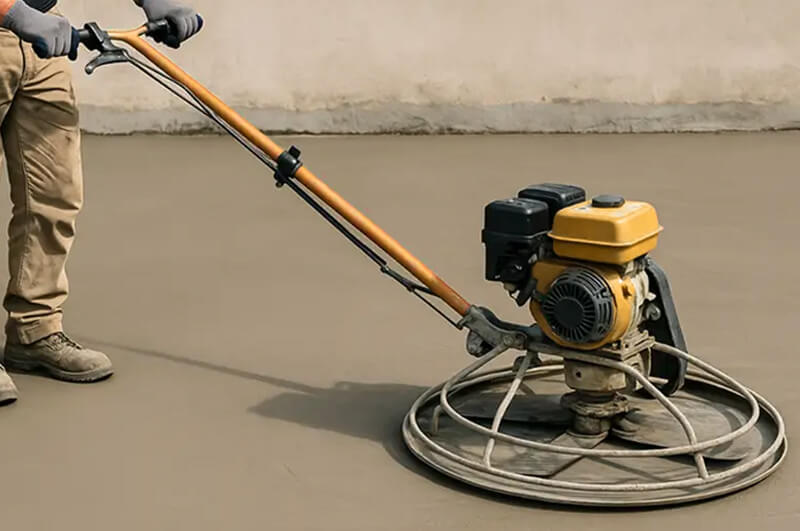
Power trowels contain sharp blades, powerful engines, and moving parts, so following safety precautions is essential to prevent injury and equipment damage.
Key safety guidelines:
Shut off the engine: always turn off the engine and disconnect the spark plug wire before inspecting or repairing.
Allow the machine to cool: wait for the engine and gearbox to cool to avoid burns.
Wear protective gear: use gloves, safety glasses, sturdy shoes, and ear protection. Keep hands and tools clear of blades.
Work in a ventilated area: gas-powered trowels emit carbon monoxide; always operate outdoors or in well-ventilated spaces.
Use manufacturer-approved parts: avoid substitutes that may compromise safety or performance.
Secure the machine: place on a flat, stable surface. Engage parking brakes on ride-on models.
Check for fuel leaks: inspect lines and tanks before restarting; clean spills immediately.
Avoid loose clothing and jewelry: prevent entanglement in moving parts.
Safely test repairs: keep bystanders away, start the engine slowly, and observe blade operation.
Consistently following these practices ensures safe troubleshooting and protects both the operator and equipment.
Some issues require trained technicians to ensure safety, proper repair, and warranty compliance. Seek professional help in these situations:
Persistent engine problems: stalling, misfires, or failure to start may indicate damaged valves, worn pistons, or ignition issues.
Gearbox noise or leaks: grinding, knocking, or persistent oil leaks require disassembly and professional inspection.
Clutch or drive system failure: slipping or uneven clutch engagement may need specialized alignment or internal component replacement.
Electrical or starter issues: weak batteries, faulty solenoids, or wiring faults on electric-start models should be professionally handled.
Severe vibration or structural damage: excessive vibration after balancing may indicate a bent shaft or misaligned rotor.
Hydraulic or control system failure (ride-on models): complex systems like hydraulic steering, dual-rotor synchronization, or electronic controls require trained technicians.
Warranty or major overhaul requirements: authorized service ensures warranty validity and professional documentation.
Knowing when to call a professional keeps your power trowel safe, reliable, and efficient while preventing costly mistakes.
Key reasons to maintain your power trowel:
Timely inspections and part replacements reduce mechanical failures, keeping your machine ready and projects on schedule.
Balanced blades and smooth rotation produce uniform concrete surfaces free of marks or streaks.
Lubricating moving parts, cleaning after use, and monitoring wear prevent major damage and prolong the machine’s lifespan.
Regular checks for loose bolts, damaged blades, or faulty clutches prevent dangerous operating conditions.
A clean, well-adjusted engine, belt, and gearbox improve fuel efficiency and overall performance.
Regular maintenance is essential to keep a power trowel in top condition and ensure reliable, efficient performance. Operating in harsh construction environments—exposed to dust, debris, and concrete residue—makes routine care critical to prevent premature wear and unexpected breakdowns. Just a few minutes of daily maintenance can save hours of repair later.
Check fuel and oil: ensure fuel is fresh and oil is clean, at the correct level, and suitable for your engine. Dirty or low fluids can reduce performance or damage the engine.
Inspect belts and pulleys: look for cracks, fraying, or wear, and verify proper tension. Ensure pulleys are clean, aligned, and free of debris to prevent inefficiency or belt damage.
Examine blades: check for chips, cracks, or bends, and ensure they are securely fastened. Test the pitch adjustment mechanism to confirm smooth movement and proper locking for consistent finishes.
Inspect hardware and guards: tighten loose nuts, bolts, and guards, and replace any worn or damaged components. Vibration can loosen parts over time, which may affect safety and machine performance.
Performing these pre-checks prevents common problems, ensures safer operation, and keeps your power trowel running efficiently for a smooth, professional concrete finish.
Excessive vibration is usually caused by unbalanced or bent blades, loose bolts, worn bearings, or a misaligned rotor. Tighten all hardware, replace damaged blades, and inspect bearings or the gearbox for wear.
Check the fuel level, spark plugs, and air filter, ensuring the fuel is fresh. Clean the carburetor and inspect fuel lines for blockages. For electric-start models, make sure the battery is fully charged.
Engine oil should be changed every 25–50 hours of use, depending on the manufacturer. Gearbox oil typically requires replacement every 100 hours or monthly during heavy operation.
Uneven blade pitch, worn blades, or using the wrong blade type can cause marks. Adjust blade pitch evenly and use float blades for initial passes and finish blades for final smoothing.
Clogged air or fuel filters, dirty carburetors, worn spark plugs, or overheating are common causes. Cleaning or replacing these components usually restores performance.
Regular troubleshooting is essential to keep your power trowel safe, efficient, and long-lasting. By identifying issues early, addressing them promptly, and following proper safety procedures, you can avoid costly downtime and ensure smoother, more efficient work. A well-maintained power trowel delivers consistent, high-quality concrete finishes.
For reliable performance and durability, choose a high-quality power trowel from BISON. A trusted machine makes your work faster, easier, and ensures professional results every time.
inquiry form here
BISON BLOG, All the latest news and views from Bison Machinery.
what's hot?
Related Articles
Trowel machines: Introduction, types, working mechanism and buying guide how to achieve a professional finish with a power float power trowel manufacturer list what equipment do you need to pour a concrete sidewalk the complete guide to concrete helicopterRelated Products