29Oct 2025
table of contents

Mixing concrete is critical in any construction project, whether laying a foundation, building a driveway, or installing a patio. While it can be done manually, using a concrete mixer provides efficiency, consistency, and precision in achieving the right mix.
Before mixing concrete in the mixer, it’s essential to understand the basic components that make up concrete. Concrete is a composite material that hardens over time and is used in various construction projects. You can make a more powerful, long-lasting mixture if you understand the function of each ingredient. Let’s break down the main components of concrete:
Cement is the primary binding material in concrete. It holds all the ingredients together and enables the mix to set and harden. Cement reacts with water in a chemical process called hydration, causing it to harden over time. Portland cement, which is composed of clay, limestone, and other minerals, is the most widely used type of cement.
The type and quality of cement you use can greatly impact concrete's strength and durability. Strong concrete may require higher-quality or specialty cement. When mixing concrete, it is essential to use the correct amount of cement to ensure the mixture maintains its integrity and can withstand the stresses once it sets.
Aggregates are inert materials mixed with cement and water to form concrete. They provide volume and strength to the mixture. Concrete uses two different kinds of aggregates:
Fine aggregates: Like sand, these are tiny granules. Fine aggregates fill the spaces between larger particles in the mix, contributing to a smooth and workable texture.
Coarse aggregates: Crushed stone or gravel are large particles that give the combination volume and strength. Coarse aggregates typically comprise about 60-75% of the volume of a concrete mix.
Water is essential in concrete mixing because it activates the cement, allowing it to hydrate and harden. The amount of water used directly affects the concrete's consistency, workability, and strength.
Concrete mixes are usually measured by the water-to-cement ratio, which determines how much water is added compared to the amount of cement. The lower the water-to-cement ratio, the stronger the concrete will be. However, too little water will make the concrete difficult to work with, while too much water will weaken the final product.
Water also impacts the curing process. The concrete must be kept moist to avoid early drying, which can result in cracks or other flaws.
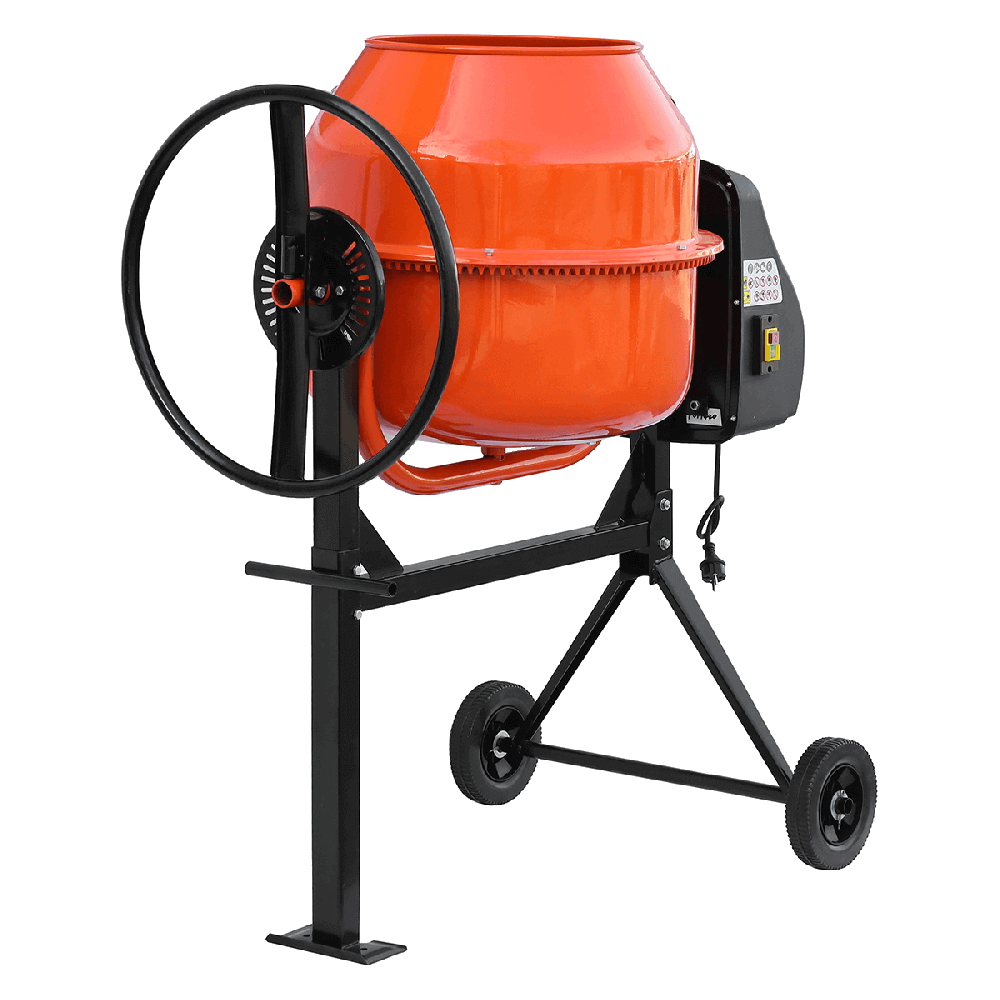
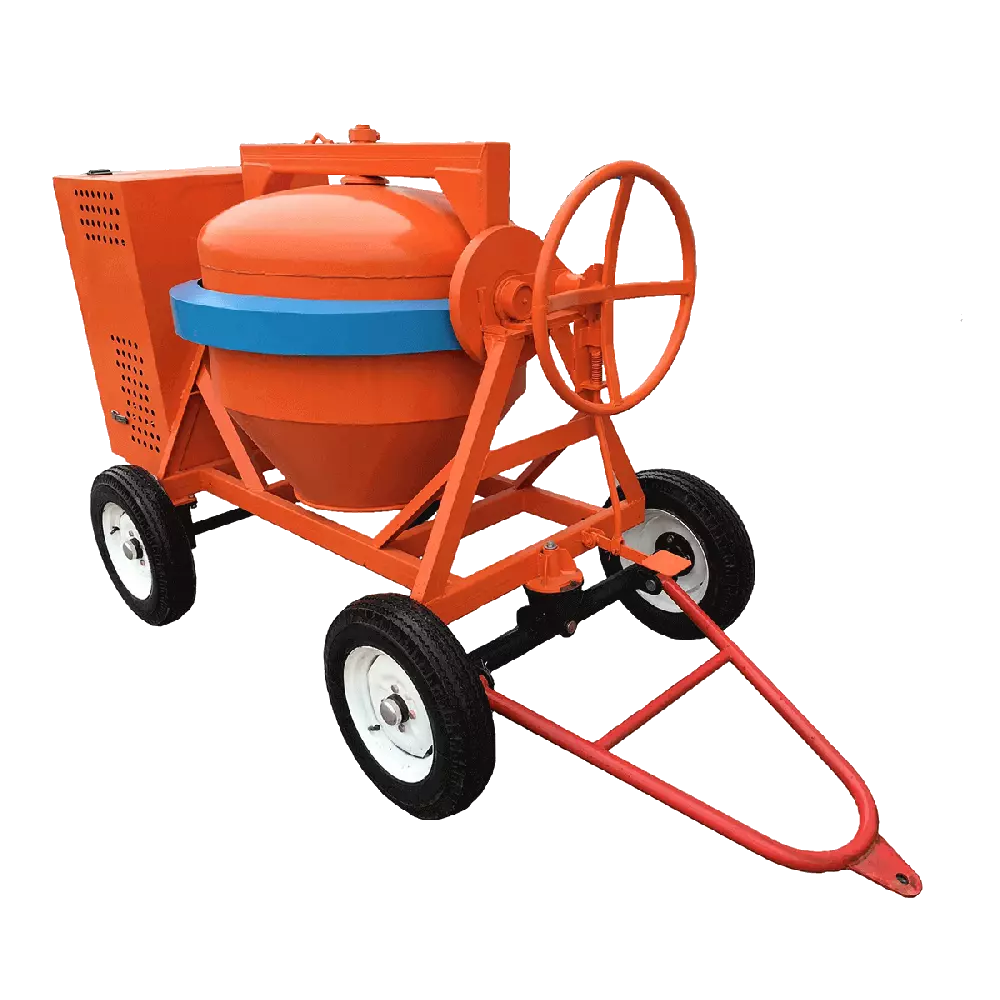
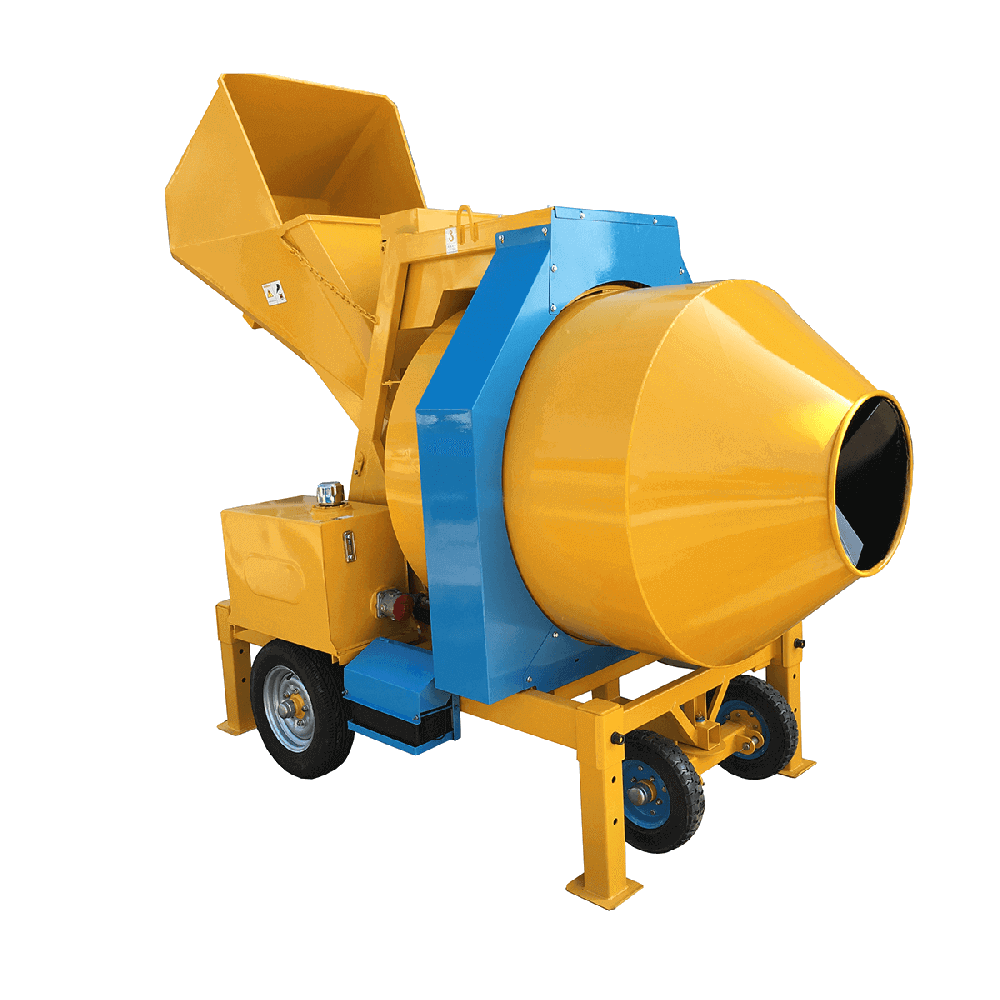
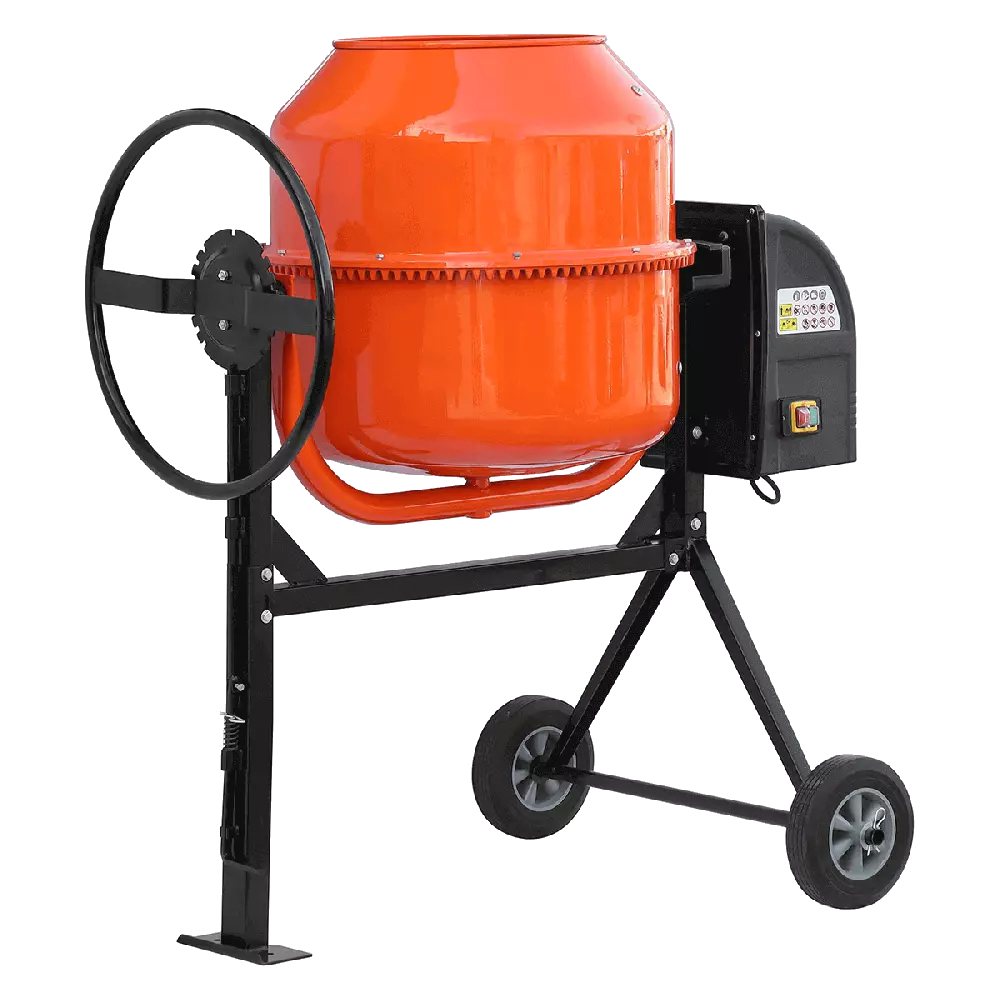
Choosing the right concrete mixer machine is crucial to achieving the best results for your project. There are different types of mixers to consider, each with its strengths depending on the scope of your work. BISON shall examine the two primary varieties of concrete mixers below and assist you in selecting the one that best suits your requirements.
These are the most widely used concrete mixers. They consist of a revolving drum that rotates, mixing the materials. Drum mixers are available in a range of sizes, from little portable units to huge truck-mounted mixers for bigger projects. They are ideal for mixing large batches of concrete and are commonly used in residential and commercial construction.
Paddle mixers use rotating paddles to mix concrete ingredients. They are typically used for smaller batches, such as in DIY projects or for mixing concrete in small volumes. They are less potent than drum mixers but can still provide good results for tasks such as applying grout, filling small holes, or creating decorative concrete pieces.
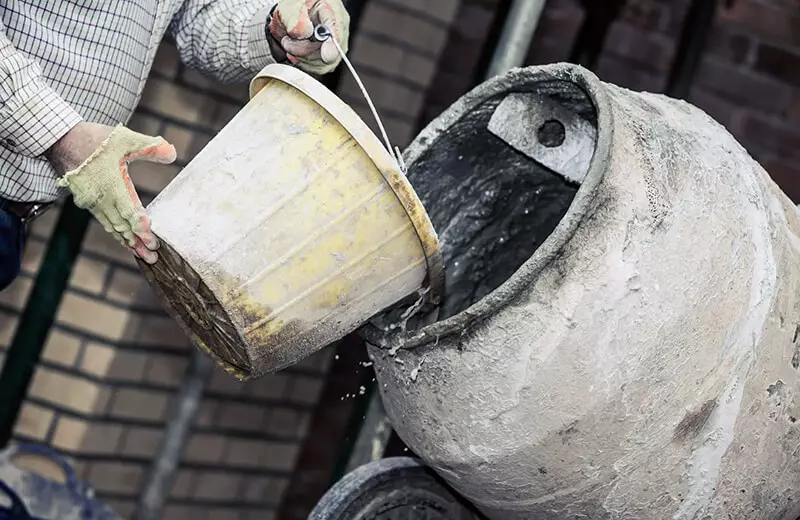
Proper preparation before starting the concrete mixer ensures a smooth and efficient process. Organizing your materials and equipment ahead of time can help prevent delays in mixing and pouring.
Clear the area where you will be mixing the concrete, ensuring there are no obstacles. Ensure the ground is level to prevent the mixer from tipping during operation. You will need a stable surface that allows easy loading and unloading of materials.
Before you begin, make sure you have all of the necessary ingredients:
Cement.
Sand and gravel (aggregate).
Water.
Admixture (if needed).
Tools include a shovel, a wheelbarrow, a bucket for water, and safety equipment such as gloves, goggles, and a dust mask.
Having everything in place before mixing will save time and prevent mistakes.
The appropriate proportions are essential for a good concrete mix. Concrete is typically mixed with one portion of cement, two portions of sand, and three portions of gravel or coarse aggregate, with a water-to-cement ratio of about 50%. The precise ratios, however, may change based on your project's requirements.
Cement: Measure cement using a shovel or bucket. Make sure it is level to ensure the correct ratio.
Sand: Measure sand similarly, using a shovel or bucket. The sand should be clean and free of impurities.
Gravel or coarse aggregate: Measure gravel in the same way. Coarse aggregates vary in size, so adjust based on what you need for your project.
Water: The amount of water needed depends on the consistency of the mix. A general rule of thumb is that you need half the weight of cement in water.
Accurate measurements ensure the concrete mix achieves the desired strength and workability.
Now that you have gathered your materials and measured the ingredients, it is time to mix the concrete. The process is straightforward, but timing and proportions are key to achieving a uniform mixture.
Start the mixer: Always turn on the mixer before adding any ingredients to ensure it is ready to mix.
Add cement: Add the cement to the mixer first. This allows the cement to begin reacting with the water once incorporated.
Add aggregates: Slowly add sand and gravel to the drum. This will help ensure an even distribution of the materials.
Add water: Add water to the mixture gradually, not all at once. Let the mixer run for a few minutes to check the consistency before adding more water.
After adding all the ingredients, let the mixer run for 3 to 5 minutes. You should see that the materials are mixed well and forming a consistent mixture.
The consistency of the concrete is essential for its ability to flow and spread, but not so wet that it becomes weak or unmanageable.
Too dry: If the mixture is too stiff and not flowing correctly, add small amounts of water, one cup at a time. Let the mixer run between additions to distribute the water evenly.
Too wet: If the concrete is too watery and flowing, add more sand and gravel. This will absorb the excess moisture and restore balance to the mix.
The correct consistency is smooth, workable, and does not run. When concrete is placed in molds or forms, it should hold its shape, but still be easy to spread and level.
Once the concrete is mixed, it is essential to check that it has the right consistency. The perfect mix should be easy to spread without being too dry or runny.
Appearance: The mix should have a smooth, wet texture. It should be thick enough to hold its shape when placed in a shovel or mold, but still be drinkable.
Flow: Scoop out some of the mix and check if it spreads easily. The concrete should not separate or be challenging to work with.
By checking these characteristics, you will ensure your concrete is ready to pour and use.
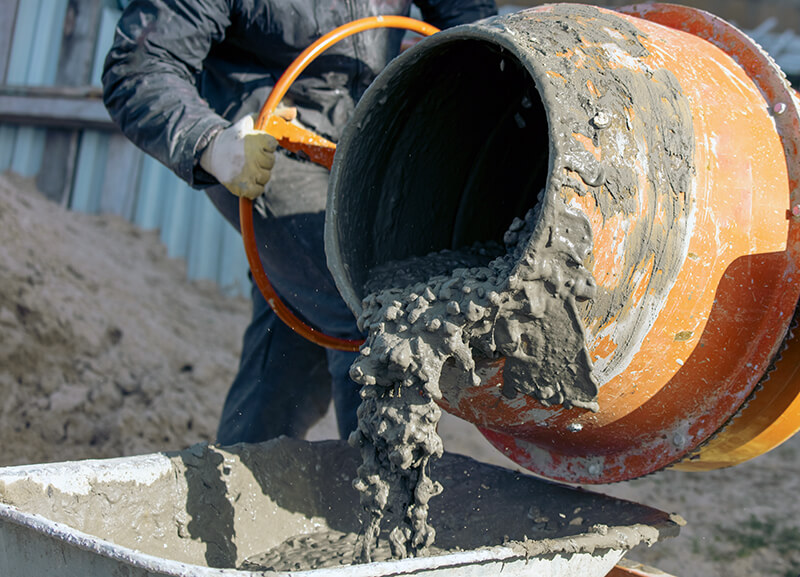
To avoid common mistakes and ensure high-quality concrete, here are some helpful tips:
Mixing small batches ensures consistent results and makes the concrete more straightforward to handle. Large batches can be challenging to mix evenly, leading to inconsistencies.
Clean the mixer thoroughly after each use. Concrete can harden quickly inside the drum, making it difficult to clean. Cleaning the portable concrete mixer immediately ensures it is ready for your subsequent use, without residue interfering with your next batch.
Overmixing can break down the aggregates and weaken the concrete. Mix for only a few minutes after all ingredients have been added. If you continue mixing for too long, it can damage the aggregates, affecting the strength and durability of the concrete.
Even experienced workers can make mistakes during the mixing process. Here are some common issues to watch out for:
Always double-check the proportions of cement, sand, gravel, and water. Incorrect proportions can result in concrete that is either too weak or too difficult to work with.
Adding too much water to the mix is easy, but this weakens the concrete. Add water slowly and check the consistency.
Never use a mixer or tools that have residue from previous batches of concrete. Old concrete can contaminate the new mix, affecting strength and quality.
Considering these potential problems, you can avoid mistakes affecting your project.
Once the concrete is ready, you should use it before it sets. Concrete usually hardens within 30 minutes to an hour, depending on the weather and mix. Work efficiently to ensure you pour and level the concrete while it is still workable.
Small projects: Mixing and pouring concrete in batches is easier for small jobs, like patio slabs or stepping stones.
Large projects: Plan for larger projects, like foundations or driveways, to ensure the concrete is poured and leveled promptly.
If you wait too long to pour the concrete, it will harden in the mixer, making it nearly impossible to use.
Yes, concrete can be mixed by hand, but using a mixer saves time and ensures a more consistent mix, especially for larger projects. Hand mixing is best for small jobs, such as patching cracks or filling small holes.
Typically, concrete should be mixed for 3-5 minutes after all ingredients are added. The key is to ensure that the cement, water, and aggregates are thoroughly combined and uniform. Overmixing can break down the aggregates, weakening the concrete.
The perfect consistency is smooth, workable, and slightly damp but not too wet. To test, take a handful of the mixture. It should hold its shape and not fall apart easily, but still be easy to work with. If it is too dry, add a small amount of water. If it is too wet, add more sand or gravel.
Yes, it is necessary to clean your concrete mixer after each use. If concrete is left to harden inside the drum, it can cause blockages or affect future mixes. Clean the mixer by washing the drum immediately after use and scraping off any hardened concrete.
Yes, additives and admixtures can be added to change concrete's properties. For example, plasticizers increase the mix's workability without adding additional water, while accelerators speed up the curing time. When using these products, always follow the manufacturer's instructions to achieve the desired results.
Mixing concrete in a mixer can be straightforward if you understand the ingredients, tools, and techniques. With the proper preparation, equipment, and attention to detail, you can create the perfect concrete mix for any project, large or small. Remember, the key is to get the proportions right, ensure the proper consistency, and use the concrete promptly after mixing. By following these steps, you'll be on your way to achieving durable, high-quality concrete results every time.
inquiry form here
BISON BLOG, All the latest news and views from Bison Machinery.
what's hot?




Related Articles
what equipment do you need to pour a concrete sidewalk mix concrete in a mixer how to clean a concrete mixerRelated Products