22May 2024
table of contents
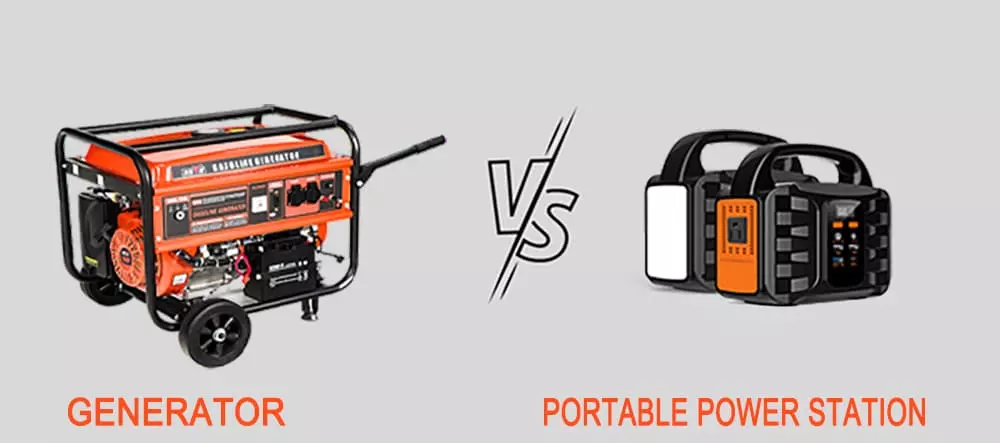
In our progressively interconnected universe, dependable energy has transcended from being a mere luxury to becoming an essential requirement. Central to supplying this indispensable energy stand two principal apparatus - generators and portable power stations. These machines steadfastly provide our alternate power solutions, poised to supply electricity during our utmost needs - be it an adventurous camping endeavor or an unexpected blackout at home.
Despite the shared goal of electric generators and portable power stations to supply power, the two present a number of notable contrasts. Continue ahead for a comprehensive understanding of the advantages, drawbacks, and distinctions that could influence your decision in selecting the most apt device for your requirements.
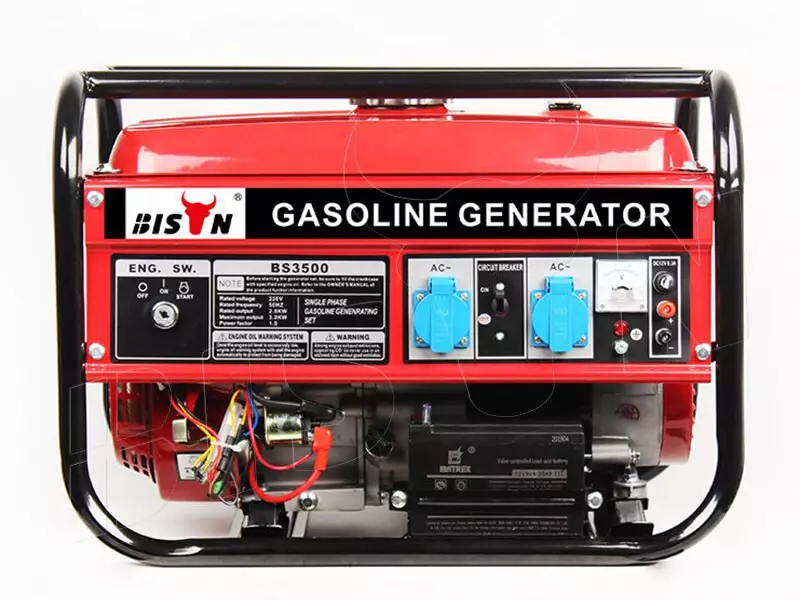
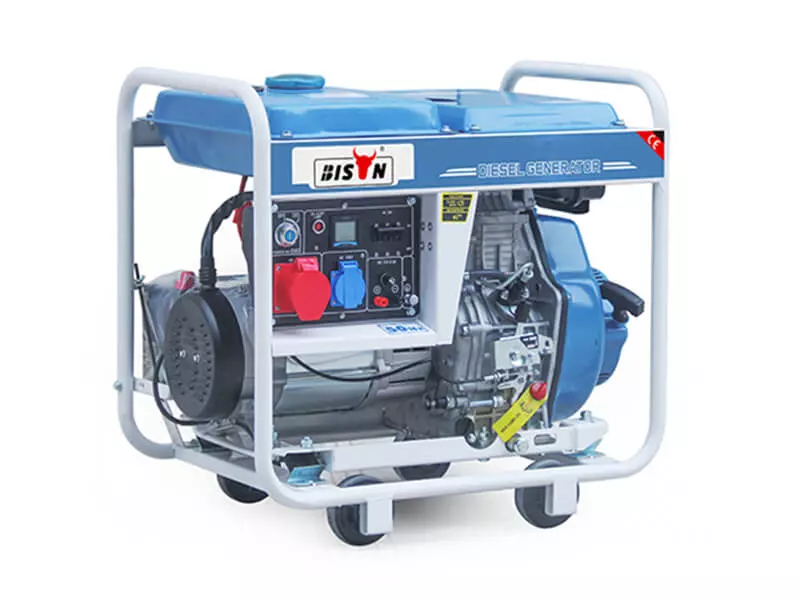
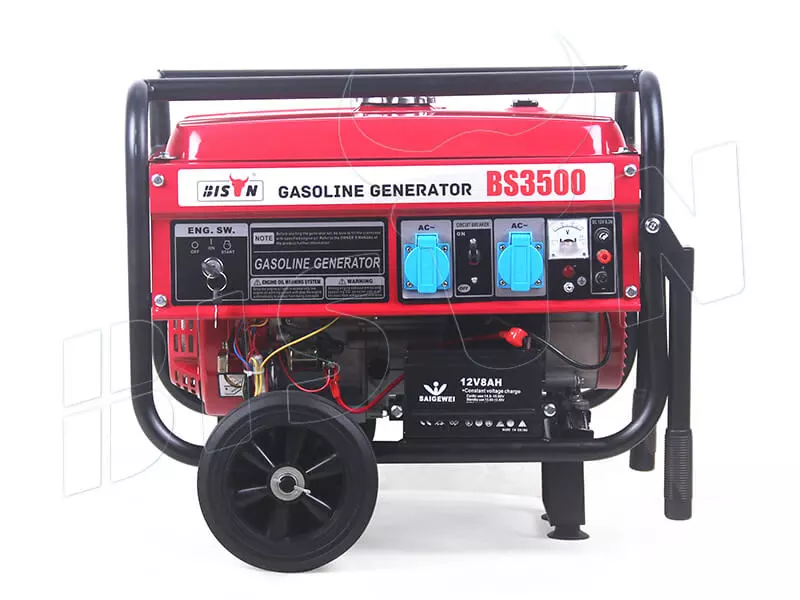
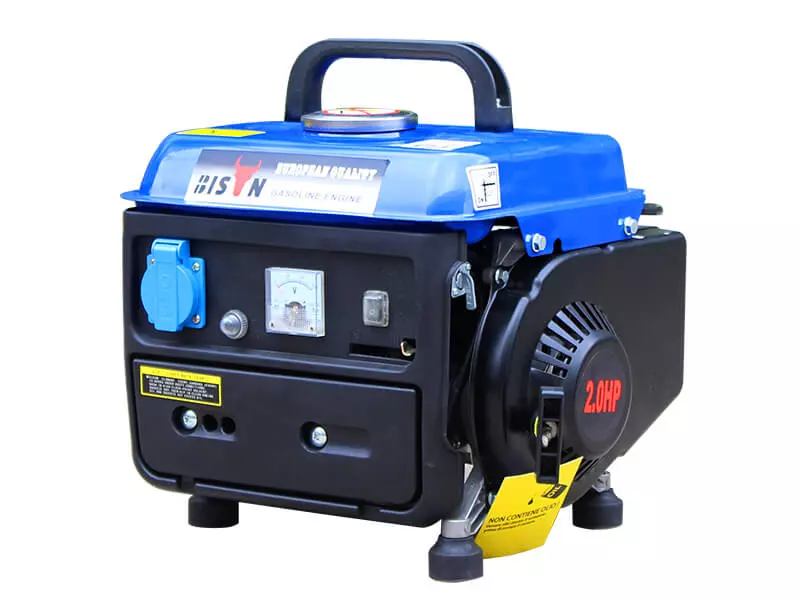
Generator converts mechanical energy obtained from an external source into electrical energy as its output. The process is understood through the principles of electromagnetic induction, and generators can utilize various fuel sources such as gasoline, diesel, propane, or natural gas. Think of it as a small engine with spinning magnets that produces the electricity you need.
Generators offer a powerful power solution and typically have a low initial cost, but they do have some drawbacks.
Pros
High power output: Generators manage greater power needs compared to portable power stations, ideal for high power tools.
Extended operation: Generators can operate for extended periods with a steady fuel supply, outlasting portable power stations on a single charge.
Affordable purchase price: Typically, generators cost less initially than equally powerful portable power stations.
Widely available fuel: Gasoline commonly used for fuel, are easily obtainable in many regions.
Cons
Noise pollution: Generators are noisy and not ideal for quiet spots like campgrounds or certain neighborhoods.
Emissions: They emit dangerous exhaust, including carbon monoxide, and need good ventilation.
Maintenance: Regular upkeep like oil changes and spark plug replacements is necessary.
Fuel costs: Fuel expenses can become significant over time.
Construction sites: Supply power for tools and equipment.
Home emergency backup power: During extended power outages.
RV and marine power: Provide reliable power on the road or on the water.
Large events: Power lights, sound systems and additional equipment.

Portable power stations, often called solar generators or battery-powered generators, typically provide electricity by converting stored battery power into alternating current, is a giant rechargeable battery. Available in a variety of output options, including AC outlets, USB ports and DC ports.
Portable power stations prioritize clean, quiet operation, and portability, but typically have a higher initial cost.
Pros
Quiet operation: Portable power stations run silently, perfect for noise sensitive areas like campsites or indoors during blackouts.
Clean energy: Portable power stations emit no pollutants, offering a greener alternative as they don't use combustion.
Portability and ease of use: These units are built for easy transport and simple operation, featuring sleek, user friendly designs.
Low maintenance: Requiring far less upkeep than generators, portable power stations are low maintenance options.
Cons
Limited run time: Run time depends on battery capacity and power consumption, and may be limited compared to generators with a continuous fuel source.
Higher initial cost: Portable power stations usually cost more initially than similar generators.
Recharge duration: Refilling a portable power station can take several hours, based on the battery size and charging method.
Camping and outdoor activities: Power lights, phones and small appliances.
Home backup power for basic devices: During short term power outages.
Off-grid living and RV living: Power basic appliances and devices.
Tailgate parties and picnics: Power small appliances and entertainment systems.

| Features | Generators | Portable Power Stations |
| Energy | Diesel, gasoline, propane as fuel | Battery powered, usually charged by solar energy |
| Power range | Varies, but generally higher output to power larger devices and systems | Less variables, lower output - ideal for small electronics |
| Run Time | Longer as long as there is fuel | Limited until the battery is completely drained |
| Noise level | Typically loud, depending on model and fuel type | Virtually silent |
| Emissions | Greenhouse gas emissions | No direct emissions |
| Maintenance | Requires regular maintenance, especially with gasoline or diesel generators | Requires little maintenance other than regular battery care |
| Portability | Larger models are bulky; smaller models are portable but still heavy | Usually lightweight and compact |
| Cost | Lower initial cost; higher operating costs due to fuel prices | Higher initial cost; lower operating costs as solar or grid charging can be used |
| Easy to use | More complex, may require knowledge to operate and maintain | Generally easy to use, usually plug and play, does not require much knowledge of electrical systems |
In the comparison between generator and portable power stations, it's not a given that one substantially outperforms the other. While both provide power, they are suitable for different situations. When choosing to purchase, it is important to consider several factors. These include:
Applications: Consider what devices or systems you plan to power. Should you require to fuel substantial appliances or your entire household during a blackout, the elevated power delivery of a generator might be essential. Conversely, for charging less power-intensive devices like laptops, smartphones, or compact refrigerators, a portable power station can effectively meet your needs.
Power output: This is closely related to the scope of application. Determine the energy needs of your equipment. If your requirements exceed what a portable power station can offer, you may have to consider generator. That said, power stations are excellent for smaller loads, especially if silence or portability is a concern.
Power duration: How long do you need power to last? If power outages or travel periods are long-lasting or last for days at a time, a generator may be a better choice as you can keep your fuel supply going. Portable power stations provide limited power until recharged.
Budget: Generators generally have lower upfront costs, but require the purchase of fuel, which is an ongoing expense. Portable power stations, on the other hand, have higher initial costs but low operating costs. Portable power station necessitates less maintenance compared to a generator. Either in terms of your time commitment or financial expenditure, it's need less cost.
Environmental requirements: If your goal is to lower your environmental impact, a portable power station appears to be the perfect choice since it neither gives off direct emissions nor precludes the use of renewable energy for its charging. Furthermore, if you reside in a serene environment, or if noise levels are a concern either for camping or living in a quiet zone, the low operational noise of a portable power station can be a major benefit.
Ease of use: If you prefer a device that is easier and safer to operate, portable power station with simple plug-and-play operation may be a better choice.
Choosing a generator or portable power station depends on your needs. If you need higher output and sustained power, generator is the best choice. Alternatively, if your requirements lean towards a mobile unit with low power output, a portable power station would be the right fit.
BISON has an array of top-notch generators at your disposal, including portable generator and inverter generators among others, guaranteeing you'll have power precisely when it's needed. Don't hesitate to reach out to us today for any additional insights or inquiries.
inquiry form here
BISON BLOG, All the latest news and views from Bison Machinery.
what's hot?
Related Articles
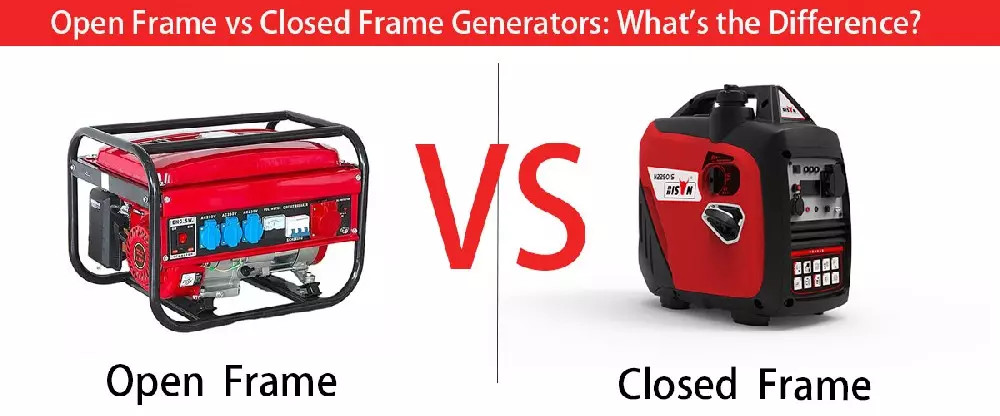
Open Frame vs Closed Frame Generators: What's the Difference? Generator Backfires why is my generator draining oil what is reverse power protection in a generator does my generator have a bonded or floating neutral?Related Products