14Oct 2025
table of contents
Camping is about enjoying nature without giving up everyday comforts—and that's where portable generators truly shine. With a single compact unit, you can light up your campsite, cook with ease, and keep devices charged, making outdoor life more convenient. But in an open environment, generators are also exposed to risks like theft, damage, and accidents.
That's why generator security isn't just about protecting your investment—it's about ensuring safety, reliability, and peace of mind. As a professional generator manufacturer in China, BISON shares essential tips and practical methods to keep your generator safe while camping, so you can focus on enjoying the experience without worry.
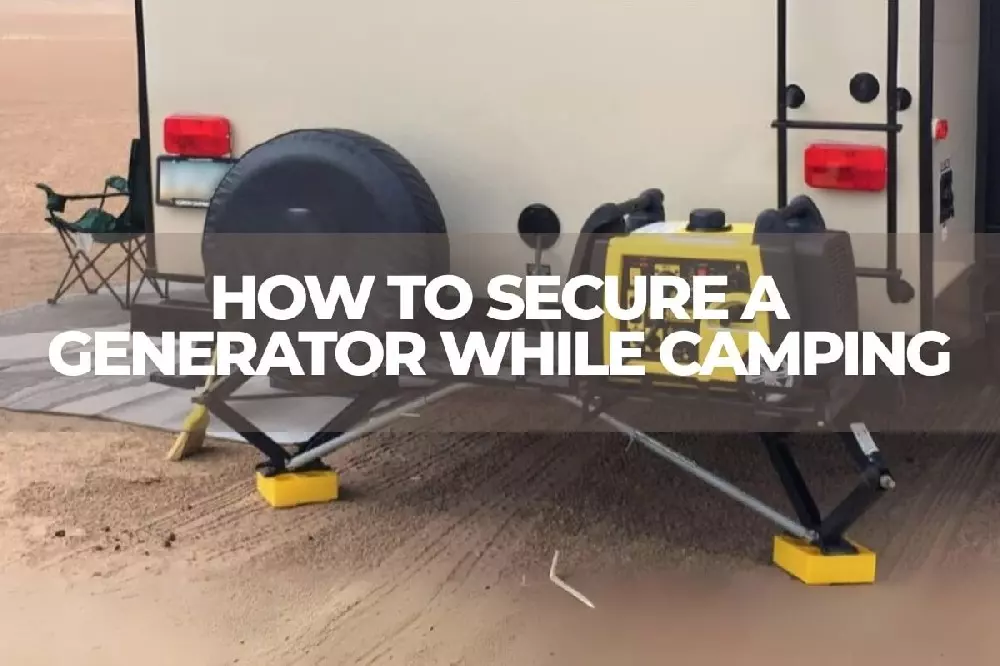
Proper placement of your generator ensures safety, performance, and peace of mind while camping. Consider the following guidelines when setting up your unit:
Prevent tipping accidents: uneven or soft surfaces can cause a generator to tip over, spill fuel, or create a fire hazard. Choose compact soil, gravel, or a concrete pad whenever possible.
Stability during operation: generators vibrate while running. A level surface keeps the unit steady, reduces shifting, and minimizes noise and mechanical stress.
Keep it in sight: position your generator where you can see it easily to discourage theft and allow quick access. Ideally, place it within view of your camping chair or rv window.
Avoid crowded walkways: ensure it's not in areas where people frequently pass. This prevents trips and keeps cords from becoming hazards.
Wind direction and ventilation: always place the generator at least 20 feet from tents, rvs, windows, doors, and vents. Point the exhaust away from people and neighboring campers to prevent carbon monoxide buildup. Good airflow also helps prevent overheating.
Protection from the elements: shield your generator from rain, wind, dust, and direct sun. Use a generator tent or waterproof cover to protect sensitive components and ensure reliable operation.
Noise restrictions: many campgrounds enforce quiet hours. Positioning your generator farther from other campers reduces disturbance and ensures compliance with campground policies.
Stay within your site: keep the generator inside your designated space. Placing it outside may break campground rules and increase theft risks.
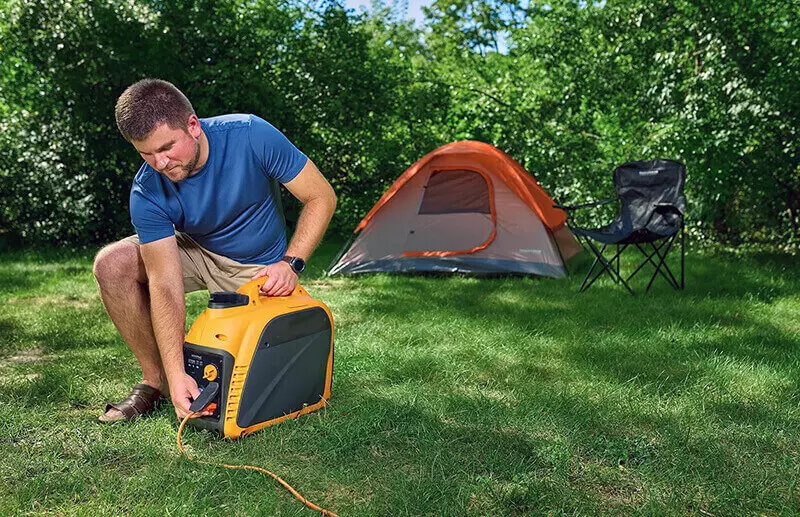
Generators are valuable pieces of camping equipment and, unfortunately, attractive targets for thieves. By combining theft prevention techniques, you can greatly reduce the risk of losing your generator while traveling.
Busy campgrounds have more foot traffic, making theft prevention a top priority.
Combine chains, locks, and alarms, and keep the generator in sight. Heavy-duty chains or steel cables are effective when secured to an immovable object such as a tree, post, or vehicle frame, making it much harder to carry off.
A lockable cage or enclosure adds protection, shields from weather, and can reduce noise. Wheel locks or mounting brackets provide extra security against quick rollaways or lifting. Using several measures together creates a strong defense in even the busiest campgrounds.
Fewer people mean less chance of theft but more need for weather and animal protection.
Covers help the generator blend with the environment while also protecting it from wind or rough terrain.
Many rvs include lockable generator bays that provide convenient security.
Large gatherings attract both guests and potential thieves.
Motion-activated lights or small portable alarms can scare off intruders and alert you early. Thoughtful placement combined with deterrents goes a long way toward keeping your generator safe.
A noisy generator can disrupt your peace and disturb fellow campers. With a few smart adjustments, you can minimize noise while keeping a reliable power supply.
Muffle noise by placing the generator inside a ventilated box or partially behind a tent flap. You can also use plywood panels or acoustic blankets to create a barrier. Always ensure proper airflow to prevent overheating or carbon monoxide buildup.
Inverter generators are typically quieter than standard models, often producing less than 60 db. Their low noise levels make them an excellent choice for camping.
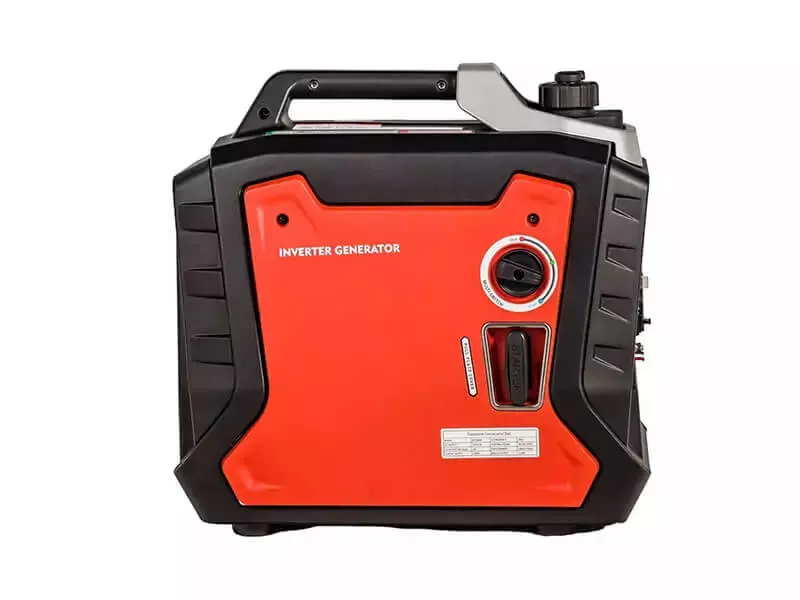
Securing your generator is not just about theft prevention – it's also about protecting people, pets, and property. With the right setup and precautions, you can avoid burns, poisoning, and other camping accidents.
Always keep gasoline or other fuels in approved containers, stored well away from the generator. This reduces the risk of fire and spills. Never leave fuel where it could be knocked over or accessed by children, pets, or wildlife.
Set up portable fences or barriers to keep children and pets at a safe distance while the generator is running.
Extension cords can create risks if left exposed. Use heavy-duty, outdoor-rated cords, keep them organized, and route them away from main walking areas. Avoid wet ground or puddles to prevent electrical hazards.
Never run a generator inside a garage, tent, or tightly closed canopy, as this can lead to dangerous carbon monoxide buildup.
Use anti-vibration pads or stabilizers to keep the generator steady while operating.
Inspect fuel levels, cords, connections, and moving parts before and after each trip. Regular cleaning, checking for wear, and storing the generator in a safe, dry place all extend reliability and safety.
Generator security is essential for any camping trip. With locks, smart placement, weather protection, and noise control, you can enjoy reliable power without worry. A few extra precautions not only protect your equipment but also ensure the well-being of everyone at your campsite—allowing you to focus on the adventure.
inquiry form here
BISON BLOG, All the latest news and views from Bison Machinery.
what's hot?
Related Articles
propane generator vs gasoline for camping: which is better how to secure a generator while camping portable vs standby generators: which is right for you how to make a generator safe for electronic inverter generator vs traditional generator: which one is right for youRelated Products