25Oct 2024
table of contents

Small engines power plate compactors, generators, and chainsaws. Despite rugged design, they often fail prematurely due to skipped maintenance, poor fuel quality, and improper storage—leading to overheating, rust, and wear. This BISON guide covers essential tips for prolonging your small engine's life, can improve performance while saving time, money, and hassle.
Keep your small engine running smoothly for years with these essential maintenance tips:
It's crucial to regularly check and replace oil in small engines. Always use the manufacturer-recommended oil type and follow their oil change schedule, often after every 25 hours of use, you can check your engine's manual for precise intervals. Keep an eye on oil levels and look out for signs of old oil, such as a burnt smell, unusual color or dark, dirty appearance on the dipstick. Running low oil or poor quality oil can cause serious damage.
Keeping your small engine clean prevents overheating and extends durability. Inspect the relevant fins or radiator for build-up and clean it. Remove debris like grass, leaves and mud regularly. Such accumulations can restrict airflow, causing overheating and early wear, which may result in expensive repairs.
The spark plug ignites the fuel-air mixture. When fouled, corroded, or worn, ignition becomes weak or inconsistent, leading to hard starts, misfires, and reduced power.
What to look for during inspection:
Color: Light tan or gray deposits are healthy. Black, sooty deposits suggest a fuel-rich mixture or oil intrusion; white or blistered deposits indicate the engine is running too hot.
Electrode condition: Check for erosion, rounding, or excessive gap wear. A worn electrode produces weak spark.
Corrosion or fouling: Carbon buildup, oil residue, or rust prevents proper firing.
Cracks in the porcelain insulator: Replace immediately if visible.
Loose or disconnected wire: Confirm the spark plug wire is firmly seated; loose connections mimic bad plug symptoms.
Cleaning and replacement:
Light deposits can be removed with a wire brush or spark plug cleaner; regap the plug before reinstalling.
Replace heavily fouled, cracked, or worn plugs rather than attempting further cleaning.
Replace spark plugs every season or after roughly 25 hours of use, whichever comes first.
Catching spark plug problems early prevents strain on the starter, ignition coil, and carburetor.
The air filter blocks dust, grass clippings, and debris from entering the carburetor and combustion chamber while allowing sufficient airflow. A clogged filter restricts airflow, causing a rich fuel mixture, reduced power, poor fuel efficiency, rough idling, and harder starts.
Inspect regularly and clean or replace per your manual's interval. Check more often in dusty or grassy conditions.
Foam filters can be washed and lightly oiled per manufacturer instructions; paper filters should be tapped clean or replaced.
The carburetor regulates the air/fuel mixture through the float bowl (or carburetor float bowl). It depends on clean fuel and unobstructed passages to function correctly. Fuel left sitting for extended periods undergoes oxidation and breaks down, leaving gum or varnish deposits in the carburetor's jets and passages, causing rough running or stalling.
Drain old gasoline and replace with fresh, stabilized fuel when the engine will sit for more than one month. If the engine surges, stalls, or has difficulty starting despite clean air filter and fresh oil, the carburetor may need cleaning or adjustment per your manual or by a qualified technician.
Proper operating techniques can significantly affect the life of a small engine.
Warm up Period: Warm up your small engine before use to allow oil to circulate well and the components to reach correct operating temperature. Allow the small engine to idle for several minutes before starting any heavy work.
Load Management: Overloading a small engine causes overheating and mechanical failure. Always match the power capacity to the task at hand. Using the appropriate engine for a specific operation reduces stress and extends its life.
Idle Time: Refrain from letting your small engine idle for extended periods. Extended idling may create unburned fuel buildup, reducing performance. Shut off your engine when not in use to prevent wear and conserve fuel.
Proper storage is critical, especially for seasonal equipment.
For winter storage, empty the fuel or add a fuel stabilizer, change the oil, and clean the engine thoroughly. Gas older than one month should not be used without stabilizer; ethanol attracts moisture and fuel degradation occurs without stabilizer treatment. During extended storage, keep your small engine in a clean, dry place to avoid rust and corrosion. Always cover it to shield from dust and moisture.
Always consult and follow your small engine manual. The manual provides specific maintenance schedules, operating guidelines and troubleshooting tips tailored to your small engine.
Using the right replacement parts is critical to maintaining the integrity of your small engine.
Make sure all replacement parts are compatible with your specific small engine model. Generic or incompatible parts can cause malfunctions. Invest in high quality parts to guarantee optimal performance and longevity.
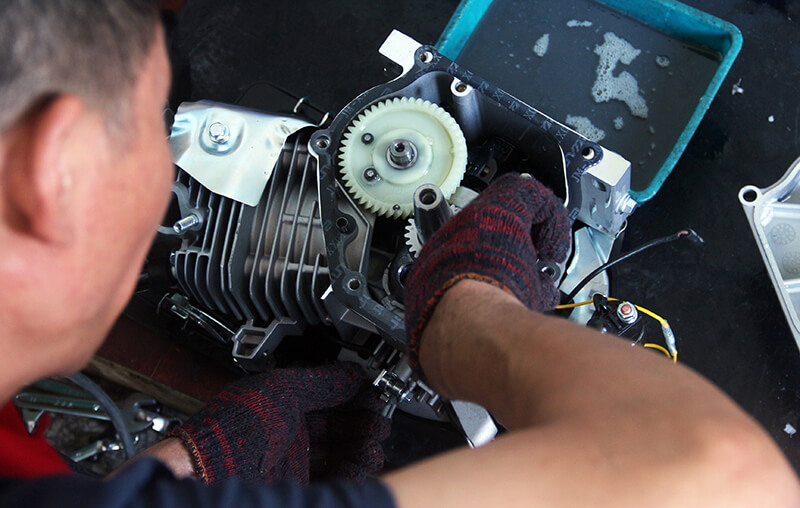
Proper care of your small engine involves thorough maintenance, careful operation, and wise storage. Regularly check and change the oil, keep engine clean, and manage warm-up and load correctly. Avoid excessive idling, store engine properly, consult the manual and select appropriate replacement parts. These actions reduce repair costs and ensure peak engine performance. A properly maintained engine is a reliable engine.
For reliable, durable small engines, choose BISON. BISON small engines are engineered for durability and performance to withstand rigorous use. Explore BISON's small engine lineup and see the difference for yourself!
inquiry form here
BISON BLOG, All the latest news and views from Bison Machinery.
what's hot?

Related Articles
tips for extending the life of your small engine single vs twin cylinder small engines: find the right choice air cooled vs liquid cooled engine 2 stroke vs 4 stroke engine How to Store Small Engine for WinterRelated Products