25Sep 2025
table of contents
Imagine you’re enjoying a weekend getaway on your boat, cruising along the open water, when suddenly the lights flicker and essential systems shut down. Now picture a summer storm hitting your home, leaving your family in the dark. In both situations, reliable electricity isn’t just a convenience—it’s essential.
Generators provide this backup power, but not all are the same. Land-based generators are designed for homes, offices, or construction sites, powering appliances, tools, and lighting. Marine generators, on the other hand, are built for the harsh conditions at sea, with features to withstand saltwater, vibration, and limited space.
Choosing the right generator is critical for safety, efficiency, and durability. This article explores the main differences between marine and land-based generators to help you make the right choice whether on land or at sea.
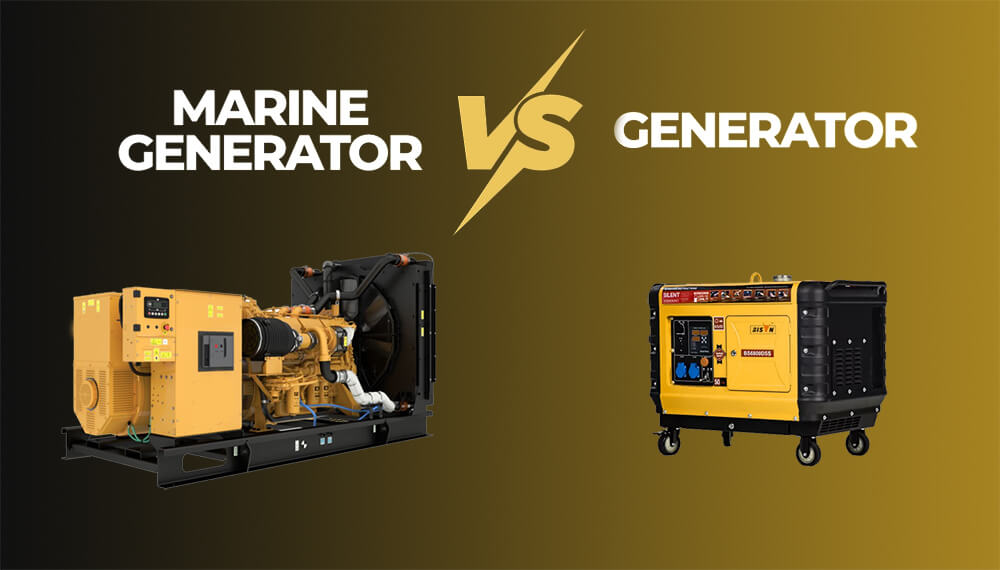
BISON, a trusted generator manufacturer in china, provides reliable power solutions for both land and sea applications. But what exactly is a generator, and why is it so essential?
A generator converts mechanical energy into electrical energy, supplying power when the main electricity source is unavailable. Its main purpose is to deliver a stable and continuous power supply for homes, businesses, and recreational use.
For land-based needs, the most common types include:
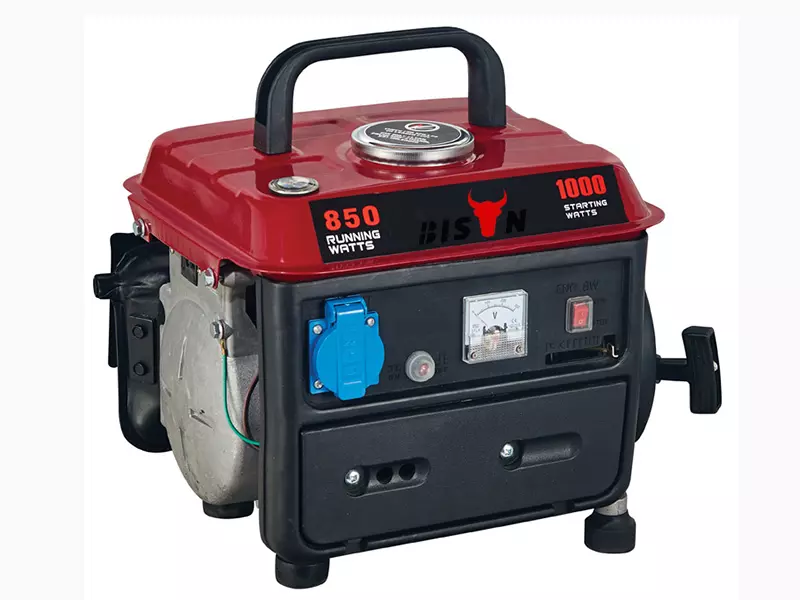
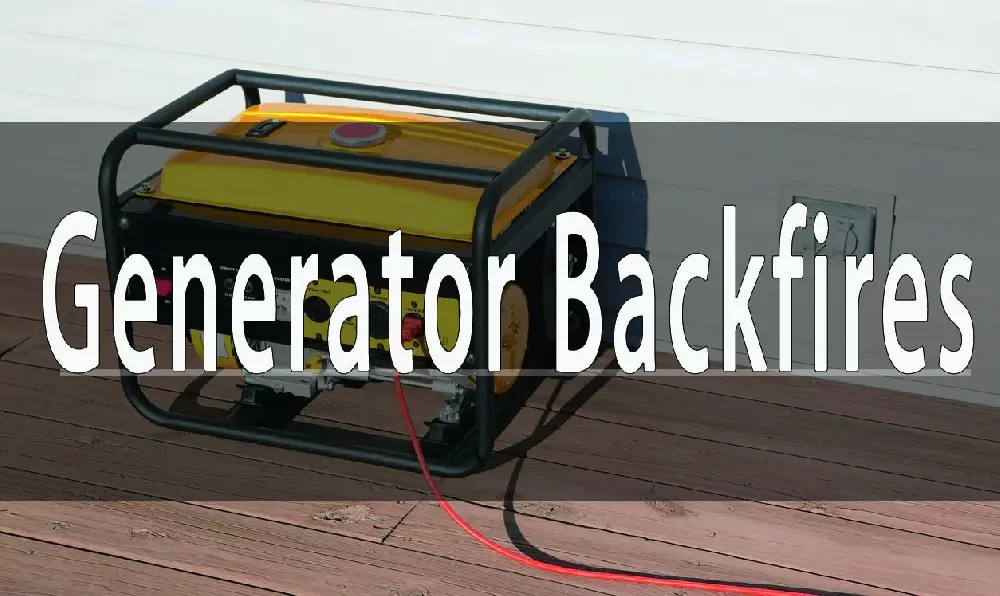
Portable generators: compact and easy to move, ideal for camping, outdoor events, or emergency power.
Standby generators: permanently installed and automatically activated during power outages, ensuring seamless backup for homes and businesses.
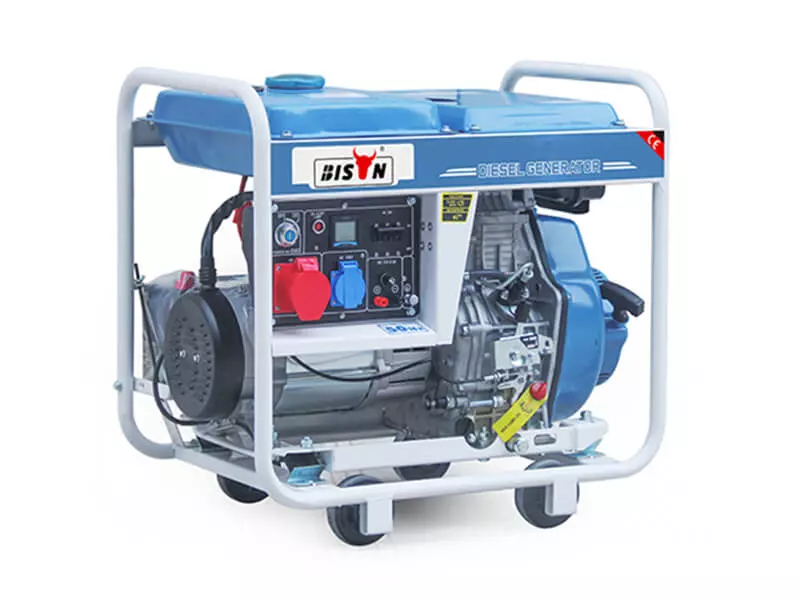
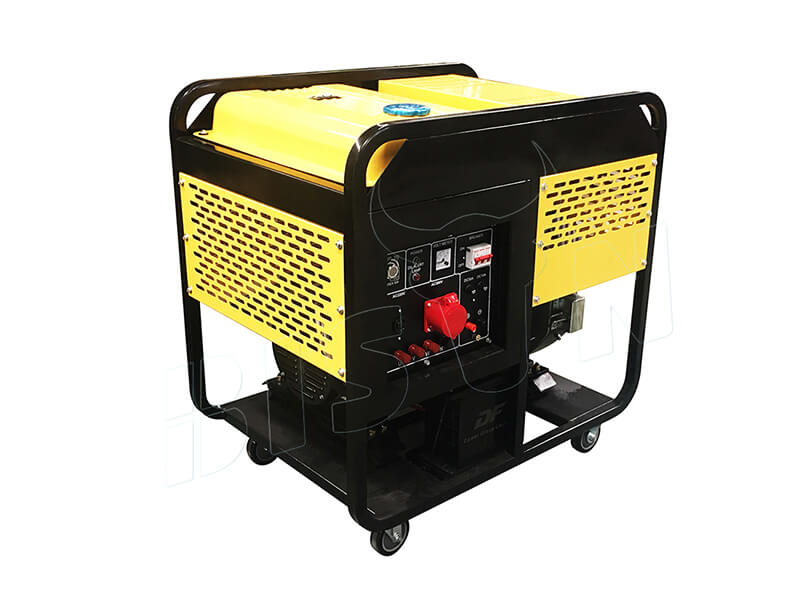
Diesel generators: known for durability and fuel efficiency, widely used in industrial settings with high power demands.
Gas-powered generators: affordable and easy to operate, perfect for home backup and light commercial applications.
The key benefits of land-based generators include:
Backup power: keeps essential appliances, lighting, and equipment running during outages.
Convenience: provides electricity in remote locations or emergency situations.
Safety: supports critical systems like refrigeration, medical devices, and security systems when the main power fails.
A marine generator is a power device designed specifically for boats, yachts, and ships. Its main role is to provide reliable electricity for onboard systems such as lighting, navigation equipment, refrigeration, communication devices, and entertainment systems—even while out at sea.
What sets marine generators apart from standard land-based units are their specialized features:
Compact, vibration-resistant design: fits into limited spaces on boats and withstands constant motion.
Corrosion protection: built with materials and coatings that resist saltwater and humidity.
Quiet operation: runs smoothly with minimal noise for onboard comfort.
Enhanced safety features: includes safeguards against overheating and fuel leaks in marine environments.
These features make marine generators essential for safe, comfortable, and uninterrupted power supply during every voyage. Choosing the right one ensures your vessel remains powered wherever your journey takes you.
The main difference between marine and standard generators lies in the environment they are built to handle. Marine generators must perform reliably in harsh, corrosive, and constantly moving conditions at sea, while standard land-based generators operate in less demanding environments such as homes, job sites, or outdoor events.
Because of these different conditions, their design, construction, and performance requirements vary significantly. Below are the key areas where they differ:
Marine generators use specialized cooling systems with heat exchangers to handle both freshwater and raw seawater, preventing saltwater corrosion and ensuring optimal engine temperature during long operations.
Standard generators rely on air or radiator-based cooling, suitable for land use but prone to overheating in marine environments.
Marine units feature sealed ignition systems and corrosion-resistant electrical components to withstand moisture, salt, and vibration.
Standard generators have conventional setups designed for dry, stable environments with minimal protection against water or salt exposure.
Marine generators use marine-grade alloys and stainless steel for engines and exhausts, with routing designed to prevent water intrusion.
Standard generators typically use standard steel or aluminum components with routing focused on land-based ventilation needs.
Marine models offer extra safeguards such as automatic shutdowns for low oil, high temperature, or water intrusion, plus fuel leak protection for confined marine spaces.
Standard generators include basic safety features for homes or worksites but lack specialized marine protections.
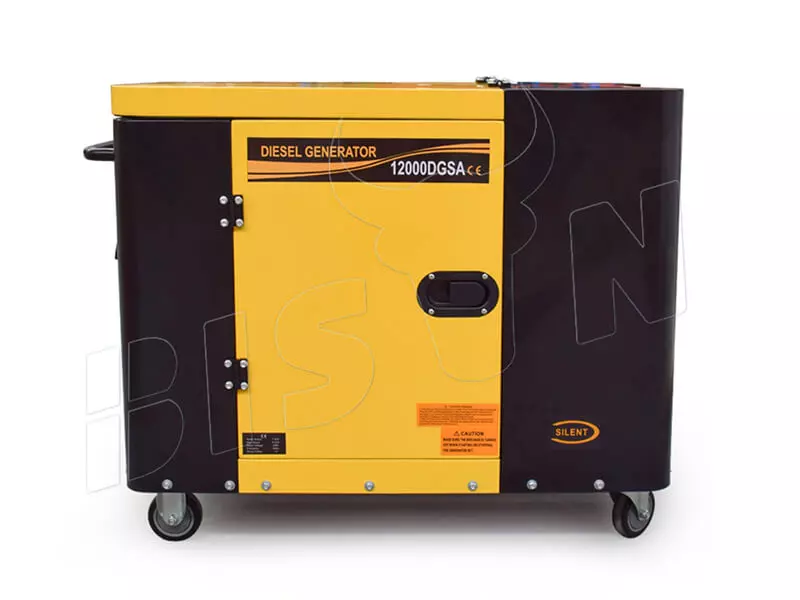
Marine generators often come with soundproof enclosures and vibration-dampening mounts for quiet, comfortable operation onboard.
Standard generators can be louder and produce more vibration, acceptable in most outdoor or industrial settings.
Marine generators need maintenance schedules focused on corrosion, salt buildup, and cooling system integrity.
Standard generators have simpler maintenance routines, mainly for fuel, oil, and air filters.
These differences make marine generators more durable and reliable for life at sea, while standard generators remain practical and cost-effective for land-based use.
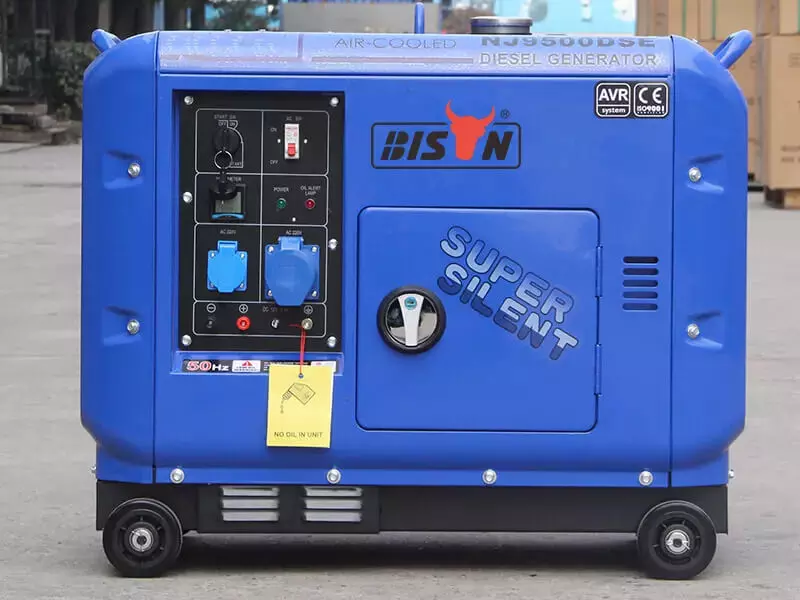
Selecting the right generator requires evaluating several important factors to ensure safety, efficiency, and long-term performance.
For marine use, only a marine generator can handle saltwater exposure, humidity, vibration, and confined spaces safely. Standard generators are suitable for homes, job sites, recreational areas, and outdoor events but are not designed for harsh marine conditions, which can shorten their lifespan and compromise safety.
Calculate the total electrical load you need. Smaller boats often require 3–10 kw, while larger vessels may need 20–50 kw. On land, consider the power demands of home appliances, tools, or industrial equipment to choose the right generator capacity.
Marine generators are generally more expensive due to corrosion-resistant materials, compact construction, and specialized features. Standard generators are more affordable and easier to replace, making them practical for land-based use.
Marine generators need regular maintenance focused on corrosion prevention, cooling systems, and overall durability. Standard generators require simpler upkeep, usually limited to oil, fuel, and air filter checks.
Marine generators are designed for quiet operation to keep onboard environments comfortable. For home or outdoor use, noise may be less of a concern, though quieter models and soundproofing options are available.
Marine generators are built for long-term performance despite exposure to saltwater, vibration, and humidity. Standard generators last well on land but deteriorate quickly if used in marine environments.
By weighing these factors—environment, power needs, budget, maintenance, noise, and durability—you can select a generator that delivers reliable and efficient performance for years to come.
As a professional generator manufacturer in China, BISON knows how critical it is to choose the right generator for your needs. Marine and standard generators serve very different purposes. Marine generators are engineered for life at sea, with corrosion-resistant materials, specialized cooling systems, quiet operation, and enhanced safety features to handle saltwater, humidity, vibration, and confined spaces. Standard generators, in contrast, are ideal for land use—powering homes, construction sites, and outdoor activities. They are more affordable, easier to maintain, and well-suited for environments where extreme marine conditions aren’t a concern.
Selecting the right generator is essential for safety, performance, and long-term reliability. Marine generators provide the durability and protection needed at sea, while standard generators deliver dependable power on land.
Before making a decision, carefully consider your environment, power requirements, budget, and maintenance needs. For a generator that guarantees efficient, safe, and reliable performance, trust BISON to provide the perfect solution—whether for land or sea.
inquiry form here
BISON BLOG, All the latest news and views from Bison Machinery.
what's hot?
Related Articles
marine generator vs a generator portable vs standby generators: which is right for you common uses and applications of diesel generators why does diesel generator emit blue smoke why does diesel generator emit white smokeRelated Products