05Jun 2024
table of contents
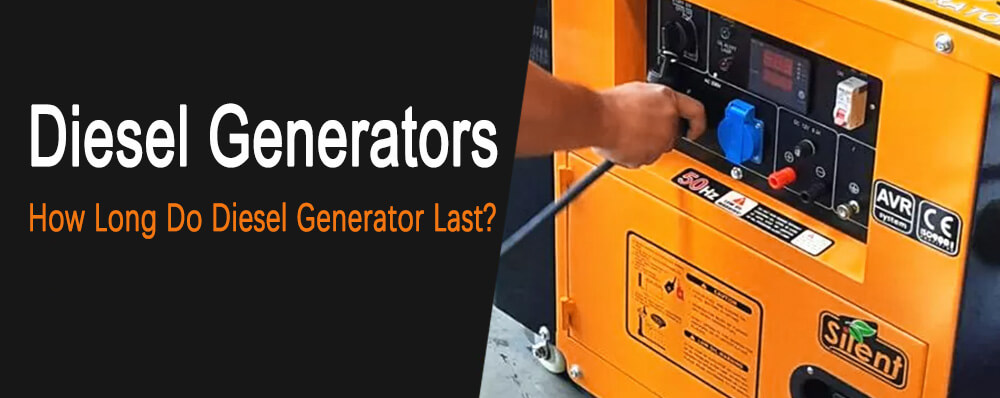
Diesel generator can service as emergency backup power sources during outages, to being primary power supply in isolated locations, construction, healthcare, data centers, and emergency services depending on diesel generator for consistent electricity.
In this article, BISON explores service life of diesel generators and elements that influence their lifespan. Armed with this information, you can enhance diesel generator performance and dependability of your power solutions, making well-informed choices that increase efficiency.
The response is yes. Diesel generators typically last longer than gasoline ones for two primary reasons:
Less complex mechanics: Diesel engines are simpler in design than gasoline engines, which means fewer parts wear out.
Slower speed: Diesels operate at lower RPMs, putting less strain on their components, which enhances durability.
Gasoline generators may be more economical in aspects of upfront cost, their lifespan is typically 2000 to 3000 hours. In contrast, diesel generators can run for 10000 to 30000 hours or more. This longer operational life makes diesel the better choice for heavy and frequent use. Gasoline generators are adequate for sporadic use; diesel is ideal for industrial or regular needs.
Here, we'll take a look at typical lifespan estimates for various types of diesel generators and their applications.
On average, diesel generator can used between 10 000 and 30 000 hours. Here is a breakdown of typical lifespan estimates:
Light duty generators: These electric generator is typically used for home or small business backup power and may last closer to lower end of average generator lifespan range, around 10,000 to 15,000 hours.
Medium duty generators: when appropriately maintained and cared for, have a lifespan of 15,000 to 20,000 hours and are frequently utilized in commercial environments.
Heavy duty generators: Built for enduring sustained use in rigorous industrial conditions, heavy duty generator is capable of operating for substantial durations. Customarily, with the benefit of optimal upkeep, these units can run for an impressive range of 20,000 to 30,000 hours or even longer.
Standby generator mainly serves as an alternate power supply during power disruptions. Given that these generators are not in constant operation, generator's lifespan can be significantly prolonged, frequently achieving or even surpassing 30 years, provided proper upkeep is ensured. However, their operating hours are typically less, still in 10,000 to 30,000 hour range. Infrequent use means they experience less wear, but regular maintenance is essential to ensure reliability when needed.
Generators used for main or continuous generation (such as in remote locations or as a primary power source) operate under very different conditions. These generator is engineered for prolonged, non-stop operation, usually amounting to thousands of hours annually. Consequently, their lifespan, measured in hours, tends to be on the higher scale - it often exceeds 20,000 hours. However, because they are used so frequently, their calendar life can be shorter than that of standby generators.
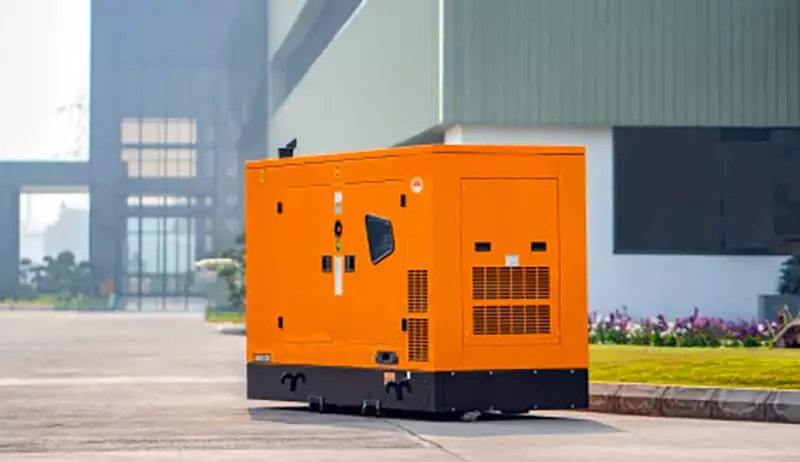
The overall lifespan of a diesel generator can vary depending on its maintenance, generator size, and brand reputation. Understanding these factors can help extend life expectancy of your generator and ensure reliable performance. Here are key factors that play a critical role:
Proper maintenance is fundamental to longevity of a diesel generator. Two main aspects of maintenance are critical:
Regular maintenance of engine components: Conduct routine check ups and maintenance on engine parts, like filter, lubricant, coolant and belt. Failure to uphold regular upkeep might result in early deterioration, consequently shortening diesel generator service life.
Generators must be run regularly: Generators should be run regularly, even if only for short periods of time. This helps keep components lubricated and prevent problems such as fuel deterioration or battery failure. Excessive use as well as insufficient utilization can both have negative impacts. Overuse may result in accelerated wear and tear, whereas underuse can potentially cause components to jam or break due to lack of operation.
Correctly match a generator's size to the anticipated demand to ensure its efficacy and longevity.
Oversized generators: Using an oversized generator at a small load can lead to problems such as "wet pile-up", where unburned fuel accumulates in the exhaust system, causing inefficiency and potential damage.
Undersized generators: Conversely, undersized generators can be overworked, constantly operating at or above maximum capacity. This constant strain can lead to overheating and accelerated wear, shortening life of generator.
Ensuring proper electrical safety measures can prevent damage to generator and connected equipment. This includes using correct cables, ensuring proper grounding, and installing safety devices such as circuit breakers.
Brand reputation and build quality: Generators from well-known brands known for high-quality manufacturing tend to last longer and perform more reliably. Investing in a well-made generator can save costs in the long run.
Engine size: Generators with an engine size that is appropriately sized for their intended load can operate more efficiently and under less load.
Mounting methods: Proper mounting and installation reduce vibration and mechanical stress. The generator should be securely mounted on a stable, level surface to minimize vibration and wear.
Fuel quality: The quality of diesel used is critical. Contaminated or poor quality fuel can cause deposits and corrosion within engine, leading to reduced efficiency and a shortened life.
Parts availability: Readily available spare parts make timely repairs and maintenance easier. Missing parts can lead to extended downtime and can cause generator to fail prematurely.
Environmental conditions: Operating conditions such as temperature, humidity, dust, or corrosive elements can significantly affect durability of a generator. Generators in extreme or harsh environments require more frequent maintenance and special considerations to mitigate these effects.
By focusing on these key factors, users can effectively extend life of their diesel portable generators, ensuring they provide reliable power for many years of use.
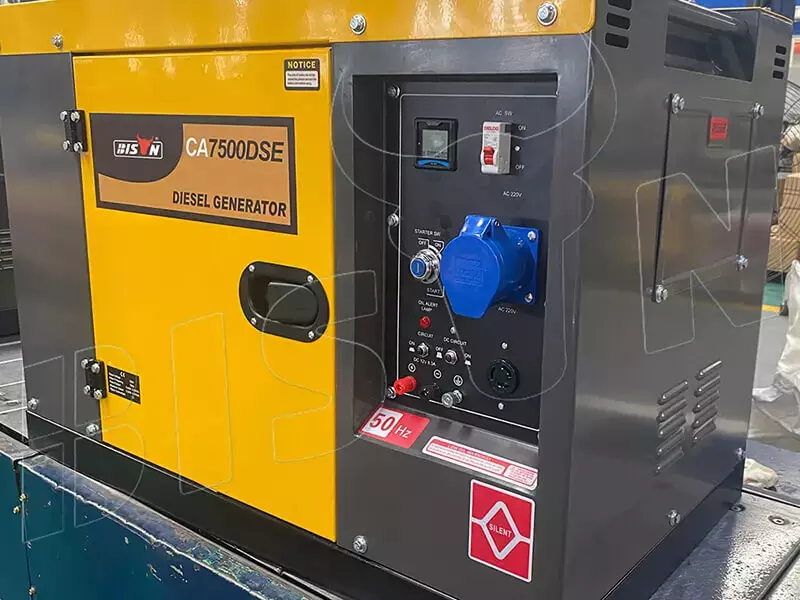
Regular preventive maintenance is vital for extending life of your diesel generator. These include:
Change the oil regularly: Use good oil and adhere to the manufacturer's recommended oil schedule.
Maintain the fuel system: Keep it clean, drain tank water and change the fuel filter often.
Check the cooling system: Ensure it works correctly to avoid overheating.
Load testing: Test generator under load regularly to ensure it is performing as expected.
Professional repairs: Schedule regular inspections and repairs by a qualified technician.
Adhere to these tips to greatly prolong your diesel generator's durability, guaranteeing dependable energy for future years. Opting for superior machines and focusing on preventive care will cut costs and reduce disruptions.
BISON diesel generators are designed for durability and top performance. Made to handle tough conditions and provide steady power, BISON carries generators for various needs. Check out BISON website or contact our sales team to choose the best generator for your needs. We're ready to help you confidently power your world.
inquiry form here
BISON BLOG, All the latest news and views from Bison Machinery.
what's hot?
Related Articles
Everything you need to know about plate compactor Open Frame vs Closed Frame Generators: What's the Difference? Generator Backfires Trowel machines: Introduction, types, working mechanism and buying guide why is my generator draining oilRelated Products