12Jun 2024
table of contents
In the rapidly moving realms of industry and commerce era, dependable electricity is not just essential; it serves as a crucial foundation for maintaining continuous operations and ensuring safety. Each sector encounters distinct challenges that necessitate a continuous electrical supply to avoid expensive disruptions and preserve a competitive edge. This underlines the significance of selecting the appropriate generator, a pivotal choice for any enterprise.
BISON will explore differences between commercial and industrial generator, delving into aspects such as power output and capacity, usage scenarios, cost impacts, available fuel types, noise restrictions, maintenance requirements, and overall budget considerations etc.
By comparing these key differences, BISON hope to equip you with knowledge to make an informed decision based on the specific needs of your business.
Read on to learn which generator type will best meet your power needs in the most cost-effective and efficient manner.
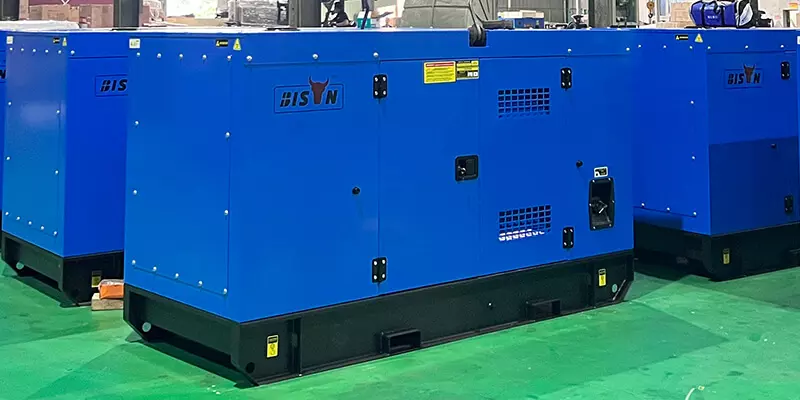
Industrial generator is a robust, high output power generating appliance, engineered to accommodate the needs of large scale initiatives such as manufacturing plants, construction ventures, and mining operations. These generators are crucial in maintaining unbroken functioning of heavy duty equipment and essential systems, averting expensive operational interruptions caused by power failures.
High power output
Typically range from 30 kW to over 3 MW. This capability enables them to support large machinery and extensive operations that require a large and stable supply of power.
Durable construction
Industrial generators exemplify stout construction, frequently housed within robust frame constructed of steel or other resilient materials, to safeguard key components from environmental hazards and usage degradation. They are fabricated to endure the strains of intense industrial usage and severe climatic situations.
Long runtime
Featuring sizable fuel reservoirs and effective engines, have the capability to operate continuously for lengthy periods, spanning hours or even days, before requiring a refuel. This feature is critical during extended power outages or when used in remote areas with limited fuel supplies.
Industrial power generation can provide reliable power in the most demanding situations. Their construction, features, and customization options make them an essential component to operational success in a wide range of industrial applications.
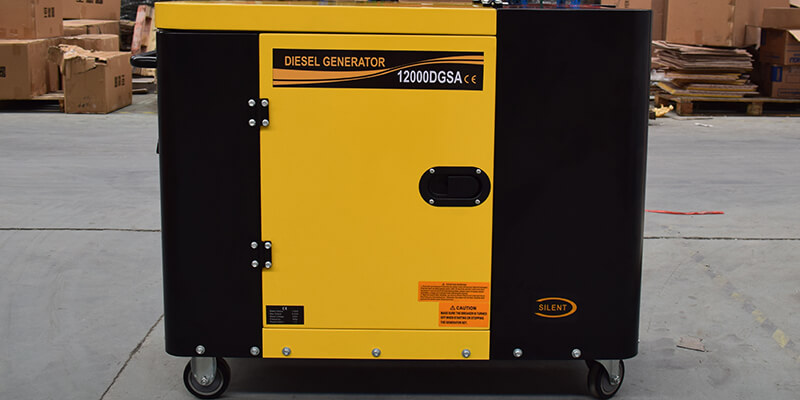
Commercial generators are commonly employed in business settings like retail establishments, offices, eateries, and small manufacturing units to maintain uninterrupted operation amidst power failures. As opposed to sizable industrial generators, commercial generators are crafted keeping in mind scenarios where spatial constraints and noise level concerns are of greater significance.
Medium power output
Commercial generators typically offer medium power outputs that are able to meet the general power needs of commercial businesses and are usually not comparable to industrial generators.
Compact design
Space is often at a premium in commercial settings, so efficient and compact generators are needed. Commercial generators are designed to be space-efficient and can be easily installed into smaller spaces or areas that require less distracting equipment.
Quiet operation
Noise reduction is essential in commercial settings, so these generators are often soundproofed.
Commercial generators typically operate in the same way as the home generators we use during power outages, but they can meet power needs better than portable generators.
Grasping the distinction between industrial and commercial generators is integral for enterprises, enabling them to select generator that most aptly fulfills their requirements. Here are the key differences:
Industrial generators typically have a higher power output and a larger capacity. They are designed to serve larger areas and wider facilities.
Conversely, commercial generators, with their reduced power output, compact size, and designed precision for smaller-scale operations, differ noticeably.
Industrial generators are essential in environments that face extreme conditions and large power demands, such as factories, large construction sites, and critical infrastructure.
Commercial generators are primarily used in businesses with lower power needs and smaller operating spaces, such as schools, hospitals, and catering establishments.
Industrial generators exhibit higher costs, not just at the point of purchase, but also during installation and operation. This cost hike mirrors their bulkier size, more substantial capacity, and robust build.
Commercial generators are smaller, simpler, and generally less expensive, making them a more convenient option for small businesses and commercial facilities.
Industrial generators often use heavy-duty fuels suitable for long-term use, which may include options such as diesel, natural gas, or dual-fuel systems, focusing on efficiency and long-term operation.
Commercial generators also offer a range of fuel options, but generally tend to use cleaner, more readily available fuels such as natural gas and propane, given environmental restrictions and operational settings.
While both commercial and industrial generators are soundproofed, commercial generators are more suitable for public and commercial spaces.
Industrial generators bear a substantial workload and are crucial to operations, they demand rigorous upkeep. A designated crew is often necessary to conduct routine checks and ensure timely repairs.
Commercial generators typically have simpler maintenance requirements and are designed to be more accessible and quicker to repair to minimize downtime for businesses that rely on constant public interaction and service.
Industrial generators require a higher initial investment and ongoing maintenance costs, and therefore require a significant budget allocation.
Commercial generators have lower upfront and long-term costs, accommodate more modest budgets, and are suitable for small and medium-sized businesses that do not require large amounts of electricity.
Industrial generators must withstand harsh operating environments and are designed with more durable materials and protective features to withstand extreme weather and frequent use. A wide range of customization options are available to suit specific industrial applications, including additional features such as automatic transfer switches, sound attenuation, and remote monitoring systems.
Commercial generators are typically installed in more controlled environments, allowing for the use of lighter materials and less reinforced designs. Customization can be provided, but generally follows standard specifications suitable for general commercial needs.
The choice between industrial and commercial generators depends largely on the specific needs of the business in terms of power requirements, usage, cost budget, etc. By understanding these fundamental differences, decision makers can invest wisely to ensure that their facilities are effectively and efficiently powered in any situation.
Numerous factors must be considered when determining the suitability of industrial or commercial generators to your specific needs. Here's how to assess aspects for a well-informed choice:
Application requirements: What will the generator be used for? For high-capacity manufacturing operations, the requirements will likely necessitate an industrial generator. However, businesses requiring standby power during sporadic power interruptions could find commercial generator adequately meets their needs. Great for smaller facilities like stores, restaurants, or office buildings.
Frequency of use: What is the frequency of your generator usage? Industrial generators are constructed to operate incessantly and are more adept at withstanding prolonged usage compared to commercial generators. The latter are usually intended for occasional use, such as providing power during service interruptions.
Cost considerations: Industrial generators have higher initial costs and higher maintenance costs. If you're on a budget, a commercial generator may be a better fit, as long as it can meet your power needs.
Environmental concerns: Evaluate the environmental impact of each generator type. And check local regulations related to noise, emissions, and generator use. Commercial generators to commonly use more environmentally friendly fuels like natural gas or propane. Which you may want to consider if your operations are in an environmentally sensitive area.
The choice between industrial and commercial generators is ultimately guided by your unique needs. Industrial generators are ideal for driving substantial industries, where potential power disruptions could lead to considerable loss. Their large capacity and ability to handle continuous power demands make them a reliable solution for uninterrupted operations. On the other hand, if you run a business that requires steady power, but not necessarily at megawatt levels, then a commercial generator will be a better fit. Its power output matches medium power needs, ensuring a steady supply of power without any unnecessary excesses. By thoroughly evaluating your needs, you can choose a generator that perfectly matches your unique operational requirements.
For enterprises that seek to maintain continuity and efficiency, selecting the appropriate generator is of paramount importance, with decision tailored to the distinct demands of their business. When it comes to dependability and excellence, BISON generators come highly recommended, providing assurance that your venture remains operational in the most crucial times. Don't let power interruptions hinder your business pursuits. Delve into the wide variety of generators offered by BISON today, and discover the ideal generator tailored to your unique requirements.
inquiry form here
BISON BLOG, All the latest news and views from Bison Machinery.
what's hot?
Related Articles
Everything you need to know about plate compactor Open Frame vs Closed Frame Generators: What's the Difference? Generator Backfires Trowel machines: Introduction, types, working mechanism and buying guide why is my generator draining oilRelated Products